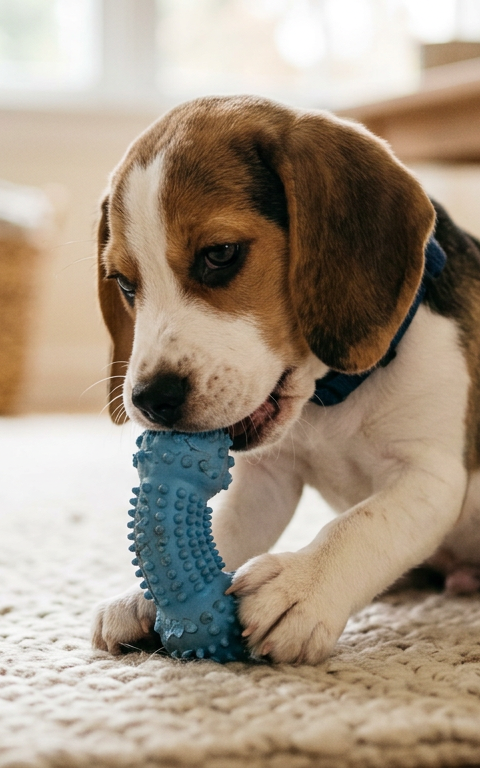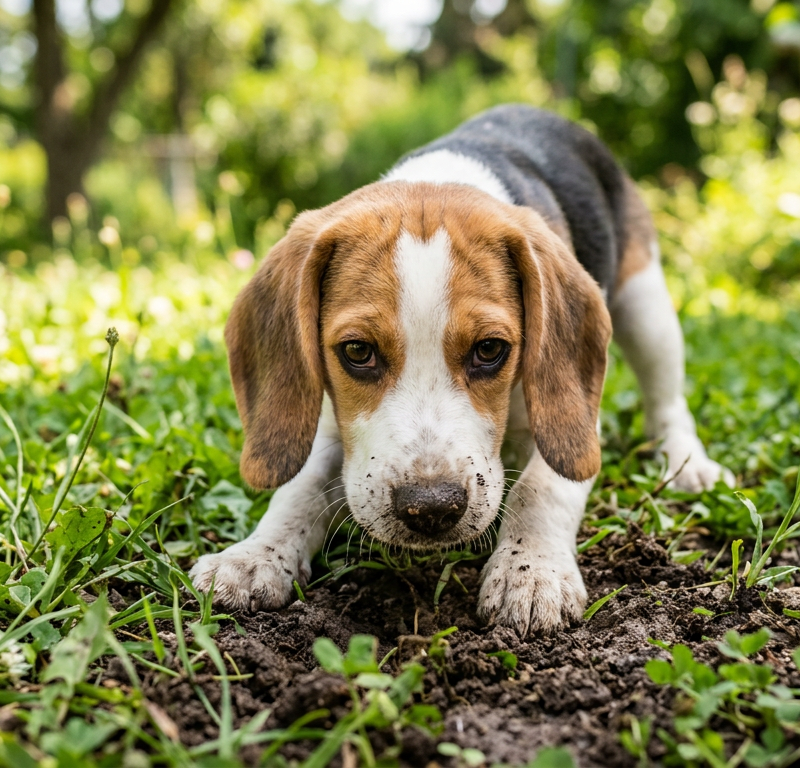
Watching your new companion explore the backyard is one of the joys of pet parenthood. However, as you watch them sniff the grass, you might suddenly wonder, why does my puppy eat dirt outside? This curious behavior is actually quite common among young dogs and can stem from several different developmental or environmental factors.
Puppies use their mouths to interact with the world, much like human toddlers use their hands. While seeing them swallow a mouthful of mud might be startling, understanding the motivation behind the action helps you provide the best care. In most cases, this behavior is a passing phase that can be managed with a little patience and training.
Natural Curiosity and Developmental Stages
Exploring the environment is a full-time job for a growing dog. When a puppy eats dirt, they are often just conducting a sensory investigation. The texture, smell, and even the taste of different soil types provide a wealth of information to their developing brains.
During the teething process, puppies may also seek out cold or gritty substances to soothe their aching gums. Soil can provide a unique tactile sensation that helps relieve the pressure of new teeth coming in. If you notice your pup focusing on dirt specifically while they are losing baby teeth, this could be the primary driver.
Internal links are a great way to learn more about your pet's development. For instance, if you have a larger breed, you might want to check out our German Shepherd age calculator to see how their developmental milestones align with their age. Understanding their growth spurts can provide context for these odd behaviors.
Boredom and Seeking Attention
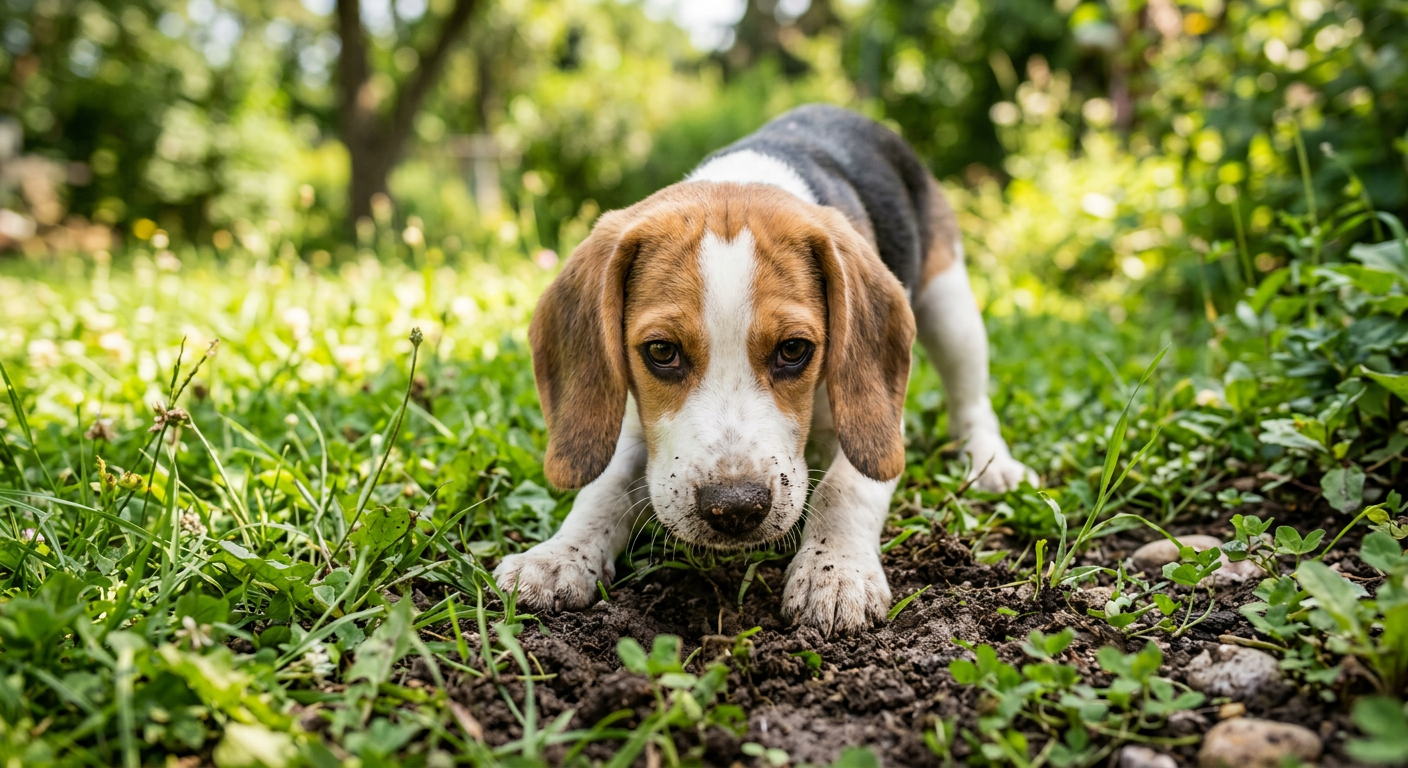
Sometimes, a puppy consumes soil because they are looking for something to do. If a pup is left alone in a yard without toys or interaction, the ground becomes an accessible source of entertainment. Digging and tasting the earth creates a self-rewarding activity that passes the time.
Additionally, puppies quickly learn which behaviors get a rise out of their humans. If you run over and make a fuss every time they put mud in their mouth, they might view it as a fun game of chase. In their minds, eating dirt equals instant playtime with their favorite person.
Nutritional and Health Considerations
While most dirt-eating is behavioral, there are wellness considerations to keep in mind. Occasionally, a puppy might be instinctively seeking out minerals that are missing from their daily intake. This condition, known as pica, involves the consumption of non-food items.
If your puppy is not gaining weight despite eating well, it is important to look at the quality of their food. You can read more about this in our guide on a puppy not gaining weight despite eating well. A balanced diet ensures they have the calcium, phosphorus, and iron they need so they don't look for it in the flower beds.
Anemia or digestive upset can also lead a dog to ingest soil. Some experts believe that the clay or grit in soil might help settle an upset stomach or provide a temporary feeling of fullness. If the behavior is frequent and accompanied by lethargy, a visit to the veterinarian is the best course of action.
The Role of Instinctive Foraging
Dogs are descendants of opportunistic scavengers. This ancestral drive means they are naturally inclined to sample various organic materials. The soil often contains interesting scents from fallen fruit, insects, or even the remnants of a buried bone from a previous resident.
- Microbiome exploration: Puppies may be attempting to introduce diverse bacteria to their gut.
- Scent tracking: They might be eating the dirt because a "tasty" smell has soaked into it.
- Texture seeking: Crunchy or sandy soil can be satisfying to chew.
Potential Risks of Ingesting Soil
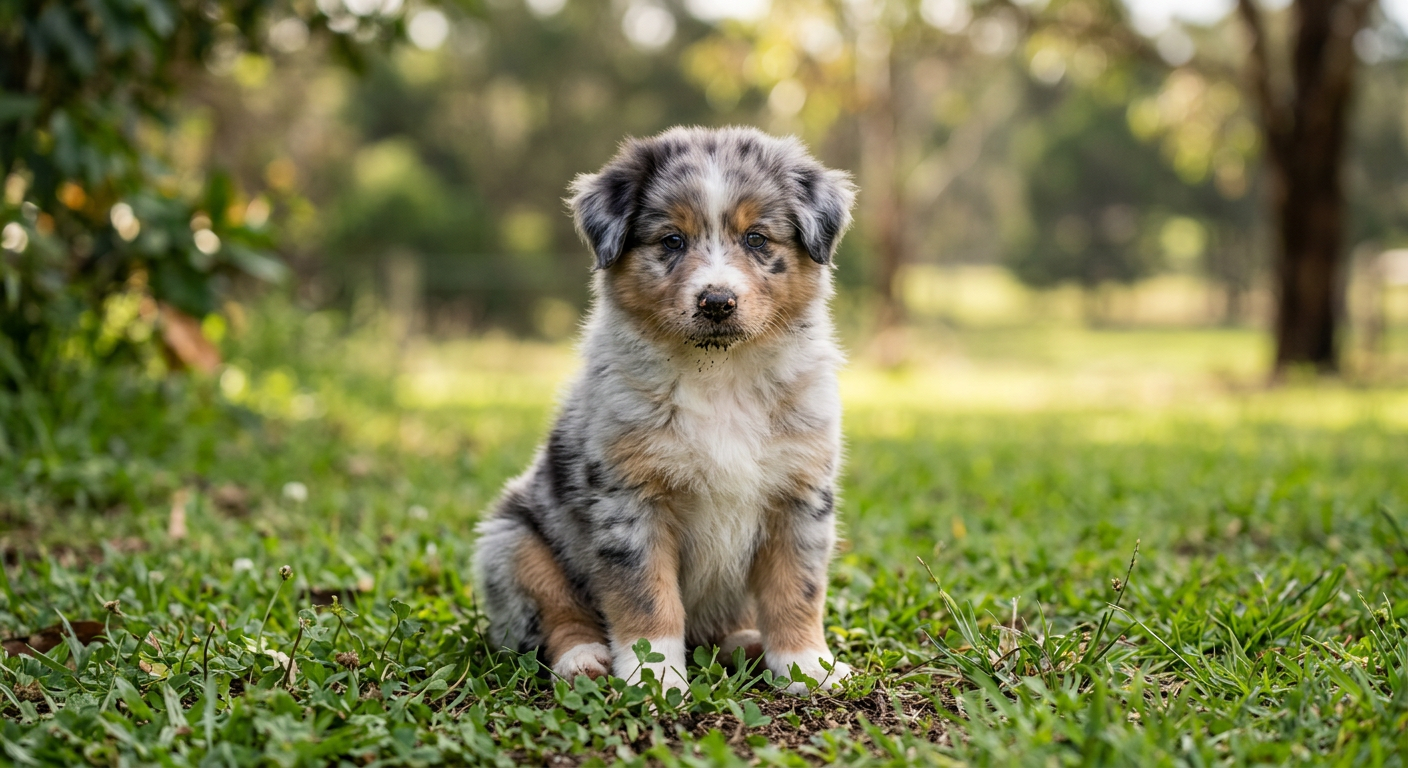
While a little bit of clean dirt usually won't hurt, there are proactive care steps to take to keep your puppy safe. Soil can harbor parasites such as roundworms or hookworms, which are easily ingested during a "dirt snack." Regular deworming and vet checkups are essential during this phase.
Environmental chemicals are another concern. Lawns treated with pesticides, herbicides, or certain fertilizers can be toxic if consumed. If you have a curious puppy, it is best to use pet-safe gardening products and keep them away from areas that have been recently treated.
Lastly, keep an eye out for "foreign bodies." Soil often contains small stones, mulch, or pieces of plastic that could cause a blockage in a puppy's small digestive tract. Monitoring their outdoor time ensures they aren't swallowing anything that could lead to a localized obstruction.
Proactive Tips for Stopping the Behavior
Redirecting your puppy's focus is the most effective way to stop them from eating mud. Whenever you see them start to nose around the dirt, offer a high-value toy or a healthy treat instead. This teaches them that interacting with you or their toys is far more rewarding than snacking on the landscape.
Increasing physical and mental stimulation can also reduce the urge to forage. A tired puppy is a well-behaved puppy. Try incorporating short training sessions or food puzzles into their daily routine to keep their minds engaged and off the dirt.
If your puppy spends a lot of time outside, ensure they have a designated "safe zone" with plenty of chew toys. If they are a breed known for high energy, such as a Border Collie, they may need extra tasks to stay occupied. You can compare different breed needs using our beagle vs poodle comparison tool to see how energy levels differ across types.
Training the Leave It Command
Teaching a solid "leave it" command is a lifesaver for puppies who like to vacuum up the yard. Start training this indoors with low-value items and gradually move to the backyard. Consistently rewarding them for choosing to ignore the dirt will build a strong habit over time.
Supervision is key during the learning phase. Using a long training lead allows you to give your puppy some freedom while still being able to gently redirect them if they head for the mud. Positive reinforcement ensures that your puppy learns these boundaries in a happy, stress-free way.
When to Consult a Professional
If your puppy's soil consumption is compulsive or if they are ignoring their actual food in favor of dirt, reach out to your veterinarian. They can perform blood tests to rule out anemia or mineral deficiencies. They can also check for underlying issues like "puppy sleeping too much," which we discuss in our post about whether a puppy sleeping too much is normal.
In some cases, a veterinary behaviorist might be helpful if the pica is driven by deep-seated anxiety. However, for the vast majority of pups, eating dirt is simply a fleeting part of growing up. With consistent redirection and a healthy diet, your backyard will soon go back to being a place for zoomies rather than snacks.
Nurturing a Healthy Puppy Environment
Creating a stimulating and safe outdoor space is the final step in managing this habit. Clear away any loose debris and consider using localized barriers like small garden fences around particularly tempting patches of soil. Providing a variety of textures in their toys—like rubber, rope, and plush—can satisfy their oral fixations.
Remember that every puppy is an individual. What works for a Golden Retriever might be different for a French Bulldog. If you are curious about how your specific breed grows, checking out the French Bulldog age calculator can help you stay ahead of their changing needs.
By staying observant and using positive reinforcement, you can guide your puppy through this messy phase. Why does my puppy eat dirt outside? Usually, it's just because life is new, exciting, and occasionally tastes like earth. With your help, they'll soon find much more delicious things to focus on.