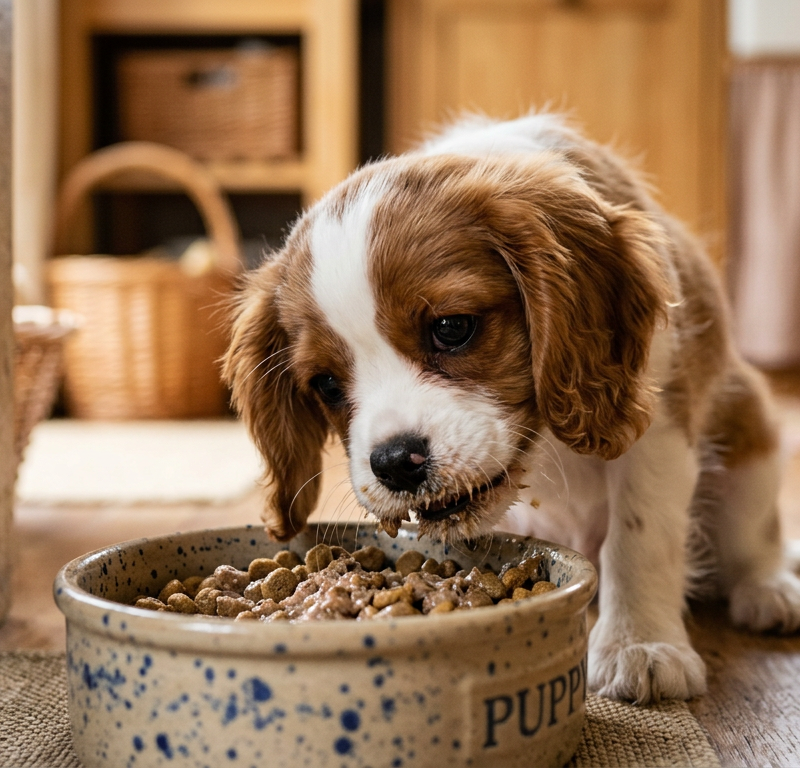
Few sights are as rewarding as watching a young puppy enjoy their food with enthusiasm. However, many owners find themselves concerned when they notice their puppy not gaining weight despite eating well and maintaining a high spirit. This situation can be confusing, especially when your young friend seems to have a bottomless stomach but remains leaner than expected.
Understanding the balance between caloric intake and physical development is a key part of proactive puppy care. Growth isn't always a perfectly straight line, but consistent stalling in weight gain deserves a closer look. By exploring the common reasons for this occurrence, you can better support your puppy's journey toward a healthy adult weight.
Evaluating Caloric Needs and Quality
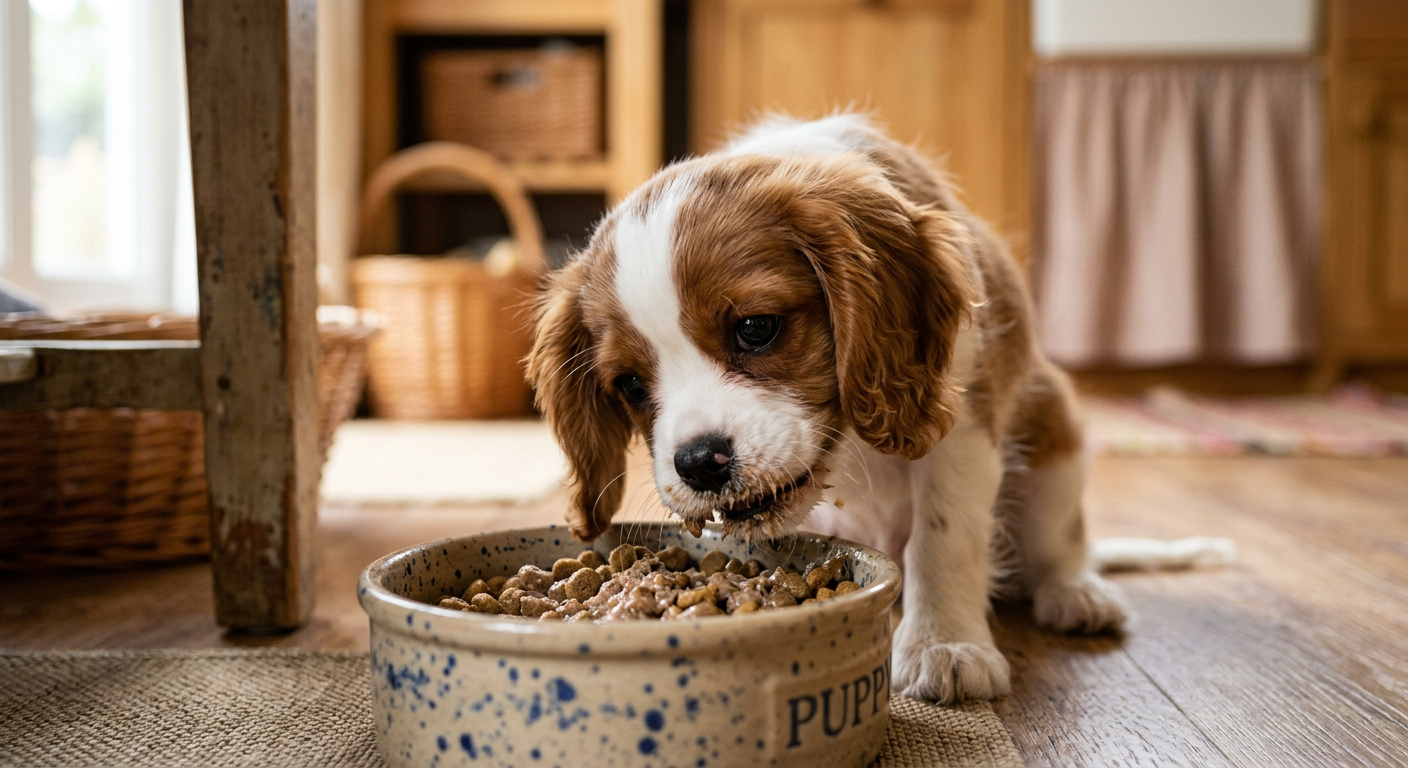
The most common reason for a puppy not gaining weight despite eating well is a simple gap between energy intake and energy expenditure. Puppies are incredibly active, and their bodies use an immense amount of fuel just to build bone, muscle, and organ tissue.
It is important to check the caloric density of the food you are providing. Not all puppy foods are created equal; some may have more fillers and fewer concentrated nutrients than your growing dog requires. If the nutrient density is low, even a large volume of food might not be enough to satisfy their metabolic demands.
Growth Spurts and Metabolism
Just like human children, puppies go through significant growth spurts. During these windows, their metabolism sky-rockets, and they may appear "lanky" or thin as they prioritize height and bone length over muscle mass and fat storage.
If you have a high-energy breed, such as a Border Collie, their daily activity level might be burning through calories faster than you can provide them. You can check how your specific breed ages using our Border Collie age calculator to see if they are in a peak developmental phase.
Wellness Considerations and Internal Health
If the food quality and quantity seem correct, the next step in proactive care is looking at internal factors. Intestinal parasites are a very frequent reason for a puppy not gaining weight despite eating well. These organisms can consume a significant portion of the nutrients your puppy ingests before the puppy has a chance to absorb them.
A routine veterinary check-up usually includes a fecal exam to rule out these unwelcome guests. Most puppies are born with some level of internal parasites, which is why a consistent deworming schedule is a vital part of early wellness. Addressing this early ensures your puppy gets 100% of the nutrition they are eating.
Absorption and Digestion Factors
Sometimes, the issue isn't what is going in, but how it is being processed. Malabsorption issues or food sensitivities can prevent a puppy's body from effectively using the nutrients provided. If you notice frequent loose stools or gas alongside the lack of weight gain, your puppy's digestive system might need some support.
Your veterinarian might suggest a different protein source or a specialized diet designed for sensitive stomachs. Ensuring the gut microbiome is healthy is a cornerstone of long-term canine wellness and proper development.
Environmental and Social Influences
The environment in which a puppy eats can play a surprising role in their development. If you have multiple pets, "fringe eating" can occur. This is when a puppy feels rushed or intimidated by another dog, causing them to eat quickly but perhaps not as much as they truly need.
Separating pets during mealtime can reduce stress and allow your puppy to focus entirely on their nutrition. A calm, quiet environment encourages better digestion and ensures no one else is sneaking bites from the puppy's bowl. Comparing the needs of different breeds can help too; for example, a Golden Retriever vs Labrador Retriever comparison shows how different high-energy breeds handle their caloric intake.
When to Consult Your Veterinarian
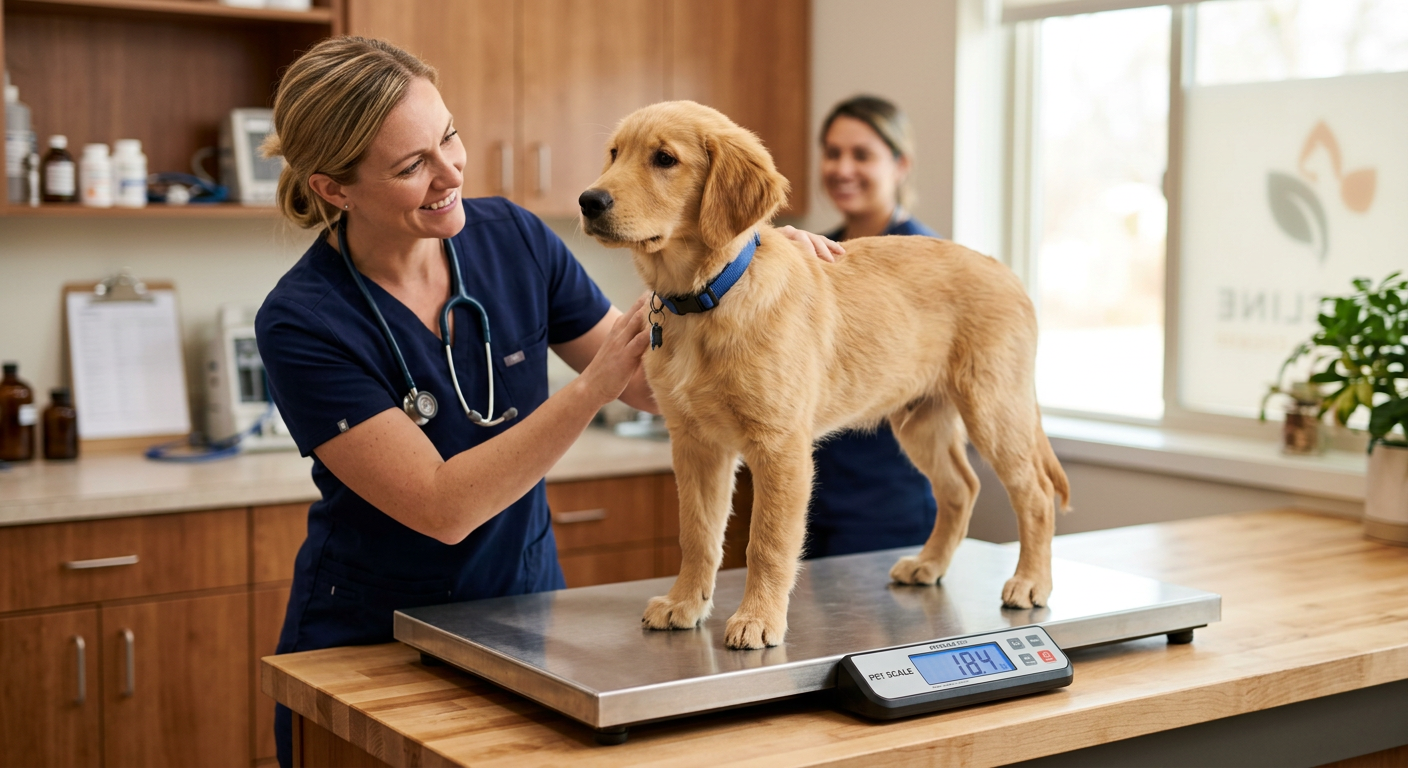
While many cases of a puppy not gaining weight despite eating well are solved by adjusting their diet or activity, professional guidance is always the best path. A veterinarian can perform blood work to rule out less common metabolic conditions or congenital issues that might be affecting growth.
Proactive care involves keeping a weight log. Weigh your puppy once a week and note any changes in their energy levels or coat quality. A dull coat or lethargy, combined with a lack of weight gain, are signs that a professional evaluation should be scheduled sooner rather than later.
Monitoring Weight Safely
It is helpful to learn how to check your puppy's Body Condition Score (BCS). You should be able to feel their ribs easily under a thin layer of fat, but the ribs should not be sharply protruding or visible from a distance. Finding that "middle ground" is the goal for a healthy, growing puppy.
Remember that every puppy is an individual. While charts and guides provide a baseline, your puppy's unique genetics will dictate their specific growth curve. Staying observant and working closely with your vet ensures they stay on the right track for a vibrant life.
Supporting Healthy Growth Patterns
To help a puppy not gaining weight despite eating well, consider transitioning to a high-calorie "performance" puppy formula if your vet agrees. These diets are specifically formulated for puppies with higher metabolic needs or those struggling to maintain a healthy cover.
Adding healthy fats, like a splash of salmon oil, can also boost caloric intake while providing beneficial Omega-3 fatty acids for brain and skin health. Small, frequent meals throughout the day are often easier for a puppy's system to process than one or two large feedings.
Building a Strong Foundation
Ultimately, seeing a puppy not gaining weight despite eating well is an invitation to learn more about your pet's specific needs. Whether it is a simple adjustment in kibble quantity or a quick treatment for parasites, most growth plateaus are easily managed with the right information and professional support.
By staying attentive to their needs today, you are building the foundation for a strong, healthy adult dog. You can find more tips on early pet care and behavior in our extensive pet wellness blog, where we cover everything from socialization to nutrition.