Welcoming a new furry family member is an exciting journey filled with play sessions and bonding. However, many new pet parents often find themselves wondering if a puppy sleeping too much is that normal when they notice their little one spending most of the day in dreamland. It can be surprising to see a burst of high energy followed by a deep, four-hour nap.
The short answer is that rest is a fundamental part of canine development. Just like human infants, young dogs require a significant amount of shut-eye to process new information and grow physically. Understanding the balance between healthy rest and lethargy is key to feeling confident in your new role as a pet guardian.
Researching your specific breed can also provide context for their energy levels. For instance, a high-energy breed might have different rest patterns than a more relaxed one. You can explore how different breeds age and develop by using our breed comparison tool or checking out the French Bulldog age calculator to see where your pup stands in their development.
Establishing the Baseline for Puppy Sleep
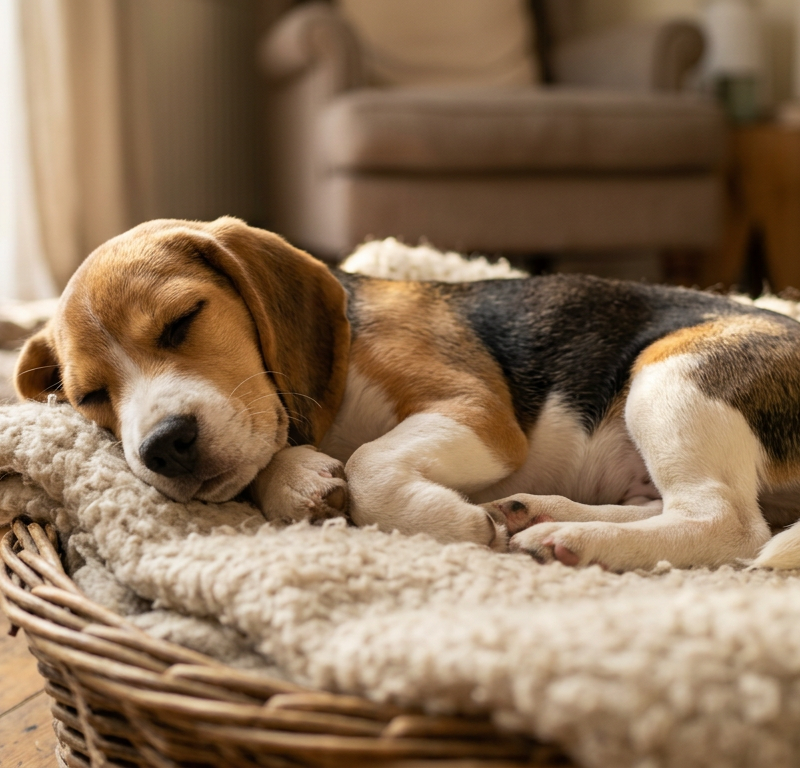
On average, a young puppy may sleep anywhere from 18 to 20 hours a day. This staggering amount of time is necessary because their bodies are working overtime. While they sleep, their central nervous system, immune system, and muscles are all undergoing rapid development.
This "sleep-wake-sprint" cycle is a hallmark of puppyhood. One moment they are zooming around the living room with a toy, and the next, they have flopped over right where they were standing. These frequent "power naps" allow them to recharge their batteries for the next round of exploration and learning.
The Stages of Canine Sleep
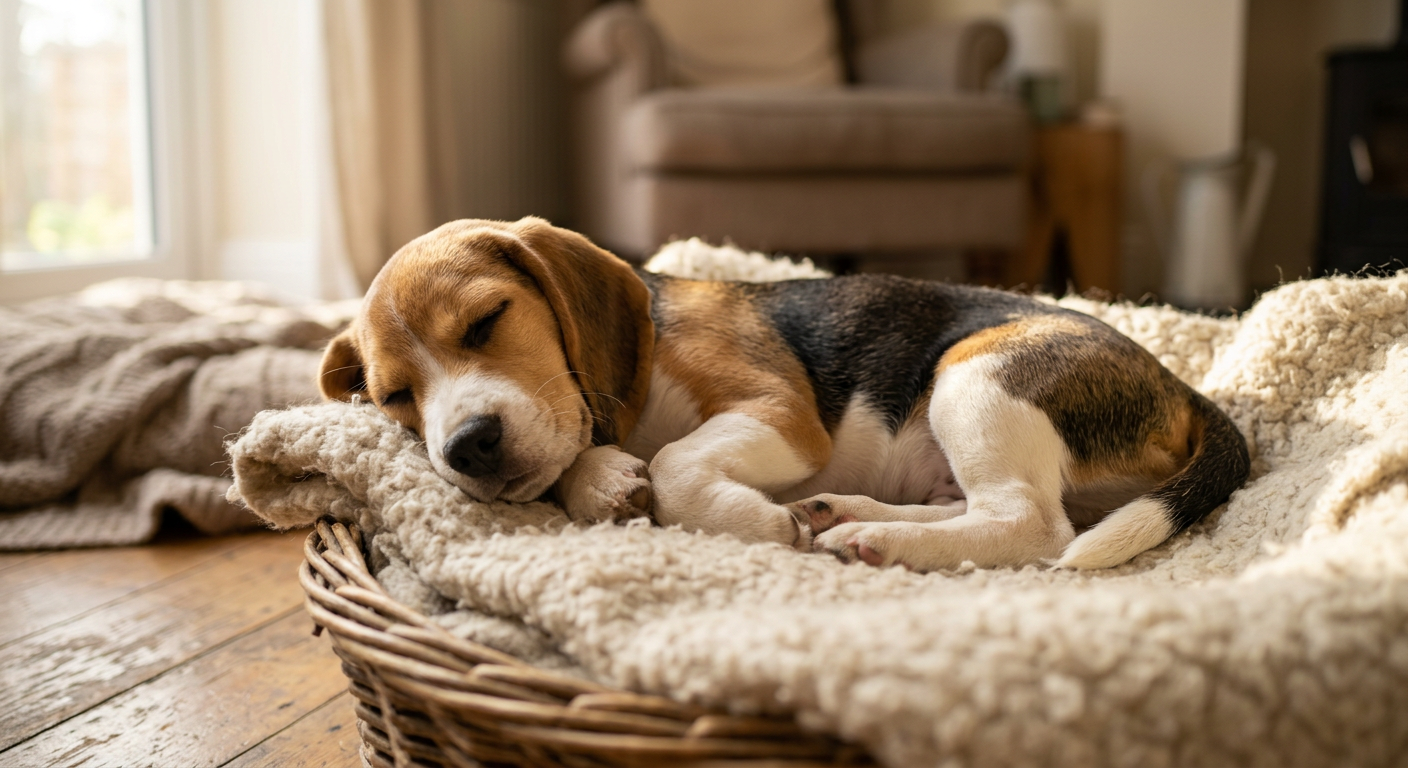
Puppies move through different stages of sleep just like we do. You might notice your puppy twitching their paws, whimpering softly, or even performing "muffled barks" while they sleep. This usually happens during the REM (Rapid Eye Movement) stage.
REM sleep is crucial for cognitive development. During this phase, the brain processes the day's training sessions and social interactions. If you see your Beagle or Poodle twitching in their sleep, it is usually a sign of a healthy, active brain at work.
Factors That Influence How Much a Puppy Sleeps
Several factors can influence exactly how many hours your puppy spends snoozing. Age is perhaps the most significant factor. An eight-week-old puppy will naturally require more downtime than a six-month-old adolescent dog.
Size and breed also play a role. Large breed puppies, such as those you can track with our Great Dane age calculator, often grow at an incredible rate. This rapid physical growth requires an immense amount of metabolic energy, leading to longer periods of rest.
- Activity Levels: A day involving a trip to the park or a new training class will result in a longer recovery nap.
- Environment: A quiet, cool, and comfortable home encourages deeper and more frequent rest.
- Diet: High-quality nutrition provides the steady energy needed for growth, though some digestive processes may make a pup feel naturally drowsy after a meal.
- Health Status: Routine vaccinations or minor growth spurts can temporarily increase a puppy's need for sleep.
The Impact of Growth Spurts
There will be weeks where it feels like your puppy is growing right before your eyes. During these "growth spurts," their bodies prioritize bone and tissue development. It is perfectly normal for a puppy to seem extra sleepy during these periods of intense physical change.
If you are concerned about their physical progress during these naps, you might also want to read about a puppy not gaining weight despite eating well to ensure their nutrition is supporting their rest. Most of the time, the two go hand-in-hand as part of a healthy growth phase.
Is Puppy Sleeping Too Much Ever a Concern?
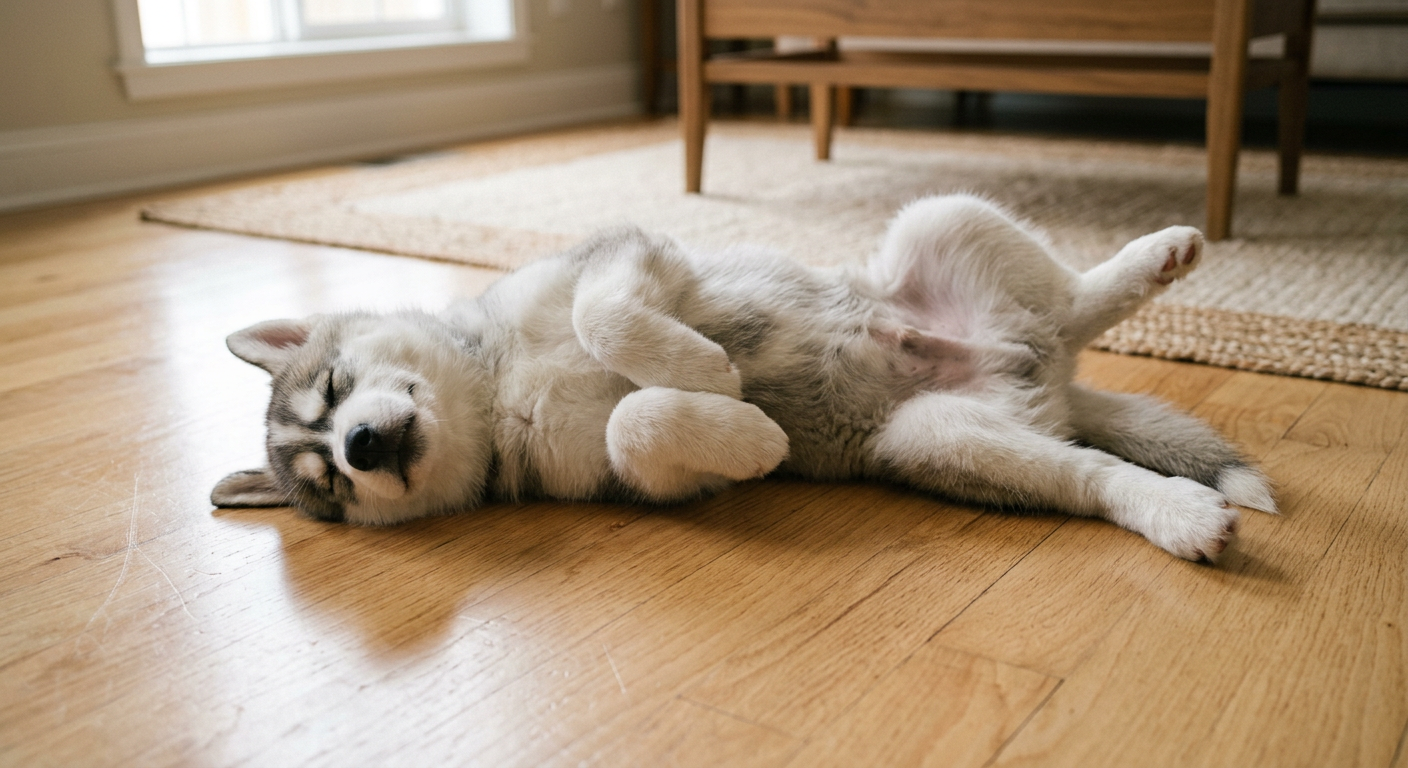
While long hours of sleep are standard, the quality of their "awake" time is the best indicator of their health. When your puppy is awake, they should be curious, alert, and willing to engage with you or their toys. This "vitality" is what veterinarians look for.
If you notice that your puppy is difficult to wake up, or if they seem disinterested in food and play when they are actually conscious, this is a shift from normal sleep patterns to lethargy. Proactive care involves observing these nuances in behavior.
Recognizing the Sign of Lethargy
Lethary is different from being tired. A tired puppy might decline a game of fetch but will still wag their tail or look up when you say their name. A lethargic puppy may appear limp, show no interest in high-value treats, or struggle to keep their head up.
If your puppy’s sleeping habits change suddenly alongside symptoms like vomiting, diarrhea, or a lack of appetite, it is time to consult your veterinarian. These can be signs of wellness considerations that require professional attention, such as parasites or infections common in young dogs.
Creating the Perfect Sleep Environment
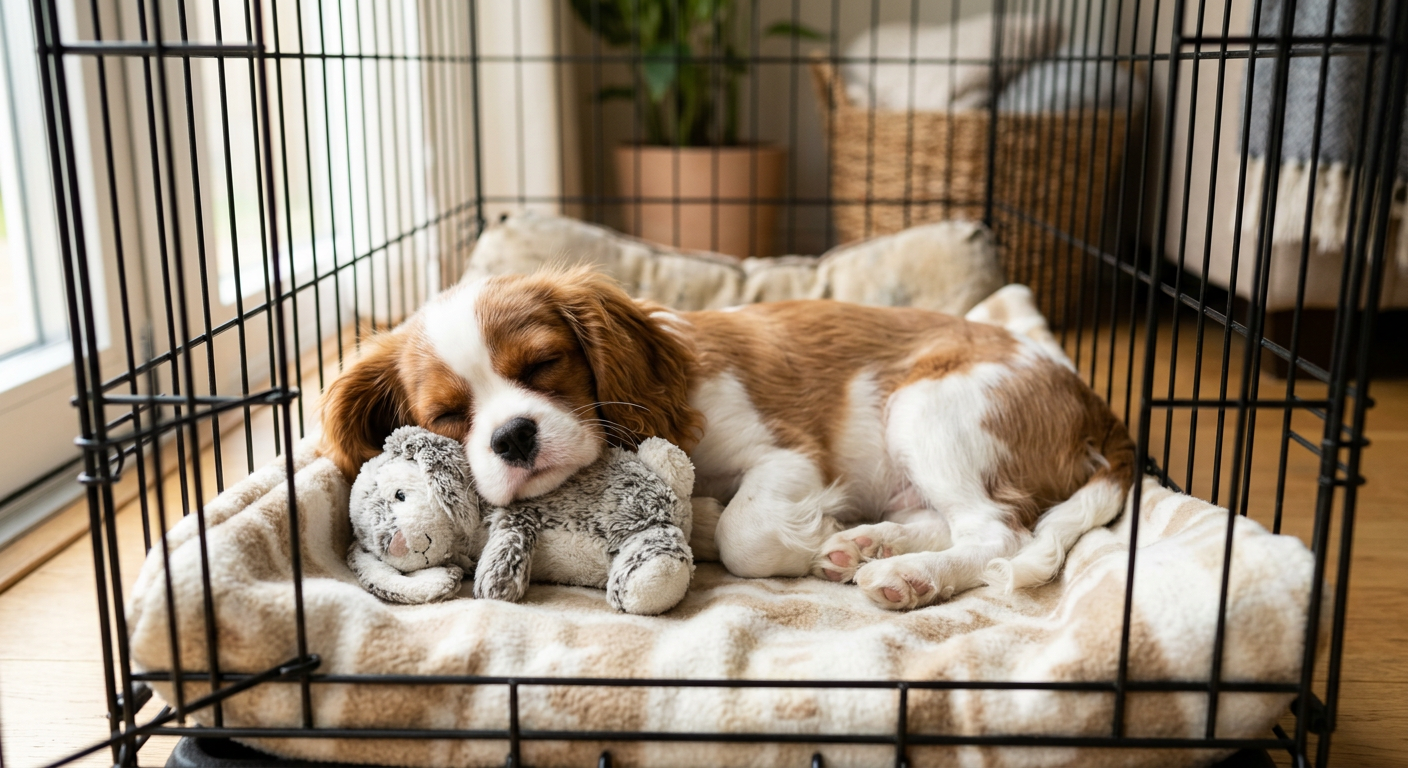
Since your puppy spends the vast majority of their life sleeping, providing a dedicated space is essential. A crate or a soft bed in a low-traffic area helps them feel secure. This security allows them to fall into the deep, restorative sleep they need for their immune system.
Consistency is key. Try to keep their bed in the same spot so they know exactly where to go when they feel the "puppy crash" coming on. If you have a busy household, remind family members—especially children—to let the puppy rest undisturbed. Interrupting sleep can lead to a "cranky" puppy and may hinder their learning capacity.
Daytime Naps vs. Nighttime Sleep
New owners often worry that too many daytime naps will prevent the puppy from sleeping at night. Interestingly, for puppies, sleep often begets sleep. An overtired puppy can actually become hyperactive and find it harder to settle down at night.
Establishing a routine that alternates between short bursts of play and scheduled nap times can help regulate their internal clock. Eventually, as they mature, they will naturally begin to consolidate their sleep into longer stretches through the night, much like the patterns seen in adult dogs.
The Evolution of Sleep as They Grow
As your puppy transitions into adolescence, you will notice their "batteries" last a lot longer. They may drop from 20 hours of sleep down to 14 or 15 hours. This shift usually happens gradually over their first year of life.
You can monitor these changes by comparing different stages of childhood. For example, comparing the needs of a young Beagle vs Poodle can show how breed traits influence temperament and rest. Regular check-ups with your vet will ensure that these transitions are happening at a healthy pace for your specific dog.
Conclusion
It is easy to worry when you see your new friend snoozing the day away, but remember that for a puppy sleeping too much is that normal part of their journey toward adulthood. These hours of rest are when the real magic of growth and brain development happens. By providing a safe, quiet place for them to recharge, you are supporting their long-term health and happiness.
Always trust your instincts as a pet parent. If your pup's rest seems deeper than usual or they lose their sparkle when awake, a quick call to your veterinarian can offer peace of mind. Otherwise, enjoy those quiet moments of puppy peace—they grow up faster than you think!