Bringing a new puppy home is a journey filled with cuddles, playtime, and the sweet scent of "puppy breath." However, many new pet parents find themselves asking, why does my puppy have bad breath so young, when that milky scent turns into something a bit more pungent. While we don't expect minty freshness from our canine companions, a strong or unpleasant odor from a young dog's mouth often signals that something in their oral environment is changing.
Understanding the transition from early puppyhood to adolescence helps clarify why these olfactory changes occur. Most of the time, these shifts are a natural part of development, but staying observant is key to proactive care. By monitoring your puppy’s mouth, you can ensure they grow into a healthy adult with a bright smile.
The Teething Process and Oral Odors
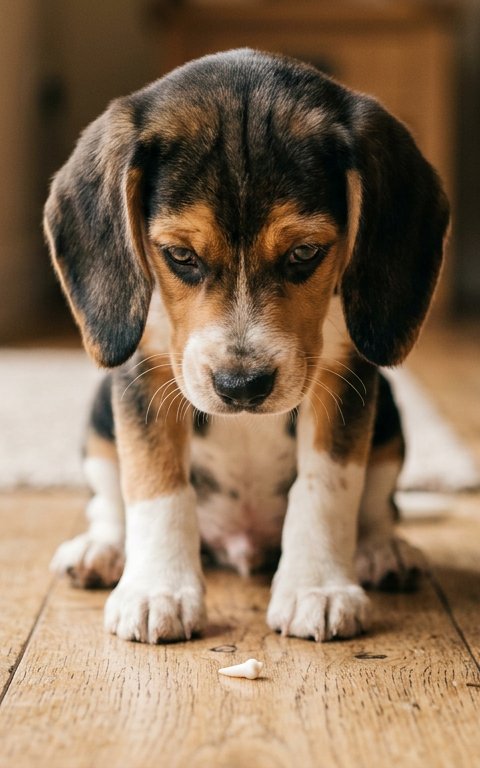
One of the most common reasons a young dog develops a temporary scent in their mouth is teething. Just like human infants, puppies go through a significant physical transition as their deciduous (baby) teeth fall out to make room for permanent adult teeth. This process typically occurs between four and six months of age.
During this window, the gums can become slightly inflamed or sensitive. As the adult teeth push through, small amounts of blood may be released, and bacteria naturally gravitate toward these areas of transition. This combination often results in a distinct, metallic, or slightly musty smell that pet parents notice during playtime.
Retained Baby Teeth
Sometimes, a baby tooth refuses to budge even when the adult tooth is ready to emerge. This is known as a retained deciduous tooth. These "extra" teeth create tight crevices where food particles and hair can become trapped, leading to a localized buildup of bacteria. If you notice a double row of teeth, it is a good idea to chat with your veterinarian during a wellness check.
Gum Sensitivity
As the jaw grows and teeth shift, the soft tissues undergo a lot of stress. You might notice your puppy drooling more than usual or seeking out cold items to chew on. This extra saliva, combined with the normal bacterial flora of the mouth, can contribute to a stronger scent than you might have experienced during their first few weeks at home.
Dietary Habits and Explorer Behavior
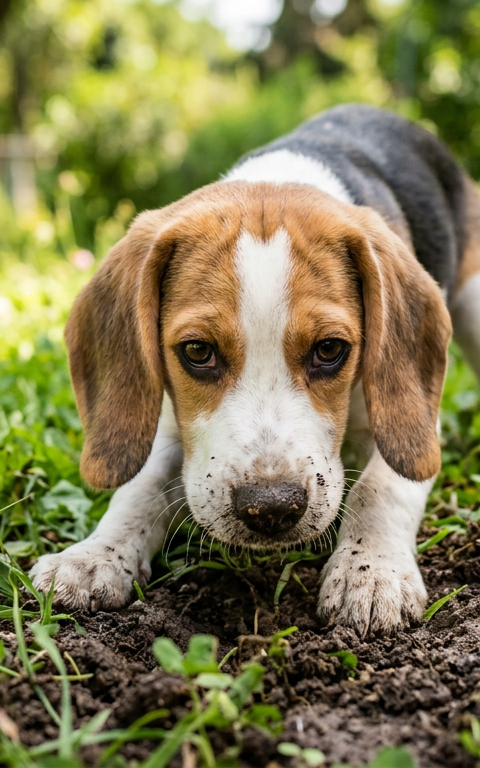
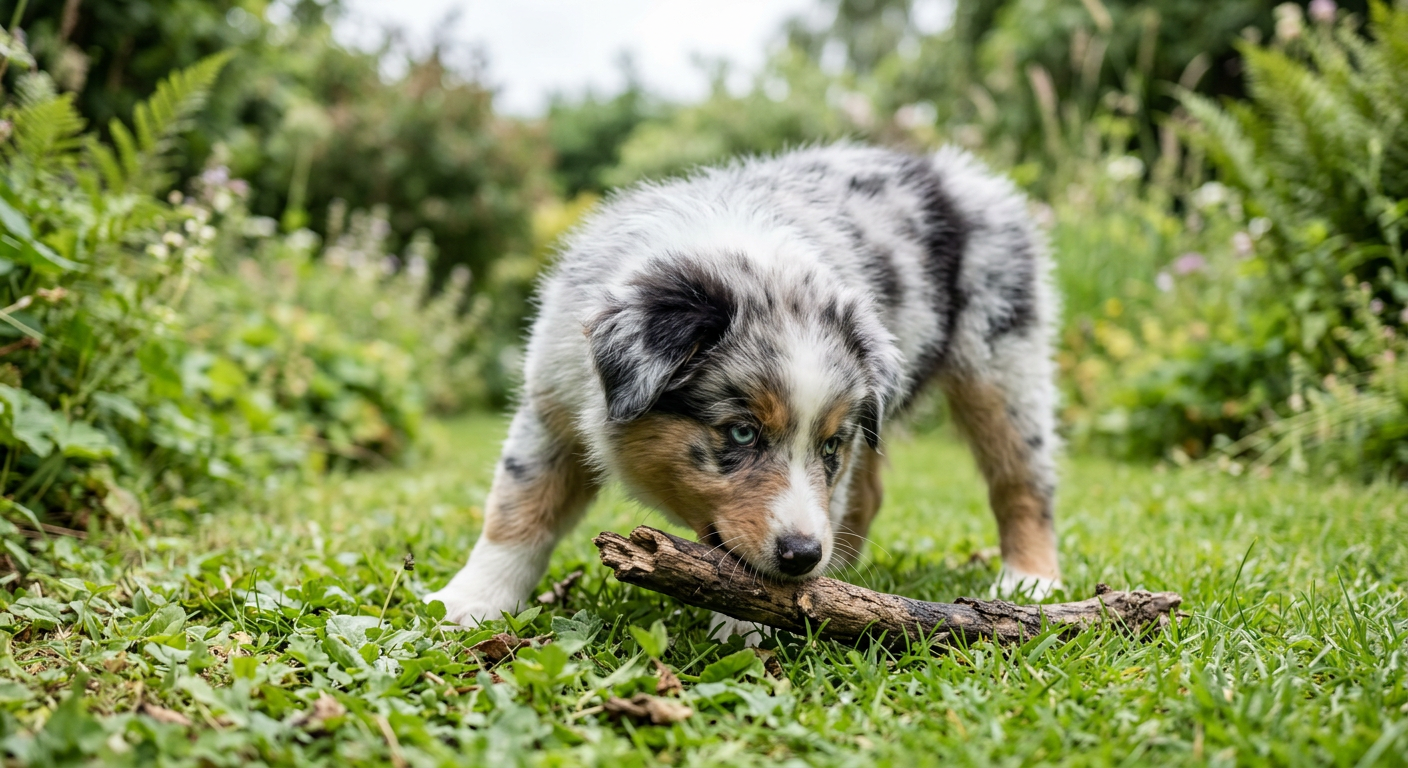
Puppies are famous for exploring the world with their mouths. This "oral exploration" is how they learn about textures, tastes, and their environment. However, what they choose to investigate can directly impact the freshness of their breath. If you are wondering why your puppy's breath is less than pleasant, look at what they might be picking up in the backyard.
From sticks and mulch to less savory items, puppies aren't always discerning eaters. Dietary indiscretion—the technical term for eating things they shouldn't—is a leading cause of temporary bad breath. If your puppy enjoys "snacking" during walks, the odor is likely a direct result of their recent discoveries.
- Coprophagia: This is the habit of eating stool, which is common in puppies but can lead to very strong oral odors.
- High-Protein Diets: Certain puppy kibbles with very high protein or fish oil content can leave a lingering scent.
- Trapped Debris: Small pieces of sticks or fabric from toys can get wedged between teeth, collecting bacteria over time.
For more information on curious puppy behaviors, you might be interested in learning why does my puppy eat dirt outside. Understanding these habits helps you manage their environment and keep their breath smelling better.
Early Plaque and Tartar Buildup
While we often associate dental disease with older dogs, the foundations of oral health start early. Even in young dogs, a film of bacteria known as plaque begins to form on the teeth shortly after eating. If this isn't disrupted by chewing or brushing, it can begin to mineralize into tartar.
If your puppy has a misaligned bite—common in breeds like the French Bulldog—teeth may overlap in ways that make natural cleaning through chewing difficult. In these cases, plaque can accumulate faster than expected, leading to early-onset halitosis.
The Role of Microbiomes
The mouth is home to a complex ecosystem of microbes. In a healthy puppy, these bacteria live in balance. However, if the puppy is stressed, transitioning to new food, or dealing with a minor upset, this balance can shift. A dominance of certain types of bacteria will produce sulfur compounds, which are the primary culprits behind that "rotten egg" smell.
Wellness Considerations Beyond the Mouth
Sometimes, the source of the odor isn't the teeth or gums at all. Because the digestive tract and the respiratory system both connect to the throat, issues in these areas can manifest as bad breath. If your puppy's breath smells sweet, fruity, or like ammonia, these are signs that require a prompt veterinary consultation.
Proactive care involves looking at the whole puppy. For instance, if you notice your puppy is limping but not crying, you would naturally look for a physical cause; the same logic applies to changes in breath. It is a signal from the body that something is different.
Digestive Health
If a puppy has a sensitive stomach or is struggling with gas, the odors from the stomach can travel upward. This is often accompanied by other signs like a gurgling tummy or soft stools. Ensuring your puppy is on a high-quality, age-appropriate diet is the first step in managing gut-related breath issues.
Oral Injuries
Because puppies chew everything, they can sometimes scratch their gums or the roof of their mouth on sharp toys or sticks. These minor abrasions can develop a scent as they heal. Always inspect your puppy's mouth gently once a week to ensure the tissue looks pink and healthy rather than red or swollen.
How to Improve Your Puppy's Breath
The good news is that most cases of puppy breath changes are easily managed with a consistent routine. Establishing good habits now will pay off for years to come, especially for breeds prone to dental issues like the Yorkshire Terrier.
- Start Brushing Early: Use a finger brush and dog-safe toothpaste to get your puppy used to the sensation. This prevents plaque buildup before it starts.
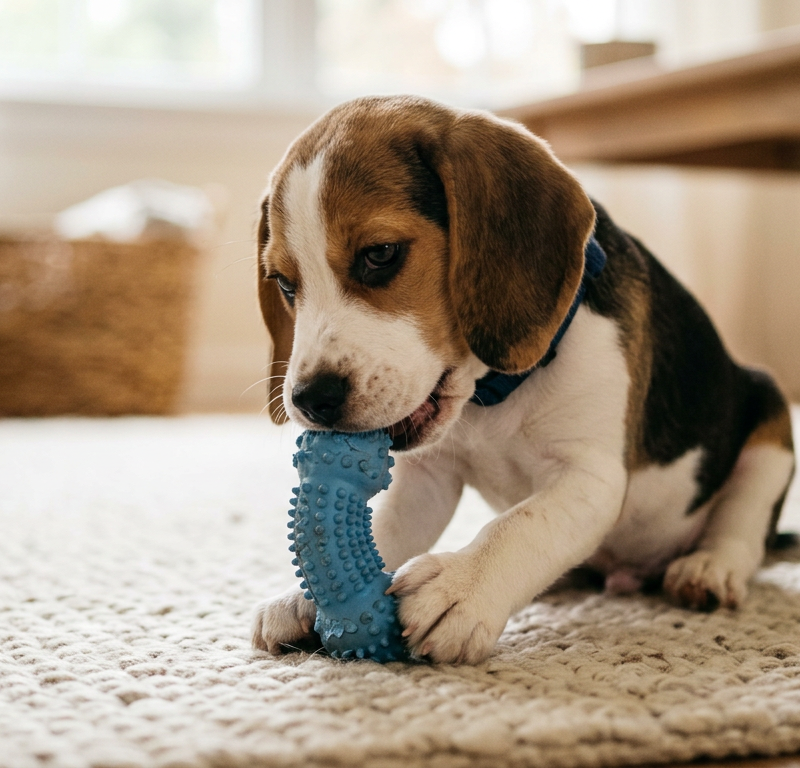
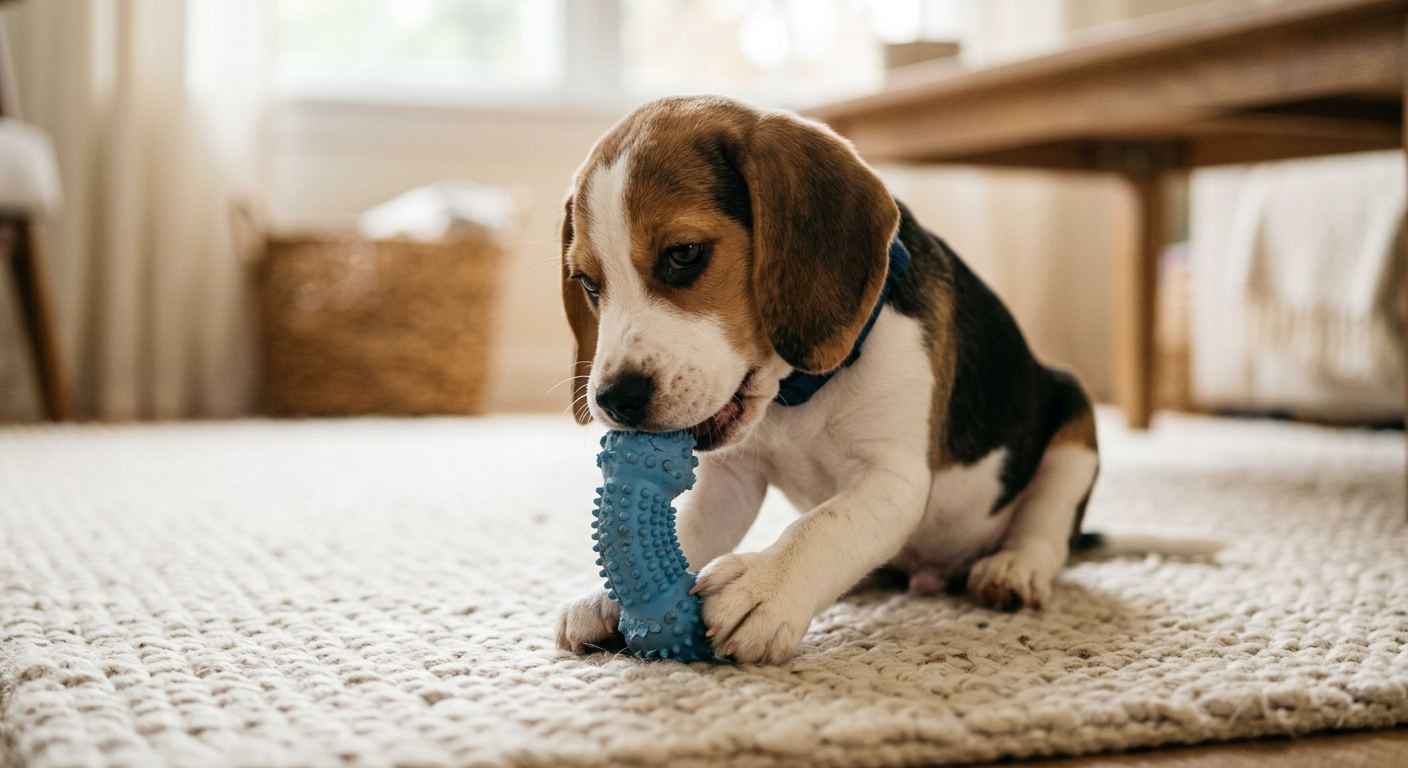
- Provide Safe Chew Toys: Rubber toys designed for teething help scrub the teeth and soothe sore gums.
- Monitor Outdoor Time: Keep an eye on what your puppy picks up in the yard to prevent them from eating foul-smelling items.
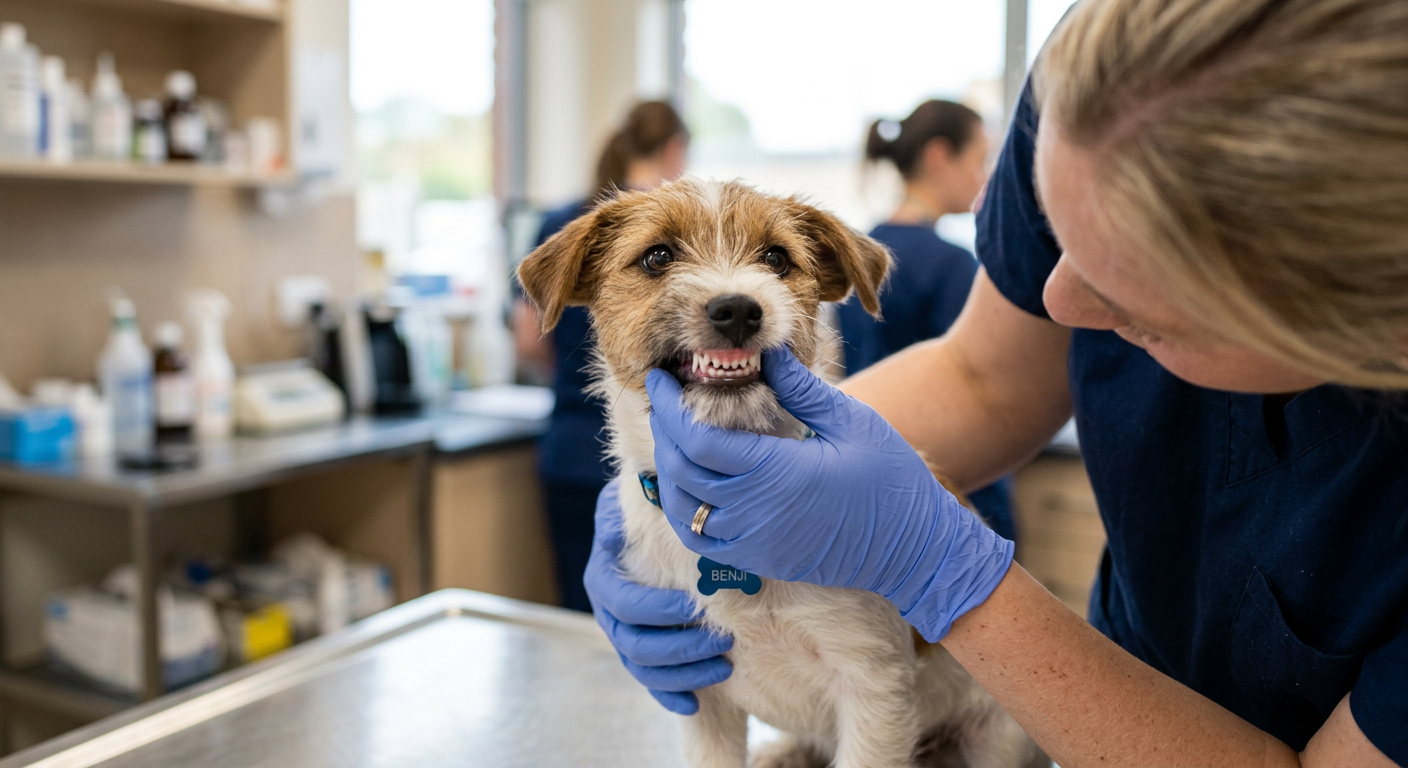
- Regular Vet Checks: Ensure your vet inspects your puppy's mouth during every vaccination visit to catch retained baby teeth early.
Summary of Puppy Breath Changes
So, why does my puppy have bad breath so young? Most often, it is a combination of teething, oral exploration, and the natural development of their oral microbiome. While the sweet "puppy breath" of the first few weeks eventually fades, it should be replaced by a neutral scent rather than a foul one.
By staying proactive with dental hygiene and monitoring their chewing habits, you can keep your puppy's mouth healthy. If the odor is persistent, very strong, or accompanied by changes in eating habits, always consult your veterinarian to ensure your furry friend is on the right track to wellness.