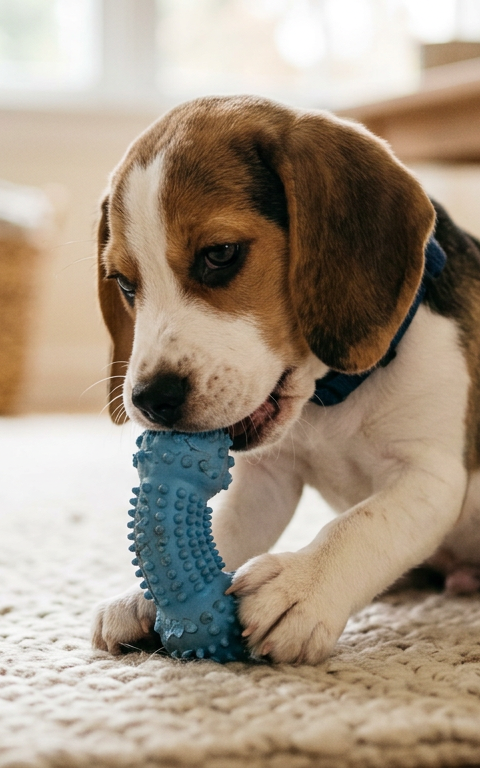
Bringing home a new furry friend is one of life’s greatest joys, but it also comes with a learning curve as you navigate their development. One common phase that often surprises new owners is when you notice your puppy losing teeth and not eating their usual meals. This period is a significant milestone in your dog's life, signaling their transition from babyhood to adolescence.
Teething is a natural process that every dog undergoes, yet it can be a bit uncomfortable for them. Understanding why your puppy might be hesitant to approach their food bowl can help you provide the right support. By making small adjustments to their routine and diet, you can ensure they remain healthy and happy during this developmental stage.
While a decrease in appetite during teething is often normal, it is important to monitor your pet closely. If you ever feel concerned about their nutritional intake or overall wellness, reaching out to your veterinarian is the best way to gain peace of mind and professional guidance tailored to your specific breed, such as a Golden Retriever or a smaller toy breed.

Understanding the Puppy Teething Process
Puppies are born without teeth, but their primary (milk) teeth begin to emerge around three to four weeks of age. By the time they are eight weeks old, most have a full set of 28 baby teeth. However, these sharp little needles are only temporary fixtures designed to help them transition to solid food.
As your dog grows, their permanent adult teeth begin to push through the gums, causing the baby teeth to fall out. This typically starts around four months of age and can continue until they are six or seven months old. During this window, you might find tiny teeth on the floor or notice small spots of blood on their favorite chew toys.
The pressure of adult teeth emerging can cause gum inflammation and tenderness. This discomfort is the primary reason for a puppy losing teeth and not eating with their usual enthusiasm. Imagine trying to eat a crunchy snack while your gums are sore; you would likely be a bit hesitant too.
Signs Your Puppy is Struggling with Teething
Aside from a change in eating habits, there are several other indicators that your puppy is going through the teething phase. Recognizing these signs early can help you differentiate between normal growth and other wellness considerations like unexplained discomfort or lethargy.
- Increased Chewing: You may notice your pet gnawing on furniture, shoes, or even your hands more than usual to relieve gum pressure.
- Excessive Drooling: The irritation in the mouth can stimulate the salivary glands, leading to more "wet" kisses.
- Red or Swollen Gums: If you gently lift their lip, you might see localized redness where a new tooth is breaking through.
- Mild Irritability: Just like human infants, puppies can get a little "cranky" when they are in pain.
- Pawing at the Face: Some dogs will rub their muzzle or paw at their mouth to soothe the itching sensation.
If you notice these behaviors along with a temporary lack of appetite, it is likely just a standard part of their growth. However, if your pet seems truly unwell or exhibits signs like excessive sleeping beyond the typical puppy nap, a quick vet check is recommended.
Why Teething Affects Their Appetite
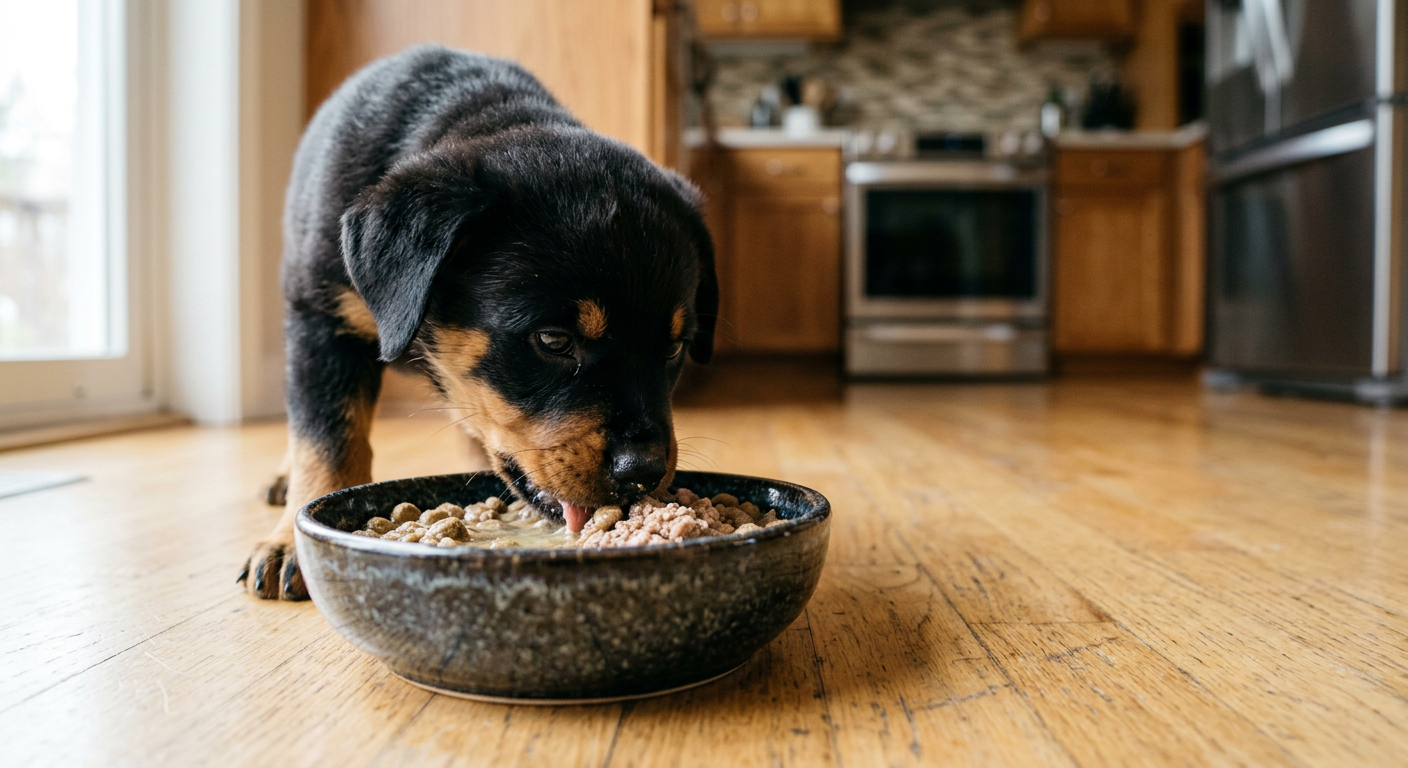
The main reason a puppy might stop eating during this time is physical discomfort. Traditional dry kibble is hard and requires significant jaw pressure to break down. When the gums are inflamed, the act of crunching can be painful, leading the puppy to associate their food bowl with discomfort.
In some cases, a loose tooth might be dangling or caught, making it difficult for the puppy to close their mouth comfortably. This can result in them dropping food or walking away from the bowl entirely. It isn't that they aren't hungry; they are simply trying to avoid the sharp sensations associated with chewing.
Furthermore, the hormonal changes occurring during this growth spurt can sometimes cause mild digestive shifts. While not as common as physical mouth pain, some puppies simply feel a bit "off" while their bodies work hard to develop their adult set of 42 teeth. This is a great time to compare their development to breed standards, such as looking at a Labrador vs German Shepherd growth rate.
Helping Your Puppy Eat During Teething
If your puppy is losing teeth and not eating their dry kibble, there are several proactive steps you can take to encourage them. The goal is to reduce the mechanical effort required to eat while maintaining their caloric intake for healthy growth.
One of the most effective methods is softening their food. You can add warm water or low-sodium chicken broth (ensure it contains no onions or garlic) to their kibble and let it sit for 15 minutes. This creates a soft mash that is much easier on sensitive gums. Some owners also find success switching temporarily to a high-quality canned wet food.
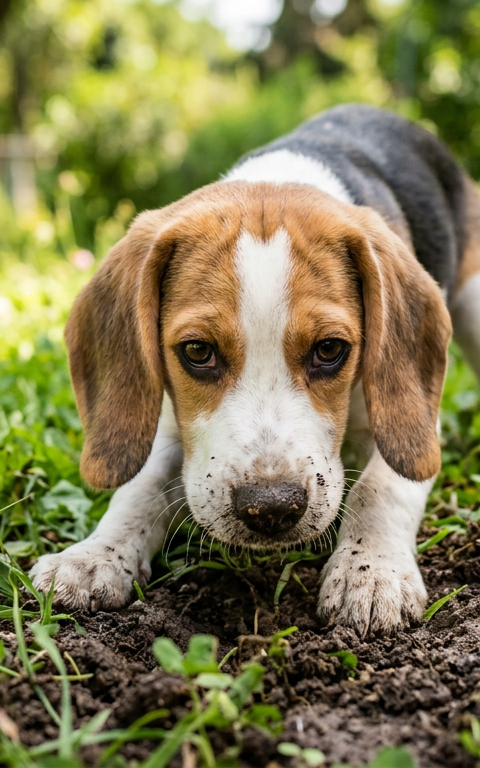
Another helpful tip is to offer chilled or frozen treats. A cold carrot or a frozen damp washcloth (supervised) can numb the gums, providing temporary relief before mealtime. If your puppy is also showing odd behaviors like eating dirt, it could be a sign they are seeking minerals or different textures to soothe their mouth.
Appropriate Chew Toys for Relief
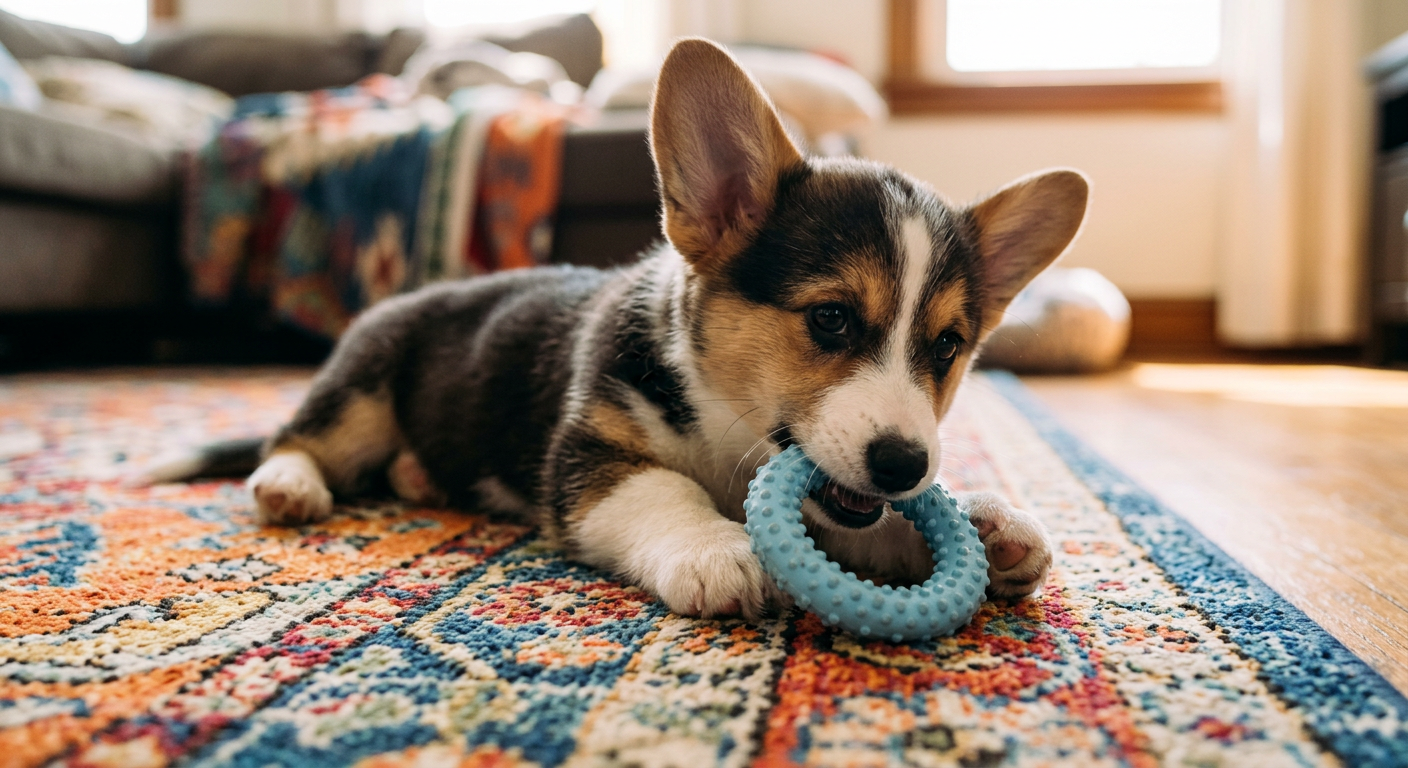
Providing the right outlets for chewing can actually help the teeth emerge faster and reduce overall pain. Look for toys specifically labeled for teething puppies, which are often made of softer rubber than adult toys. Avoid hard nylon bones or natural bones during this time, as they can be too rigid for delicate, shifting teeth.
- Rubber Teethers: These often have nubs that massage the gums as the puppy chews.
- Freezable Toys: Many toys are designed to be filled with water and frozen, providing a cooling effect.
- Soft Plush Toys: These are gentle on the mouth and can be a comfort during naps.
When to Consult a Veterinarian
While teething is a normal part of puppyhood, there are instances where professional intervention is necessary. If your puppy refuses to eat for more than 24 hours, it is time to call the vet. Prolonged lack of nutrition can lead to low blood sugar, especially in smaller breeds like the Yorkshire Terrier.
You should also seek advice if you notice "retained" baby teeth. This happens when an adult tooth emerges but the baby tooth refuses to fall out, leading to overcrowding. This can cause long-term dental issues if not addressed. Other red flags include a foul odor from the mouth—which is different from the typical "puppy breath"—or significant bleeding that does not stop quickly. If you've wondered why your puppy has bad breath, teething and retained food particles are often the culprits.
Finally, keep an eye on their weight. A teething puppy should not be losing weight. If you notice your puppy not gaining weight despite your efforts to soften their food, a veterinarian can rule out other underlying wellness issues or parasites.
Conclusion
Seeing your puppy losing teeth and not eating can be a little worrying, but in most cases, it is simply a sign that they are growing up. By offering softer foods, provide cooling chew toys, and being patient with their changing moods, you can help them navigate this transition with ease. Remember that this phase is temporary, and soon their strong adult teeth will be ready for a lifetime of treats and play. Always keep your vet in the loop for any concerns to ensure your companion gets the best start in life.