Discovering that your energetic companion is struggling to walk can be a deeply concerning moment for any pet owner. If you are asking why is my dachshund dragging back legs, it is important to understand that this specific breed has a unique anatomy that makes their spinal wellness a top priority. Their iconic long bodies and short legs, while charming, put a specific type of mechanical stress on their vertebrae.
Mobility issues in Doxies often appear suddenly or may develop gradually over a few days. While it can feel overwhelming, understanding the underlying causes and the proactive steps you can take is the first move toward helping your dog recover their strength. Early intervention and a calm approach to care are your best tools in supporting your furry friend through this journey.
In this guide, we will explore the common reasons behind hind limb weakness, how veterinarians diagnose these conditions, and the various paths to recovery available for your pet. Whether your dog is showing a slight "wobble" or a full loss of function, knowledge is the key to providing them with the best possible outcome.

Understanding Intervertebral Disc Disease in Dachshunds
The most common answer to why is my dachshund dragging back legs is Intervertebral Disc Disease, or IVDD. Because of their chondrodystrophic (short-limbed) build, Dachshunds are genetically predisposed to this condition. It occurs when the cushioning discs between the vertebrae either bulge or burst, putting pressure on the spinal cord.
When the spinal cord is compressed, the communication between the brain and the back legs is interrupted. This can manifest as scuffing the paws, a "drunk" or wobbly gait, or an inability to use the rear limbs entirely. Proactive management of your dog's back health is essential for this breed throughout their life.
The Stages of IVDD Severity
Veterinarians typically categorize spinal issues into stages to determine the best course of treatment. Stage one might involve mild discomfort without any loss of movement, while later stages involve varying degrees of paralysis. If your dog is dragging their feet, they are often in the middle to later stages of spinal compression.
It is helpful to check their age-related health milestones as well. You can use our dog age calculator (while designed for Frenchies, it offers perspective on life stages for other small breeds) to see how their maturity might impact their physical resilience. Many Doxies experience their first IVDD episode between the ages of 3 and 7.
Other Potential Causes for Hind Limb Weakness
While IVDD is the primary suspect for this breed, it is not the only reason a dog might lose function in their rear end. Muscle strains, ligament tears, or even severe arthritis can cause a dog to favor their legs or struggle to stand. However, dragging the limbs usually points toward a neurological issue rather than a simple orthopedic injury.
Degenerative Myelopathy (DM) is another condition to consider, though it is less common in Dachshunds than in breeds like the German Shepherd. DM is a slow, progressive disease of the spinal cord that is generally painless but leads to a gradual loss of coordination. Your vet can help differentiate between a sudden disc event and a slower degenerative process.
Evaluating Wellness Considerations
- Recent Trauma: A jump off a high sofa or a fall down stairs can trigger a disc herniation or spinal bruising.
- Systemic Health: Sometimes, metabolic issues or infections like Tick-Borne diseases can cause temporary weakness.
- Age-Related Wear: Just like humans, older dogs can develop stenosis or narrowing of the spinal canal.
If you are exploring other breed-specific quirks, you might find our article on Chihuahua shaking behaviors interesting, as it highlights how different small breeds express physical discomfort or neurological traits.
Immediate Steps to Take for Your Dog
If you notice your dog dragging their back legs, the first and most crucial step is to restrict their movement immediately. This means placing them in a small crate or a confined area with soft bedding. Do not allow them to jump, run, or climb stairs, as further movement can exacerbate a spinal injury.
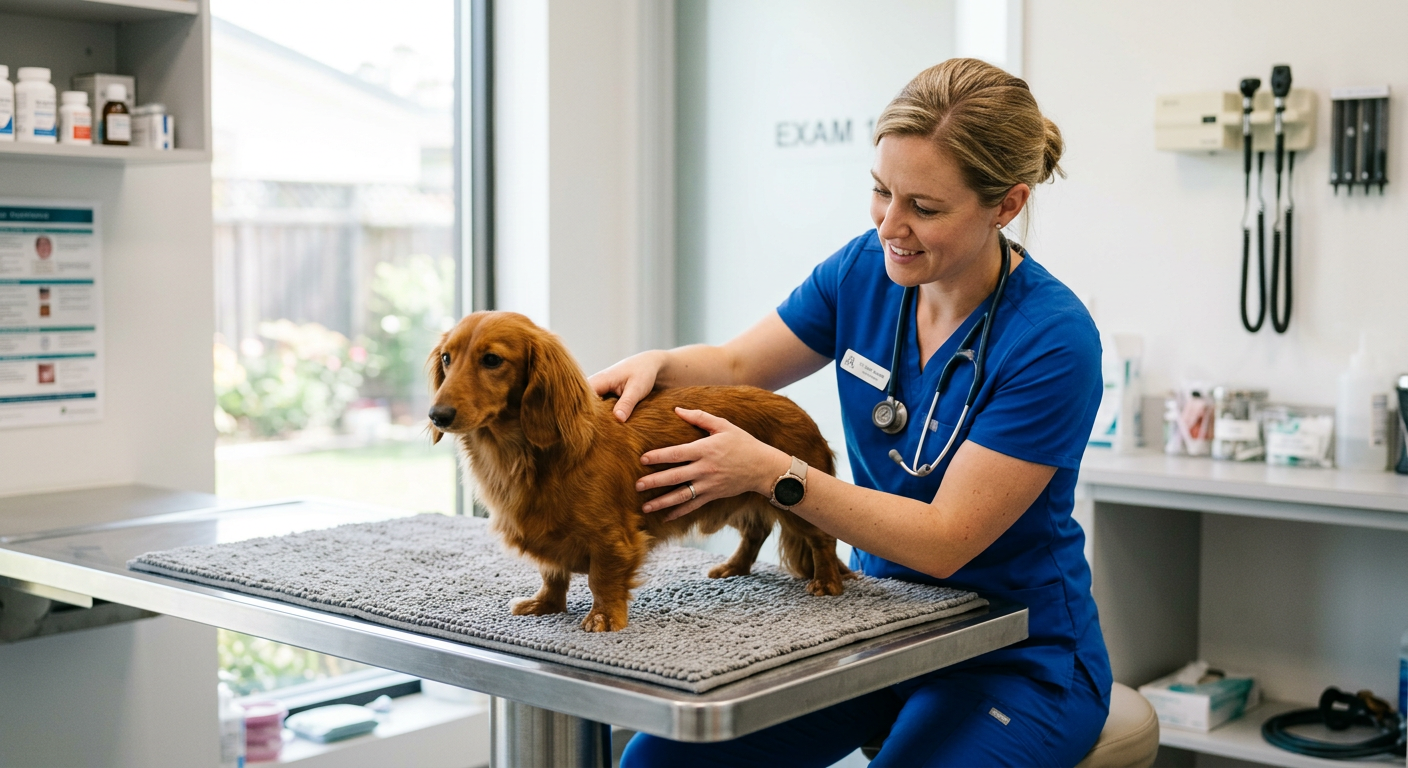
Please consult a veterinarian as soon as possible. Spinal issues are time-sensitive, and reaching a professional within the first 24 hours can significantly improve the chances of a full recovery. They may perform a neurological exam to check for "deep pain sensation," which is a vital indicator of spinal cord health.
Creating a Safe Home Environment
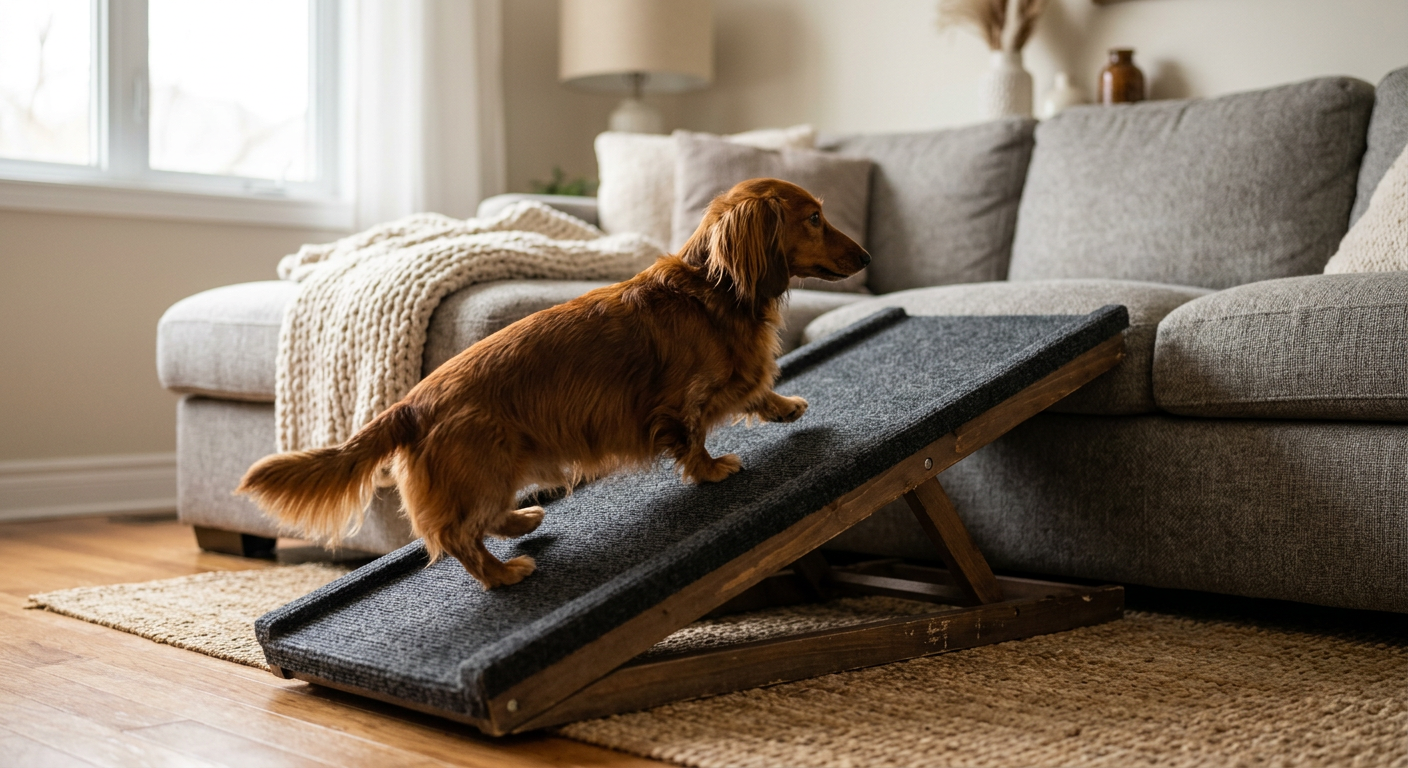
Transitioning to life with a dog that has limited mobility requires some adjustments to your home. Using ramps instead of stairs and placing rugs over slippery hardwood floors can help your dog navigate safely. For more tips on breed-specific needs, check out common behavior and health questions for small dogs.
Treatment Options and Recovery Paths
There are two primary ways to treat a dachshund dragging back legs: conservative management and surgical intervention. Medical or "conservative" management involves strict crate rest for 4 to 8 weeks, accompanied by anti-inflammatory medications and pain relief. This allows the body time to heal the disc and reduce swelling naturally.
Surgery is often recommended for dogs that have lost the ability to walk or those who do not respond to rest. A veterinary surgeon can remove the material pressing on the spinal cord. While surgery can be a larger investment, it often provides the fastest relief for severe compression and helps prevent future episodes in that specific area of the spine.
Physical Rehabilitation and Wellness
Regardless of the treatment path, physical therapy plays a huge role in recovery. Professionals may use underwater treadmills, laser therapy, and specific stretching exercises to help rebuild muscle and nerve pathways. Many dogs who have experienced back leg dragging go on to live very happy, mobile lives with the help of these therapies.
Maintaining Long-Term Spinal Health
Preventative care is the best way to support your Dachshund’s back. Keeping your dog at an ideal weight is perhaps the most important factor, as extra pounds put unnecessary strain on the spine. Regular, low-impact exercise like walking helps keep the core muscles strong, which in turn supports the vertebral column.
You may also consider using a harness instead of a collar to reduce pressure on the neck and upper back. Simple lifestyle changes, such as discouraging jumping off furniture by using pet ramps, can make a world of difference in the long-term wellness of your Doxie.
Seeing your pet struggle is difficult, but many options exist to help your dachshund dragging back legs regain their quality of life. By staying observant and working closely with your veterinary team, you can navigate these mobility challenges with confidence and care.