Every dog has a unique personality, but certain patterns of behavior are often linked to their genetic heritage. Understanding common behavior questions specific to popular dog breeds helps pet parents provide better care and training. Whether you are wondering why your retriever carries shoes or why your shepherd is so vocal, these quirks are usually rooted in the historical roles these dogs were bred to perform.
By learning about these breed-specific traits, you can build a deeper bond with your companion. Professional trainers and veterinarians often emphasize that recognizing a dog's natural instincts is the first step toward a harmonious household. If you are curious about how your dog's development aligns with their human age, you can check our Golden Retriever age calculator to see where they are in their life journey.
Retrievers and Their Love for Carrying Objects
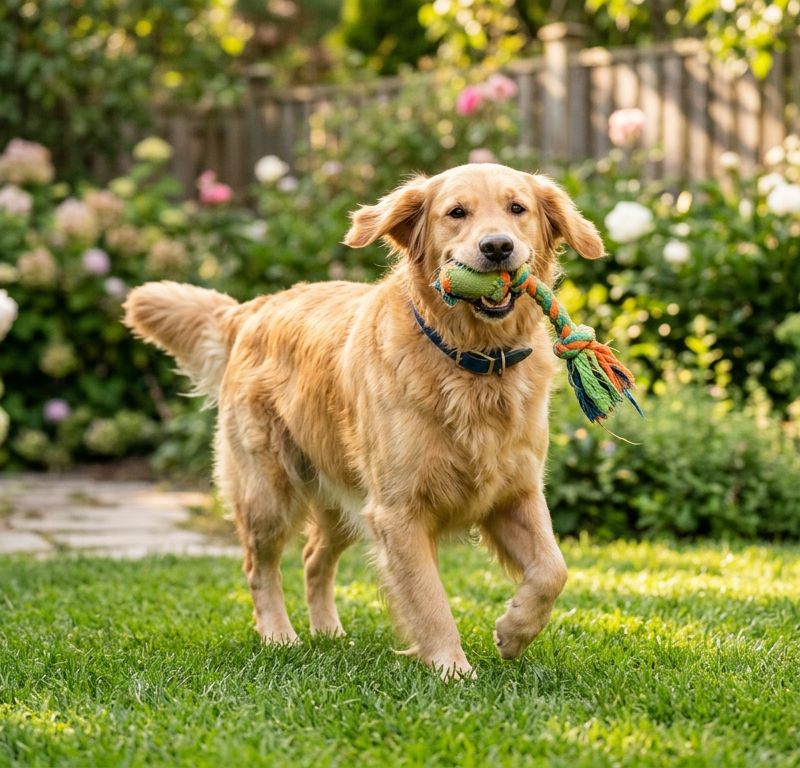
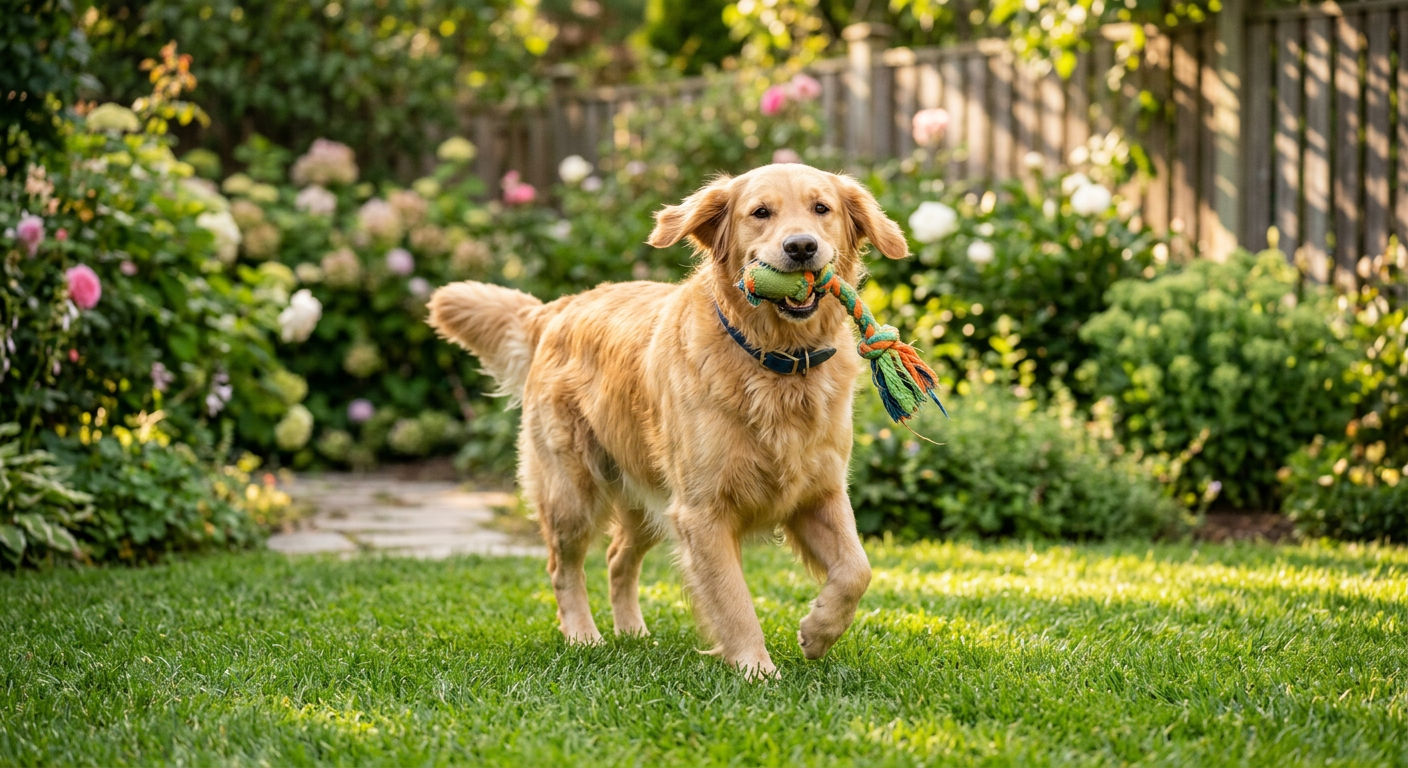
One of the most frequent common behavior questions specific to popular dog breeds involves the Golden Retriever and Labrador Retriever’s habit of "mouthiness." These dogs were originally bred to retrieve waterfowl, which required a soft mouth and a strong desire to hold things. Today, this manifests as a dog that greets you at the door with a slipper, a toy, or even a leaf.
This behavior is rarely a sign of aggression or a desire to chew up your belongings. Instead, it is a self-soothing mechanism and a way to show affection. Retrievers feel most secure and useful when they have a "job" to do, even if that job is simply holding a tennis ball during a walk. You can learn more about how Labs compare to other popular family dogs by visiting our Labrador vs Golden Retriever comparison page.
Managing Mouthy Behavior
If your retriever is a bit too enthusiastic with their mouth, redirecting that energy is key. Always ensure they have access to safe, durable toys that they are encouraged to carry. This proactive approach honors their instinct without compromising your footwear.
Herding Breeds and the Urge to Chase
German Shepherds, Border Collies, and Australian Shepherds often generate common behavior questions specific to popular dog breeds regarding их tendency to "nip" at heels or chase moving objects. These dogs were developed to move livestock, which requires high intelligence and a keen focus on movement. When these instincts aren't channeled into a specific task, they may try to "herd" children, other pets, or even bicycles.
This behavior is a sign of a sharp mind looking for work. Providing mental stimulation is just as important as physical exercise for these breeds. Interactive puzzles and herding-style games like Treibball can give them a healthy outlet for these ancient urges. To track the milestones of a shepherd-type dog, visit our German Shepherd age calculator.
Focus and Training Needs
Herding dogs thrive on clear communication. Because they are so sensitive to movement and body language, they respond exceptionally well to positive reinforcement training. Consistent routines help them feel that their "flock" (your family) is safe and organized.
Small Breed Quirks and Lap Dog Logic
Small dogs like French Bulldogs and Yorkshire Terriers come with their own set of common behavior questions specific to popular dog breeds. Frenchies are known for their "zoomies" and expressive vocalizations, while Yorkies often show a surprising amount of bravery for their size. These traits are often a mix of their terrier backgrounds and their modern roles as cherished companions.
Many owners ask why their small dogs seem so alert to noises outside the door. Many of these breeds served as "alarm dogs" historically. While they might be small, their instinct to protect their territory is significant. You can compare the needs of different small breeds in our French Bulldog vs Yorkie comparison guide.
The Frenchie Vocalization
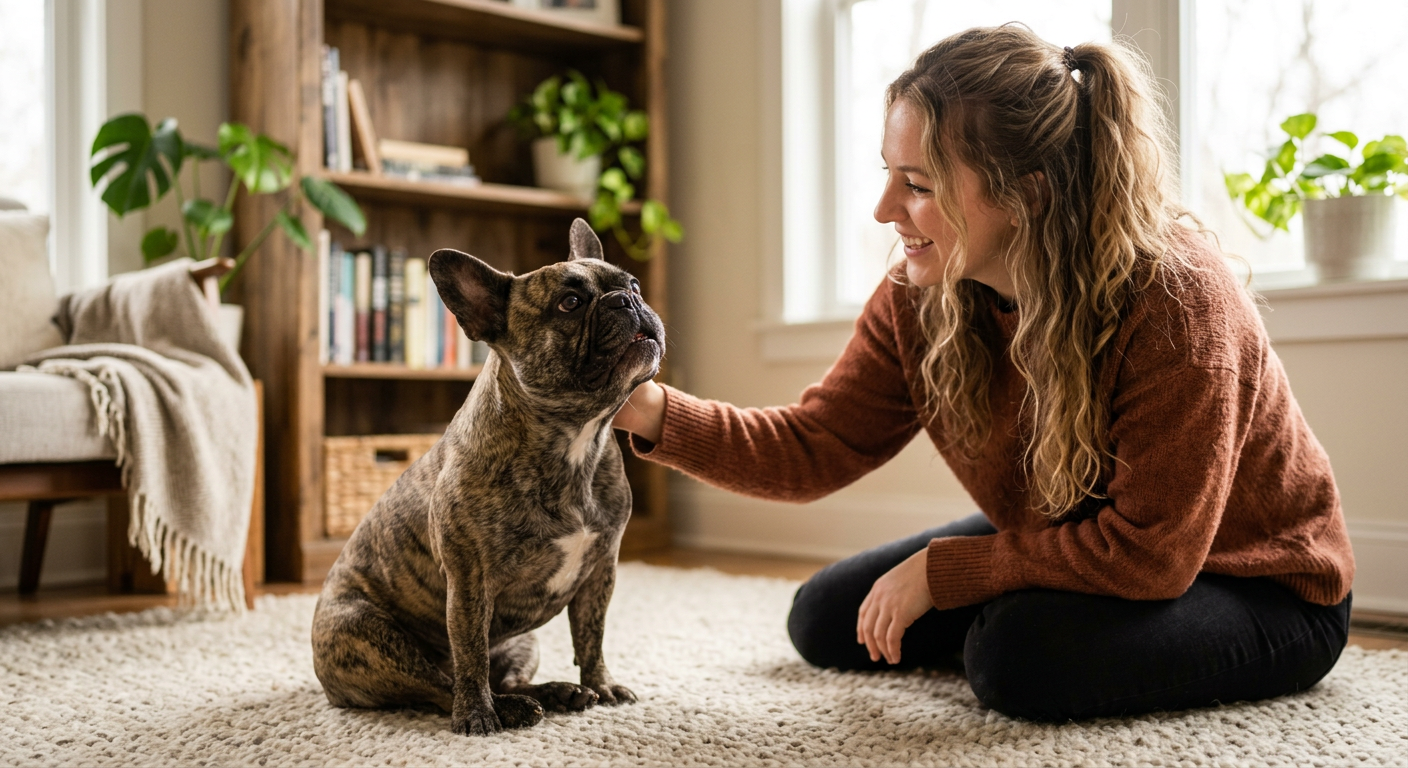
French Bulldogs are famous for "talking." They use a variety of snorts, grumbles, and yips to communicate their needs. This isn't usually a sign of distress but rather a unique breed trait used to gain your attention. Understanding their "vocabulary" is part of the joy of owning one.
Working Breeds and Their Protective Nature
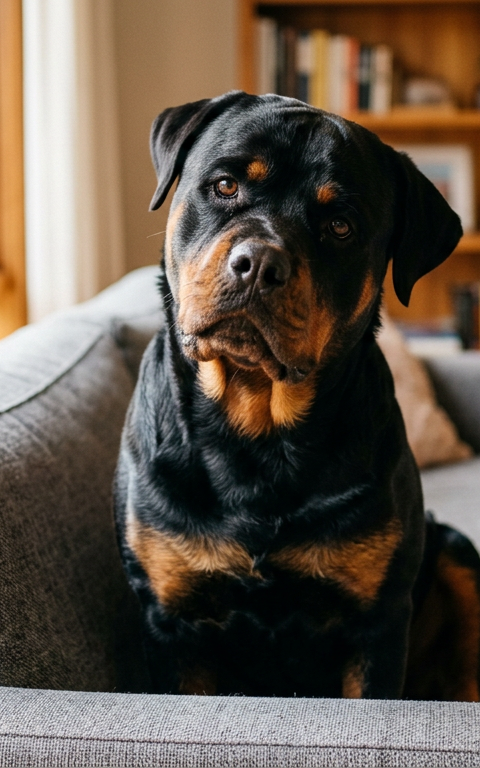
Breeds like the Doberman Pinscher and Rottweiler often prompt common behavior questions specific to popular dog breeds related to their watchful nature. These dogs are deeply loyal and tend to form a very strong bond with one or two primary caregivers. They were bred to be guardians, so they are naturally more observant of strangers and new environments.
Proactive socialization is vital for working breeds. Introducing them to a wide variety of people, places, and sounds from a young age helps them distinguish between normal activities and something that actually requires their attention. For more on how Dobermans compare to other protective breeds, see our Doberman vs Rottweiler comparison.
Confidence Building
A confident working dog is a calm working dog. Engaging them in obedience training or scent work builds their self-esteem. When these dogs have a clear understanding of their role within the family "pack," they are incredibly gentle and reliable companions.
Scent Hounds and the Power of the Nose
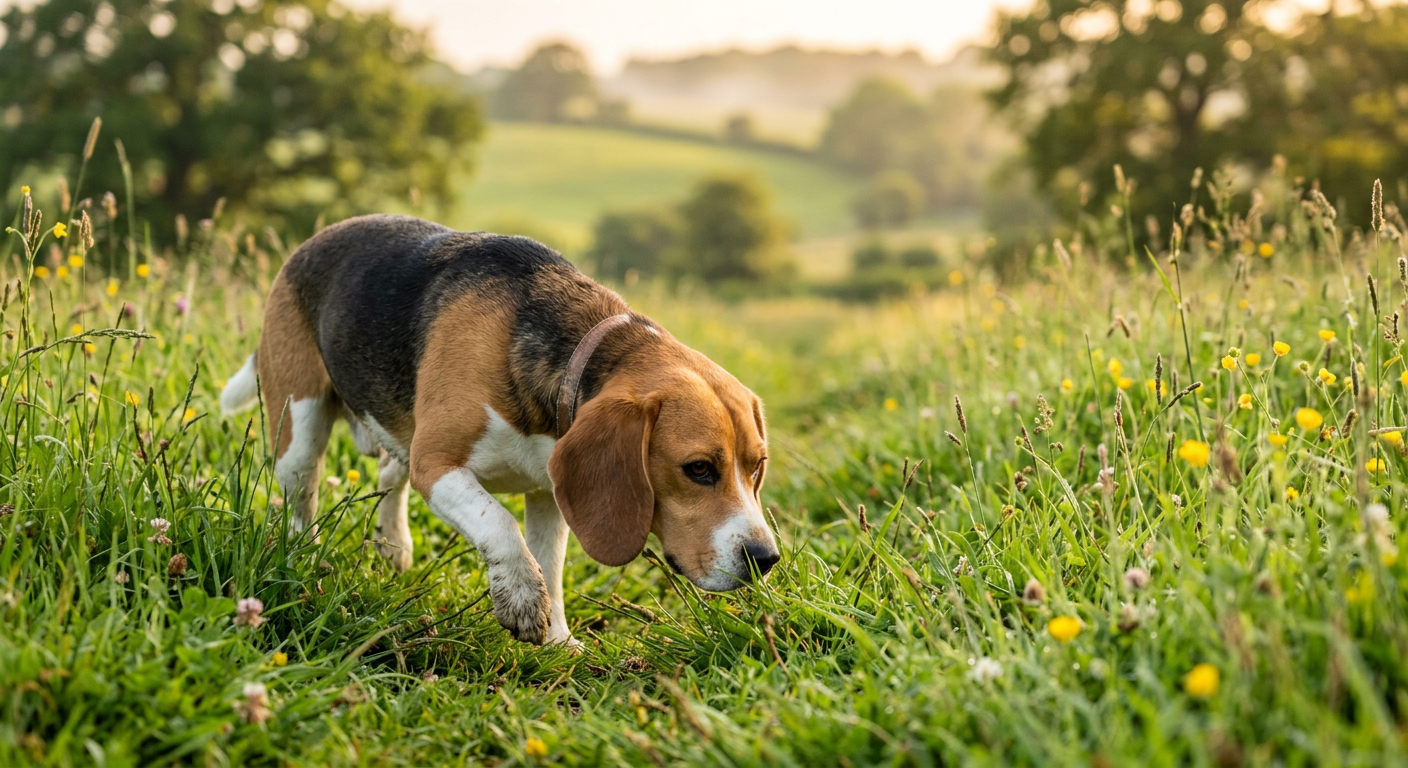
Beagles and other scent hounds frequently lead owners to ask common behavior questions specific to popular dog breeds about why they "shut down" or ignore commands while on a walk. The answer is simple: their nose has taken over. When a hound picks up a scent, their brain prioritizes that olfactory information over auditory commands.
Tugging on the leash or getting frustrated usually doesn't help. Instead, incorporating "sniffaris" into your routine—walks where the dog is allowed to choose the path and sniff to their heart's content—can satisfy this biological need. This makes them much more likely to listen during the "structured" parts of your walk.
Giant Breeds and Their Gentle Pace
The Great Dane and Bernese Mountain Dog are often called "gentle giants," but they still inspire common behavior questions specific to popular dog breeds. One common inquiry is why such large dogs often try to sit on their owners' feet or lean against their legs. This "leaning" is actually a sign of affection and a way for the dog to stay physically connected to their person.
Because they grow so quickly, it is important to monitor their physical activity to ensure their joints develop properly. Using a Great Dane age calculator can help you understand the appropriate exercise levels for their current life stage. These dogs may be big, but they are often the most sensitive members of the canine world.
Understanding Instinctual Differences
When searching for answers to common behavior questions specific to popular dog breeds, it helps to look at the history of the breed's group. Sporting dogs, hounds, terriers, and working dogs all have different "hard-wired" behaviors. A behavior that seems like a problem in one breed might be a perfectly normal trait in another.
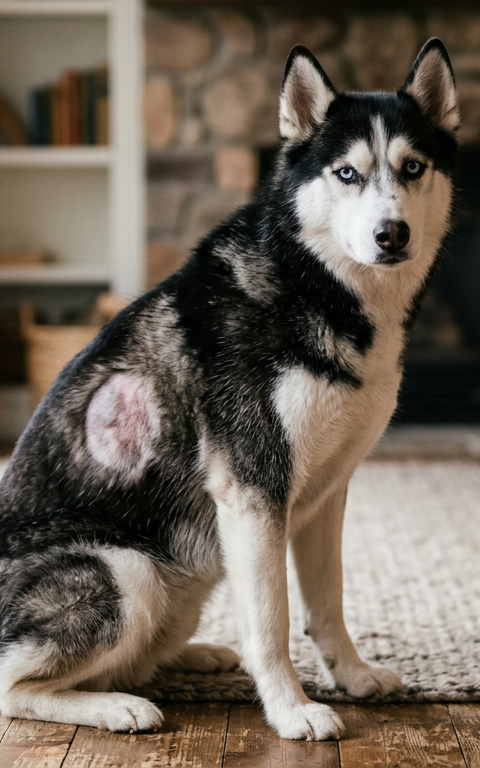
For instance, a Siberian Husky’s tendency to howl isn't usually a sign of pain, but a social behavior inherited from their pack-oriented ancestors. To learn more about their unique development, check out our Siberian Husky age calculator. Embracing these differences allows for a more tailored approach to training and wellness.
Building a Collaborative Relationship
The most successful pet parents are those who work with their dog's instincts rather than against them. If you have concerns about a specific behavior, always consult a veterinarian or a certified animal behaviorist. They can provide personalized guidance to ensure your pet is healthy and happy.
In conclusion, the common behavior questions specific to popular dog breeds usually find their answers in biology and history. From the retriever's mouthiness to the hound's nose, these traits are what make our dogs who they are. By acknowledging and supporting these natural tendencies, we create an environment where our pets can truly thrive.