
As a proud pet parent, you quickly learn that Frenchies are one of the most expressive and charming breeds in the canine world. However, if you have recently found yourself asking "why is my French Bulldog breathing so loud," you are certainly not alone. These small but mighty dogs are known for their wide range of vocalizations, from snores and snorts to what sounds like a tiny freight train in your living room.
Understanding why your Frenchie makes these sounds is an essential part of being a proactive pet owner. In many cases, these noises are simply part of their unique anatomy, but they can also provide clues about their overall wellness. By learning what is normal for the breed and what might require a veterinary visit, you can ensure your companion stays comfortable and happy for years to come.

The Unique Anatomy of the French Bulldog
To understand why your French Bulldog is breathing so loud, we first have to look at their physical build. Frenchies are a brachycephalic breed, which literally translates to "short-headed." This means they have the same internal structures as dogs with longer snouts, but everything is compressed into a much smaller facial space.
This compact anatomy often leads to narrowed nostrils, known as stenotic nares, and an elongated soft palate. When air travels through these smaller or crowded passages, it creates vibration and turbulence. This is exactly what causes those signature huffs, puffs, and snorting sounds that Frenchie owners know so well.
Brachycephalic Airway Syndrome
While many of these sounds are harmless, they are collectively part of something called Brachycephalic Obstructive Airway Syndrome (BOAS). Every Frenchie exists somewhere on the spectrum of this condition. For some, it just means they are noisy sleepers, while for others, it can affect their ability to exercise or manage heat.
If you have other breeds at home, you might notice how differently they breathe. You can use our tools to compare the French Bulldog and Poodle to see how snout length drastically changes a dog's respiratory profile and physical needs. Being aware of these differences helps you set the right expectations for your dog's activity levels.
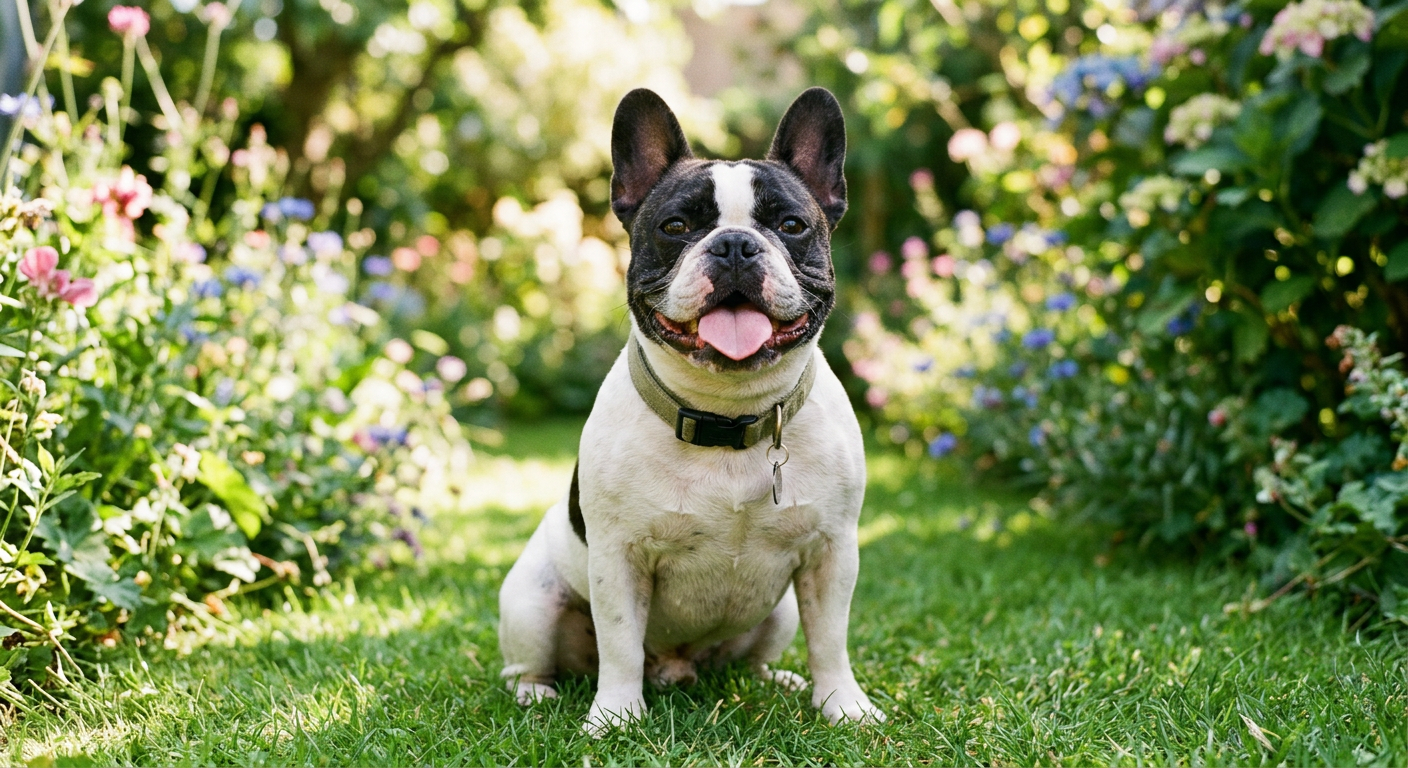
Common Causes for Loud Breathing During the Day
Loud respiratory sounds aren't just limited to nap time. You might notice your dog's breathing becomes more pronounced during certain activities or environmental changes. Understanding these triggers can help you manage their comfort throughout the day.
- Physical Exertion: Because their airways are smaller, Frenchies have to work harder to get oxygen during exercise. A simple walk can lead to heavy panting or wheezing.
- Excitement: When a Frenchie gets "the zoomies" or greets you at the door, their heart rate increases, and their breathing naturally speeds up and gets louder.
- Heat and Humidity: Dogs cool themselves by panting. Since Frenchies are less efficient at this, they will breathe much louder and faster even in mildly warm weather.
- Allergies: Just like humans, dogs can suffer from seasonal allergies. This can cause inflammation in the nasal passages, making their usual breathing sounds even more intense.
If you notice that the noise level increases significantly during play, it is always a good idea to take frequent breaks. Keeping your Frenchie in a climate-controlled environment during the summer months is also a key part of proactive care for this specific breed.
When the Snoring Happens At Night
If you’ve ever wondered why your pet sounds like a human sawed-off shotgun while they sleep, you’re experiencing the classic Frenchie snore. This happens because the soft tissues in the throat relax during deep sleep. For a dog with an elongated soft palate, this tissue vibrates against the airway, creating a loud rattle.
The position your dog sleeps in can also change how much noise they make. Many owners find that their dogs breathe more quietly when they use a bolster bed that allows them to prop their heads up, slightly opening the airway. If the snoring is accompanied by gasping or sudden waking, it is important to mention this to your veterinarian.
Monitoring Your Frenchies Milestones
As French Bulldogs age, their breathing patterns can shift. Tissues may lose some elasticity, or they might gain a little weight, which puts more pressure on the chest. It is a great idea to keep track of your dog's developmental stages. You can check our French Bulldog age calculator to see where your pup sits in their life cycle and what health considerations are typical for their age.
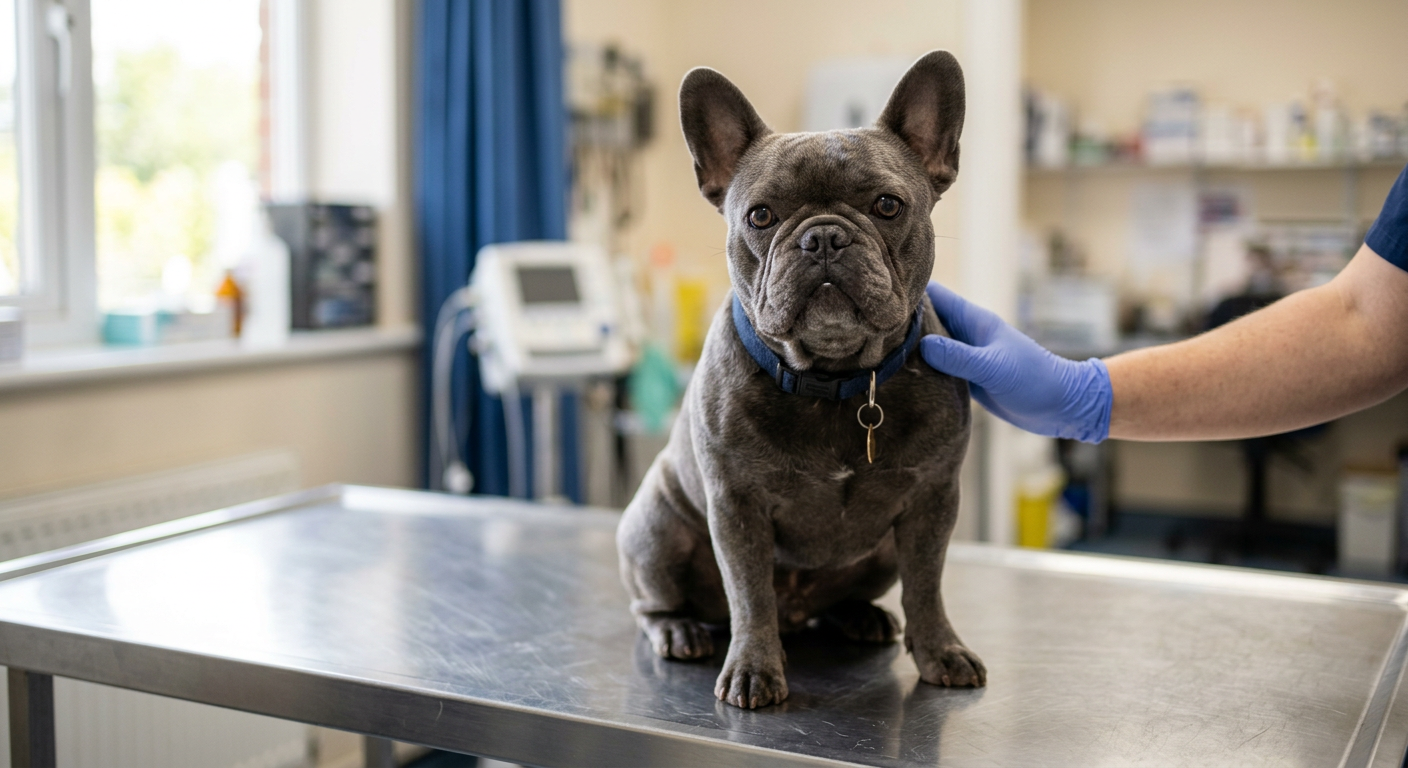
Environmental Factors and Weight Management
One of the biggest factors in how loudly a Frenchie breathes is their body weight. Even a single extra pound can make a significant difference in a small dog. Excess weight leads to fat deposits around the neck and chest, which further constricts the already narrow airways.
Maintaining an ideal weight is perhaps the most helpful thing a Frenchie owner can do. Combined with a smoke-free home and a dust-free environment, weight management can significantly reduce respiratory noise and improve your dog's quality of life. Using a harness instead of a collar also prevents unnecessary pressure on the windpipe during walks.
Recognizing When to See a Veterinarian
While some level of noise is expected, there are signs that your French Bulldog's heavy breathing might need professional attention. If you notice a change in the "normal" sounds your dog produces, it is time for a check-up. Veterinarians can often perform minor procedures to widen nostrils or shorten the soft palate, which can drastically improve a dog's ability to breathe.
Watch for these signs that suggest a need for a wellness visit:
- Blue or pale gums or tongue during activity.
- Frequent gagging or "reverse sneezing" that lasts more than a minute.
- An inability to walk for ten minutes without stopping for breath.
- A high-pitched whistling sound (stridor) rather than a low-pitched snort.
- Excessive foam or saliva after mild exercise.
For more insights into what behaviors are normal for this breed, you can read our guide on common behavior questions for popular dog breeds. Understanding the "why" behind their quirks can give you significant peace of mind.
Maintaining a Comfortable Life for Your Frenchie
In conclusion, if you are asking "why is my French Bulldog breathing so loud," the answer is usually rooted in their unique facial structure and genetics. While these snorts and grunts are often just a cute part of their personality, staying vigilant about their respiratory health is a vital part of being a Frenchie owner.
By keeping them cool, maintaining a healthy weight, and scheduling regular veterinary check-ups, you can ensure that your loud-breathing companion lives a long, comfortable, and happy life. Embracing the snorts is part of the journey, but being a proactive advocate for their health ensures those snorts remain a happy sound in your home.