If you share your home with a Boxer, you are likely already familiar with a little bit of "slobber" here and there. Boxers are known for their expressive faces and their unique jowls, which can naturally lead to some moisture. However, you might find yourself asking, why is my boxer drooling more than usual lately? While some level of wetness is expected with this breed, a sudden increase can be a sign that your pup needs a little extra attention.
Excessive salivation, known clinically as ptyalism, can occur for many reasons ranging from simple excitement to specific wellness considerations. Because Boxers have a distinct head shape, they are predisposed to certain oral behaviors. Understanding the difference between their normal "leaky faucet" personality and a change in health is key to keeping them happy. You can learn more about how your pet's age affects their behavior by checking out our breed-specific age guides to see how their needs evolve over time.
The Anatomy of the Boxer Smile
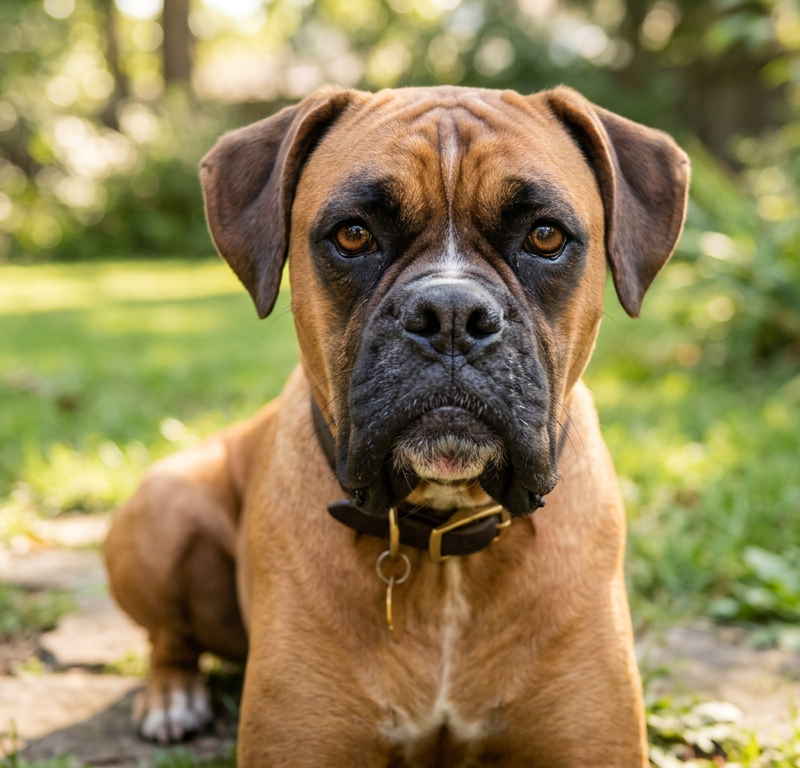
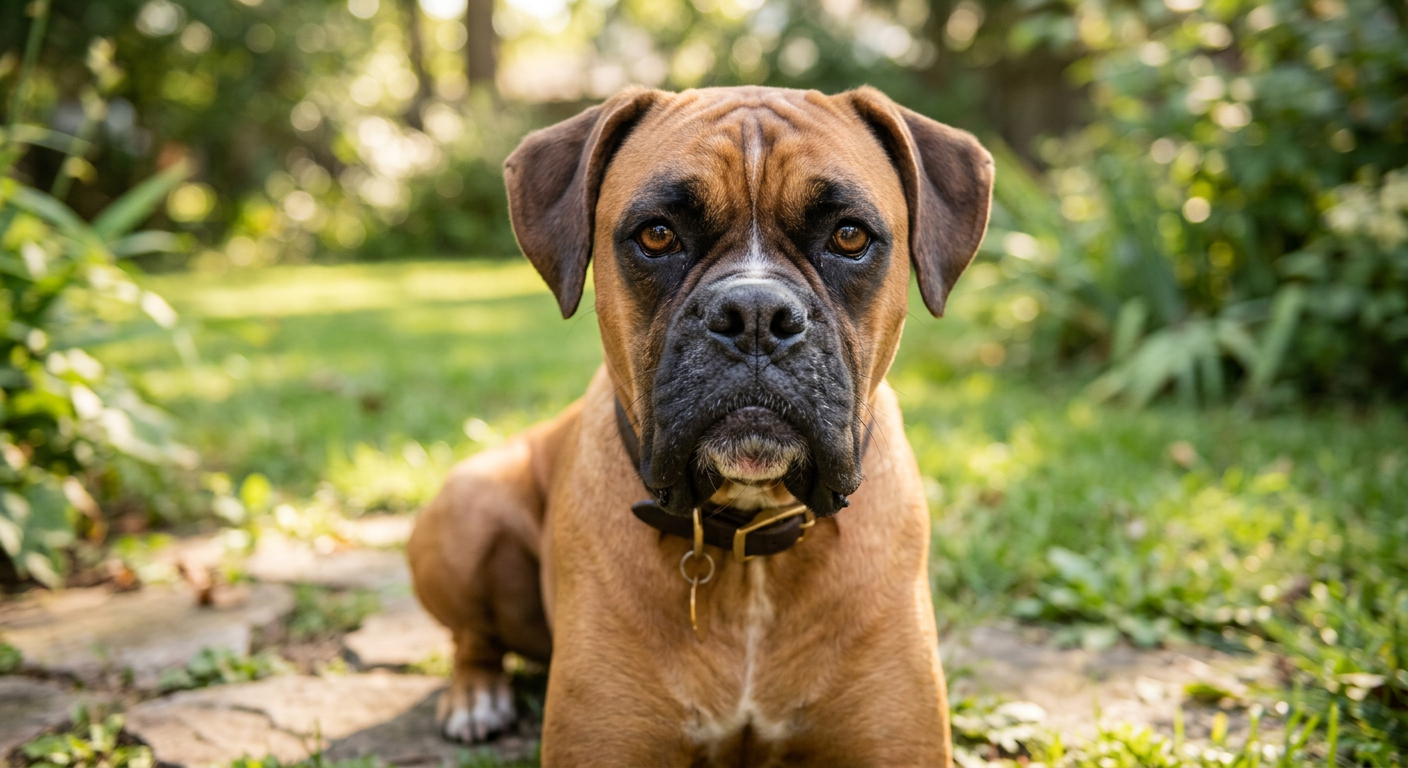
To understand why your Boxer might be producing more saliva, it helps to look at their physical structure. Boxers are a brachycephalic breed, meaning they have a shorter muzzle and a specific jaw alignment. Their large, loose upper lips—often called "flews"—tend to trap saliva rather than keep it neatly inside the mouth.
When these flews become heavy with moisture, gravity eventually takes over. This is why you often see a Boxer "fling" drool when they shake their head. If the amount of liquid seems to have doubled overnight, it is usually a sign that the salivary glands are working overtime in response to a stimulus.
Anticipation and Sensory Triggers
One of the most common reasons for a sudden puddle on the floor is Pavlovian response. Boxers are highly food-motivated and very observant. If you have recently changed your cooking habits or started keeping treats in a new spot, your dog’s brain might be signaling their mouth to prepare for a snack.
Environmental triggers like the smell of a barbecue next door or even the sound of a crinkling bag can cause a temporary spike in salivation. If the drooling stops once the food is put away, it is likely just a sign of a very enthusiastic appetite.
Wellness Considerations and Oral Health
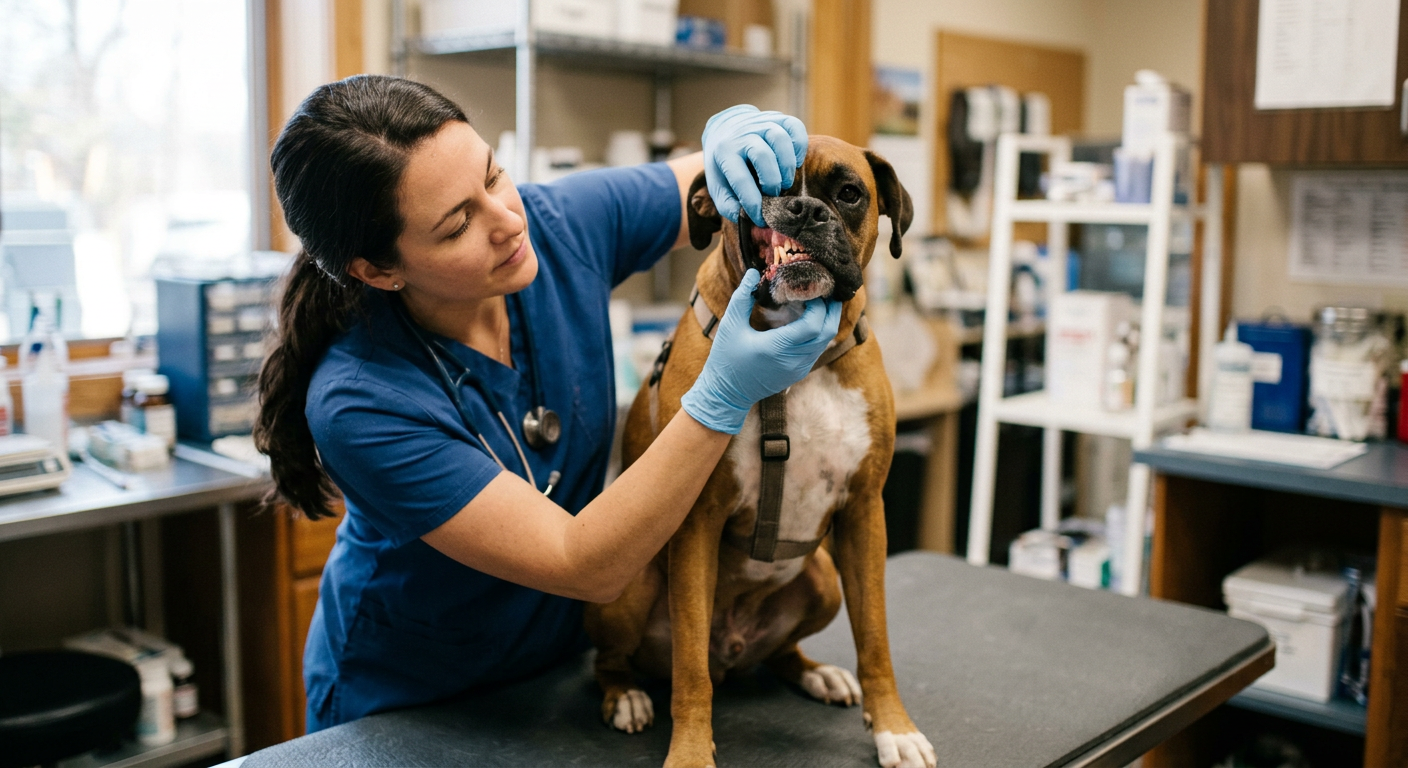
When you notice your dog is mouth-watering excessively without a food trigger, it is time to look inside their mouth. Boxers are prone to a condition called gingival hyperplasia, which is an overgrowth of the gum tissue. This extra tissue can trap food particles and bacteria, leading to inflammation and increased saliva production.
Aside from gum overgrowth, other oral issues can be the culprit. Check for the following signs during a gentle home inspection:
- Fractured or broken teeth from chewing on hard toys.
- Stuck foreign objects, like a piece of a stick or a shard of a bone, lodged in the roof of the mouth.
- Red, swollen, or bleeding gums (gingivitis).
- A sudden, unpleasant change in breath odor.
If you notice any of these signs, a proactive visit to your veterinarian is the best course of action. They can perform a professional cleaning or address any dental discomfort that might be causing the excess moisture. Maintaining oral hygiene is just as important as managing other breed traits, like those discussed in our guide on brachycephalic breathing concerns.
External Factors and Nausea
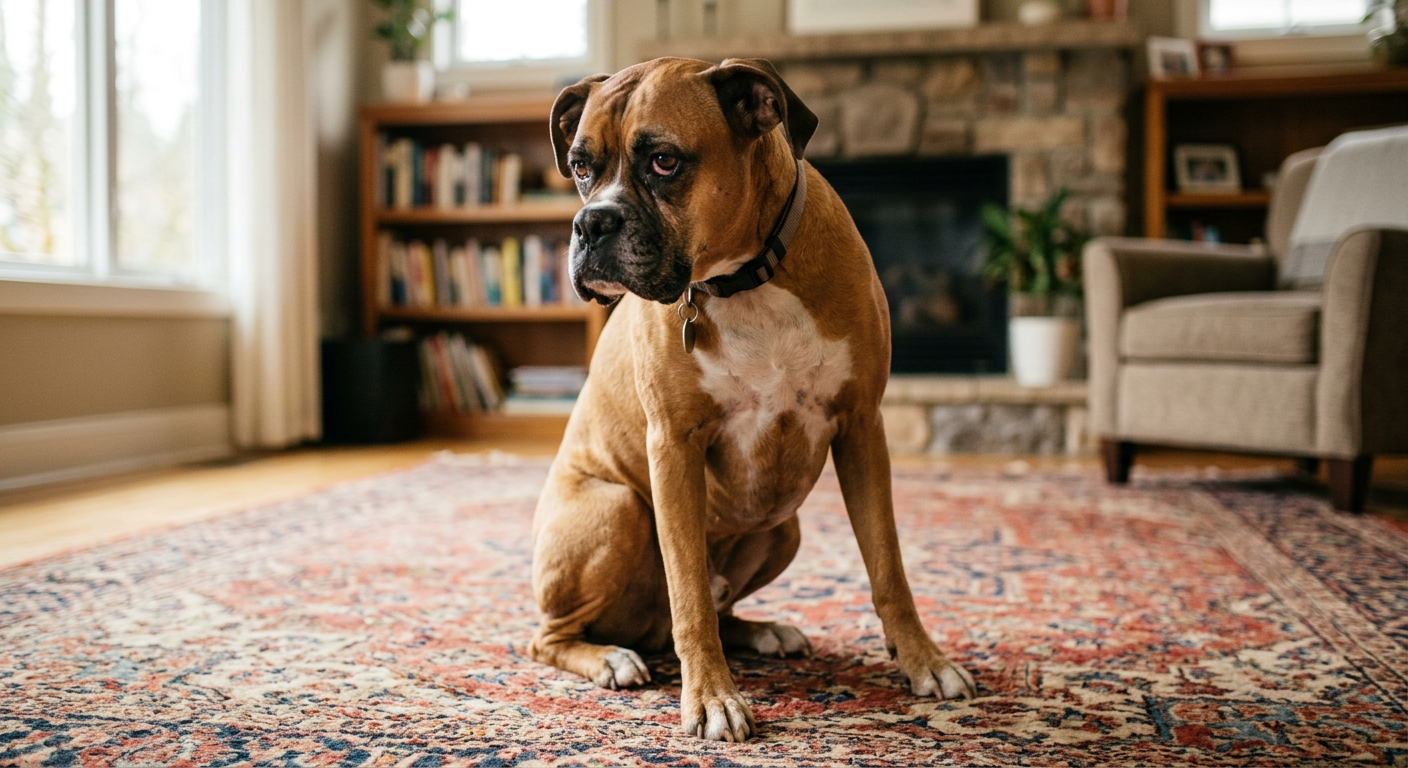
Sometimes the cause of the drool isn't in the mouth at all, but rather in the stomach. Nausea is a major trigger for hypersalivation in dogs. If your Boxer has eaten something they shouldn't have—perhaps a "forbidden snack" from the trash—their body may produce extra saliva as a protective measure.
Motion Sickness and Anxiety
Do you notice the drooling primarily when you are in the car? Many Boxers experience motion sickness, which manifests as heavy panting and thick, ropey drool. Similarly, high-stress situations can cause a physiological response. If your dog is anxious about a thunderstorm, fireworks, or a new visitor, their nervous system may trigger the salivary glands.
Heat and Hydration
Because of their shorter muzzles, Boxers are not as efficient at cooling themselves down as breeds with longer noses. When a Boxer gets hot, they pant heavily. This panting, combined with their loose jowls, leads to significantly more drool. Always ensure your Boxer has access to shade and fresh water, especially during the summer months, to prevent overheating.
When to Consult Your Veterinarian
While most cases of increased drooling are benign or related to dental health, there are times when it requires immediate professional advice. If the drooling is accompanied by lethargy, loss of appetite, or a change in behavior, it is time to call the vet. This is especially true if you see your dog "pawing" at their face or if they seem unable to swallow.
Veterinarians will typically look for underlying issues such as salivary gland infections, esophageal obstructions, or even neurological factors. Boxers are sturdy dogs, but they are sensitive to changes in their internal balance. A quick check-up can provide peace of mind and ensure your pup gets back to their usual, slightly-less-soggy self.
Managing the Slobber at Home
If your vet has given your Boxer a clean bill of health and you’ve determined the drooling is just a part of their charming personality, there are ways to manage it. Keeping "drool rags" in high-traffic areas of the house can help you wipe their face before they have a chance to shake. Using elevated food bowls can also help some dogs swallow more effectively, though you should discuss this with your vet to ensure it's appropriate for your specific dog's build.
If you are considering adding another breed to your family and want to compare how their maintenance needs differ, you might enjoy reading about the Boxer vs Poodle comparison to see which personality and grooming requirements best fit your lifestyle.
Conclusion
Finding an answer to the question, why is my boxer drooling more than usual, usually starts with a simple observation of their environment and health. Whether it is a reaction to a tasty treat, a sign of dental sensitivity, or just a hot afternoon, your Boxer relies on you to notice these subtle shifts. By staying proactive with their oral care and monitoring their stress levels, you can ensure that their trademark "Boxer kisses" remain a happy, healthy part of your daily routine.