If you are a proud Pug parent, you are likely familiar with the symphony of snorts, grunts, and wheezes that follow your furry friend around the house. You might find yourself asking, why does my pug make snoring sounds when awake? While these noises are often considered a charming trait of the breed, they actually tell us a lot about their unique anatomy and wellness needs.
Pugs are beloved for their expressive faces and sturdy little bodies, but their physical structure means they navigate the world a bit differently than other dogs. Understanding why these sounds occur can help you ensure your companion stays comfortable and happy throughout their life. It is always a good idea to monitor these sounds and share any changes with your veterinarian during regular wellness checkups.
The Unique Anatomy of the Pug Breed
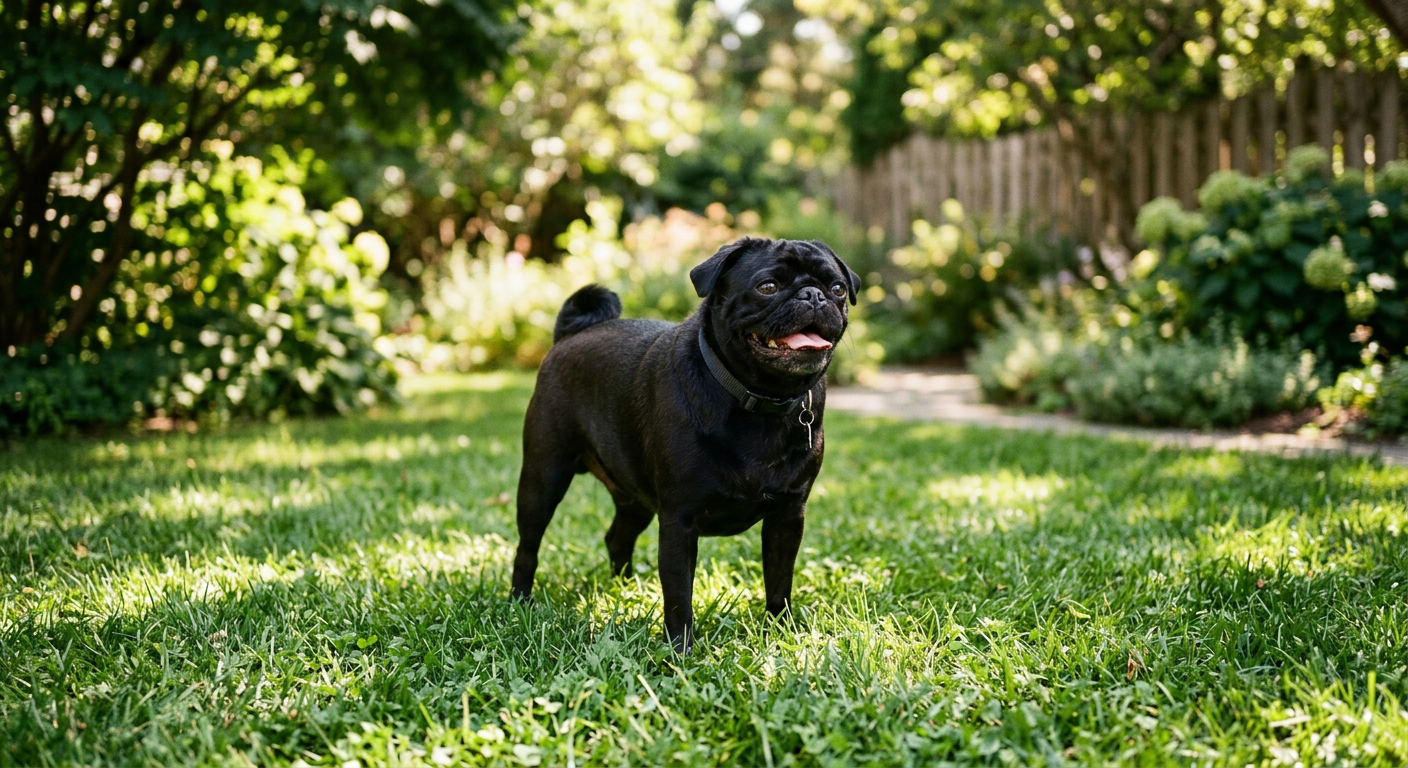
To understand why your Pug sounds like a tiny freight train even when they are wide awake, we have to look at their skeletal structure. Pugs are a brachycephalic breed, which literally translates to "short-headed." This means they have a broad, short skull with a shortened muzzle, giving them that flat-faced look we find so endearing.
Brachycephalic Obstructive Airway Syndrome
Because their faces are compressed, the soft tissues inside their noses and throats don't always have enough room to sit flat. This collection of anatomical features is often referred to as Brachycephalic Obstructive Airway Syndrome (BOAS). It is the primary reason why your pug makes snoring sounds when awake, as air has to navigate a tighter space than it does in breeds with longer snouts.
For example, while a Beagle has a long nasal passage to filter and move air, a Pug's airway is more compact. This creates turbulence as they breathe, resulting in the snorting or "reverse sneezing" sounds you hear during playtime or even while they are just sitting on the couch.
Elongated Soft Palates
One specific feature common in Pugs is an elongated soft palate. This is the tissue at the back of the roof of the mouth. In many Pugs, this tissue is slightly too long for their short throats, meaning it can flutter or vibrate when they breathe in deeply. This vibration is exactly what produces that "snoring" sound while they are conscious.
Common Triggers for Daytime Snorting
While the physical structure is the foundation, certain environmental factors can make these sounds more pronounced. You might notice that your dog gets noisier during specific activities or times of the day. Recognizing these triggers is a key part of proactive pet care.
- Excitement and Exercise: When a Pug gets excited, their heart rate increases and they breathe faster. This rapid airflow through narrow passages creates louder snorting sounds.
- Heat and Humidity: Pugs struggle to cool themselves down efficiently because they cannot pant as effectively as longer-muzzled breeds. In warm weather, their internal tissues may swell slightly, making breathing sounds more noticeable.
- Allergens and Irritants: Dust, pollen, or strong perfumes can irritate a Pug's sensitive nasal passages, leading to increased congestion and louder "awake snoring."
- Weight Management: Even a little bit of extra weight can put pressure on a Pug's airway. Keeping your pet at a healthy weight is one of the best ways to keep their breathing clear.
Distinguishing Normal Sounds from Wellness Concerns
It is important for owners to know what "normal" sounds like for their specific dog. Most Pugs will always have a baseline of snuffing and snorting. However, being aware of changes in these sounds is part of being a responsible pet owner. If you notice your dog's breathing sounds have become significantly louder or more labored, it is time for a professional consultation.
Signs that your Pug might need a wellness check regarding their breathing include excessive panting when at rest, a blue or pale tint to the tongue or gums, or if they seem to struggle to catch their breath after very mild activity. Similar to how a French Bulldog's breathing requires monitoring, Pugs benefit from a watchful eye on their respiratory health.
The Reverse Sneeze Phenomenon
Many owners get concerned when their Pug makes a sudden, loud honking sound that looks like they are gasping for air. This is often a "reverse sneeze." It happens when the soft palate becomes irritated and spasms. While it looks startling, it is usually a harmless event that passes in a few seconds. Gently massaging your dog's throat or briefly covering their nostrils to encourage them to swallow can help resolve it.
Supporting Your Pug's Respiratory Health
Managing your Pug's environment can go a long way in making them more comfortable. Since their airways are delicate, small changes in your daily routine can make a big difference in the frequency of those snoring sounds. Proactive care is the best approach for these sensitive companions.
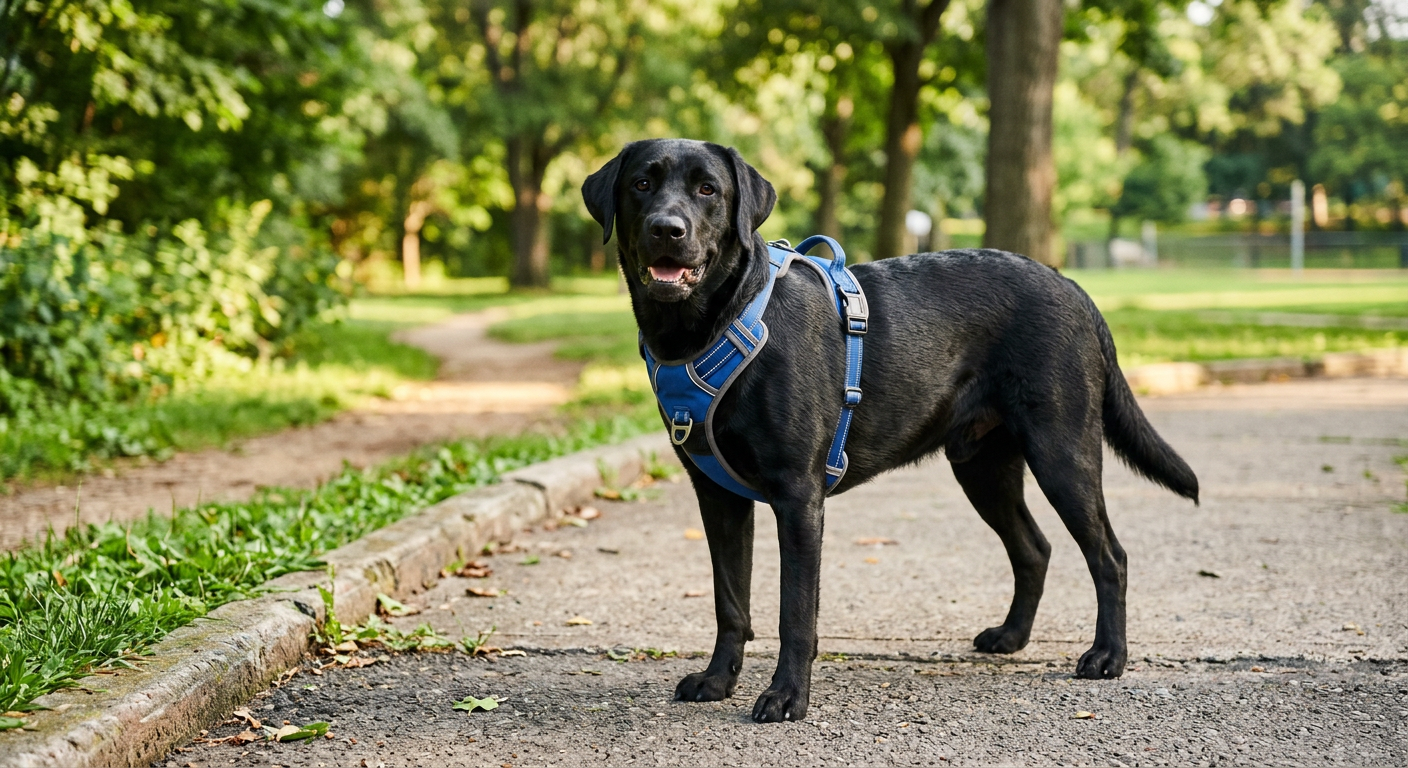
First, always use a harness instead of a traditional neck collar. Collars can put unnecessary pressure on the trachea (windpipe), which can exacerbate breathing issues. A well-fitted harness distributes pressure across the chest, keeping the airway clear during walks. You can check your dog's growth and developmental milestones using tools like the French Bulldog age calculator to see how they compare to other brachycephalic breeds of similar size.
Environmental Adjustments
Keep your home cool during the summer months. Air conditioning is a Pug's best friend. If you are outside, ensure they have plenty of shade and fresh water. Additionally, using an air purifier can help remove dust and allergens that might otherwise cause nasal inflammation and louder snorting.
Conclusion
So, why does my pug make snoring sounds when awake? The answer lies in their unique anatomy, particularly their shortened muzzles and elongated soft palates. While these sounds are a natural part of the Pug experience, they serve as a reminder that our flat-faced friends need a little extra care to stay cool, lean, and comfortable. By understanding their needs and maintaining regular vet visits, you can ensure those adorable snorts remain a happy part of your life together for years to come.