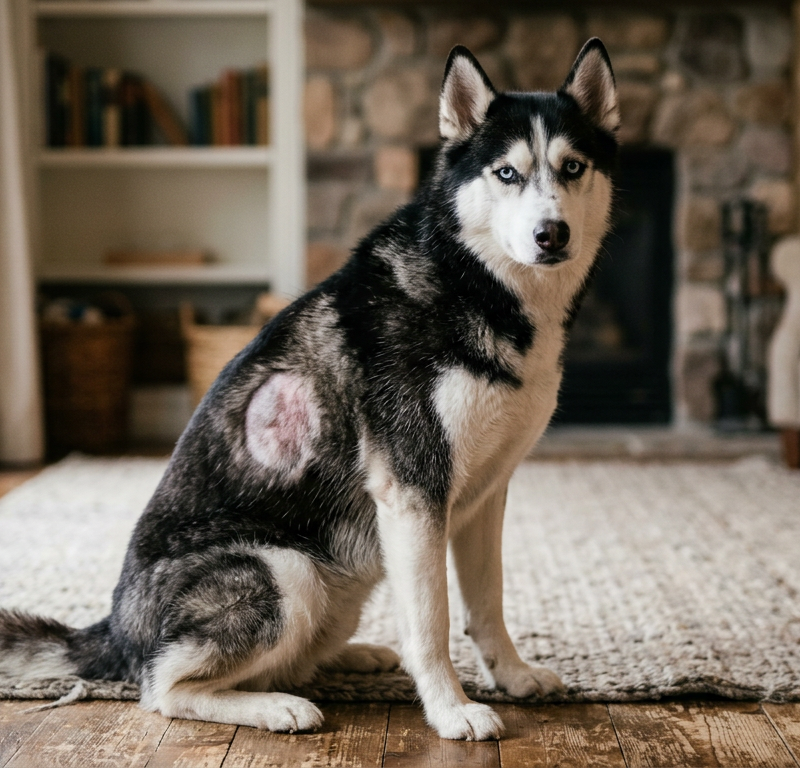
Finding a bald spot on your thick-coated companion can be quite a surprise. If you are wondering why is my husky losing fur in patches, it is important to know that while Siberian Huskies are famous for their heavy shedding, uneven hair loss usually signals something beyond the normal seasonal blow-out. Understanding the difference between natural coat changes and wellness considerations is the first step in keeping your dog comfortable.
Huskies possess a unique double coat designed to insulate them from both heat and cold. When this system breaks down and results in visible skin or thinning patches, it often points to environmental factors, nutritional needs, or underlying health conditions. By observing the location and appearance of these spots, you can provide better information to your veterinarian during a check-up.
Natural Shedding vs Patchy Hair Loss
It is easy to confuse a heavy shed with actual hair loss. Siberian Huskies typically "blow their coat" twice a year, which involves massive amounts of undercoat coming out in clumps. During this time, your home might look like a snowstorm hit, but the skin underneath should still be covered by a guard coat.
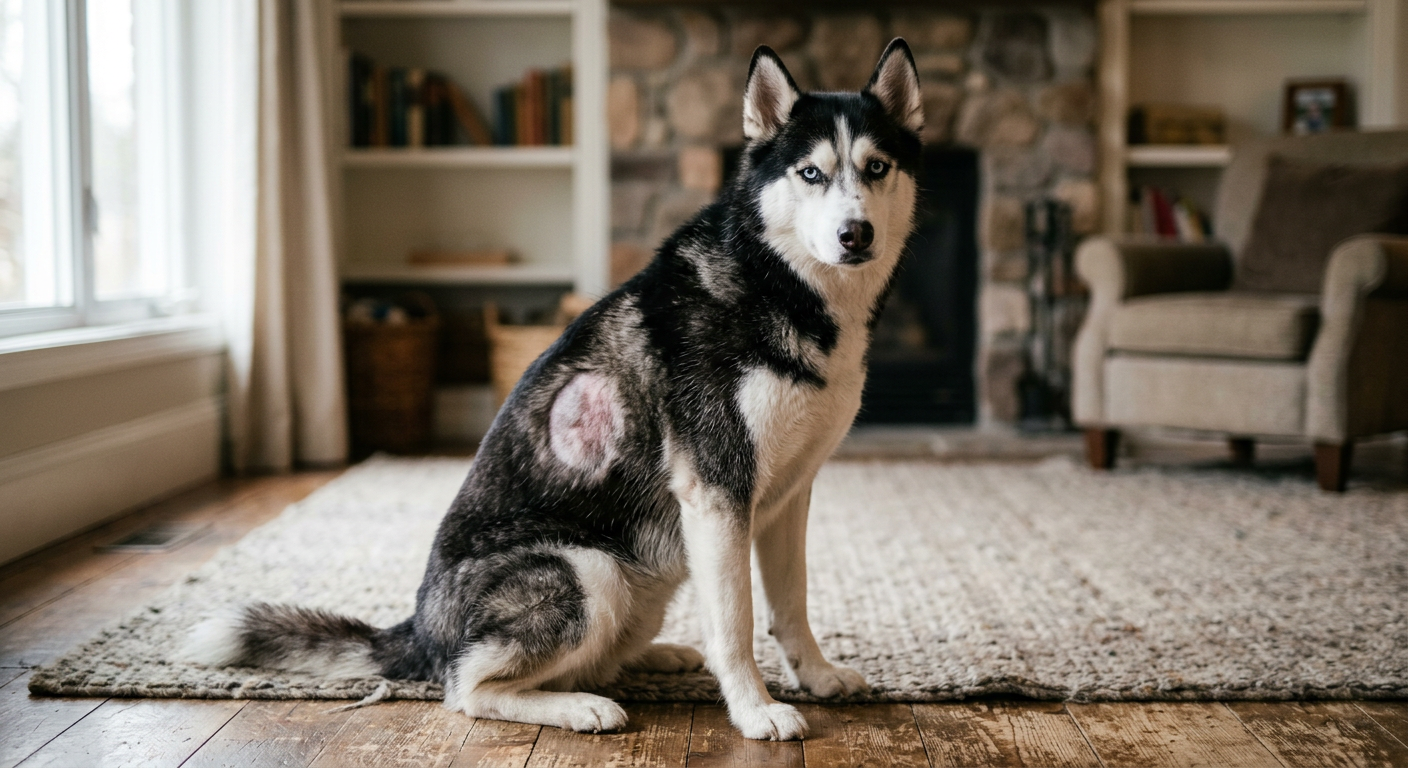
True patchy loss occurs when the skin becomes visible or the remaining hair looks broken and thin. If you notice your husky losing fur in patches rather than a general thinning across the whole body, it is time to look closer. Unlike the uniform shedding seen in breeds like the Labrador Retriever, Husky hair loss is often localized to the flanks, neck, or base of the tail.
Common Environmental and Parasitic Causes
One of the most frequent reasons for localized balding in northern breeds is the presence of external pests. Even if you cannot see them, tiny invaders can wreak havoc on a thick double coat. Fleas, mites, and lice often hide deep within the dense fur of a husky, causing intense itching and secondary hair loss from scratching.
Mange is another consideration for patchy areas. Sarcoptic mange is highly contagious and causes extreme itching, while Demodectic mange often appears as thinning spots around the eyes and muzzle. Since these conditions require specific medical treatments, a professional diagnosis is essential to clear up the irritation and allow the fur to regrow.
Allergies and Skin Irritants
Just like humans, dogs can develop sensitivities to their surroundings. This might include pollen, household cleaners, or specific proteins in their diet. When a husky has an allergic reaction, they often chew at their paws or rub their bodies against furniture, leading to broken hairs and bald areas.
Fungal and Bacterial Infections
The thick coat of a husky can sometimes trap moisture against the skin, especially if they enjoy swimming or live in humid climates. This creates a playground for bacteria or fungus. Ringworm, which is actually a fungus, typically presents as circular patches of hair loss that may look red or crusty at the edges.
Nutritional Deficiencies and Zinc Responsiveness
Huskies have specific nutritional requirements that differ from many other breeds. One well-documented "quirk" of the breed is Zinc-Responsive Dermatosis. This occurs because some Huskies are genetically predisposed to have difficulty absorbing zinc from their food, or their diet simply lacks enough of this vital mineral.
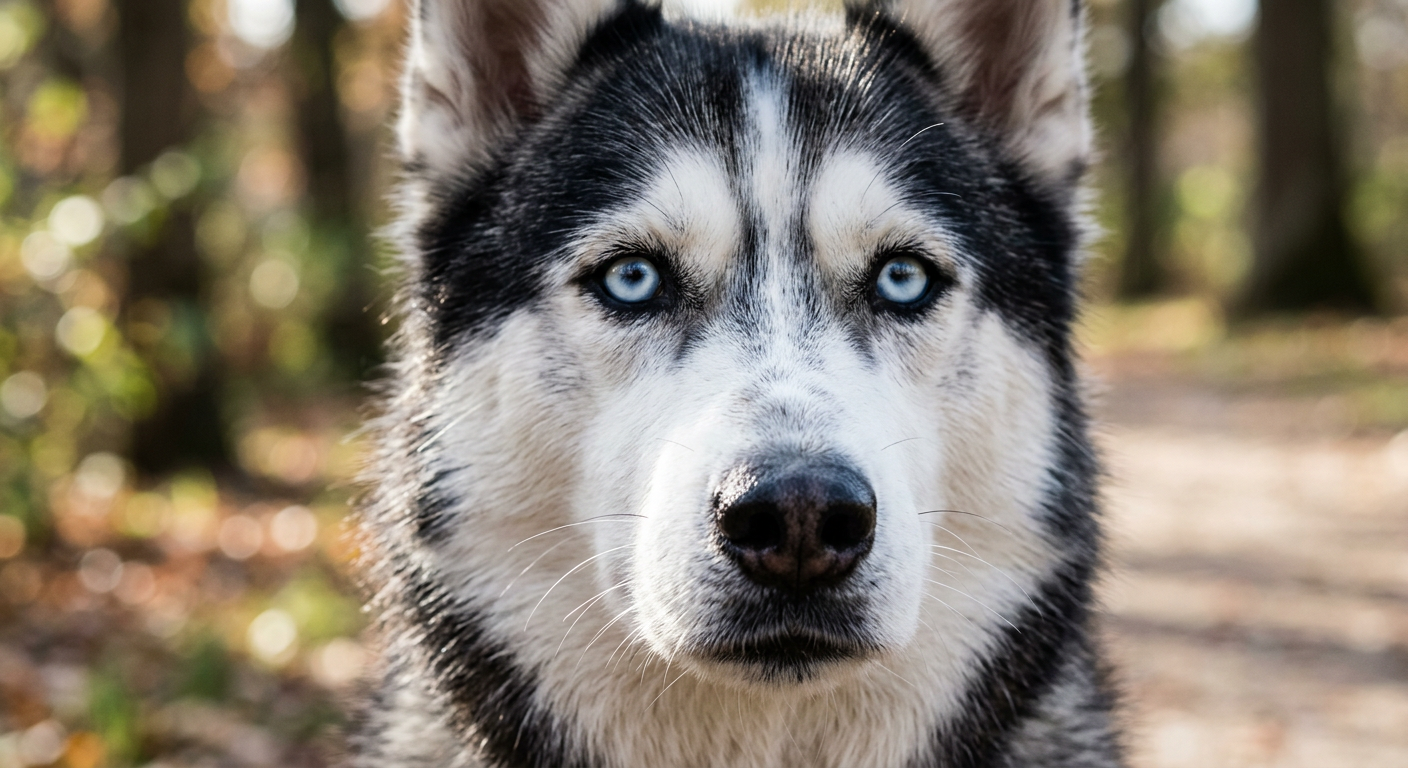
Symptoms of zinc issues often include crusting, scaling, and hair loss around the eyes, chin, and pressure points like elbows. If your dog is around the age where their metabolism is changing, you might use an age calculator for Siberian Huskies to see if they are entering a life stage where their nutritional needs have shifted. Always consult your vet before adding supplements, as too much zinc can also cause problems.
- Crusting around the muzzle and eyes
- Redness between the toes
- Symmetrical hair loss on the flanks
- Dull, brittle coat texture
Hormonal Imbalances and Internal Health
If your husky's skin looks normal—meaning it isn't red, itchy, or smelly—but the hair is falling out in symmetrical patches, the cause might be internal. Hormonal imbalances, such as hypothyroidism, are relatively common in medium-to-large breeds. When the thyroid gland is underactive, the body slows down, and hair follicles may enter a resting phase and fail to regrow.
Another condition to discuss with a vet is Alopecia X, often called "Black Skin Disease." While more common in Pomeranians, it can affect Huskies as well. It results in a gradual loss of the outer guard hairs, leaving a fuzzy, wool-like undercoat that eventually thins out. While primarily a cosmetic issue, it is important to rule out other metabolic concerns first.
Stress and Behavioral Over-Grooming
Siberian Huskies are highly intelligent and energetic dogs. If they do not receive enough mental stimulation or physical exercise, they may develop "displacement behaviors." This can include obsessive licking or chewing at a specific spot on their leg or flank, creating a lick granuloma or a bald patch.
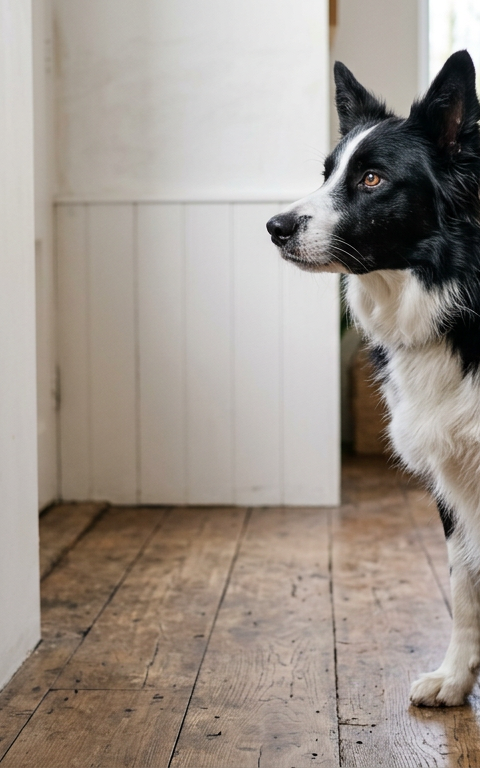
When comparing high-energy breeds, such as in a Border Collie vs Siberian Husky comparison, it is clear that both require significant engagement to stay healthy. If your dog is losing hair due to anxiety or boredom, increasing their daily activity and providing puzzle toys can often stop the behavior and allow the fur to return naturally.
When to See a Veterinarian
While some coat changes are part of life, you should schedule a visit with your veterinarian if you notice any of the following "red flags" alongside the fur loss:
- The skin is broken, bleeding, or oozing.
- There is a strong, unpleasant odor coming from the bald spot.
- Your husky seems lethargic or has a reduced appetite.
- The patches are spreading rapidly across the body.
- Extreme itching that prevents the dog from sleeping or playing.
Your vet will likely perform a skin scraping, blood tests, or a fungal culture to get to the root of the problem. Early intervention is the best way to ensure your husky returns to their fluffy, majestic self as quickly as possible.
Conclusion
Seeing your husky losing fur in patches can be concerning, but most causes are manageable with the right care. Whether the issue is a simple seasonal shift, a need for more zinc, or a visit from some pesky mites, being proactive about your dog's skin health is key. By keeping a close eye on their coat and working with a professional, you can ensure your Siberian Husky stays comfortable and vibrant through every season of their life.