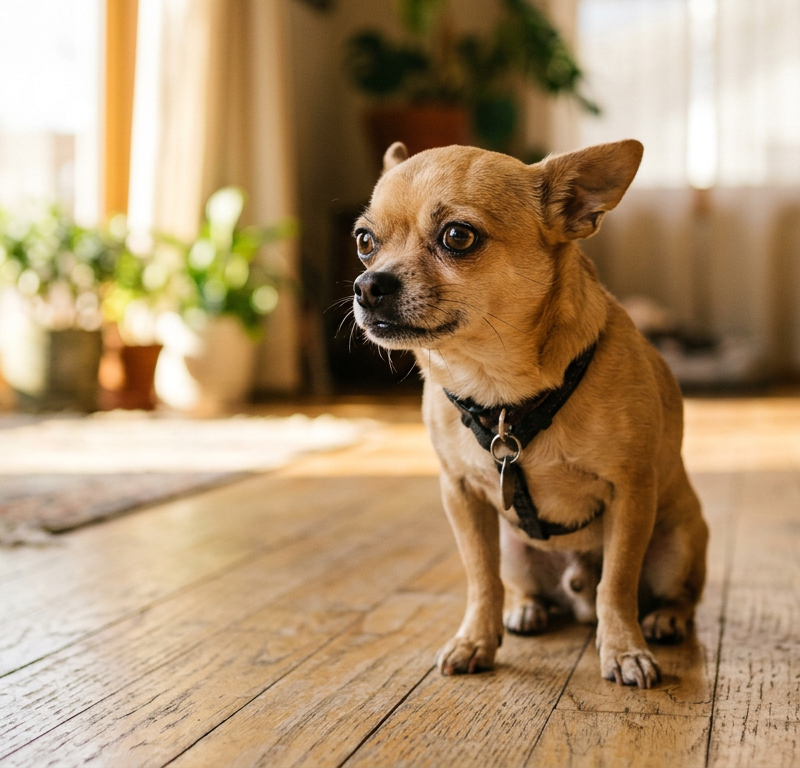
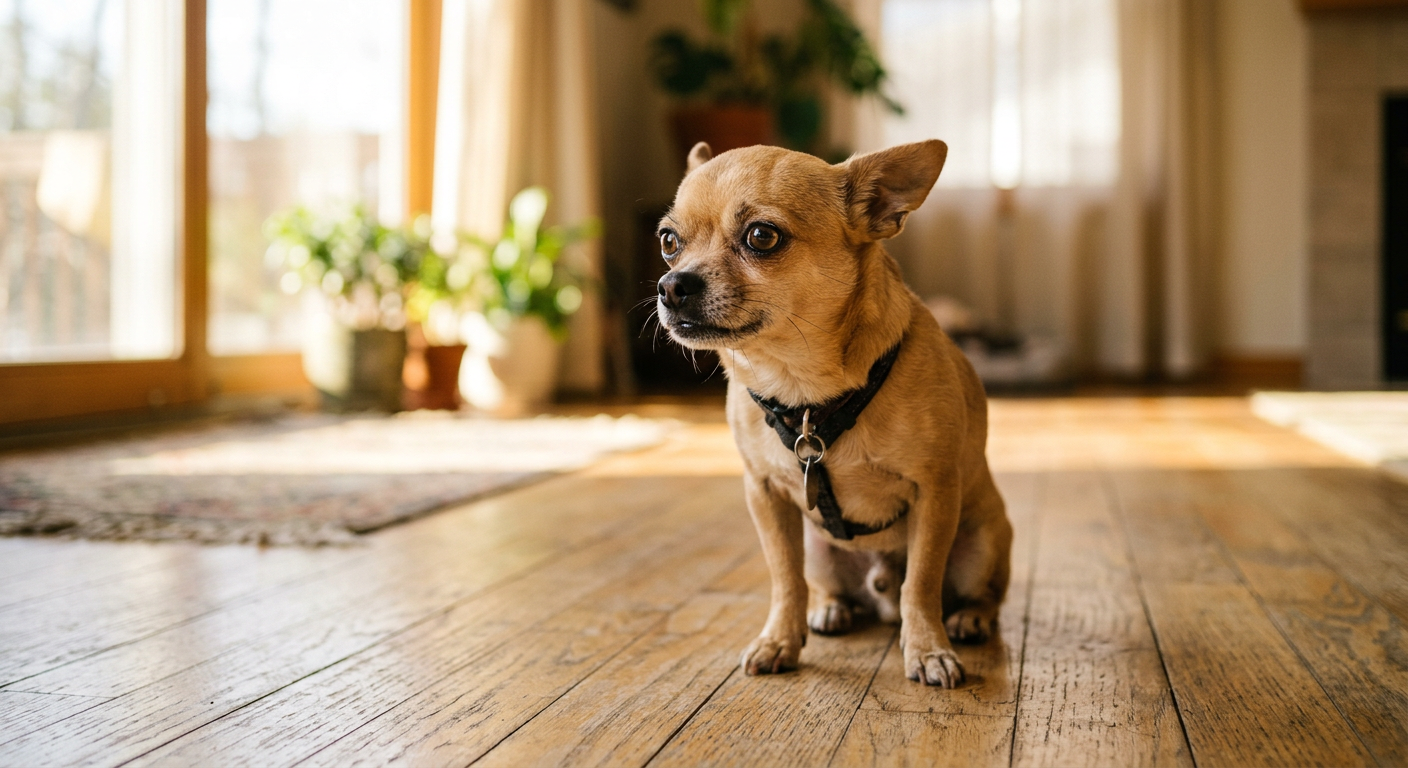
If you are a Chihuahua owner, you have likely noticed your tiny companion vibrating like a smartphone on silent mode. It is a hallmark of the breed, yet it often leaves pet parents wondering: why does my chihuahua shake all the time not cold? While their diminutive size makes them susceptible to the chills, there are many emotional, physical, and breed-specific reasons why these little dogs tremble even in a warm room.
Understanding these subtle physical cues is part of being a proactive pet owner. Chihuahuas are known for their high energy and sensitive nervous systems, making them more prone to visible tremors than larger breeds like a Golden Retriever. By observing the context of the shaking, you can better support your dog's well-being and comfort.
Emotional Responses and High Sensitivity
Chihuahuas are famously "big dogs in small bodies." This bold personality often comes with a highly sensitive nervous system that reacts quickly to environmental changes. Emotional states are one of the most common reasons a Chihuahua might shake when the temperature is perfectly comfortable.
Excitement and Anticipation
Many Chihuahuas shake simply because they are happy. Whether you just walked through the door after work or you are reaching for the leash, that vibration is often pure adrenaline. Their small muscles react to the surge of "feel-good" hormones, manifesting as a full-body tremor.
Anxiety and Stress
On the flip side, these dogs are very observant and can become easily overwhelmed. Changes in routine, loud noises, or meeting new people can trigger an anxiety response. Shaking helps them process the excess energy and cortisol that comes with being nervous. If you notice this happening often, you might find it helpful to look into common behavior questions for Chihuahuas to see how other owners manage stress.
High Metabolism and Energy Peaks
The biological makeup of a Chihuahua plays a significant role in their tendency to tremble. They have one of the highest metabolic rates in the canine world. This means they burn through energy quickly to maintain their body functions and keep their internal temperature stable.
Because they are so small, they don't have much body fat to insulate their muscles or store long-term energy. This high metabolism can cause "micro-shivering," which is a way for their body to generate heat and manage energy levels even when the external environment feels warm to a human. Keep an eye on their feeding schedule to ensure their blood sugar remains stable throughout the day.
Common Physical and Wellness Factors
While most shaking is a normal quirk of the breed, sometimes it serves as a communication tool for physical discomfort. It is important to distinguish between a "happy shimmy" and a sign that your dog needs a proactive check-up with a veterinarian.
- Low Blood Sugar (Hypoglycemia): Due to their tiny size, Chihuahuas can experience sudden drops in blood glucose. This often manifests as weakness, lethargy, and significant trembling.
- Muscle Fatigue: If your pup has been zooming around the living room or went for a long walk, their small muscles may twitch or shake as they recover.
- Pain or Discomfort: Dogs are masters at hiding pain, but shaking can be a subtle giveaway. If the trembling is localized or accompanied by a change in appetite, consult your vet.
- Allergies or Skin Irritation: Sometimes, the discomfort of itchy skin can cause a dog to tense up and shake.
The Role of Breed Genetics
Genetic predisposition is a major factor. If you compare a Chihuahua to a sturdier breed in our breed comparison tools, you will see that smaller toy breeds are much more likely to exhibit tremor syndromes. In many cases, it is simply "pre-programmed" into their DNA to be more reactive to stimuli.
Environmental and Social Triggers
Your dog’s surroundings play a huge part in how they express themselves physically. Even if the thermostat says 75 degrees, a Chihuahua might feel "exposed" in large, open spaces. Their instinct is to seek out dens or laps where they feel secure.
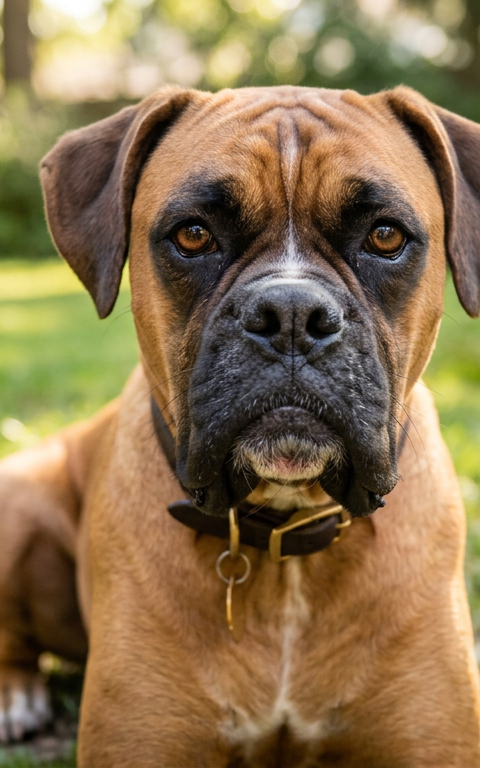
Social dynamics within the house also matter. If there is a larger dog in the home, such as a Boxer, the Chihuahua may feel the need to stay "alert," which can lead to a state of physical tension. Creating a dedicated safe space or a "burrow" with blankets can help reduce these tension-based tremors.

When Should You Be Concerned
For most owners, the sight of a vibrating Chihuahua is just another Tuesday. However, there are specific signs that indicate the shaking might be more than just a breed trait. Proactive care is always the best approach when it comes to your pet's health.
If the shaking is accompanied by vomiting, diarrhea, or a stiff gait, it is time to seek professional advice. Additionally, if the trembling is so intense that the dog cannot eat, sleep, or play, it may point to an underlying neurological condition or a reaction to something they shouldn't have eaten. Always prioritize a veterinary consultation if the behavior changes suddenly.
Tips for Calming a Shaking Chihuahua
If you have ruled out health issues with your vet and determined that the shaking is likely emotional or metabolic, there are several ways you can help your little friend feel more grounded.
- Provide a "Thunder Shirt" or Wrap: Moderate pressure can have a calming effect on the nervous system, similar to a weighted blanket for humans.
- Establish a Routine: Predictability reduces anxiety. Feed, walk, and play at the same times every day to help your dog feel secure.
- Offer High-Quality Nutrition: Feeding smaller, more frequent meals can prevent the blood sugar dips that lead to metabolic shaking.
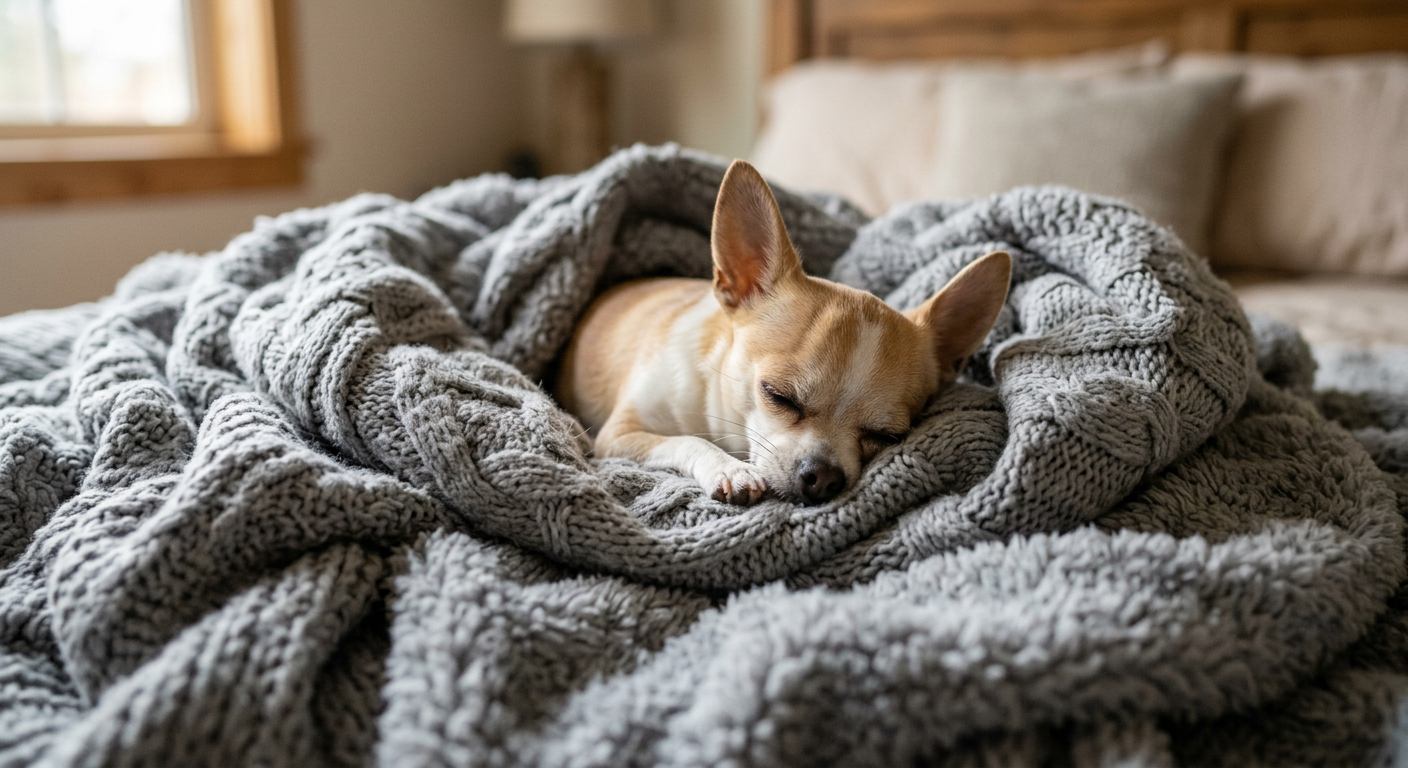
- Create a Burrows: Chihuahuas love to hide. Give them plenty of soft blankets to burrow under so they feel protected from environmental "noise."
Ultimately, when people ask why does my chihuahua shake all the time not cold, the answer is usually a blend of biology and personality. These dogs are finely tuned instruments that react to the world with every fiber of their being. By providing a warm, stable, and loving environment, you can ensure that their tremors are just a sign of their vibrant spirit rather than a sign of distress.
Every dog is an individual, and getting to know your Chihuahua's specific triggers is part of the joy of pet ownership. Whether they are shaking from excitement because they see their favorite toy or seeking a little extra comfort during a thunderstorm, your attentive care makes all the difference in their world.