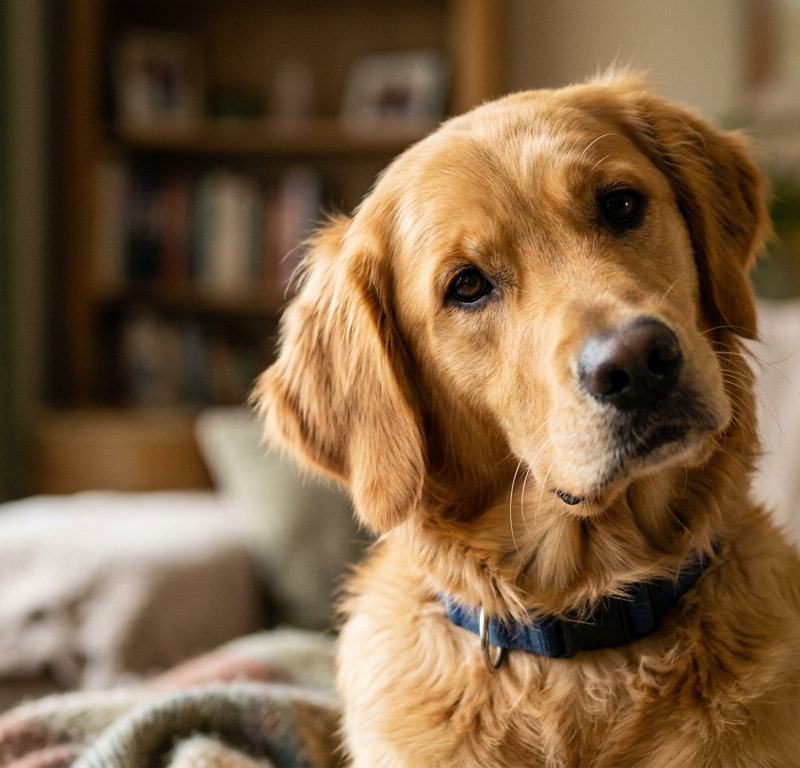
Have you ever noticed your furry friend cocking their head to the side when you speak in a high-pitched voice or mention the word "walk"? This endearing behavior is one of the most charming aspects of canine companionship. While we often find it adorable, there are several scientific and biological reasons why dogs tilt their heads. Understanding these motivations can help you build a deeper bond with your pet and better interpret their non-verbal cues.
Most pet parents recognize that a head tilt usually happens when a dog is focusing intently on a sound or a specific person. It is often a sign of engagement and curiosity. However, the reasons behind this movement range from improving their hearing to simply trying to see your face more clearly. By exploring the various theories, we can get a clearer picture of what is going on inside those clever canine minds.
Improving Auditory Perception
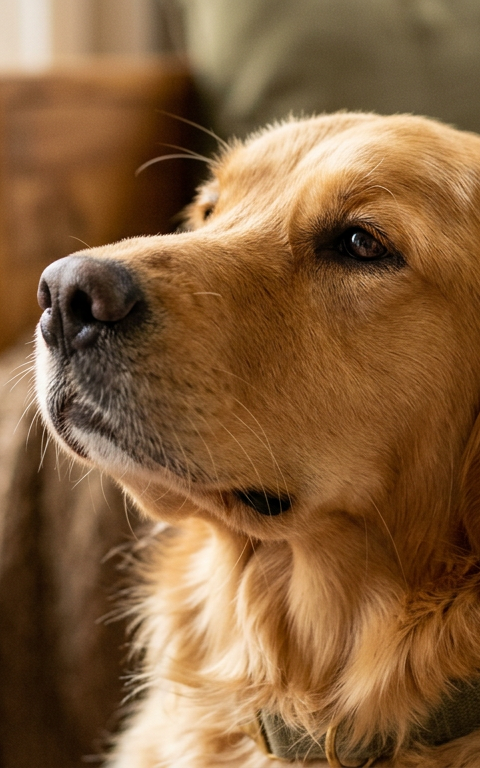
One of the primary reasons why dogs tilt their heads is to better locate the source of a sound. While dogs have an incredible sense of hearing, their ear flaps (pinnae) can sometimes block sounds coming from specific directions. By shifting the angle of their head, they can adjust the positioning of their ears to capture sound waves more effectively.
Adjusting the Ear Flaps
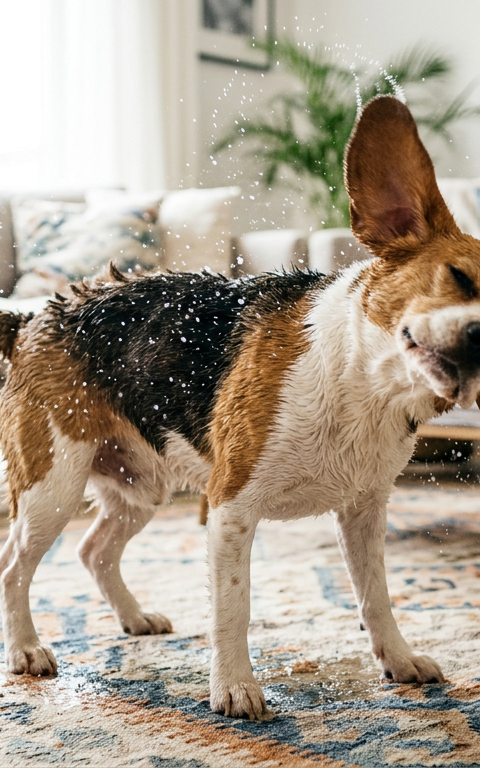
Dogs with prick ears, like those seen in a German Shepherd vs Doberman Pinscher comparison, have a natural advantage in funneling sound. However, dogs with floppy ears may tilt their heads to move the leather of the ear away from the ear canal. This adjustment allows more sound to enter, helping them distinguish between a "treat" and a "feet."
Pinpointing Direction and Distance
The brain calculates the tiny difference in time it takes for a sound to reach each ear. By tilting their head, a dog changes the vertical and horizontal alignment of their ears. This help them more accurately determine exactly where a noise is coming from, whether it is a squirrel in a tree or a family member opening a bag of snacks in the kitchen.
Visual Clarity and the Muzzle Obstacle
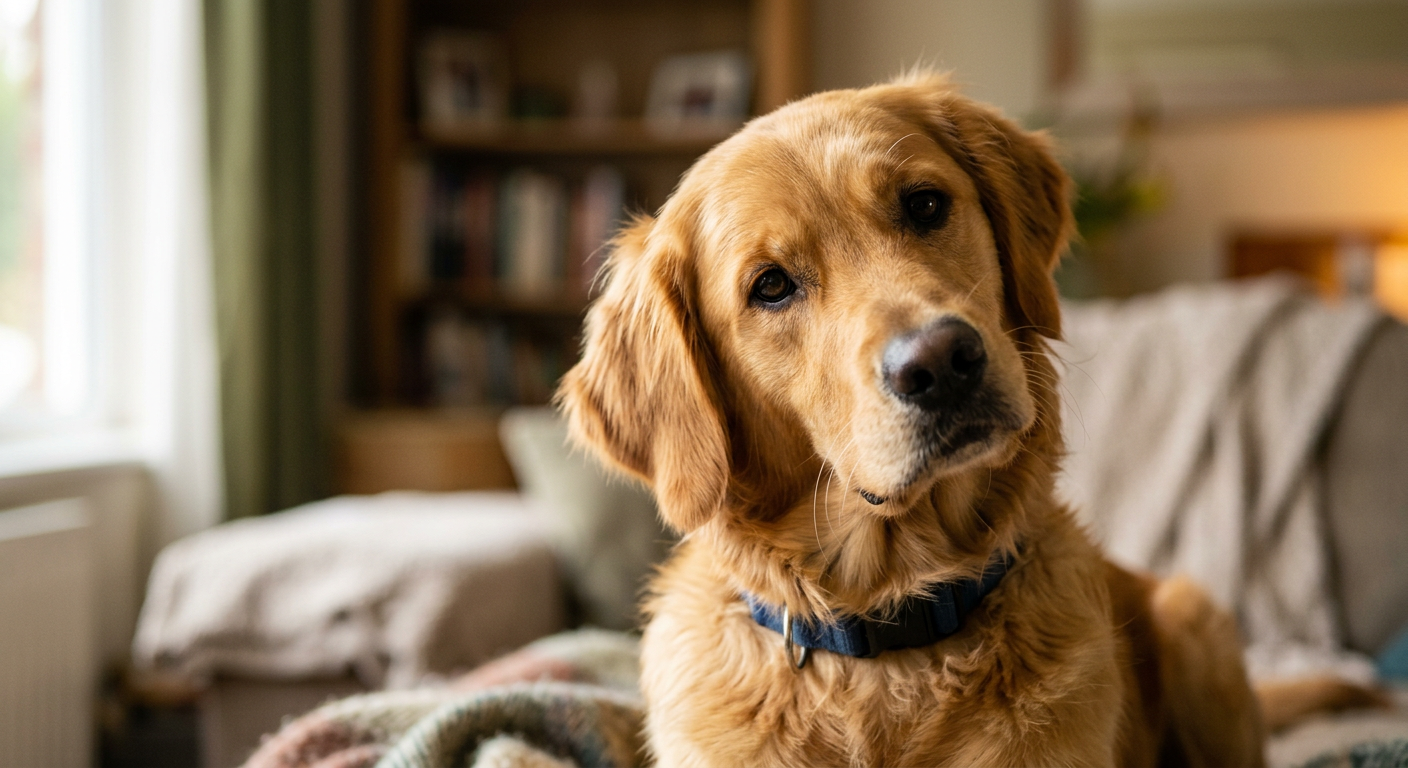
Interestingly, some researchers suggest that why dogs tilt their heads involves their vision just as much as their hearing. Dogs rely heavily on our facial expressions to understand our emotions and intentions. However, for many breeds, their own muzzle can actually get in the way of their field of vision.
If you place your fist in front of your nose, you will get a sense of what a dog with a long snout sees. You can still see, but your lower vision is obscured. By tilting their head to the side, dogs can see a person's mouth and lower face more clearly. This allows them to read our expressions and pick up on subtle cues that help them navigate social interactions.
Breeds with flatter faces, such as those you might find on our French Bulldog age calculator page, may tilt their heads less frequently because their muzzles do not obstruct their view as much. This visual theory highlights how much our dogs value communication with us; they literally want to see what we are saying.
The Connection to Empathy and Intelligence
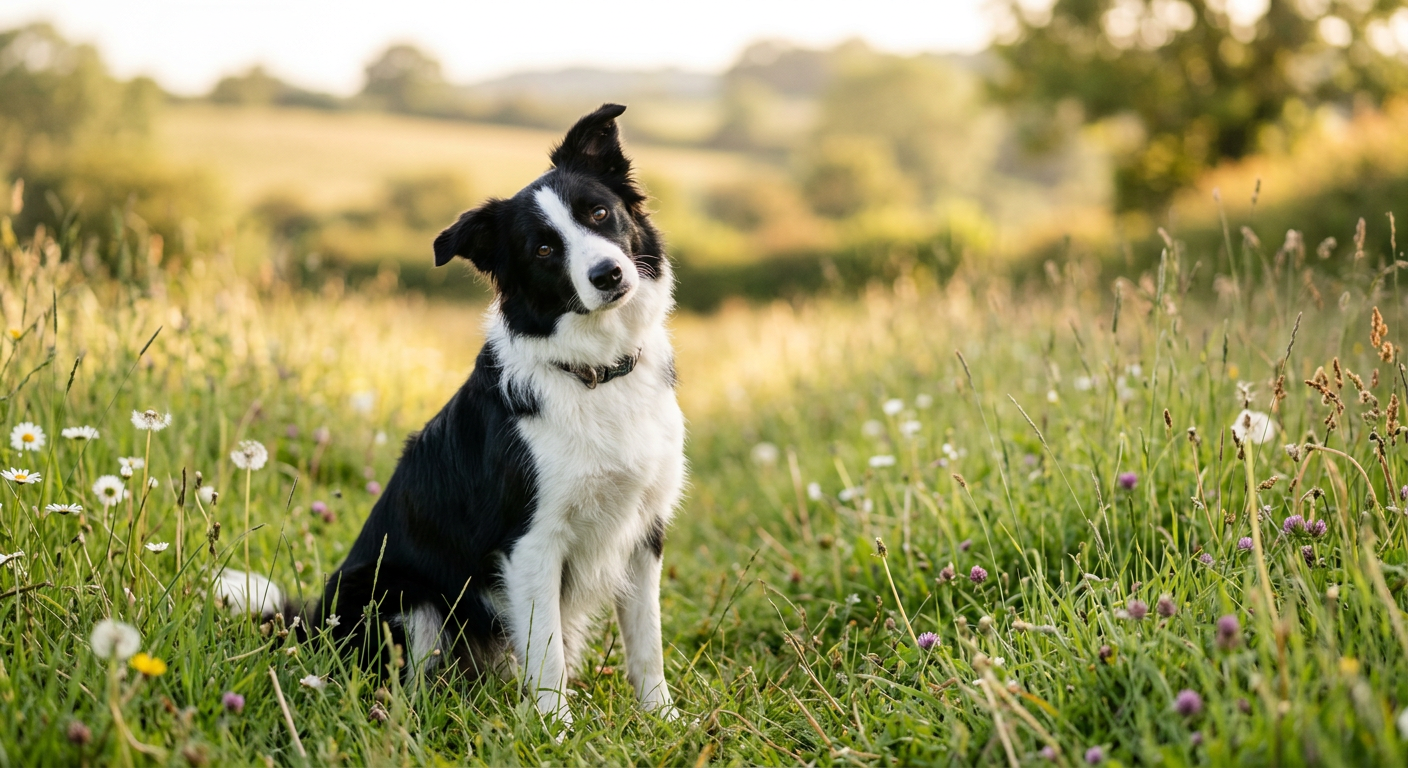
Recent studies have suggested that head tilting is a sign of high "giftedness" or intelligence in dogs. A study involving "Gifted Word Learner" dogs found that these pups tilted their heads significantly more often when hearing a command to fetch a specific toy compared to typical dogs. This suggests that the tilt is a sign of mental processing and focus.
Processing Meaningful Information
When you ask your dog, "Who's a good boy?" they aren't just hearing noise; they are searching their mental "dictionary" for familiar words and tones. The head tilt indicates that the dog is actively matching the sounds they hear to memories or expectations. It is a physical manifestation of their attempt to understand human language and intent.
The Role of Empathy
Many experts believe that dogs who frequently tilt their heads are more attuned to their owners' emotions. Because the movement is so often associated with listening, humans tend to provide positive reinforcement through smiles and praise. Over time, dogs learn that this posture is a successful way to engage with us and provide comfort, reinforcing their role as empathetic companions.
Social Reinforcement and Learning
While there are biological reasons for the behavior, we cannot ignore the power of positive reinforcement. Most humans react with a "secondary" response when they see a dog tilt their head—we coo, we pet them, or we give them a treat. Dogs are masters of observation and quickly learn which behaviors earn them attention.
If your dog notices that why dogs tilt their heads leads to a belly rub or a walk, they are highly likely to repeat the behavior. This social feedback loop strengthens the bond between pet and owner. It creates a shared form of communication where a simple movement says, "I am listening, and I want to interact with you."
This type of non-verbal communication is a key component of understanding dog body language. When we respond positively to their focus, we encourage them to remain engaged and attentive to our training and social cues.
When to Consult Your Veterinarian
While most head tilting is a sign of curiosity or communication, it is important for pet owners to recognize when the behavior might indicate a wellness consideration. If a head tilt is constant and not associated with sounds or social interaction, it may be a sign of an underlying physical issue that requires professional attention.
Potential Ear Health Issues
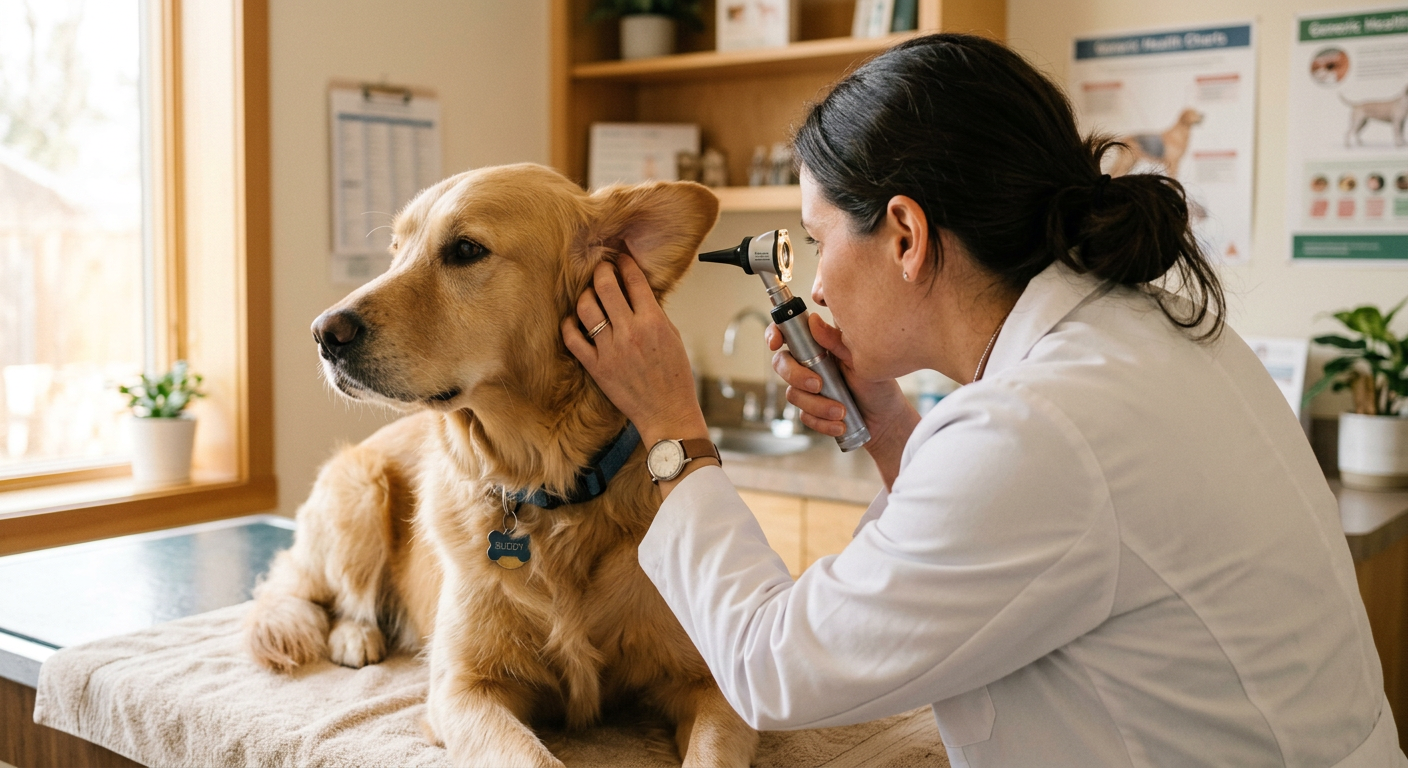
An occasional tilt is normal, but a persistent tilt can sometimes indicate an ear infection or the presence of a foreign object, like a grass seed, in the ear canal. If your dog is also scratching their ears, shaking their head frequently, or if there is a noticeable odor, a trip to the vet is recommended to ensure their ears are healthy and comfortable.
Vestibular Considerations
In some cases, especially in older dogs, a sudden and persistent head tilt can be related to the vestibular system, which controls balance. This system involves parts of the inner ear and brain. While it can appear concerning, many vestibular issues are manageable with veterinary care. Always consult your vet if you notice changes in balance, stumbling, or unusual eye movements accompanying a head tilt.
Monitoring your dog as they age is an essential part of proactive care. Larger breeds, such as those you can track on our Golden Retriever age calculator, may experience different changes than smaller breeds, so keeping a record of their standard behaviors is always helpful for your vet.
Celebrating the Canine Connection
Ultimately, why dogs tilt their heads is a multifaceted behavior that combines biology, physics, and social learning. Whether they are trying to hear the neighborhood cat, see your smile better, or simply win some extra affection, it is a testament to the complex and beautiful relationship we share with dogs.
By paying attention to these small gestures, we can become better advocates for our pets. We learn to recognize their enthusiasm, their confusion, and their deep desire to be a part of our world. The next time your dog cocks their head at your whistling, take a moment to appreciate the incredible intelligence and emotional depth behind that simple, sweet movement.
For more insights into your dog's fascinating behaviors, feel free to explore our other guides on reading ear positions or decoding tail wags. The more we understand, the better we can care for our four-legged family members.