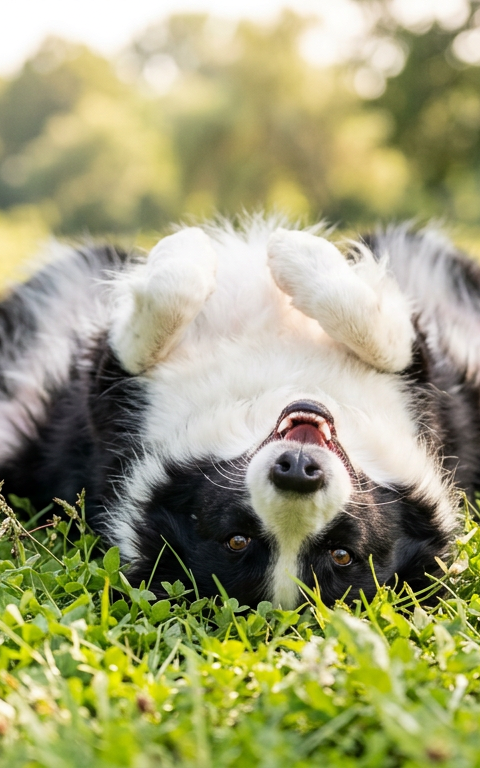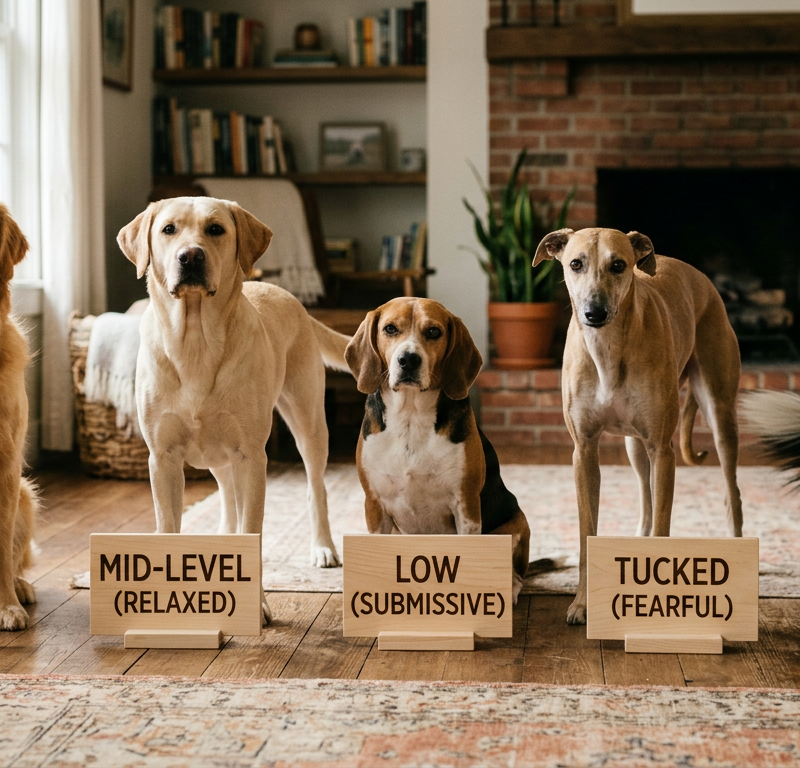
Most pet owners believe a wagging tail is an automatic sign of a happy pup. While it often signals joy, understanding what your dog's tail wagging really means requires a deeper look at the direction, height, and speed of the movement. A wag is much more than a simple greeting; it is a complex social signal used to communicate emotions ranging from excitement to uncertainty or even a desire for space.
To truly connect with your canine companion, you must learn to read these subtle physical cues. By observing the tail in the context of the rest of the dog’s body, you can better understand their emotional state and provide the appropriate care and attention they need in various social situations.
The Science of the Wag: It’s All About Communication
Dogs evolved tail wagging primarily as a way to communicate with both other dogs and humans. Interestingly, puppies do not begin wagging their tails until they are about three to four weeks old, which is when they start interacting socially with their littermates. This suggests the behavior is learned and refined through social experience.
The tail serves as a visual flag that broadcasts a dog's intentions from a distance. When you analyze what your dog's tail wagging really means, it is helpful to think of the tail as a tension release valve. It helps disseminate pheromones from the anal glands while providing a clear visual indicator of the dog's internal energy level.
Height and Position
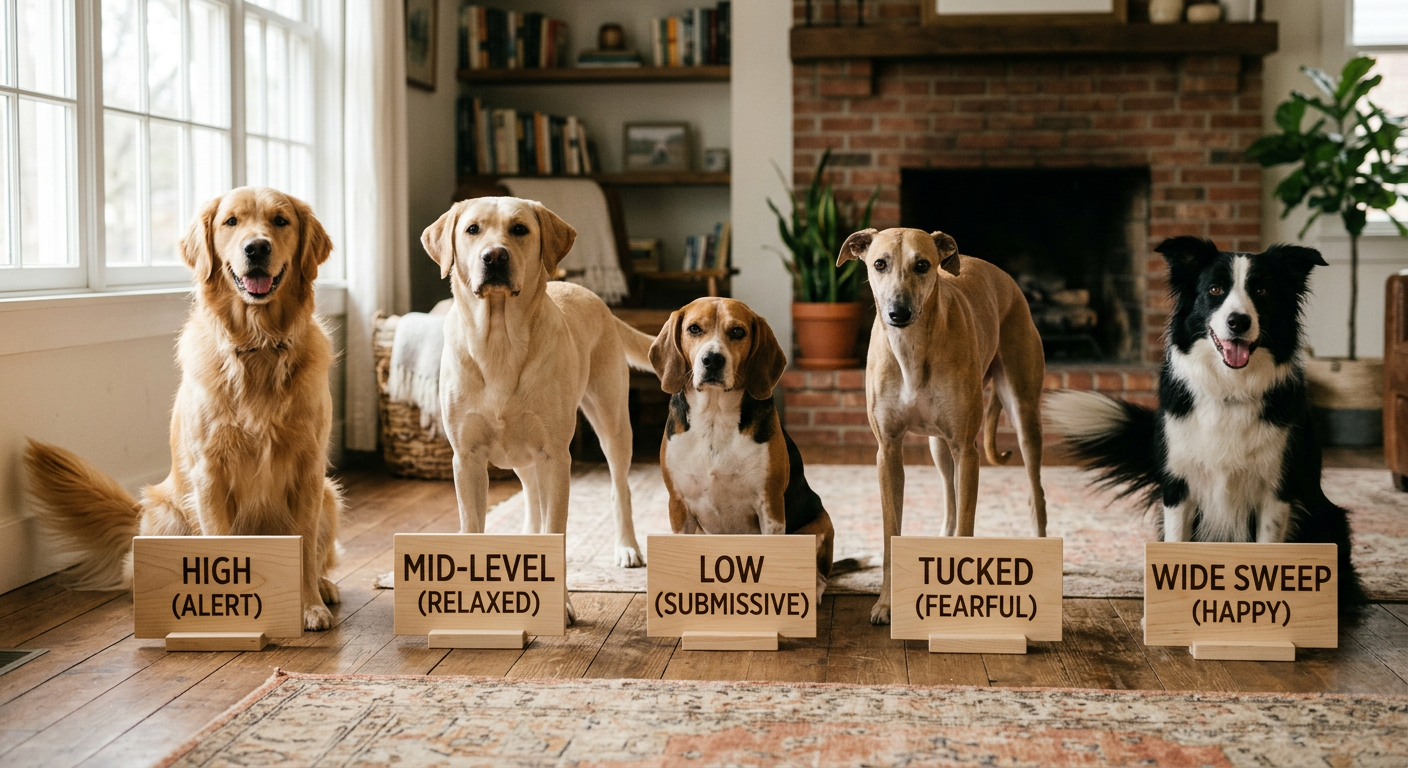
The height at which a dog carries their tail is often the first indicator of their mood. A neutral position, which varies by breed, suggests a relaxed state. For example, a Golden Retriever naturally carries their tail lower than a Shiba Inu or a Husky whose tails naturally curl over their backs.
When the tail rises above the natural spine line, it often indicates high arousal or alertness. This doesn't always mean aggression; it could simply mean your dog has spotted a squirrel or is intensely focused on a game of fetch. Conversely, a tail tucked between the legs usually signals that a dog is feeling overwhelmed or seeking security.
The Speed and Breadth of the Movement
The vigor of the wag tells you about the intensity of the emotion. A slow, tentative wag often indicates a dog who is assessing a new person or environment. They are curious but cautious. In contrast, a wide, sweeping wag—often called the "helicopter tail"—is a classic sign of friendliness and enthusiasm.
If you see a very fast, vibrating wag that looks almost like a twitch, it typically represents high tension. This is a moment where it is best to give your dog some space and observe their surroundings to see what might be causing them to feel on edge. You can learn more about these subtle shifts in our guide to understanding dog body language.
The Direction Matters: Left vs. Right
Research has revealed a fascinating nuance in canine communication: the direction of the wag matters. Studies suggest that when a dog wags their tail more to the right side of their body, it is associated with positive feelings, such as seeing their owner or a familiar friend. This is linked to the left hemisphere of the brain, which processes positive emotions.
On the other hand, a wag that leans toward the left side of the body is often triggered by something the dog feels uncertain about, such as a dominant dog they don't know well. Understanding what your dog's tail wagging really means in terms of lateralization can provide you with a "secret window" into their brain's processing.

Consistency in Breed Communication
While the basic rules of tail wagging apply to most dogs, physical differences can change how these signals are delivered. A French Bulldog with a corkscrew tail or a Doberman with a docked tail may have more difficulty communicating via tail movement alone. This is why looking at the whole body is essential.
If you have a breed with a unique tail, you might want to check out our French Bulldog age calculator to learn more about their specific milestones, as communication styles often evolve as a dog matures from puppyhood into their senior years.
Context is Everything
You should never interpret a tail wag in isolation. To truly grasp what your dog's tail wagging really means, you must look at the surrounding environment. Is the dog's body stiff or wiggly? Are their ears pinned back or forward? Is their mouth open in a "smile" or tightly closed?
A "wiggly butt" wag, where the entire rear end moves with the tail, is almost universally a sign of a happy, social dog. However, a stiff, high-wagging tail accompanied by a hard stare is a clear signal that the dog is feeling defensive and would prefer not to be approached at that moment.
Common Misconceptions
One of the most common mistakes owners make is assuming that any wagging tail means "come pet me." Even dogs in a state of conflict might wag their tails. This "conflict wag" is often jerky and irregular, signaling that the dog is unsure whether to approach or retreat.
By respecting these signals, you build a foundation of trust with your pet. When a dog sees that you understand their subtle requests for space or their invitations for play, their bond with you strengthens. Proactive care involves being an advocate for your dog's emotional well-being just as much as their physical health.
Tail Wagging and Social Interaction
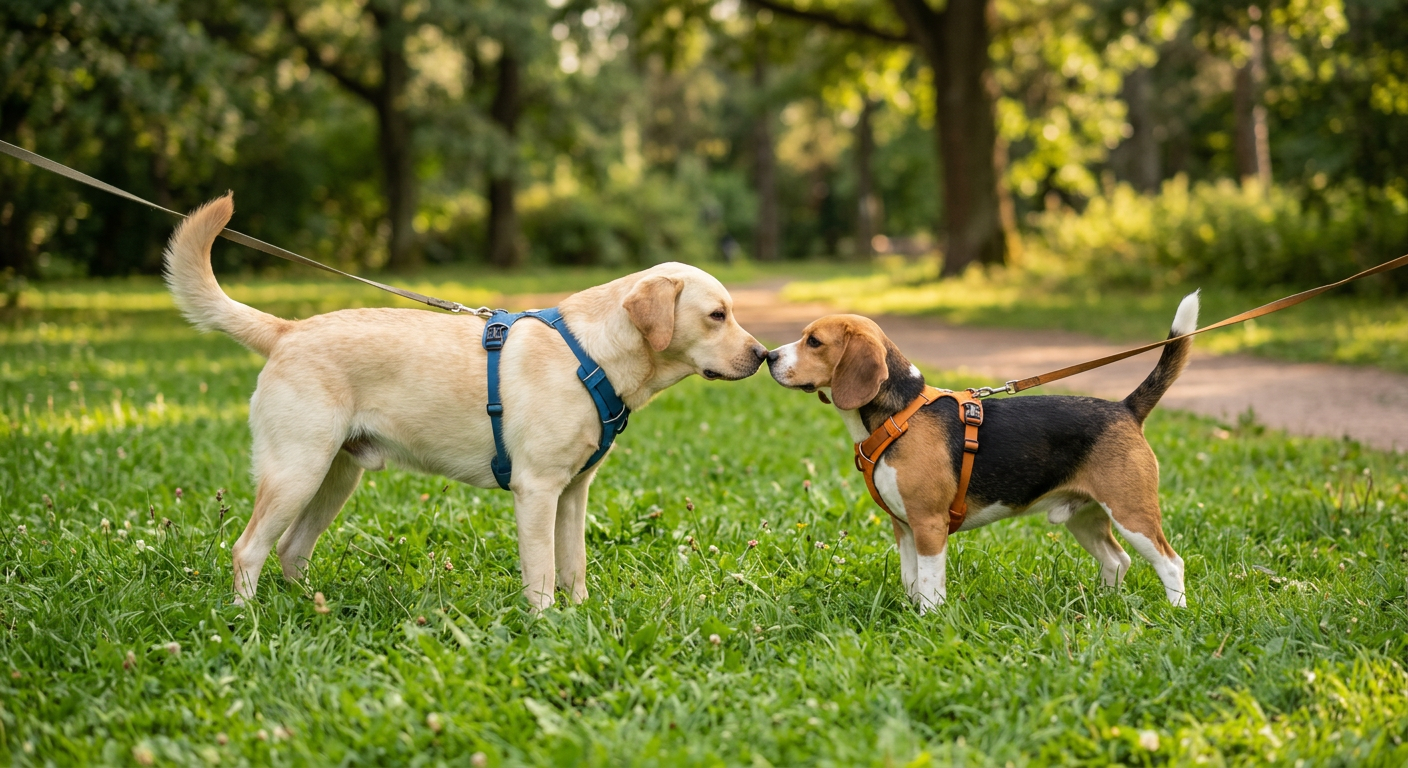
When dogs meet, their tails act as a social barometer. You may notice that two dogs meeting for the first time will have very stiff, slow-moving tails. They are "reading" each other's scents and body language. As they become more comfortable, the tails usually loosen up and the tempo of the wag increases.
If you are considering adding a second dog to your home, comparing breeds can help you understand different communication styles. For instance, you might compare a Golden Retriever vs a German Shepherd to see how their varying energy levels and body language might interact in a shared household.
Environmental Influences
External factors like loud noises, crowded parks, or the presence of food can drastically change the meaning of a wag. A dog wagging their tail over a high-value bone might be showing "resource guarding" behavior, which is a sign of tension rather than joy. In these instances, it is best to consult with a professional trainer or veterinarian for guidance on managing these wellness considerations.
Conclusion
Learning what your dog's tail wagging really means is a rewarding journey that brings you closer to your furry friend. It transforms "dog ownership" into a true two-way conversation. By paying attention to the height, speed, and direction of the wag—and always considering the context—you can ensure your dog feels heard and understood.
Remember that every dog is an individual. While these guidelines provide a strong foundation, your dog may have their own "dialect" of tail wags. Spend time observing them in different situations, and you will soon become an expert in your own dog's unique language. If you ever have concerns about sudden changes in your dog's behavior or tail carriage, always reach out to your veterinarian for a professional wellness check.