Have you ever looked into your dog's eyes and felt like they were trying to tell you their entire life story? As humans, we rely heavily on verbal communication, but our canine companions use their gaze to express a wealth of emotions. Understanding what your dog's eyes are telling you is a vital skill for any pet parent, helping to deepen the bond you share while ensuring your dog feels safe and heard.
A dog’s eyes are remarkably expressive, capable of conveying everything from pure love to subtle apprehension. By learning to decode the size of their pupils, the shape of their eyelids, and the direction of their gaze, you can become more in tune with their needs. This guide will walk you through the nuances of canine eye language so you can interpret every blink and stare with confidence.
The Soft Gaze: A Sign of Affection and Trust
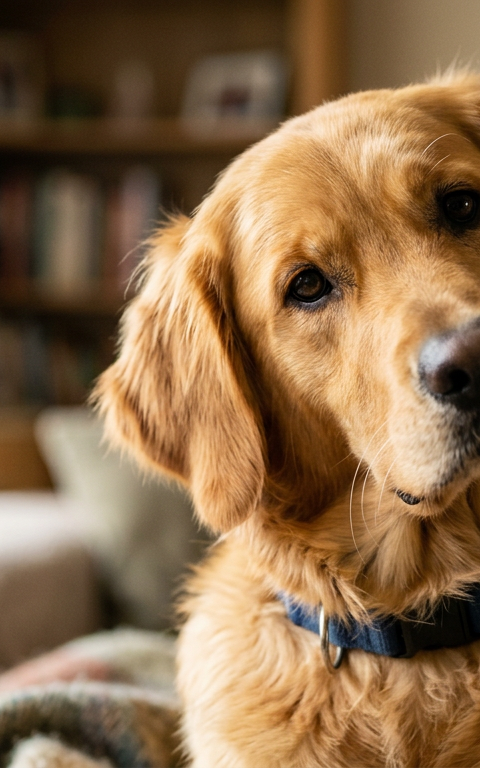
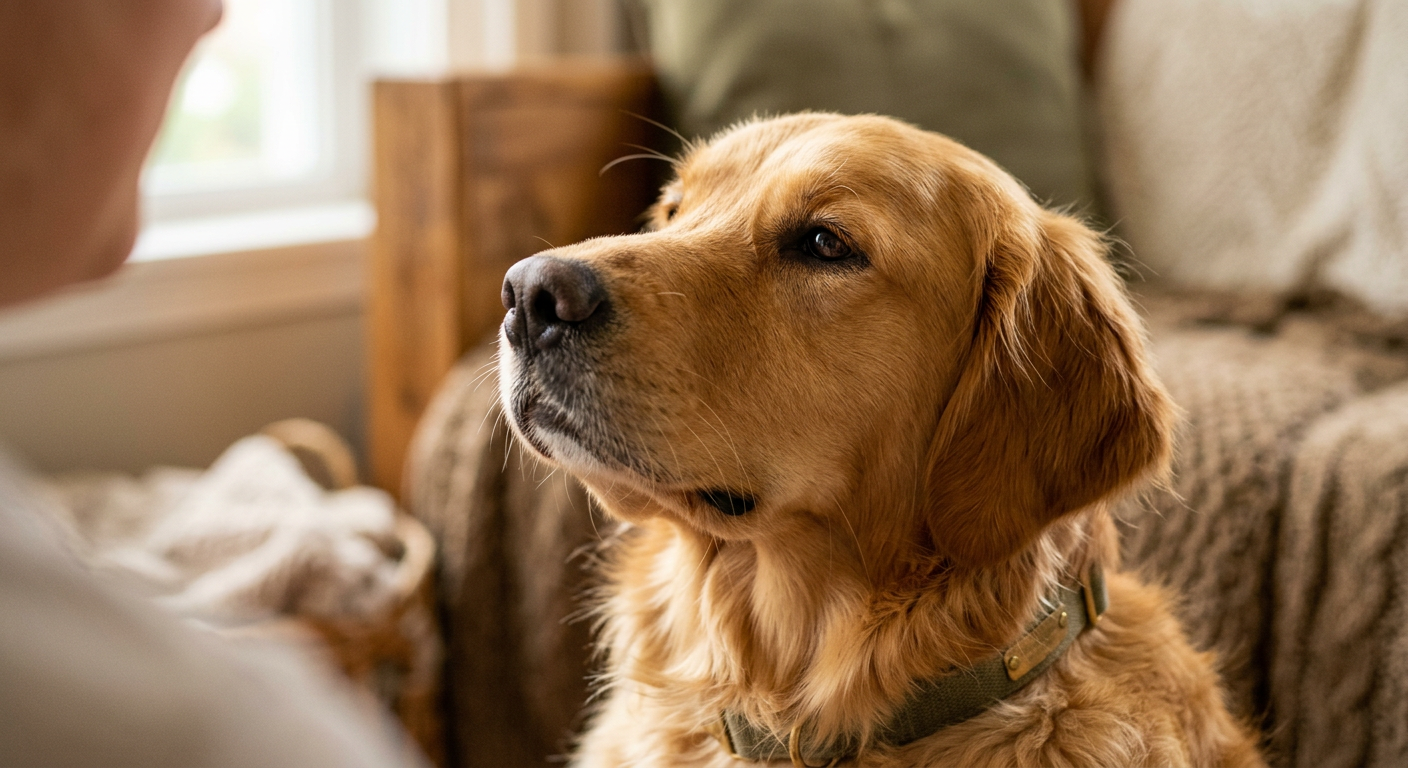
One of the most heartwarming experiences for a pet owner is the "soft gaze." This is when your dog looks at you with relaxed eyelids, showing no signs of tension in their face. This gentle expression often triggers a release of oxytocin, known as the "love hormone," in both humans and dogs.
When you notice what your dog's eyes are telling you during these quiet moments, you are witnessing a profound level of trust. A relaxed gaze suggests that your dog feels secure in your presence and is enjoying a moment of social bonding. This is quite different from the intense, focused stare they might give a squirrel in the park.
The Blink and the Squint
Just like humans, dogs use blinking to convey friendliness. A slow blink is often a sign of submission or a peaceful "white flag." It tells other dogs and humans that they mean no harm and are feeling calm. If your dog squints at you during a petting session, they are likely savoring the affection and feeling completely relaxed.
Interpreting Whale Eye and Direct Stares
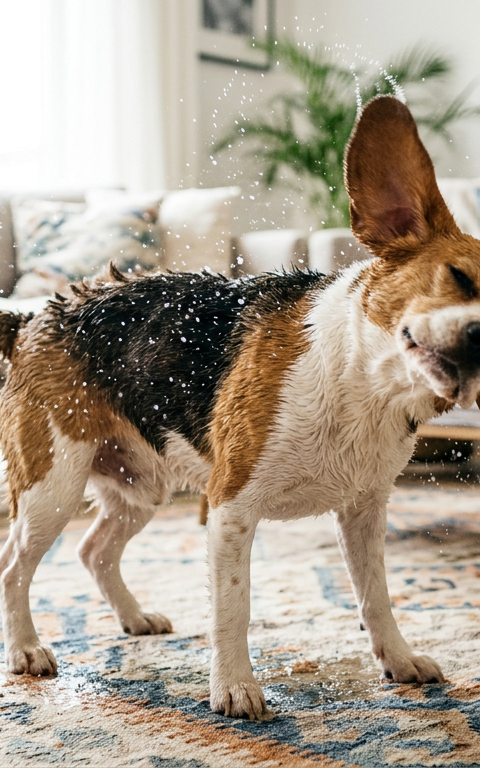
In the world of canine body language, the amount of white visible in a dog's eye can be very telling. "Whale eye" occurs when a dog turns their head slightly away but keeps their eyes fixed on something, revealing the white sclera in a crescent shape. This usually indicates that the dog is feeling anxious, guarded, or protective of a resource.
Understanding what your dog's eyes are telling you when you see whale eye is crucial for proactive care. It is a subtle signal that the dog needs more space. If you see this while they are eating or holding a toy, it is best to step back and let them settle. You can learn more about these subtle cues in our complete guide to dog body language.
Hard Stares vs. Soft Stares
A "hard stare" involves a fixed, unblinking gaze with dilated pupils. In the animal kingdom, this can be a precursor to a defensive movement or a challenge. If your dog is staring intensely at another dog without blinking, it is often a sign of tension. Conversely, a soft, shifting gaze indicates a dog that is curious but not feeling confrontational.
Pupil Dilation and Emotional State
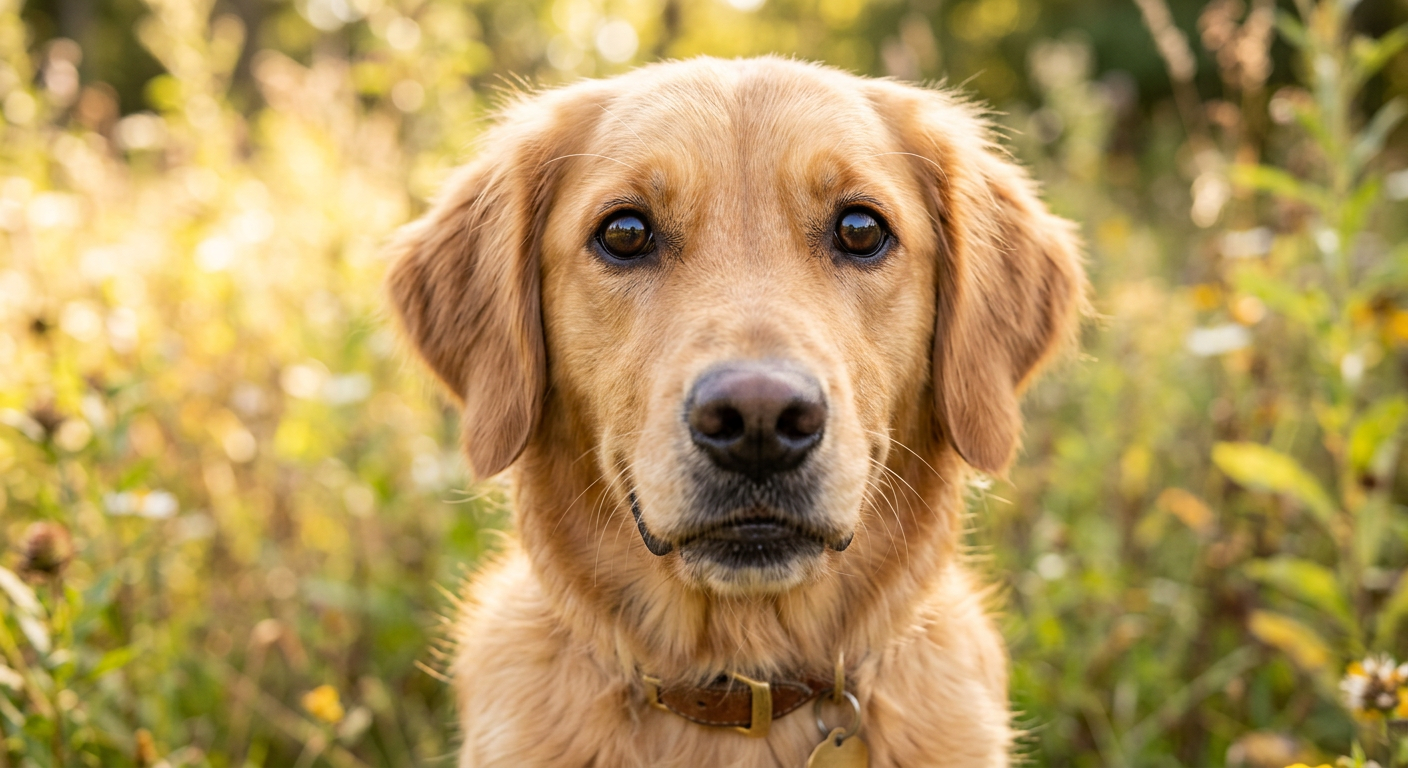
The pupils are the windows to a dog's nervous system. While light levels naturally affect pupil size, emotions play a significant role as well. When a dog is excited, playing, or feeling defensive, their pupils may dilate significantly, making their eyes look darker and more intense.
When assessing what your dog's eyes are telling you, always consider the environment. If your dog’s pupils are large in a well-lit room, they may be experiencing heightened arousal or stress. This is common during thunderstorms or when meeting a new person for the first time. Monitoring these changes helps you manage their environment to keep them comfortable.
The Role of Adrenaline
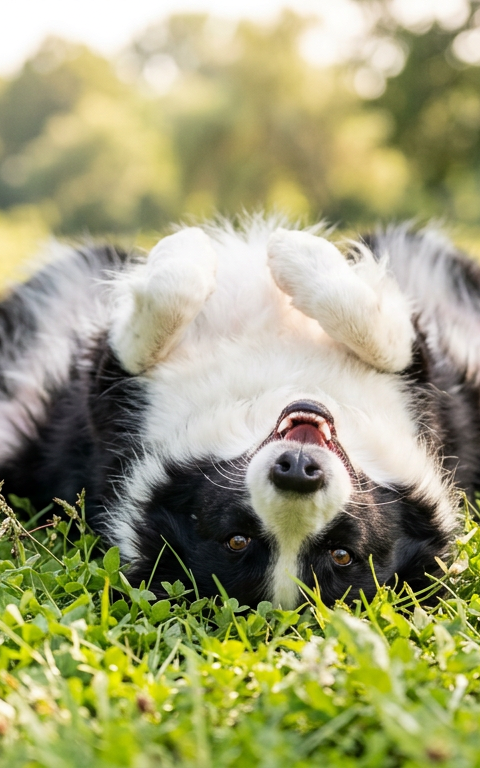
Adrenaline causes the pupils to widen to let in more light, preparing the dog for action. Whether that action is chasing a ball or reacting to a loud noise, the eyes will reflect that internal surge. If you have a high-energy breed like a Border Collie, you may see this frequently during intense play sessions.
Eye Contact in Training and Socialization
Teaching a dog to make eye contact is a foundational part of positive reinforcement training. It signifies focus and readiness to work. However, the nature of that eye contact matters. A dog that looks to their owner for guidance is showing a healthy partnership, whereas a dog that refuses to look at you might be feeling overwhelmed or confused.
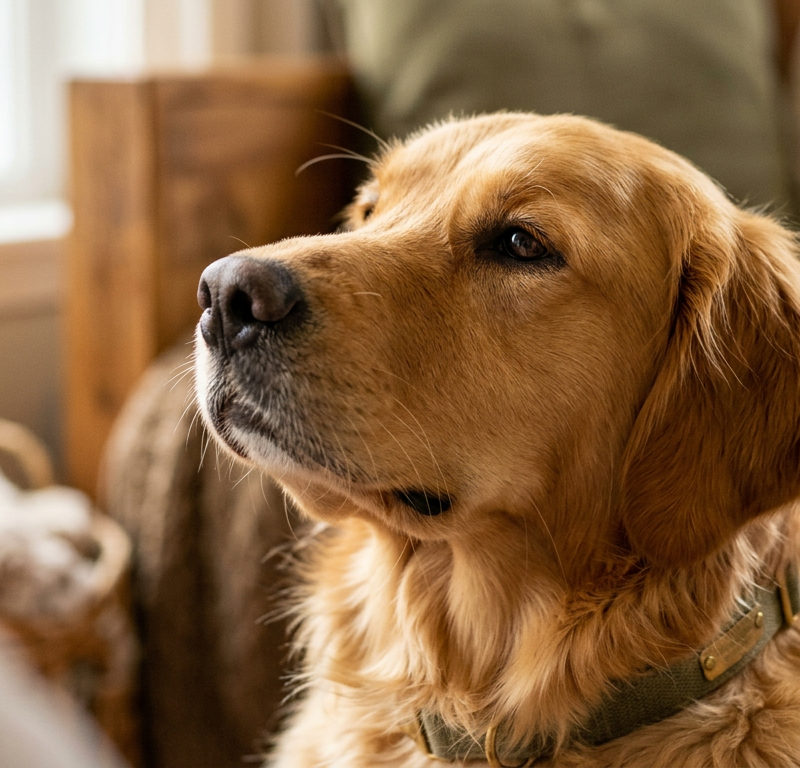
If you are comparing different breeds, such as a Golden Retriever vs. Labrador Retriever, you might notice slight variations in how they use eye contact to communicate their willingness to please. Regardless of the breed, a dog that seeks out your eyes is generally looking for a social connection or instructions on what to do next.
Avoiding Direct Confrontation
Many dogs avoid direct eye contact with strangers because, in "dog language," a direct stare from an unknown entity can feel confrontational. If a new dog won't look you in the eye, they aren't being "shifty"—they are actually being polite. Respecting this by looking slightly away can help the dog feel more at ease in your presence.
Proactive Eye Health and Comfort
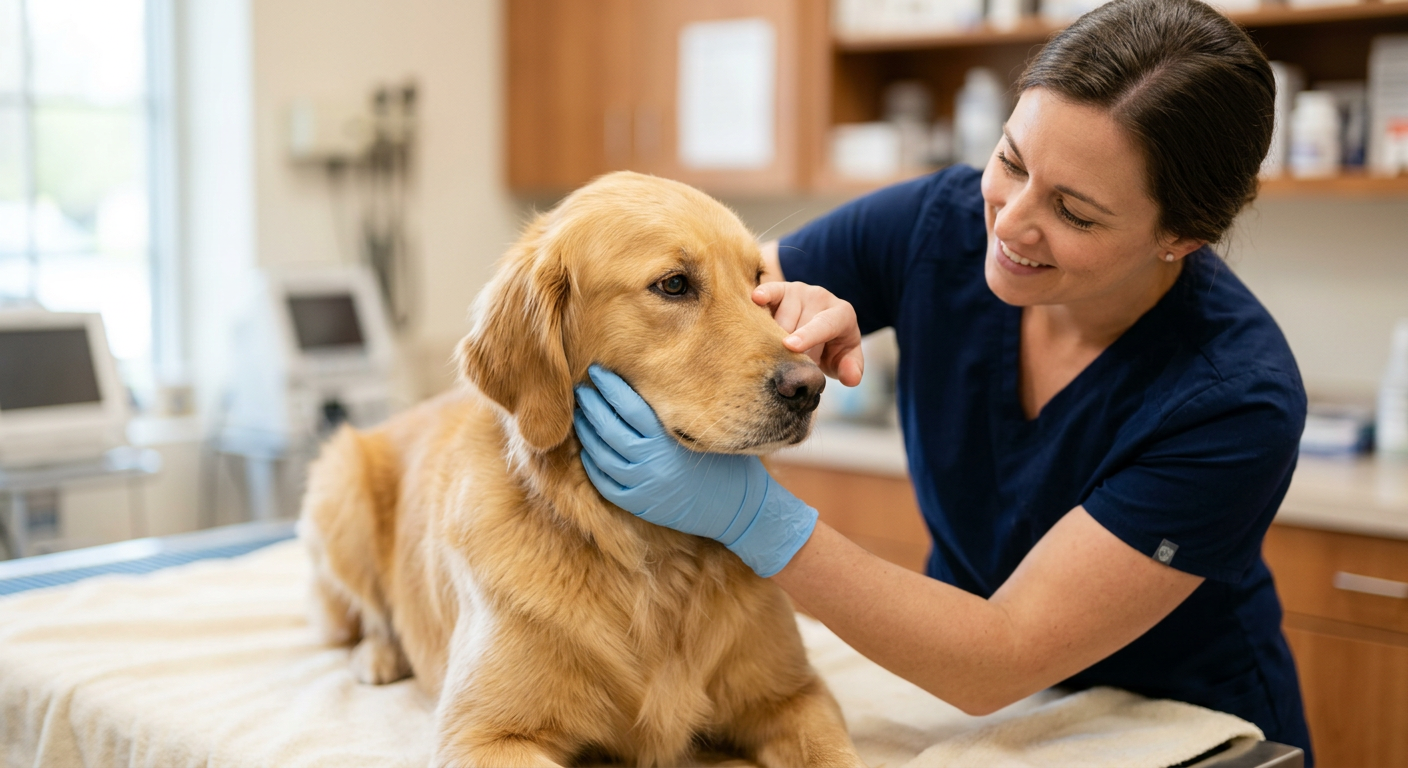
While we focus on the emotional side of what your dog's eyes are telling you, it is equally important to notice physical changes. Redness, cloudiness, or excessive tearing are wellness considerations that should never be ignored. If your dog is suddenly squinting more than usual or pawing at their face, it is time for a professional check-up.
Some breeds are more prone to eye-related concerns due to their facial structure. For instance, flat-faced breeds often have more prominent eyes that require extra care. Regular inspections of the eye area should be part of your routine grooming and wellness check-ins to ensure your pet stays happy and healthy.
When to Consult a Veterinarian
If you notice a sudden change in how your dog’s eyes look or if they seem sensitive to light, we always recommend consulting a veterinarian. Diagnostic tools can rule out discomfort and ensure your dog’s vision remains sharp as they age. Understanding their typical expression makes it much easier to spot when something is "off."
Putting It All Together
To truly understand what your dog's eyes are telling you, you must look at the "whole dog." An intense stare combined with a wagging tail means something very different than an intense stare combined with a stiff body. You can pair your eye-reading skills with our guide on what dog tail wagging really means to get the full picture.
Communication is a two-way street. When you respond appropriately to your dog's visual cues—giving them space when they show whale eye or returning a soft gaze—you strengthen your relationship. You become a person they can trust to understand their silent language, leading to a more harmonious life together.
Our dogs are constantly speaking to us, even when they aren't making a sound. By paying close attention to their eyes, you unlock a deeper understanding of their emotional world. It is one of the most rewarding aspects of being a dog owner, turning every look into a meaningful conversation.