Understanding your canine companion goes far beyond knowing their favorite treats or walking routes. One of the most expressive parts of a dog's body is their ears, which act like sophisticated radar dishes for their emotions. By learning the art of reading your dog's ear positions, you can gain profound insights into their mood, confidence levels, and overall well-being. This guide will help you decode these subtle shifts to strengthen the bond you share with your furry friend.
Every dog is unique, and their ear shape—whether button, prick, or floppy—influences how they express themselves. While a Labrador's heavy ears move differently than those of a German Shepherd, the underlying muscular movements remain remarkably consistent across all breeds. Let's explore how to interpret these silent signals to better provide for our pets' needs.
The Neutral State: Relaxed and Content
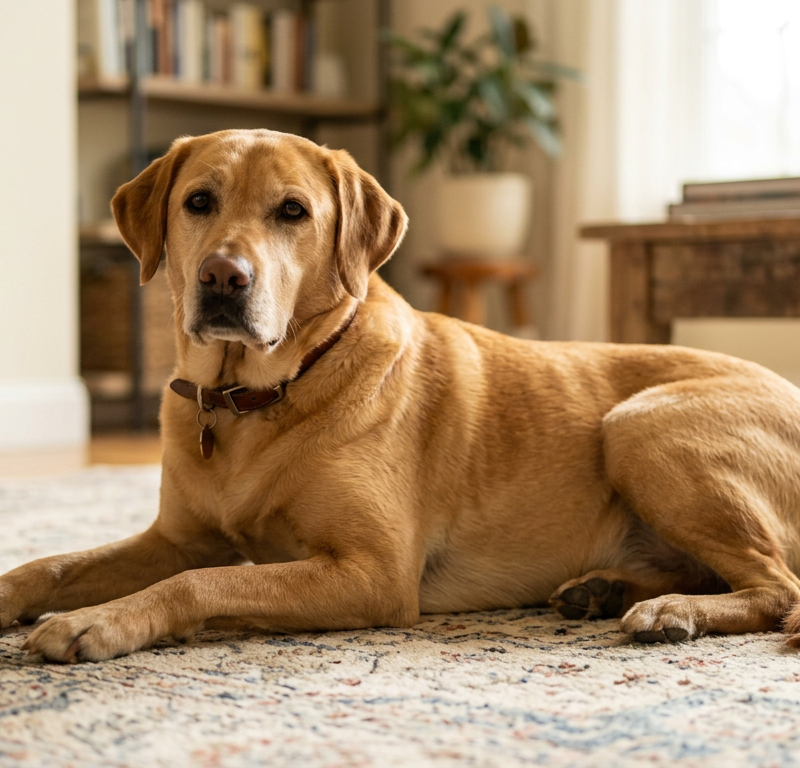
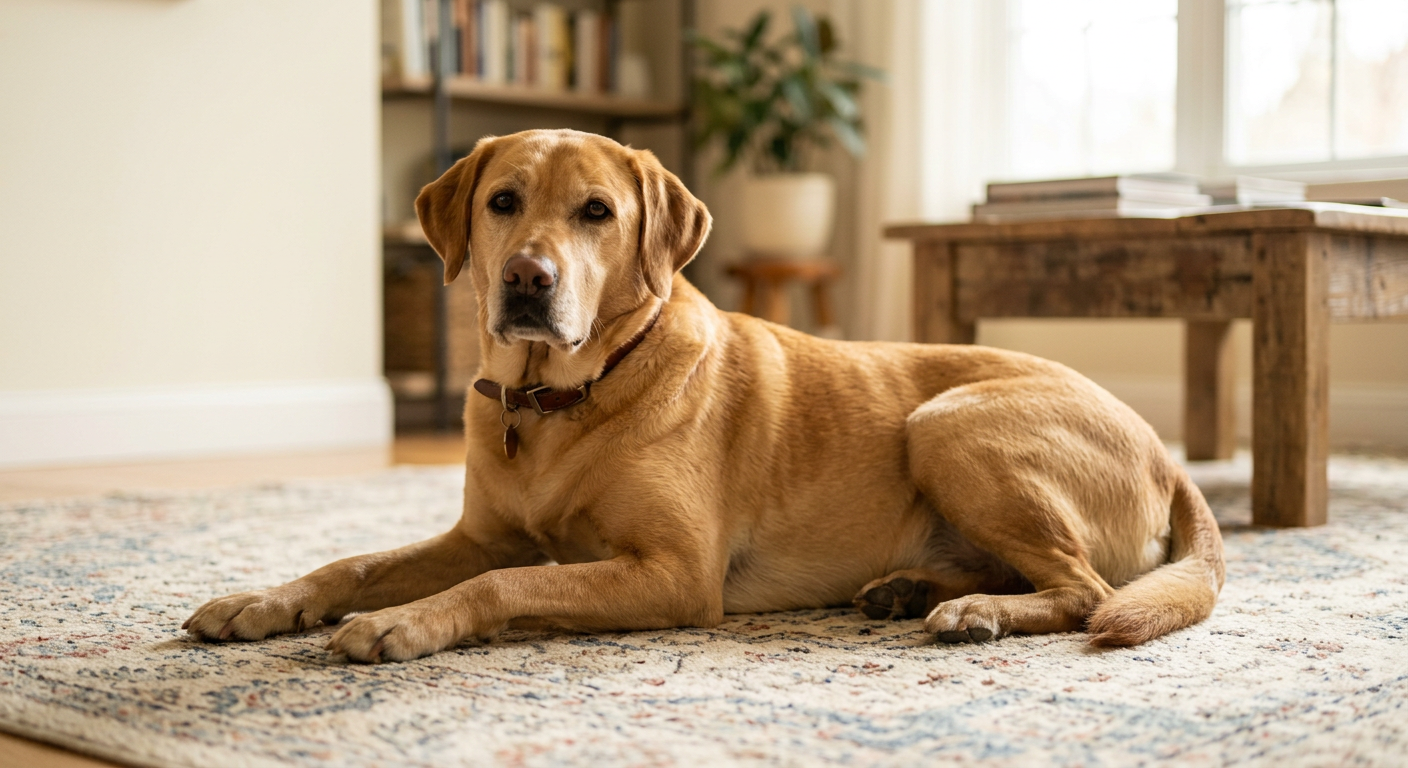
When a dog is at peace, their ears sit in what is known as the "neutral" position. This is the baseline you should use when reading your dog's ear positions. In this state, the muscles around the base of the ear are soft and pliable, not pulled tight in any specific direction.
For a dog with upright ears, the neutral position usually means they are angled slightly outward and forward, but without tension. For floppy-eared dogs, the ears will hang naturally against the sides of the head. This indicates a dog that is comfortable in their environment and ready for a nap or a gentle play session.
Recognizing the Baseline
To accurately assess your pet, observe them while they are resting in a familiar environment. Take note of where the ears sit when nothing is demanding their attention. You can use our Golden Retriever age calculator to see how life stages might influence your pet's energy levels and general posture.
A relaxed dog will often have a soft gaze and a slightly open mouth. Their ears won't be twitching excessively or pinned back. If you notice this calm state, it is the perfect time for quiet bonding or brushing.
Alertness and Curiosity: Ears Forward
When something catches your dog's interest, their ears will instantly shift forward. This vertical or forward-leaning posture indicates that the dog is focusing their attention on a specific sound or sight. Reading your dog's ear positions during these moments helps you understand what captures their curiosity in the world.
In this state, the "ear leather" (the flap of the ear) is pushed toward the front of the face. This helps the dog funnel sound waves more efficiently into the ear canal. It is often accompanied by a closed mouth and a focused, intense stare.
The Difference Between Curiosity and Vigilance
While forward ears often signal simple interest, they can also indicate high arousal. If the ears are pitched extremely far forward and the dog's body is stiff, they may be preparing to react to something. Understanding this nuance is a key part of understanding your dog's body language more broadly.
If your dog's ears are forward but their tail is wagging in a loose, circular motion, they are likely just excited. However, if the body is rigid, it might be time to calmly redirect their focus to prevent them from becoming overstimulated. Proactive guidance is always the best approach for a well-adjusted pet.
Communication Through Flat and Pinned Ears
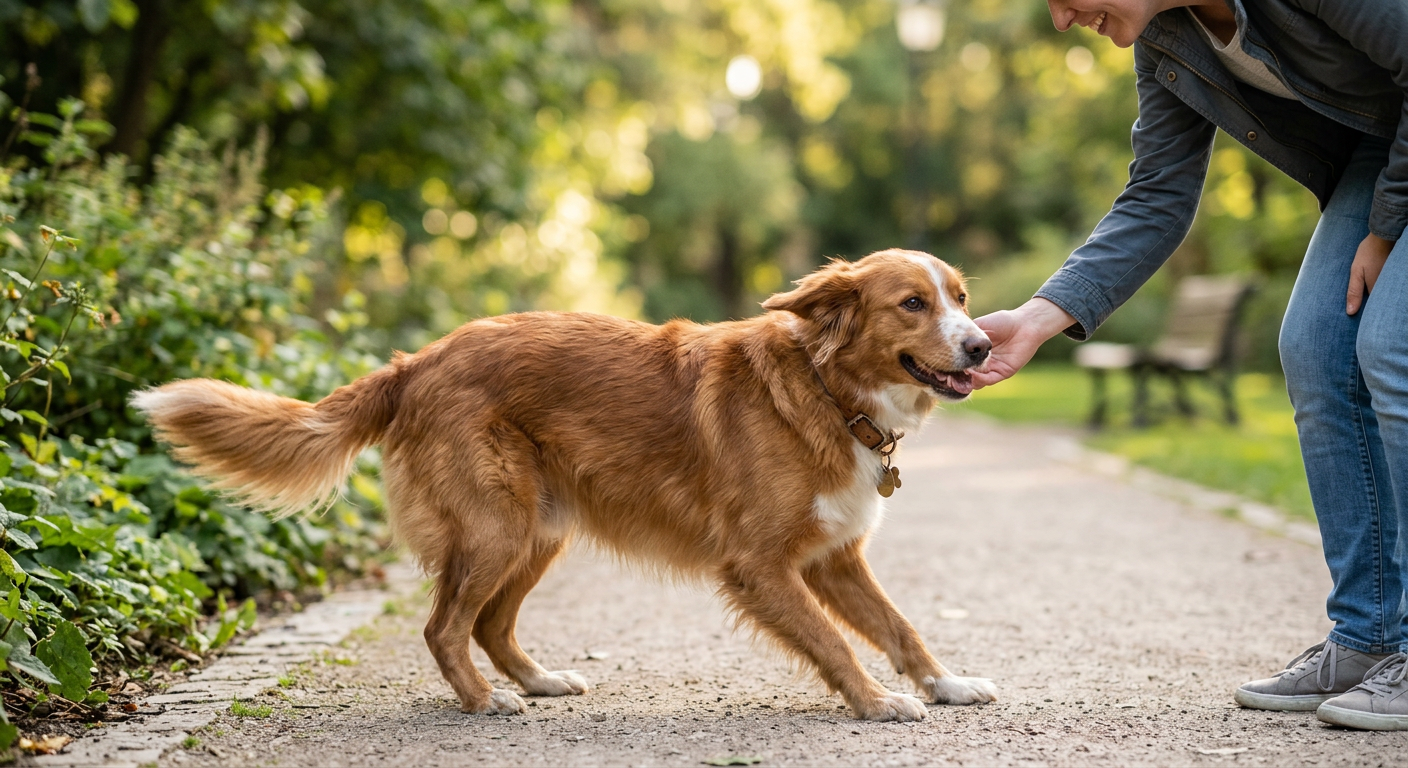
When a dog pulls their ears back against their head, the meaning relies heavily on the context of the situation. Some owners find this position difficult to interpret because it can signal both affection and a need for space. Reading your dog's ear positions requires looking at the rest of the body to distinguish between these two very different emotions.
Gently pulled-back ears often accompany what we call "appeasement" behavior. This is a dog's way of saying they are friendly and pose no threat. It is commonly seen when a dog greets their favorite human after a long day at work.
The "Submissive" vs. "Wary" Pull
If the ears are slightly back and the dog has a "wiggly" body and a wagging tail, they are likely expressing joy and submission. However, if the ears are pinned tightly back against the skull and the dog is crouching or licking their lips, they may be feeling overwhelmed or uncertain.
In these instances, your dog is communicating that they need a little bit of reassurance or a break from the current environment. By acknowledging these signals, you show your dog that you are a trustworthy partner who respects their boundaries.
The Asymmetrical "Cocking" of the Head
One of the most endearing sights for any pet owner is the classic head tilt accompanied by shifting ears. This movement is a vital part of reading your dog's ear positions during interactive play or training. When a dog cocks their head, they are physically adjusting their ears to better locate the source and distance of a sound.
This often happens when you use a high-pitched voice or say a favorite word like "walk" or "treat." One ear may move slightly higher or forward than the other. This shows that your dog is actively processing information and trying to understand your intent.
Cognitive Engagement
Frequent head tilting and ear shifting during communication suggests a dog that is highly engaged with their owner. This level of focus is often seen in working breeds. If you're interested in how different breeds compare in their communication styles, you might enjoy our look at the German Shepherd vs. Labrador Retriever.
Encouraging this engagement through positive reinforcement helps keep your dog's mind sharp. When they tilt their head and move their ears toward you, they are essentially "listening with their whole face," showing a wonderful willingness to connect.
Changing Directions: Rapid Ear Twitching
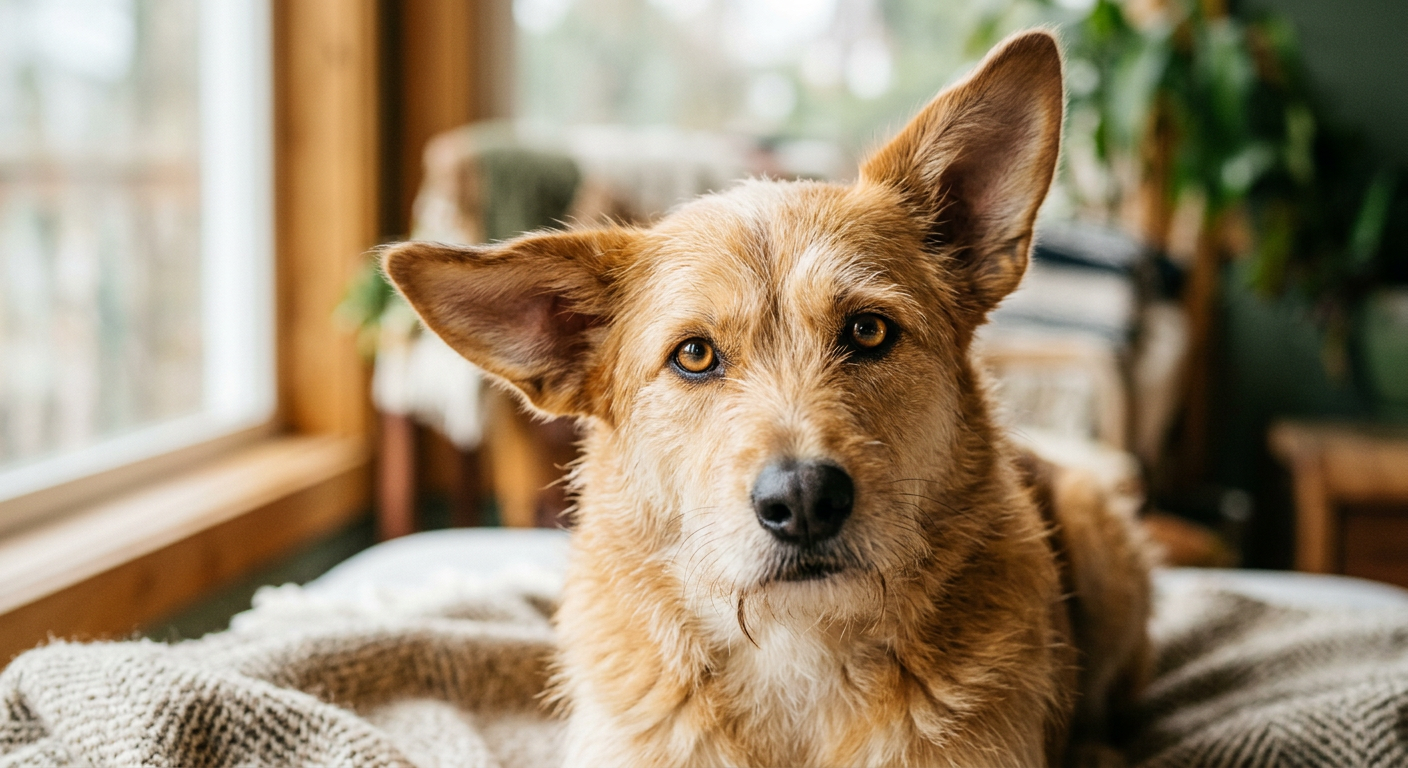
Have you ever noticed your dog's ears moving independently of each other, almost like satellite dishes? This rapid twitching or rotating is a sign that your dog is scanning their environment. Reading your dog's ear positions when they are "multitasking" can be quite fascinating.
Dogs have over a dozen muscles in their ears, allowing them to rotate each ear independently up to 180 degrees. If one ear is pointed toward the kitchen and the other is toward the front door, your dog is monitoring two different areas of interest simultaneously.
Environmental Awareness
This behavior is very common when a dog is in a new or busy environment, such as a park or a pet-friendly shop. It doesn't necessarily mean they are worried; rather, it shows they are being observant. If they seem calm while doing this, there is no need for concern.
However, if the ear movements become frantic and the dog cannot seem to settle their focus, they might be feeling a bit of sensory overload. In these cases, moving to a quieter area can help them regain their composure and feel more secure.
Conclusion: The Ear-Body Connection
Reading your dog's ear positions is an essential skill for any pet parent, but it should never be done in isolation. To truly understand what your dog is telling you, always look at the "whole dog"—their eyes, tail, posture, and mouth. Small shifts in ear placement are the subtle punctuation marks in the story your dog is telling every day.
By staying observant and responding to these cues with patience and kindness, you create a deeper language of trust. If you ever notice sudden, persistent changes in how your dog holds their ears, or if they seem sensitive to being touched near the base of the ear, a visit to your veterinarian is recommended to ensure their ears are healthy and comfortable.
Your dog works hard to understand your words and gestures. By taking the time to decode their silent signals, you are returning that love and commitment. Happy decoding!