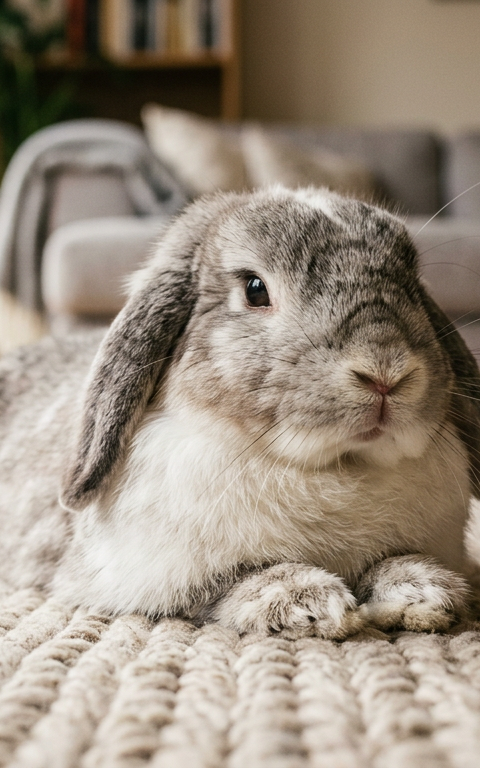
Living with a bunny is often a journey of soft nose twitches and quiet companionship. However, it can be quite a shock when your gentle friend suddenly becomes confrontational. If you are asking yourself "why does my rabbit grunt and lunge at me," you are likely feeling a mix of confusion and concern for your pet’s well-being.
Rabbits are typically seen as prey animals, which means their defense mechanisms are finely tuned. When they feel threatened or hormonal, they may use vocalizations and physical posturing to communicate their boundaries. Understanding these signals is the first step toward rebuilding a peaceful relationship with your long-eared companion.
In this guide, we will explore the common reasons behind this assertive behavior. From territorial instincts to health-related irritability, we will cover how to interpret these actions and what you can do to support your rabbit's emotional health.
The Root Causes of Rabbit Aggression
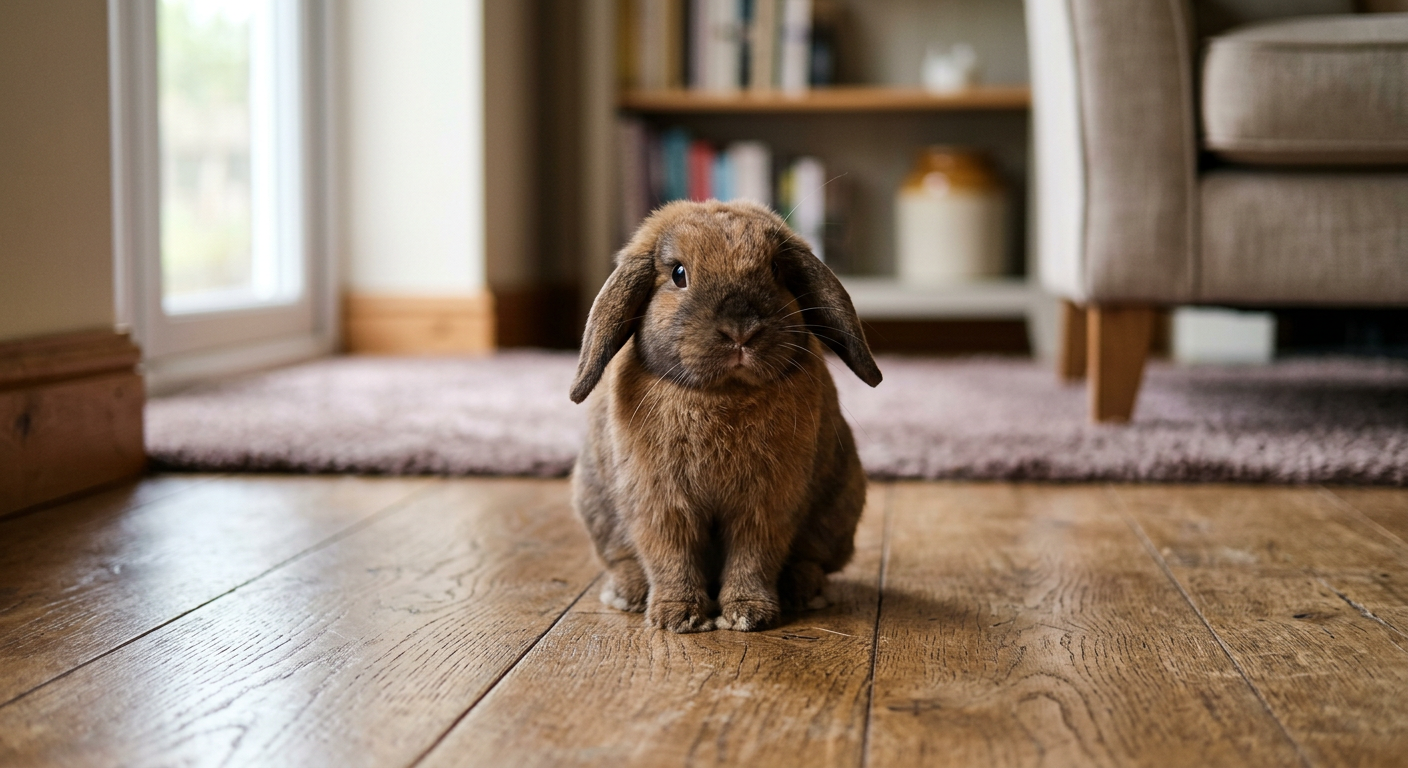
Rabbits don't hold grudges, but they do have memories and instincts that drive their daily interactions. When a rabbit grunts and lunges, they are usually trying to tell you something very specific about their current state of mind or environment. Identifying the trigger is key to resolving the tension.
Territorial Instincts and Guarding
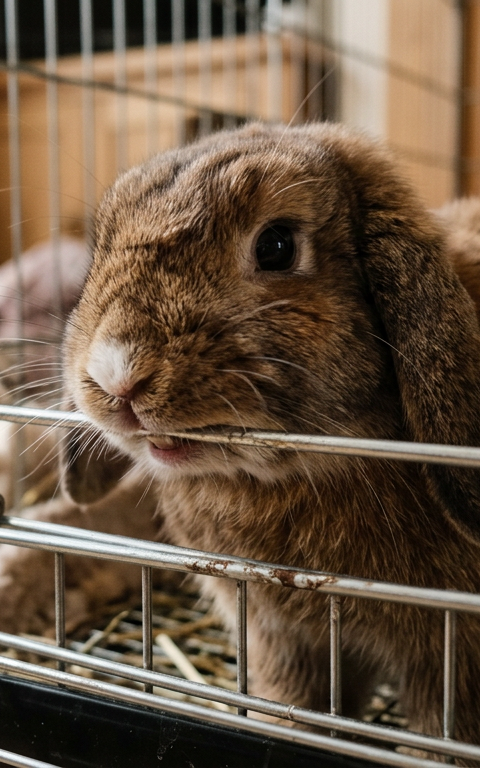
In the wild, a rabbit’s burrow is their sanctuary. Domestic rabbits view their enclosures or favorite rugs the same way. When you reach into their space to clean a litter box or pet them, they might see your hand as an intruder invading their safe zone.
This behavior is often referred to as "cage aggression." It is common for a rabbit to feel more confident and protective when they are within their own four walls. You can read more about decoding rabbit body language and behavior to spot the subtle cues leading up to a lunge.
Hormonal Changes in Unfixed Rabbits
If your rabbit has reached maturity but hasn't been spayed or neutered, hormones are a very likely culprit. Sexual maturity brings about a strong drive to protect territory and establish dominance. This can lead to increased vocalizations and physical outbursts toward owners.
The "hormonal lunge" is often accompanied by circling your feet or even light nipping. Neutering or spaying is frequently recommended by veterinarians not just for population control, but to provide a more stable, less stressful life for your pet. Just like choosing a specific dog breed, such as comparing a Beagle vs Poodle, rabbit temperaments can vary, but hormonal influence is a universal factor.
Understanding Respiratory Grunts and Physical Lunging
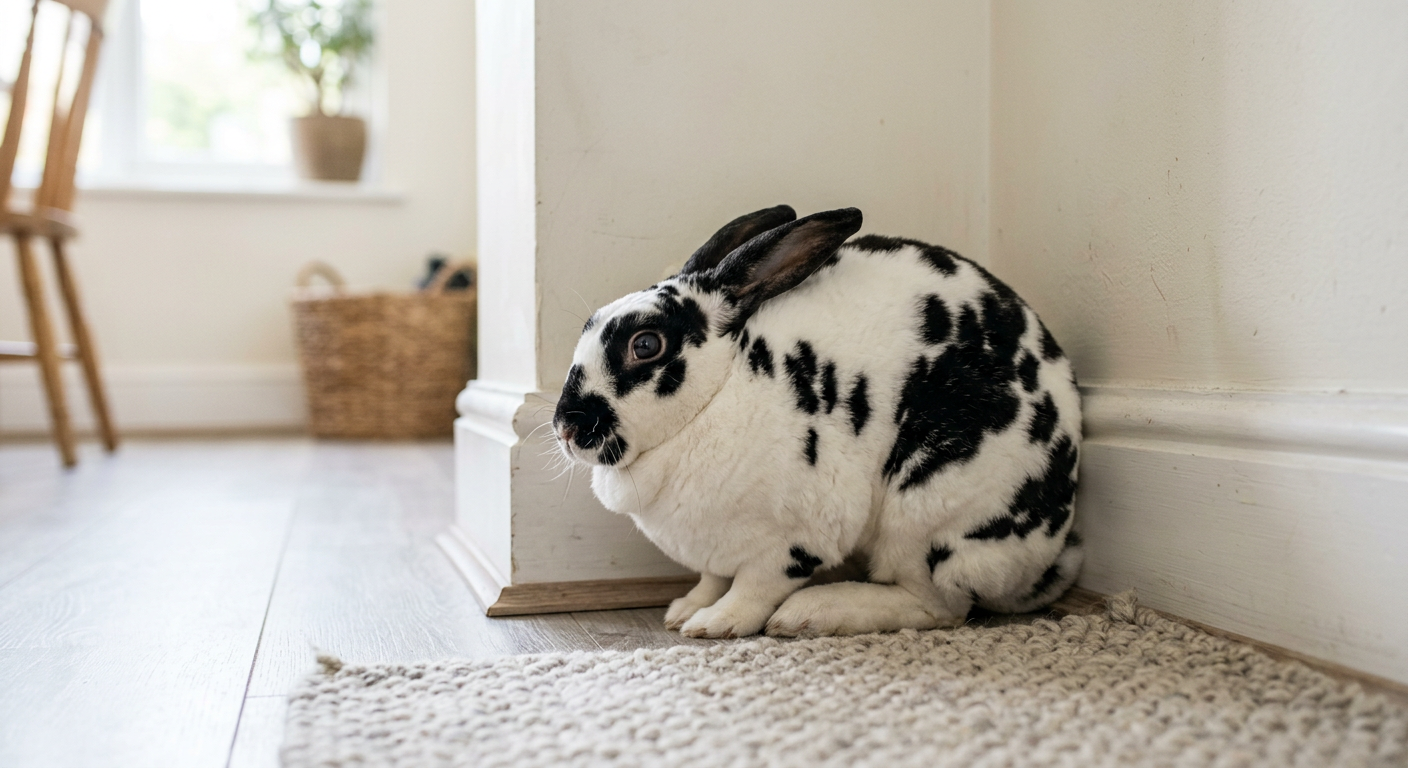
It is important to distinguish between a "talkative" rabbit and a "warning" rabbit. A grunt is a low, guttural sound that sounds almost like a tiny pig. When paired with a lunge—where the rabbit quickly thrusts their head and front paws toward you—it is an unmistakable "back off" signal.
Why Does My Rabbit Grunt and Lunge at Me During Feeding?
Food is a high-value resource. If your rabbit lunges when you approach with greens or pellets, they may be experiencing "food guarding." This doesn't mean they are mean; it means they are very excited and slightly anxious about securing their meal.
To help with this, try offering food in an open area rather than inside a confined cage. This reduces the feeling of being trapped. If you have other pets, like a Labrador Retriever, ensure the rabbit feels safe and separate during meal times to lower their stress levels.
Fear Based Responses
Rabbits are easily startled. A shadow moving too quickly or a sudden loud noise can send them into a defensive spiral. If a rabbit feels they cannot run away, their only remaining option is to fight. This "fight or flight" response is heightened in rabbits who have not been properly socialized from a young age.
Proactive Care and Wellness Considerations
Sometimes, behavioral changes are actually wellness indicators. A rabbit that is usually sweet but suddenly starts grunting and lunging may be in physical discomfort. Because rabbits are prey animals, they are experts at hiding pain until it becomes overwhelming.
- Dental Issues: Overgrown teeth can make a rabbit very irritable.
- Digestive Discomfort: GI stasis or gas can cause a rabbit to lash out when touched.
- Arthritis: Senior rabbits may lunge if they feel pain when moving or being picked up.
- Skin Irritation: Issues like mites or dermatitis can make a rabbit feel sensitive all over.
If the aggressive behavior appears suddenly without a change in environment, a visit to an exotic animal veterinarian is the best course of action. They can rule out underlying medical issues that might be causing your pet to feel "grumpy."
How to Respond to Negative Rabbit Behaviors
When your rabbit lunges, your natural reaction might be to pull away quickly or shout. However, these reactions can actually reinforce the behavior. If you pull away in fear, the rabbit learns that lunging "works" to get you to leave them alone. If you shout, you confirm to the rabbit that you are indeed a scary predator.
Building Trust Through Ground-Level Interaction
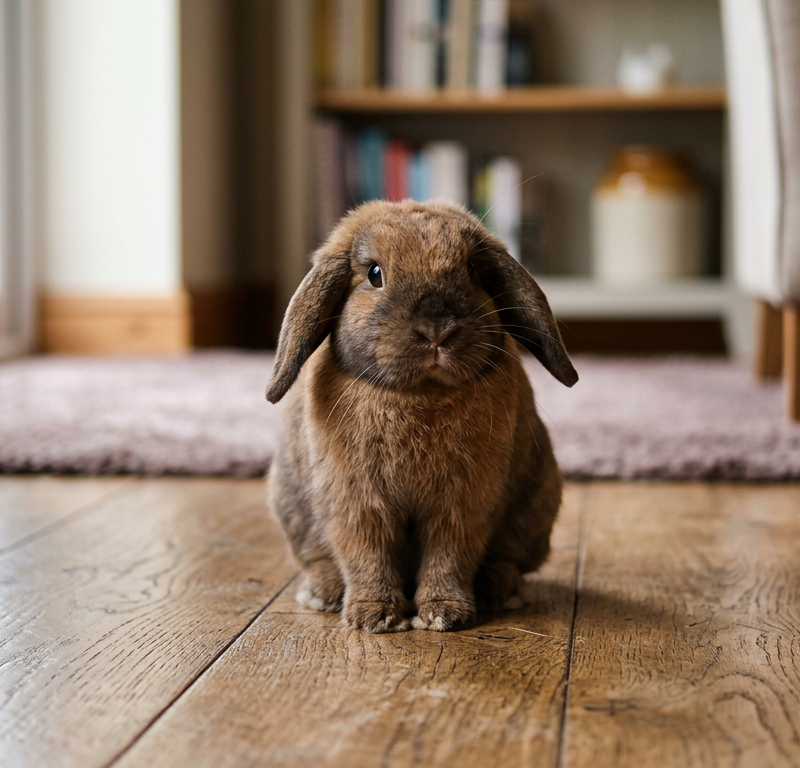
The best way to soothe an aggressive rabbit is to spend time on their level. Sit on the floor and let the rabbit come to you. Don't reach out to pet them immediately; let them sniff you and realize you are not a threat. This passive bonding method is incredibly effective for nervous bunnies.
Handling the 3am Activity Spikes
Rabbits are crepuscular, meaning they are most active at dawn and dusk. Sometimes, this energy carries into the night. If you notice your bunny is especially vocal or active during late hours, you might be dealing with rabbit thumping at 3am every night, which is another form of vocal and physical communication.
Safe Handling Techniques
If you must pick up a rabbit that is prone to lunging, use a "bunny burrito" technique with a thick towel. This protects your hands from scratches and helps the rabbit feel secure and contained. Always support their hind end to prevent spinal injuries, as rabbits have powerful legs that can cause self-injury if they kick out too hard while being held.
Creating a Harmonious Home
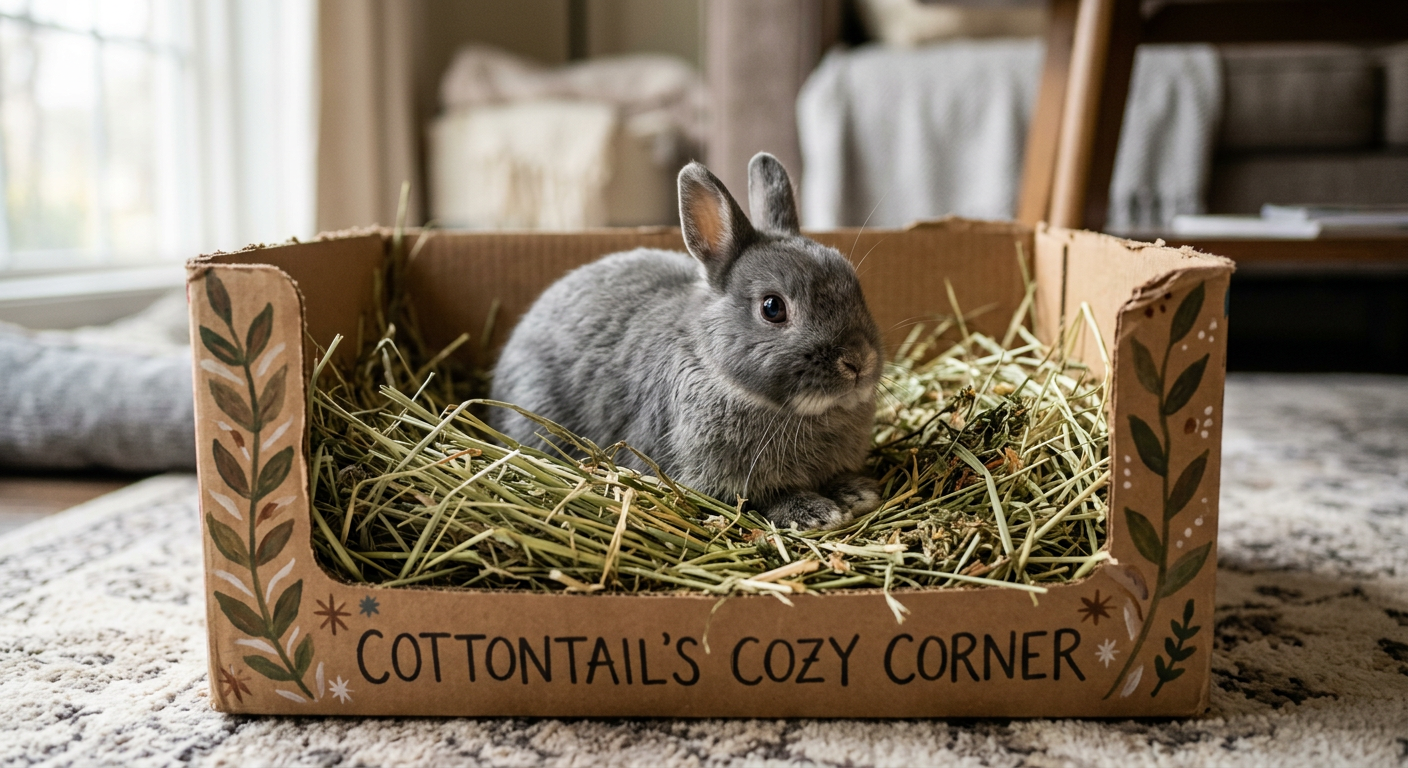
Environmental enrichment can significantly reduce frustration-based aggression. A bored rabbit is often a destructive or grumpy rabbit. Provide plenty of chew toys, cardboard boxes to hide in, and foraging opportunities to keep their minds engaged.
If your rabbit’s behavior includes rapid movements followed by sudden retreats, you might be seeing a "binky" gone wrong or a sign of overstimulation. You can learn more about this in our article on rabbit binkying then hiding is this normal to distinguish between playfulness and stress-based hiding.
Consistency is Key
Rabbits thrive on routine. Feeding, cleaning, and play should happen at roughly the same time every day. This predictability helps lower a rabbit's anxiety, making them less likely to feel the need to defend their territory or resources. Over time, with patience and consistent positive reinforcement, most rabbits will learn to trust their human companions and the lunging will subside.
In conclusion, when you wonder why your rabbit is acting out, remember to look at the world through their eyes. They are small, sensitive animals trying to navigate a world full of giants. By showing them patience, providing a stable environment, and addressing their health needs, you can turn a grunting bunny back into a happy, twitchy-nosed friend.