As a rabbit owner, you spend a lot of time observing your floppy-eared friend's quirks. One of the most common things owners notice is their respiratory rate. If you notice your rabbit breathing fast at rest not hot or stressed, it is natural to feel a bit concerned. While rabbits naturally have much higher respiratory rates than humans or dogs, distinguishing between a normal fast pace and a sign of a wellness consideration is key to proactive care.
Understanding your rabbit's baseline behavior is the first step in being a great pet parent. Because rabbits are prey animals, they are experts at hiding discomfort. By learning to read their subtle physical cues, you can ensure they stay happy and healthy for years to come.
Normal Respiratory Rates for Rabbits
Before worrying about a bunny breathing quickly, it helps to know what "normal" looks like. A healthy, resting rabbit typically breathes between 30 and 60 times per minute. However, this can easily spike to over 100 breaths per minute if they are excited, just finished a zoomie, or are sniffing something interesting.
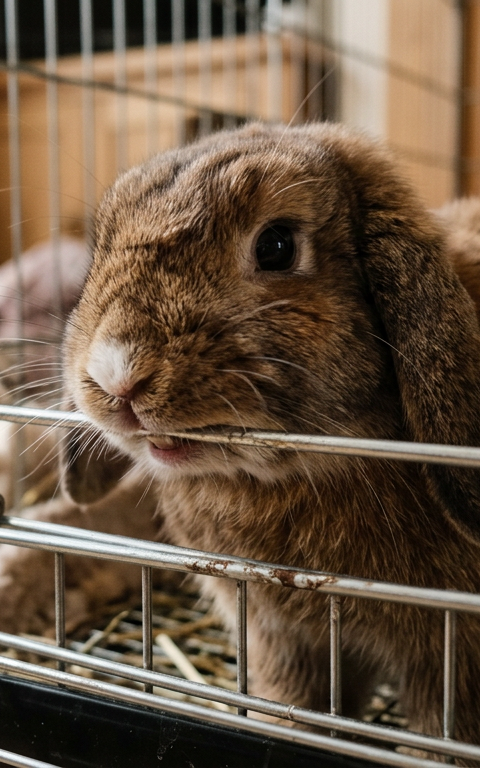
If you notice the nostrils twitching rapidly, this is often just a sign of high sensory engagement. Rabbits use their noses to process a massive amount of information about their environment. You can learn more about these fascinating movements in our guide to decoding rabbit body language and behavior.
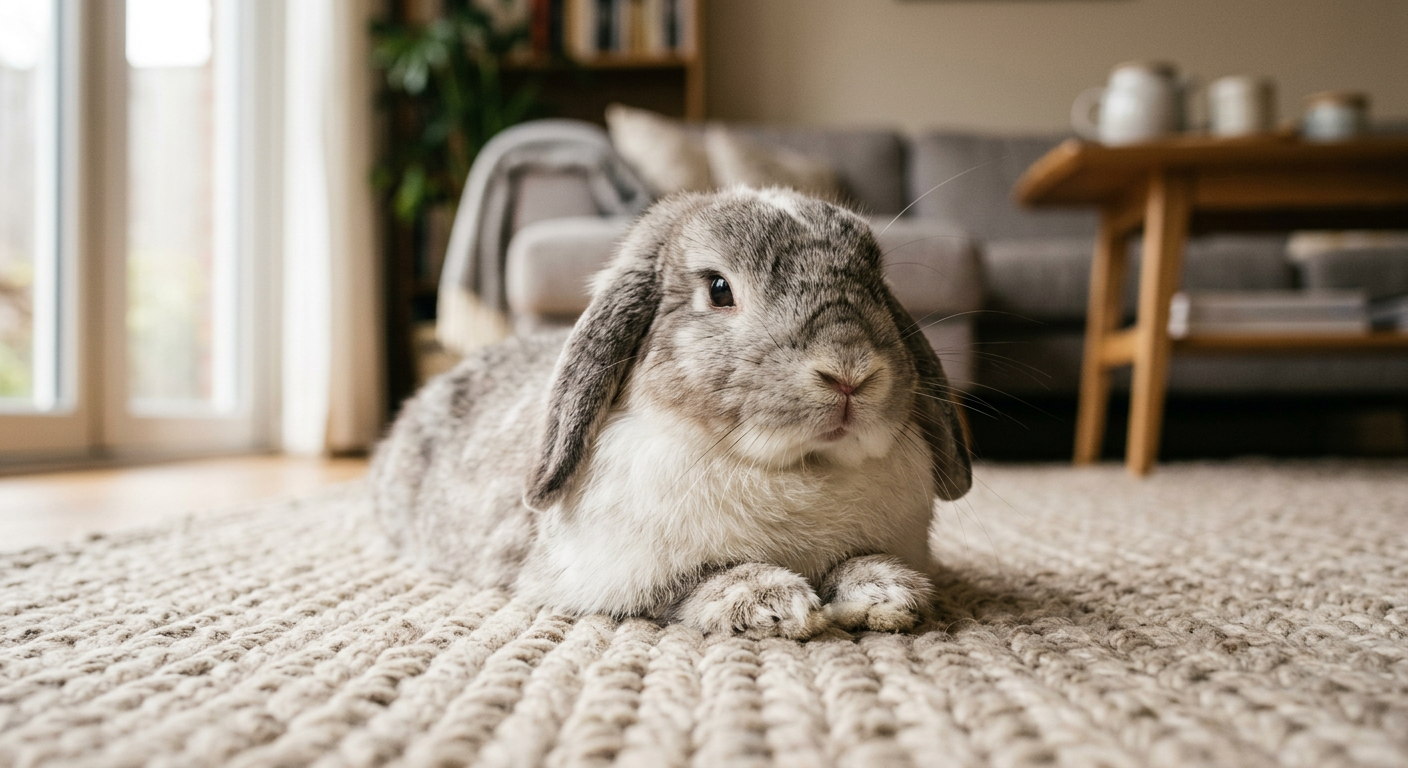
How to Count Your Rabbit's Breaths
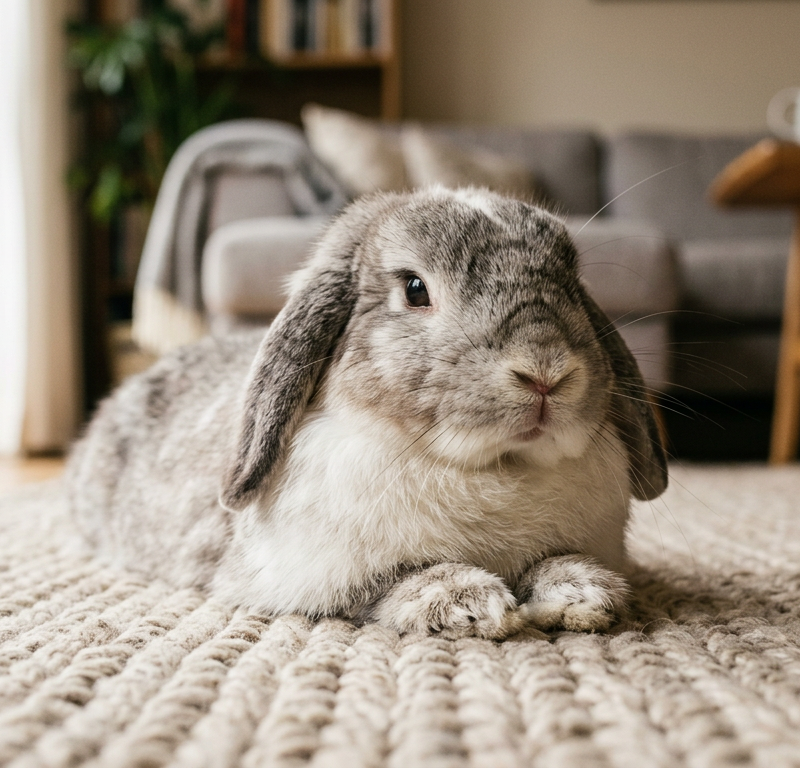
To get an accurate reading, watch your rabbit when they are completely relaxed. Do not count while they are actively sniffing your hand or eating. Watch the rise and fall of their chest or the movement of their flanks. One rise and one fall counts as one breath. If the rate stays consistently high even when they have been lounging for an hour, it may be time to look closer at other factors.
Emotional Triggers for Rapid Breathing
Rabbits are highly sensitive creatures. Even if the room isn't hot, their internal "motor" might be running fast due to emotional input. Stress is a primary driver of an increased respiratory rate. Small changes in the household, such as a new piece of furniture or a loud appliance, can trigger a state of hyper-vigilance.
Anxiety isn't the only emotional cause; excitement plays a role too. If your rabbit sees you grabbing the treat bag or preparing their fresh greens, their heart rate and breathing will naturally accelerate. This is a positive physiological response to anticipation.
- New Environments: Moving to a new room or house.
- Predator Scents: Smelling a neighborhood cat on your clothes.
- Social Dynamics: Tensions with a bonded partner or a new pet.
- Anticipation: Waiting for playtime or snacks.
The Role of "Scanning" Behavior
Sometimes a rabbit might look like they are breathing fast because they are "scanning." This involves a rapid nose twitch and slight head movements as they survey their territory. This is a sign of an alert, engaged mind rather than a physical ailment. If they eventually settle down and their breathing slows, there is likely no cause for concern.
Environmental Factors Beyond Temperature
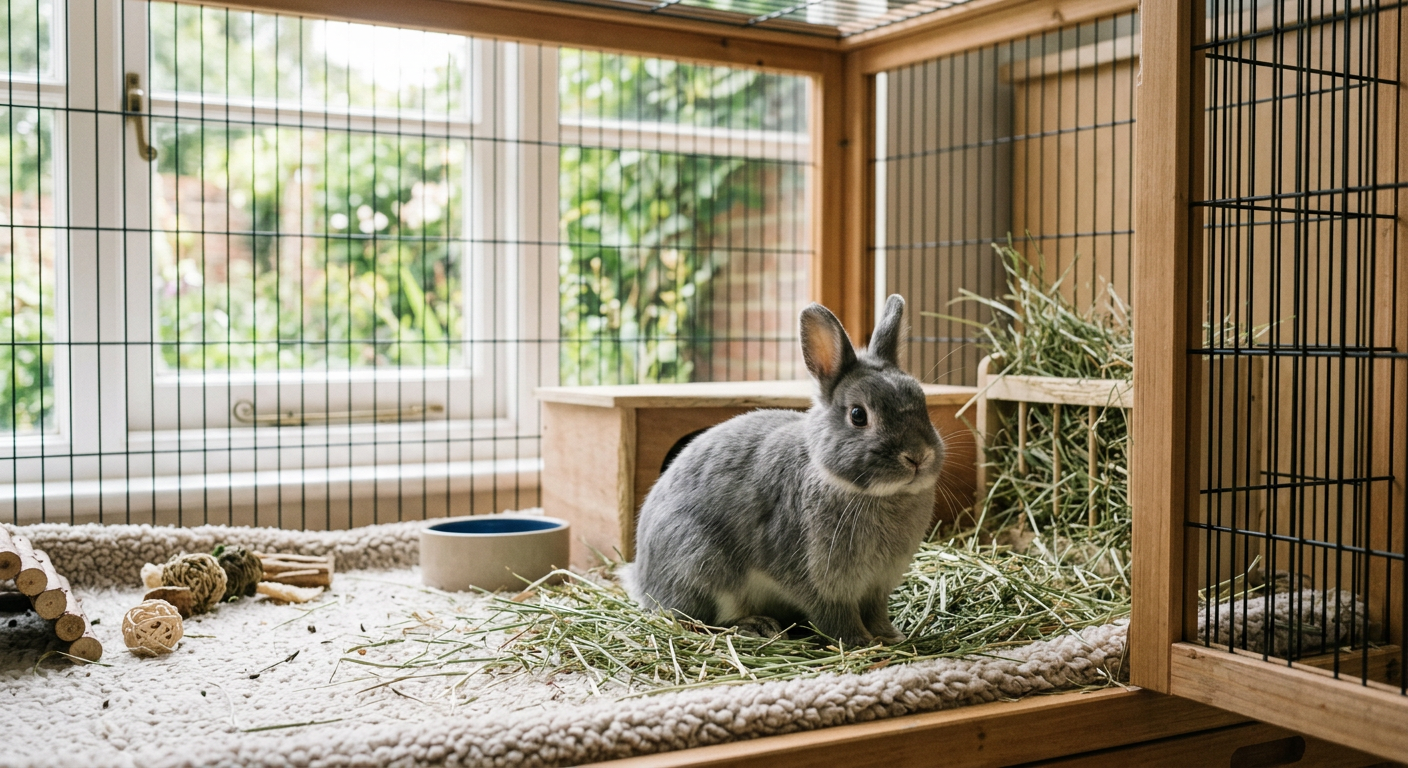
We often rule out heat first, but other environmental factors can influence how a bunny breathes. Air quality is a major consideration for sensitive rabbit lungs. Strong fragrances, dust from hay, or even lingering cleaning products can cause a rabbit's respiratory system to work a bit harder.
Ensure your rabbit's living area has excellent ventilation. If you use wood shavings for litter, ensure they are kiln-dried aspen or paper-based, as aromatic oils in pine or cedar can be irritating. Sometimes, simply opening a window for fresh air (while keeping the room at a comfortable temperature) can help a rabbit breathe more easily.
Wellness Considerations and Proactive Care
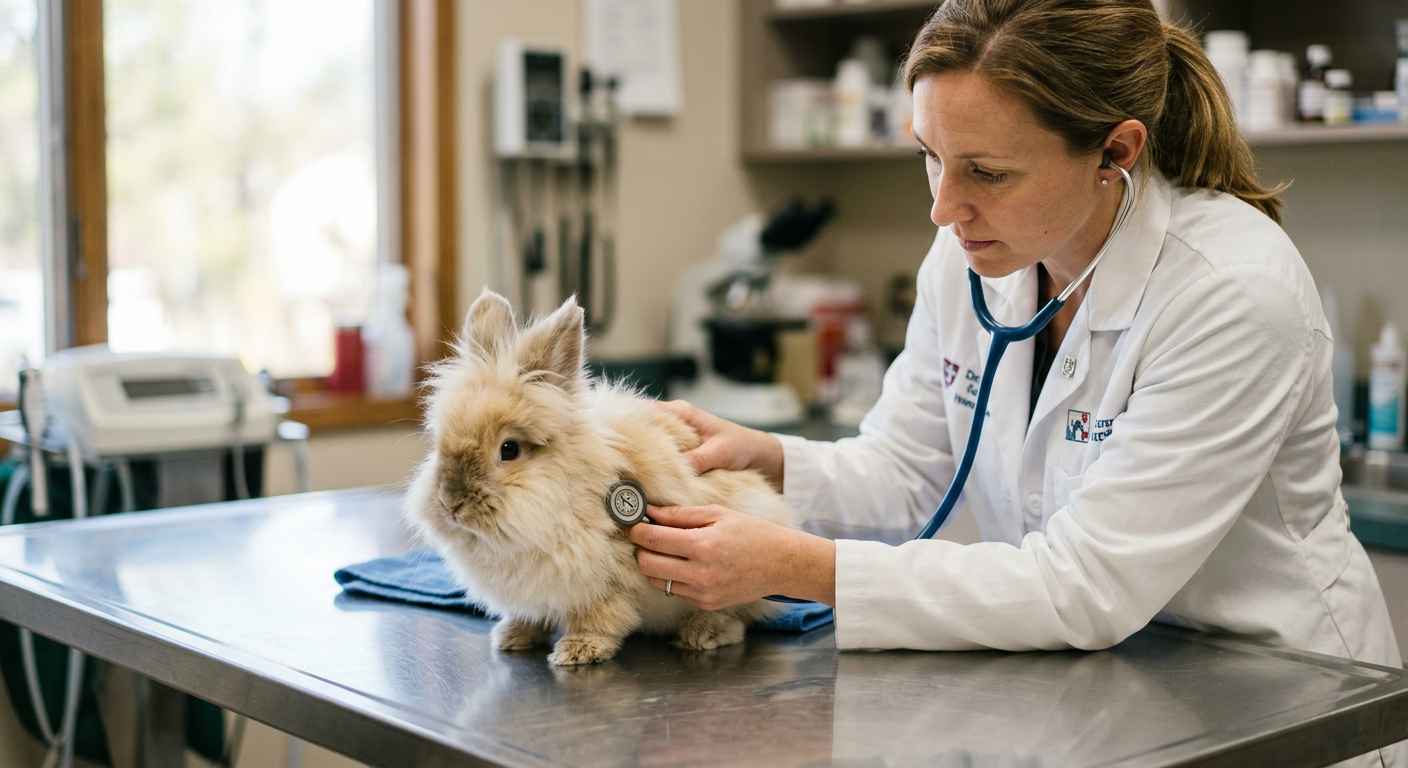
When you see a rabbit breathing fast at rest not hot, and you have ruled out stress or excitement, it is important to consider their overall wellness. Several internal factors could be at play. While only a veterinarian can provide a diagnosis, being aware of these possibilities helps you provide better information during a check-up.
Respiratory Infections
Rabbits are prone to upper respiratory issues, often referred to as "snuffles." This is typically caused by bacteria like Pasteurella. Symptoms often include a fast respiratory rate, but you might also see discharge from the nose or eyes, or hear a slight clicking sound when they breathe. If you notice any "snot" on their front paws (from wiping their nose), consult your vet immediately.
Cardiovascular Health
As rabbits age, their heart health becomes a priority. If the heart isn't pumping efficiently, the lungs have to work harder to oxygenate the blood, leading to a faster resting breath rate. This is especially common in larger breeds. For example, a comparison of different animal sizes shows how much strain body mass can put on the heart, and the same logic applies to giant rabbit breeds versus dwarves.
When to Consult a Veterinarian
It can be tricky to know when a fast breath is a "wait and see" situation or an "act now" situation. As a rule of thumb, if the rapid breathing is accompanied by a change in appetite or energy levels, it warrants a professional opinion. Rabbits who stop eating even for 12 hours require urgent care.
- Open-Mouth Breathing: Rabbits are obligate nasal breathers. If their mouth is open to breathe, this is an emergency.
- Lethargy: If they aren't interested in their favorite treats or toys.
- Strange Noises: Wheezing, honking (that isn't happy), or loud clicking.
- Blue Tint: If the gums or tongue appear bluish rather than pink.
If you see your rabbit behaving strangely at night, such as rabbit thumping at 3am every night, it might be related to the same stressor causing the fast breathing. Addressing the source of the stress often resolves both behaviors.
Helping Your Rabbit Relax
If you believe the fast breathing is due to mild stress or environmental overstimulation, there are steps you can take to help them settle. Creating a "safe zone" where the rabbit feels completely enclosed can lower their cortisol levels. A simple cardboard box with two exit holes is often a bunny's favorite sanctuary.
Soft music, dim lighting, and consistent routines also go a long way in keeping a rabbit's resting respiratory rate within the normal range. Remember that rabbits thrive on predictability. By maintaining a calm environment, you support their long-term health and well-being.
Conclusion
Noticing your rabbit breathing fast at rest not hot is a sign that you are an attentive and caring owner. In many cases, it is a temporary response to a scent, a sound, or a moment of excitement. However, by staying vigilant and monitoring for other symptoms like lethargy or nasal discharge, you can catch wellness considerations early. Always trust your intuition—if something feels "off" about your bunny's breathing, a quick trip to a rabbit-savvy vet is the best way to ensure their nose keeps twitching happily for years to come.