Understanding the Rabbit Flop and What It Means
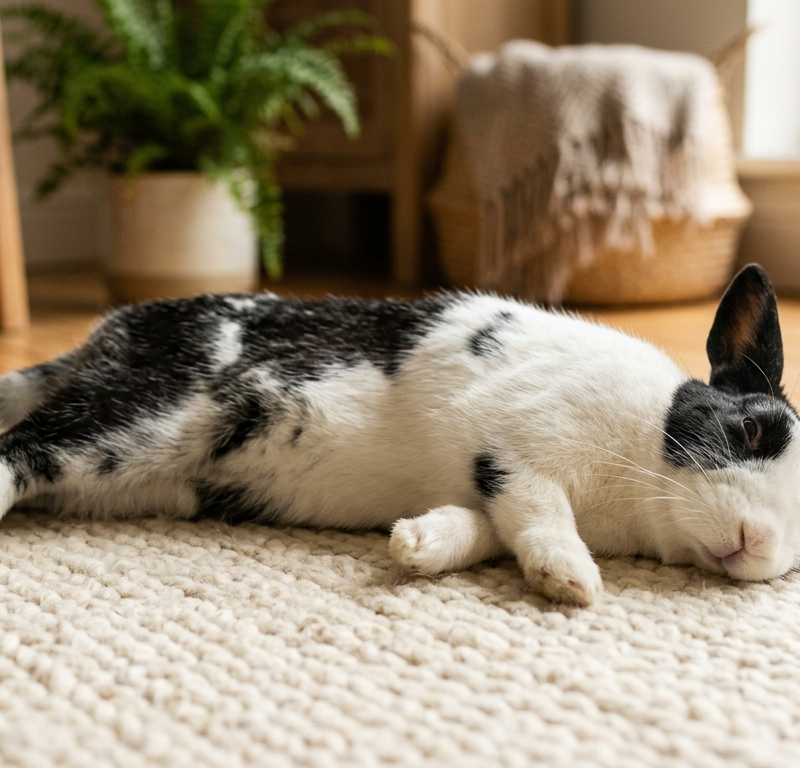
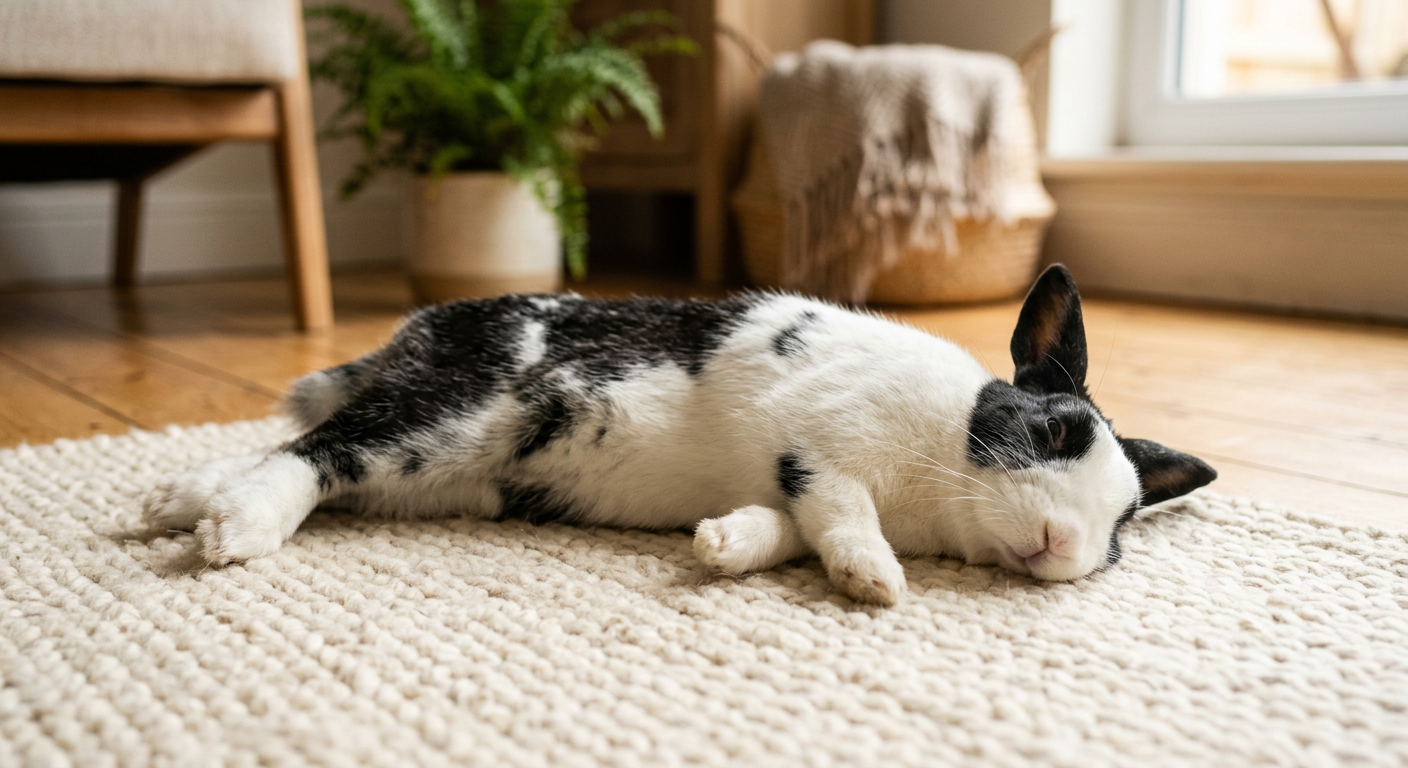
As a rabbit owner, few sights are as startling as seeing your rabbit flopped on side and not moving for the first time. This dramatic behavior, often called "the flop," occurs when a rabbit suddenly throws themselves onto their side or back, often with a soft thud. While it can look alarming to the uninitiated, it is frequently one of the highest compliments a rabbit can pay to their environment and their human companions.
Rabbits are prey animals, which means their natural instinct is to remain upright and ready to flee at a moment's notice. When a rabbit chooses to lie on their side with their legs stretched out, they are exposing their vulnerable belly. This posture indicates that they feel completely secure and relaxed in their surroundings. In many cases, they may even appear to be "not moving" because they have fallen into a very deep, peaceful sleep.
However, because rabbits are also masters at hiding discomfort, it is important for owners to distinguish between a happy "bunny flop" and a sign of lethargy or wellness concerns. By observing the context of the behavior and the rabbit's overall demeanor, you can feel confident in knowing when to celebrate their comfort and when to consult a professional.
How to Tell If Your Rabbit Is Relaxed
When a rabbit is flopped on side and not moving due to pure contentment, there are several visual cues you can look for. Usually, the flop is preceded by other happy behaviors. You might see your rabbit grooming themselves, eating a snack, or even performing a "binky"—a joyful mid-air twist and kick. If you want to learn more about these energetic movements, check out our guide on rabbit binkying behavior.
The "Dead Sleep" Phenomenon
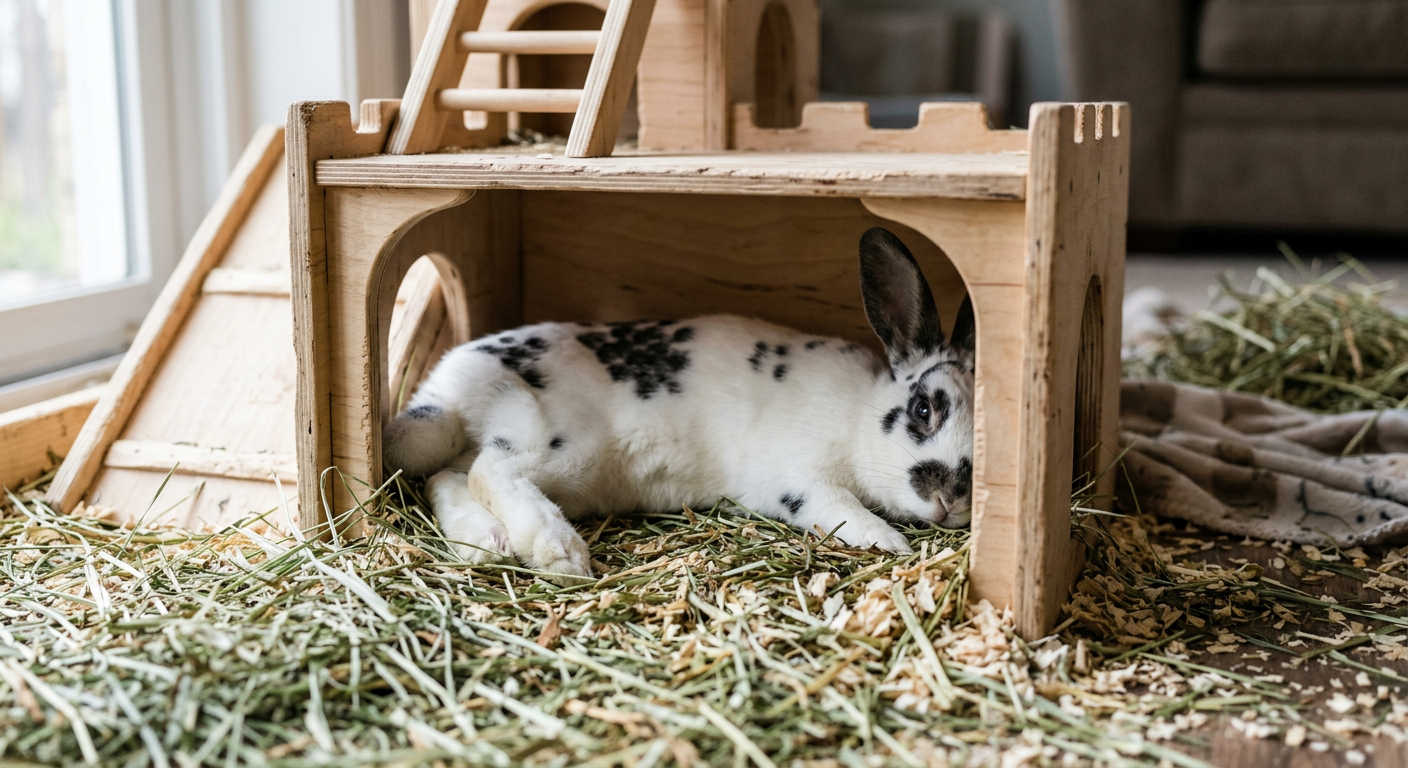
Rabbits can fall into a surprisingly heavy sleep once they have flopped. During this time, they may not react immediately to your voice or quiet movements in the room. You might notice their nose twitching slowing down or stopping entirely, which is a sign of deep relaxation. Some rabbits even twitch their paws or ears while dreaming, much like a dog or cat would.
Signs of a Contented Flop
- The flop was sudden and intentional.
- The rabbit's breathing is slow, steady, and rhythmic.
- The eyes may be closed or partially closed with the third eyelid visible.
- The rabbit eventually gets up normally to eat or explore.
- They have recently enjoyed a meal or a play session.
If your rabbit looks like they are simply "resetting" after a busy morning of hopping, they are likely just enjoying a well-earned nap. This level of trust is the goal of every rabbit owner, showcasing a bond built on safety and care. Understanding these nuances is a key part of decoding rabbit body language effectively.
When Being Motionless Is a Wellness Consideration
While the flop is usually positive, there are instances where a rabbit lying on their side and failing to move requires closer attention. Because rabbits have a high metabolic rate, any period of prolonged inactivity or "flopping" that seems forced rather than relaxed should be monitored. If your rabbit is lying on their side but appears to be struggling or is unresponsive to their favorite treats, it is time to check in on their health.
Checking for Responsiveness
If you are unsure if your rabbit is just sleeping deeply, try to gently offer a small piece of their favorite fruit or a fragrant sprig of parsley. A healthy, resting rabbit will almost always wake up and wiggle their nose at the scent of food. If they remain completely limp, do not respond to the treat, or seem unable to lift their head, this is a sign that they need immediate veterinary attention.
Distinguishing Sleep from Lethargy
Lethargy is different from sleep. A lethargic rabbit will look "dull" in the eyes and may have a heavy, labored breathing pattern. Their body might feel unusually cold or excessively hot to the touch. Unlike a happy flop, where the rabbit looks "melted" into the floor, a sick rabbit may look like they have collapsed from exhaustion or pain. If this behavior is accompanied by unusual sounds, you may want to read about rabbit vocalizations and lunging to see if there are other stress signals present.
Common Reasons for Unusual Immobility
If your rabbit flopped on side and not moving looks different than their usual nap, there are a few proactive care reasons to consider. One of the most common issues in house rabbits is gastrointestinal (GI) stasis. When a rabbit's digestive system slows down, they can experience significant discomfort and gas, which might make them lie in unusual positions to try and find relief.
Heatstroke is another serious consideration, especially during summer months. Rabbits do not sweat and can easily overheat. A rabbit suffering from heat exhaustion may flop on their side, breathe rapidly through their mouth, and seem unable to move. Always ensure your rabbit has a cool, shaded area and plenty of fresh water to prevent temperature-related stress.
Age-Related Changes in Rest
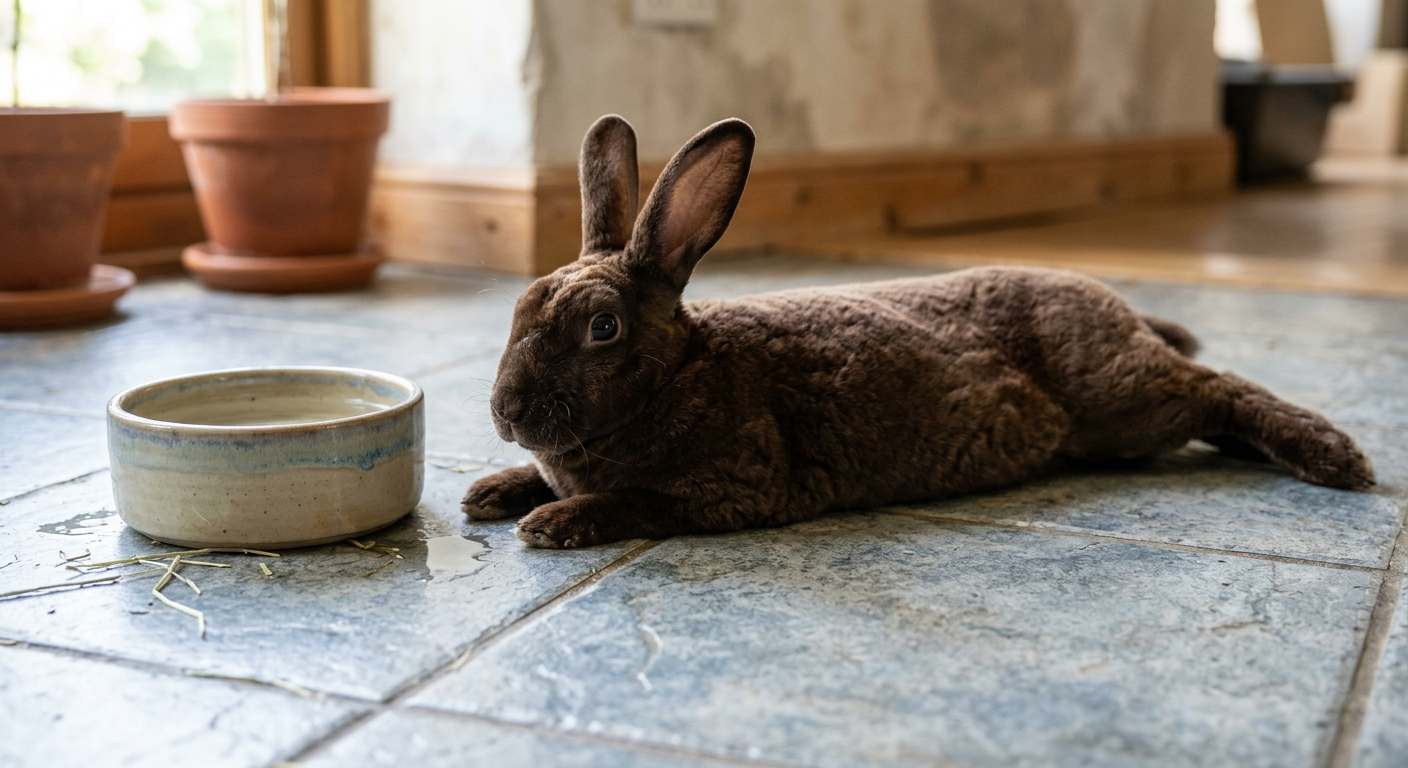
As rabbits age, their resting patterns may change. Senior rabbits might flop more frequently because it is easier on their joints than tucking their legs under their body in a "loaf" position. While we don't have a specific rabbit age calculator yet, we offer tools for other pets like the French Bulldog age calculator to help owners understand life stages. For senior rabbits, providing extra soft bedding can make their flopping sessions more comfortable.
How to Support Your Rabbit's Comfort
Creating an environment where your rabbit feels safe enough to flop is a rewarding process. It starts with providing a consistent routine and a quiet space where they won't be startled by loud noises or sudden movements. If your rabbit is a nighttime explorer, you might occasionally hear them thumping at night, which is their way of alerting you to perceived changes in the environment.
To encourage relaxation, ensure your rabbit has:
- Plenty of high-quality timothy hay to keep their digestion moving.
- Hidey-holes or tunnels where they can retreat if they feel overwhelmed.
- Non-slip flooring, as many rabbits are hesitant to flop on slippery hardwood or tile.
- Regular social interaction and gentle bonding time.
When you see that first flop, take it as a sign that you are doing a great job as a bunny parent. Your rabbit is telling you that they feel protected and loved. By staying observant and knowing their baseline "normal," you can ensure that every side-flop is a moment of joy rather than a cause for concern.
Conclusion
Seeing your rabbit flopped on side and not moving is usually a beautiful sign of a happy, trusting pet. Whether they are dreaming of clover or just taking a midday break, the flop is a hallmark of a secure rabbit. Always keep an eye on their appetite and energy levels, and if you ever feel that their stillness is unusual, reach out to an exotic animal veterinarian. With a little observation, you'll soon be an expert at identifying your rabbit's most relaxed moments.