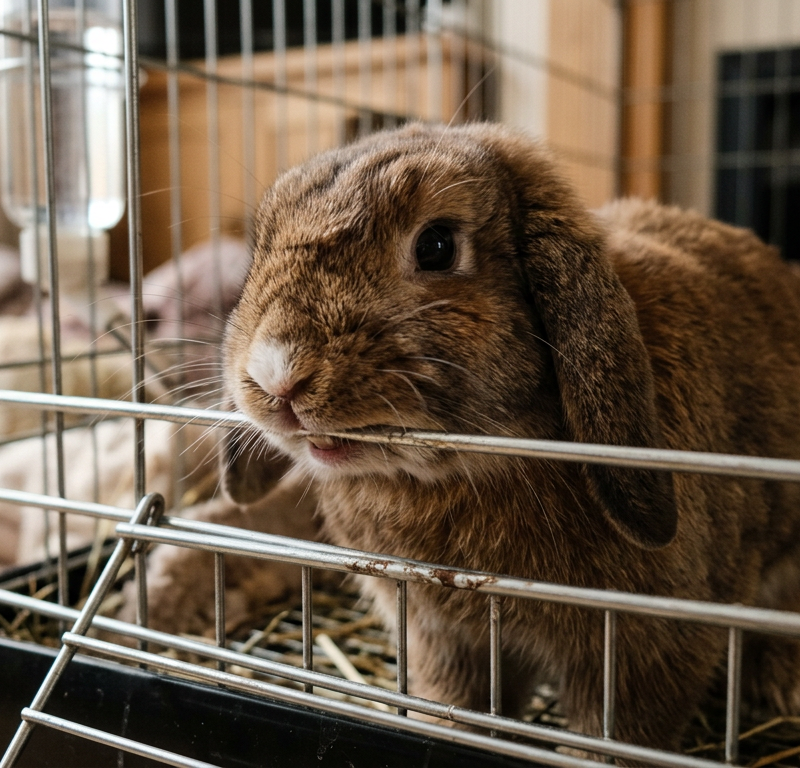
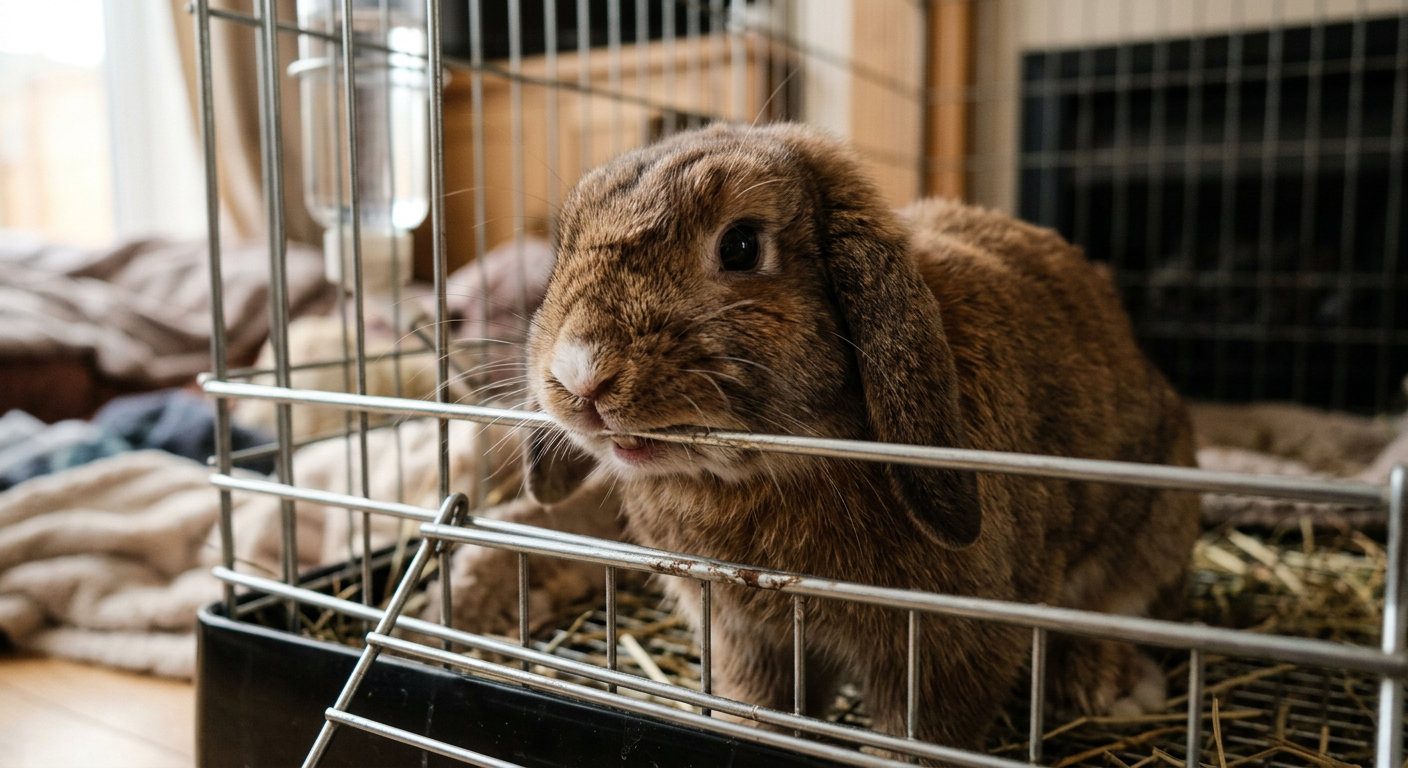
If you are a rabbit owner, few sounds are as persistent or frustrating as the rhythmic metallic clanging of your pet gnawing on their enclosure. You might find your rabbit chewing cage bars for hours on end, often right when you are trying to sleep or relax. While it might seem like a simple annoying habit, this repetitive behavior is actually a significant communication tool that your bunny uses to express their current needs.
Understanding why your rabbit is fixated on their metal bars is the first step toward creating a more peaceful home environment. Rabbits are highly intelligent and social creatures with complex emotional lives. When they engage in bar biting, they are usually trying to tell you that something in their environment or routine needs an adjustment to better suit their natural instincts.
The Primary Reasons for Bar Biting Behavior
Most experts agree that when a rabbit chews on their enclosure, it is rarely about the taste of the metal. Instead, it is typically a "stereotypical behavior"—a repetitive action caused by a lack of appropriate stimulation. When a rabbit feels confined or under-stimulated, they look for any outlet to release pent-up energy or frustration.
Boredom is perhaps the most common culprit. In the wild, rabbits spend the majority of their waking hours foraging, digging, and socializing. If a domestic rabbit is kept in a small space with nothing to do, they will create their own "work," which often involves trying to modify their surroundings with their teeth. You can learn more about these subtle signals in our guide on decoding rabbit body language and behavior.
Attention Seeking and Routine
Rabbits are smarter than we often give them credit for. They quickly learn that the loud sound of metal on teeth brings their human running to the cage. Even if you are coming over to tell them to stop, you are providing the social interaction they crave. This reinforces the behavior, making it a reliable way for them to get your eyes on them.
Dental Health and Natural Instincts
A rabbit's teeth never stop growing. They have a biological drive to wear them down through constant grinding and chewing. While hay should be their primary tool for this, a lack of variety in chew toys might lead them to experiment with the cage bars. However, metal is far too hard and can lead to dental fractures or misalignment if the habit continues long-term.
Is a Rabbit Chewing Cage Bars for Hours a Sign of Stress
While often born of boredom, persistent chewing can escalate into a sign of chronic stress or anxiety. If your rabbit feels their territory is too small, they may feel trapped. This "cage reactivity" is a common wellness consideration for house rabbits. A rabbit that feels it cannot escape to a safe spot or stretch its legs fully will often take its frustration out on the nearest physical boundary.
You may also notice this behavior coinciding with other "loud" rabbit actions. For instance, some rabbits might follow a session of bar chewing with a heavy foot stomp. If you find your rabbit thumping at 3am every night in addition to chewing, they are likely signaling a high level of environmental dissatisfaction or perceived "danger" that they want you to address.
Environmental Enrichment Strategies
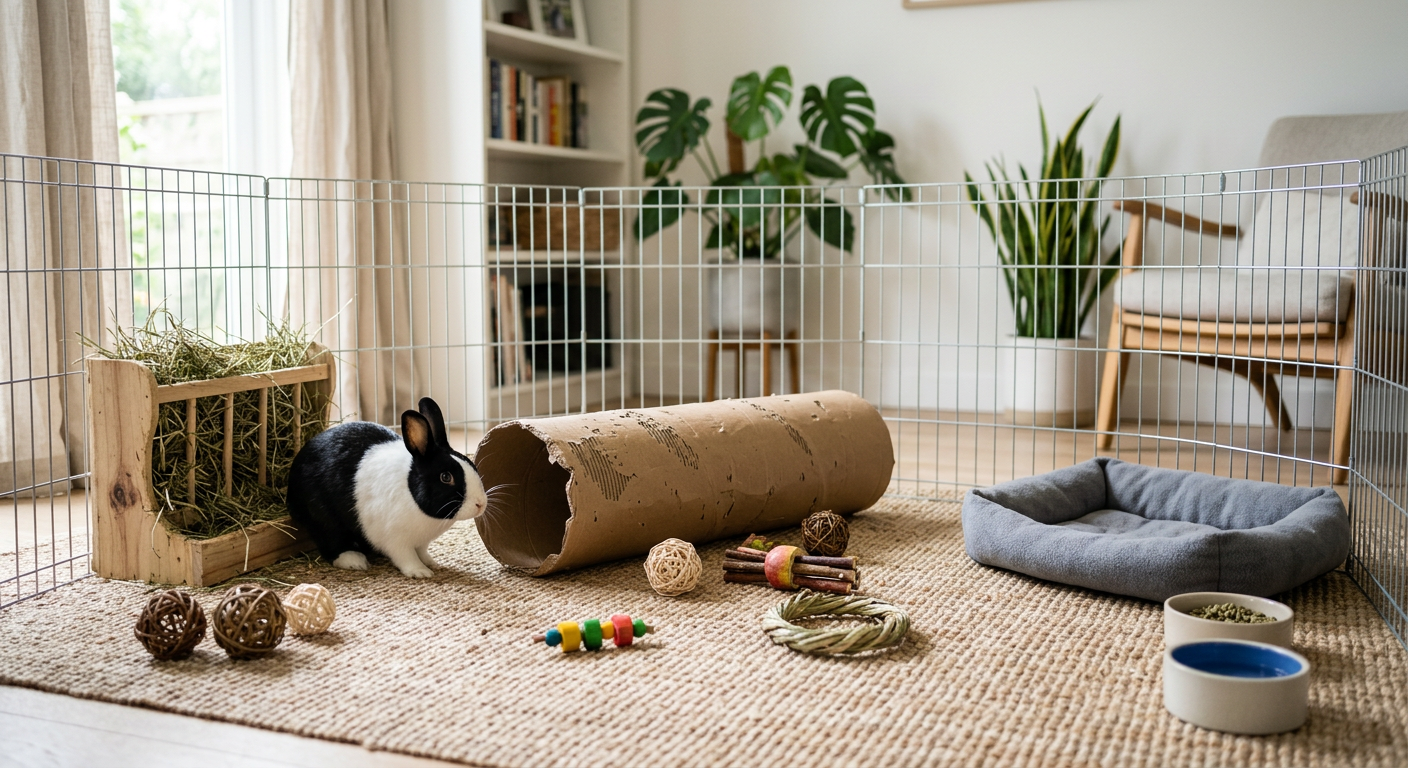
The most effective way to stop a rabbit from chewing on their cage is to change the environment so they no longer feel the need to do it. This usually involves a combination of increasing space and providing better "legal" chewing alternatives. If your rabbit is currently in a standard pet store cage, consider upgrading to a large exercise pen (x-pen) or a bunny-proofed room.
- Provide Foraging Opportunities: Hide pellets or dried herbs inside cardboard tubes or hay piles to keep their mind busy.
- Rotate Toys Weekly: Rabbits get bored with the same items. Swap out wooden blocks, willow balls, and tunnels to keep things fresh.
- Increase Out-of-Cage Time: Aim for at least 3-4 hours of free-roam time daily to allow them to burn off energy.
- Provide Digging Boxes: A box filled with shredded paper or safe soil can satisfy the urge to "work" with their paws and teeth.
The Importance of High-Quality Hay
Unlimited Timothy hay is the foundation of rabbit health. Not only does it keep the GI tract moving, but it also provides the best possible dental wear. If your rabbit is busy chewing long strands of fiber, they are less likely to focus on the bars of their enclosure. Ensure the hay is fresh, fragrant, and easily accessible at all times.
How to Safely Discourage the Habit
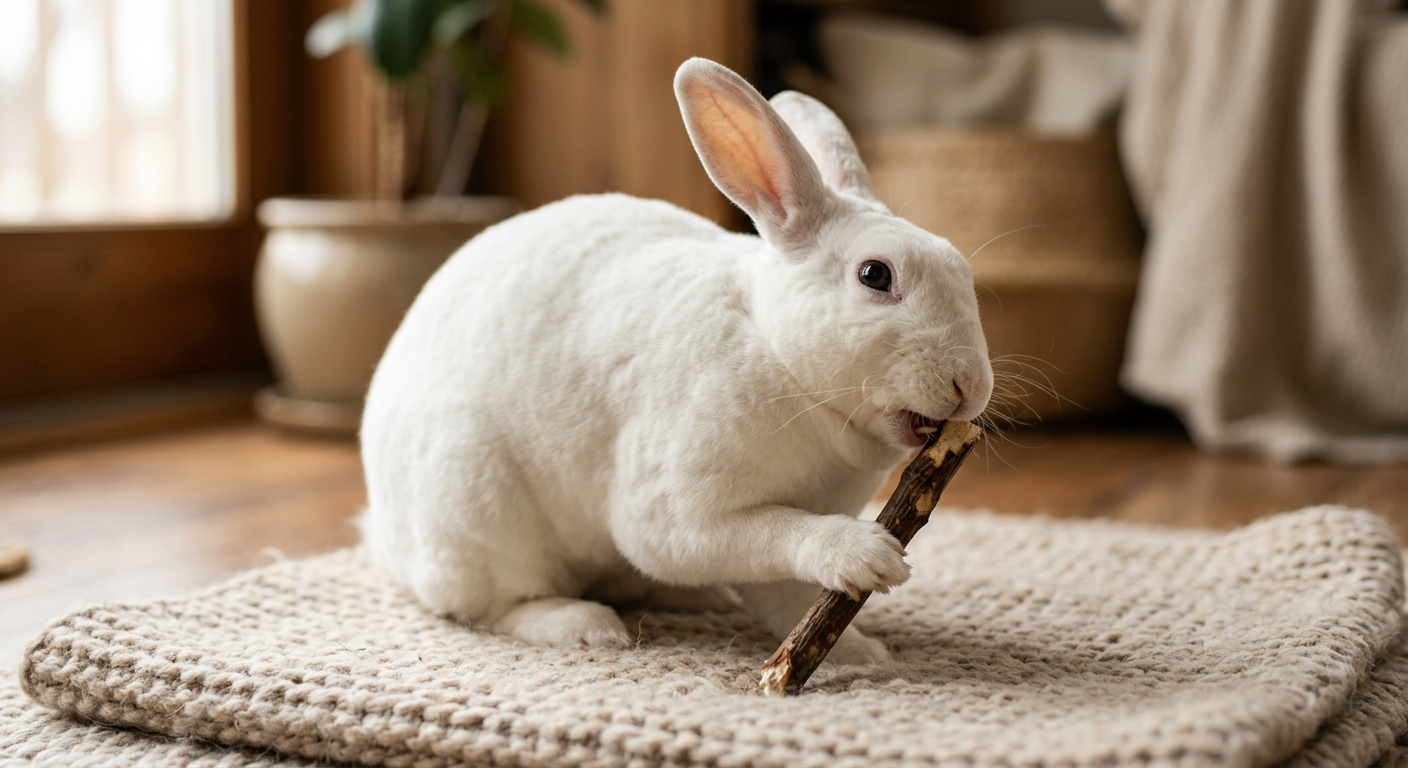
It is important never to punish a rabbit for bar biting. Spraying them with water or shouting will only damage the bond you have with your pet and increase their stress levels. Instead, focus on "re-direction." When you hear the chewing start, calmly offer a wooden chew toy or a fresh handful of hay. You want to reward the behavior you like and ignore or safely redirect the behavior you don't.
Some owners find success by weaving cardboard strips or sea grass mats through the bars of the cage. This provides a safe, destructible barrier. The rabbit still gets the satisfaction of chewing on the vertical surface, but they are consuming safe fiber instead of damaging their teeth on metal. This is a great intermediate step while you work on increasing their overall floor space.
When to Consult a Veterinarian
While bar chewing is primarily behavioral, it can lead to physical health issues that require professional attention. If your rabbit has been chewing on metal for a long time, their teeth may have developed sharp spurs or become misaligned (malocclusion). A veterinarian who specializes in exotic animals can perform a dental exam to ensure their mouth is healthy.
You should also seek advice if the bar chewing is accompanied by a sudden loss of appetite or a change in litter box habits. Rabbits are masters at hiding pain, and sometimes a change in behavior is the only clue we get that they are feeling unwell. Proactive care and regular check-ups are essential for a long-lived, happy bunny.
Creating a Harmonious Home
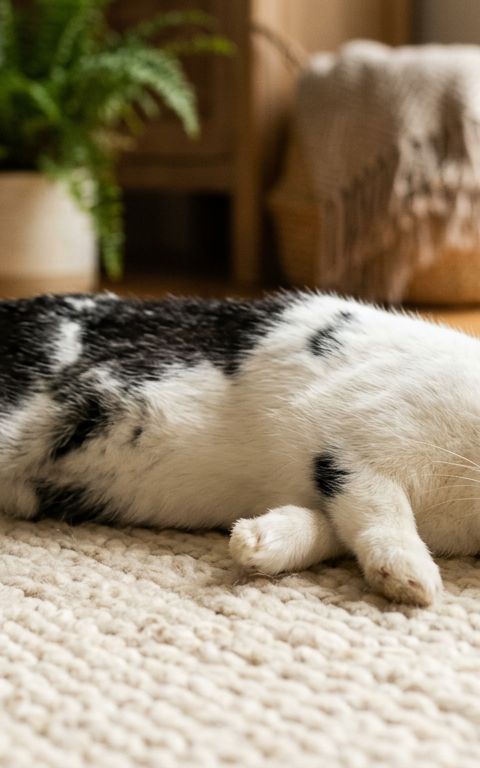
Living with a rabbit who is chewing cage bars for hours can be a challenge, but it is a solvable one. By looking at the world from your rabbit's perspective, you can identify what is missing from their daily routine. Usually, a bit more space, a few more toys, and a consistent schedule are all it takes to turn a frantic bar-chewer into a relaxed, flopped-out companion.
Remember that every rabbit is an individual. Some may need more social interaction, while others are more focused on physical activity. Stay patient and keep experimenting with different enrichment options. For more tips on understanding your pet's quirky habits, check out our other articles on rabbit care and behavior.