It is one of the most common frustrations for pet parents: you spend an hour scrubbing, rinsing, and drying your pup, only to find they still have a lingering odor. You might wonder, "why does my dog smell even after a bath?" especially when you have used the best shampoos available. While we often expect a fresh-from-the-groomer scent, several biological and environmental factors can keep that "doggy smell" hanging around.
Understanding the root cause of these smells is the first step toward a fresher-smelling home. Sometimes the odor comes from the skin itself, while other times it might be related to their ears, paws, or even their diet. By looking at your dog’s overall wellness, you can identify if this is a simple grooming hurdle or something that requires a quick visit to the veterinarian.
The Science of Wet Dog Smell
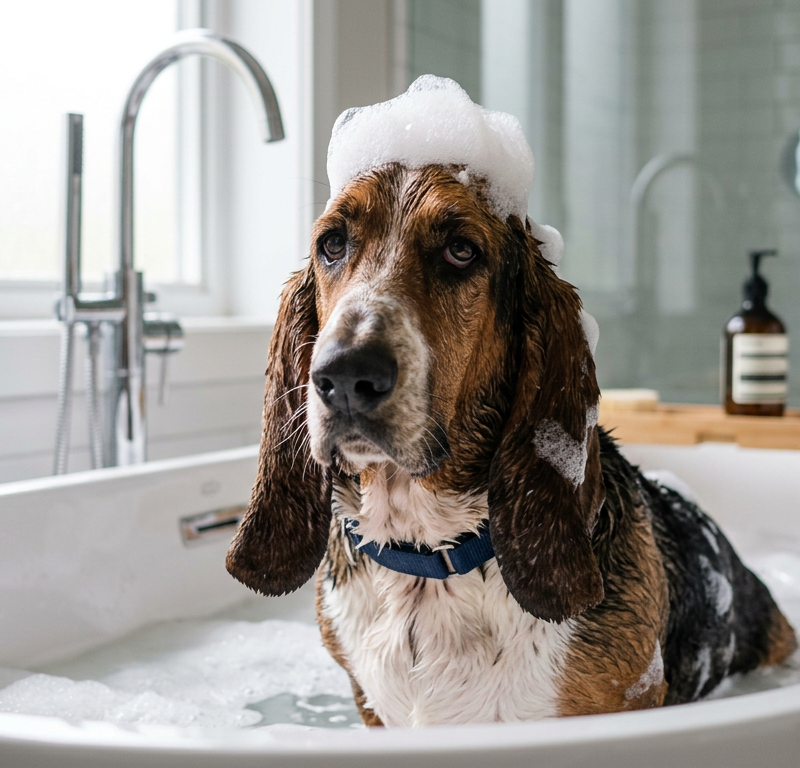
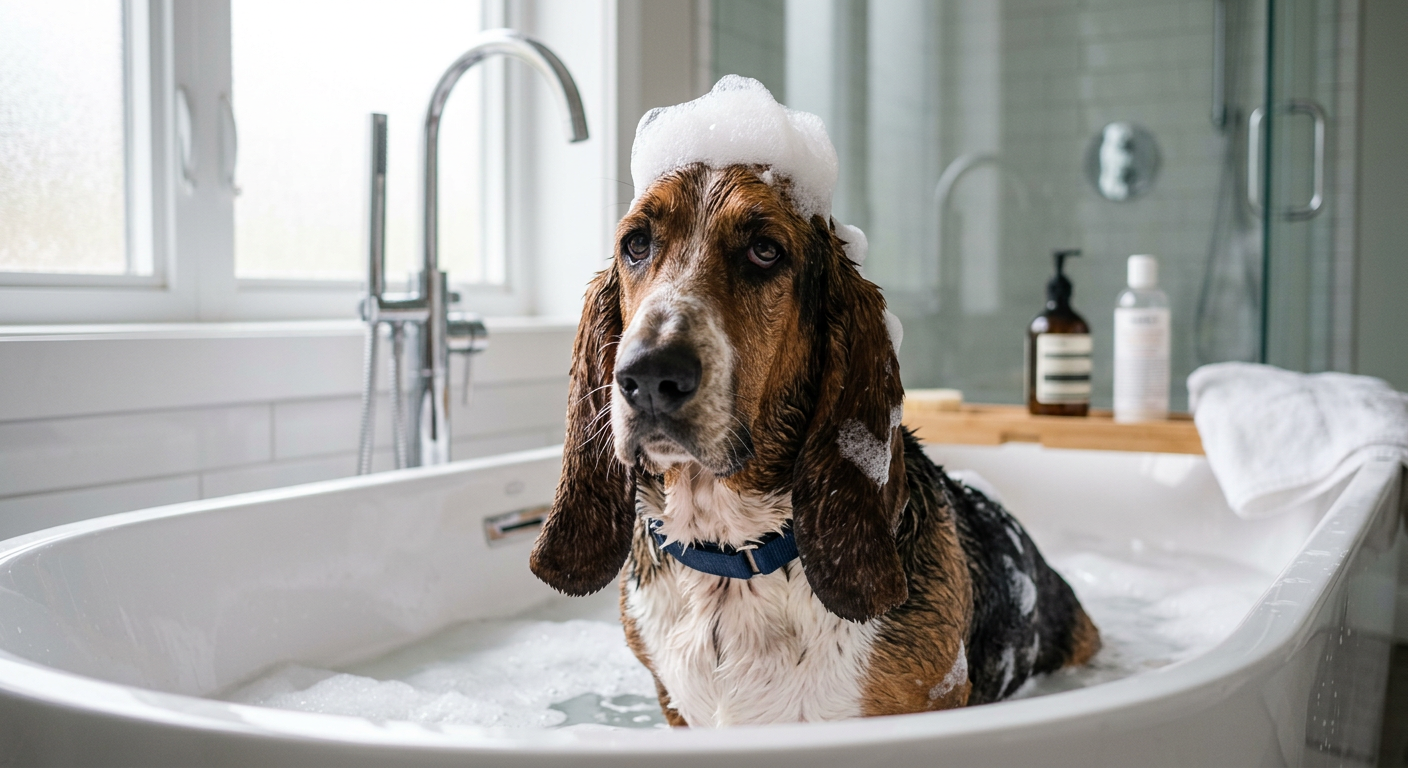
The most immediate reason a dog might stink right after a bath is actually chemistry. Dogs have natural oils on their skin and hair called sebum. These oils contain microorganisms like yeast and bacteria that live as part of a healthy skin microbiome. When these microorganisms get wet, they release volatile organic compounds that create that distinctive, pungent "wet dog" aroma.
If you don't dry your dog thoroughly, this scent can linger for hours. Moisture trapped deep in the undercoat of breeds like the Labrador Retriever can become a breeding ground for these odorous compounds. Always aim for a "bone-dry" finish using a high-velocity dryer or multiple absorbent towels to minimize this effect.
Yeast and Bacterial Overgrowth
Sometimes the smell isn't just "wet dog," but something more specific, like corn chips or old cheese. This is often a sign of a yeast overgrowth. Yeast thrives in warm, moist environments, which is why bath time can actually amplify the scent if water gets trapped in skin folds or between the toes.
If you notice your pup is also engaging in certain behaviors, like dog licking one paw constantly not injured, it could indicate that a fungal or bacterial imbalance is present. These skin issues often require medicated shampoos rather than standard grooming products to fully resolve the odor.
Common Sources of Lingering Odors
When investigating why your dog smells even after a bath, it is important to look beyond the fur. There are several "odor hotspots" on a dog's body that a standard bath might miss entirely. If these areas aren't addressed, your dog will continue to smell regardless of how much soap you use.
- Ear Infections: The ears are a major source of odor. If your dog has a yeasty or sweet smell coming from their head, they may have an ear infection. Deep-cleaning the ears with a vet-approved solution is necessary.
- Dental Hygiene: Bad breath (halitosis) can be so strong that it makes the dog's entire face and neck area smell. Regular teeth brushing and professional cleanings are essential for overall health.
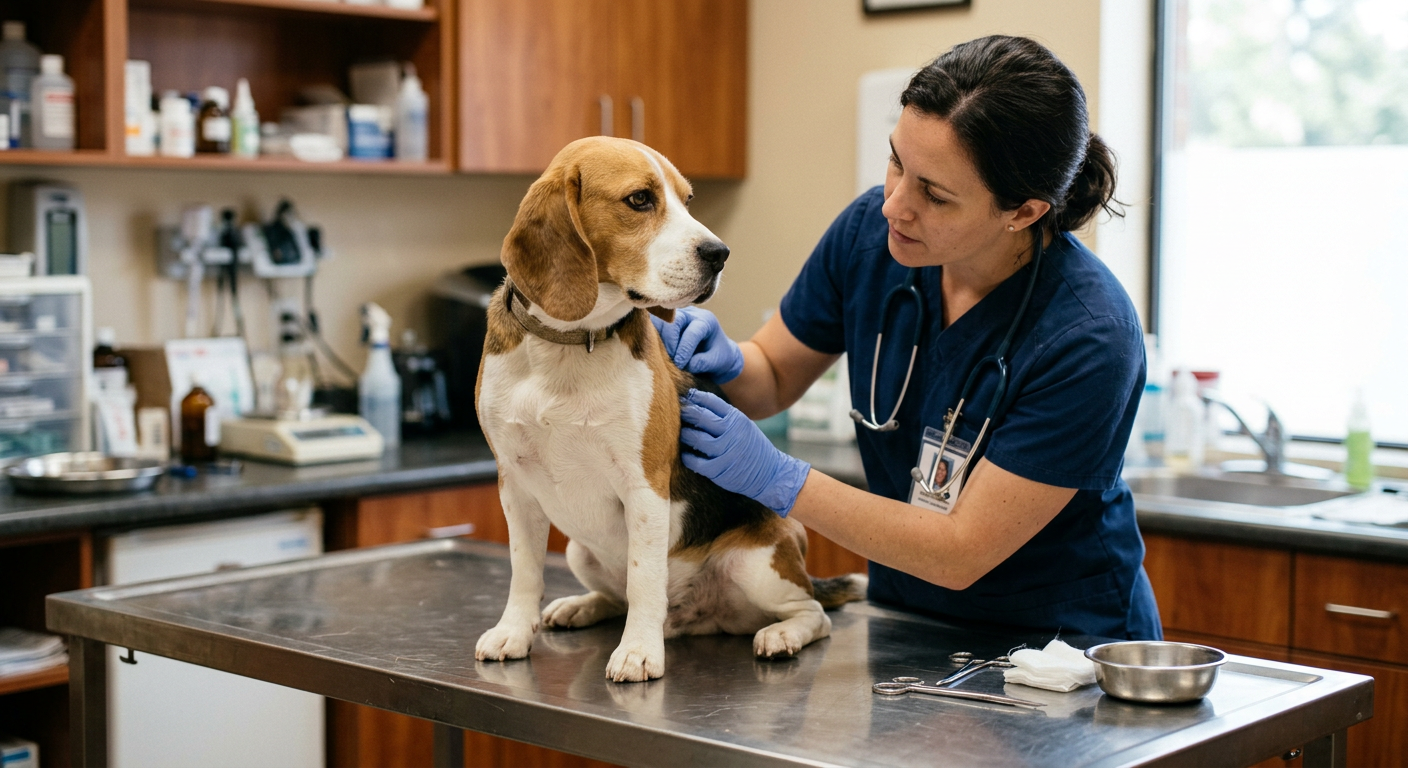
- Impacted Anal Glands: If your dog smells like "fish" after a bath, the culprit is likely their anal sacs. These glands may need to be expressed by a professional groomer or vet.
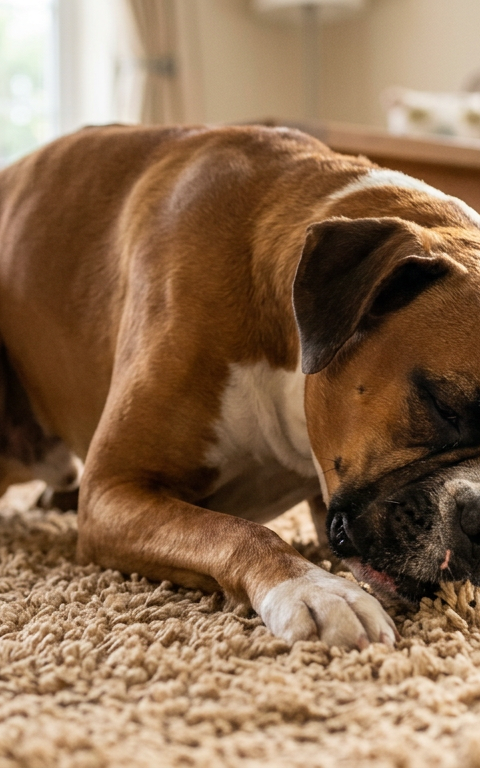
- Paw Microbes: Bacteria and yeast love to hide between paw pads. This often results in the "Frito feet" phenomenon.
Skin Folds and Trapped Moisture
Breeds with significant skin wrinkling, such as the Bulldog or French Bulldog, are prone to "fold dermatitis." Dirt, moisture, and bacteria get trapped in the folds where a regular bath cannot easily reach. If these areas are not cleaned and dried individually, the bacteria will continue to produce a sour smell almost immediately after the bath ends.
For these breeds, using specialized grooming wipes or a soft cloth to clean inside every fold daily can make a massive difference. Keeping these areas dry is just as important as keeping them clean to prevent the growth of odor-causing microbes.
Underlying Health and Wellness Considerations
If your dog continues to have a persistent odor despite perfect grooming habits, it may be time to consider their internal health. The skin is the largest organ in the body, and its condition often reflects what is happening on the inside. Chronic odors can sometimes be linked to systemic issues that a simple bath cannot fix.
Allergies are a frequent cause of skin odors. Whether it is environmental allergies (pollen, dust) or food sensitivities, the allergic reaction often causes the skin to produce excess oil or leads to inflammation. This creates a perfect environment for secondary infections. You might see other signs like dog scratching ears no mites found as a clue that allergies are at play.
Diet and Digestions Impact on Scent
What goes into your dog eventually shows up on the outside. Low-quality diets with high filler content can sometimes lead to poor skin health and a dull, smelly coat. High-quality fats (like Omega-3 and Omega-6 fatty acids) are crucial for maintaining the skin's natural barrier. When this barrier is weak, the skin becomes more susceptible to the bacteria that cause odors.
Proactive care through nutrition can significantly reduce the "musky" smell some dogs naturally carry. Consult with your veterinarian about switching to a formula designed for skin sensitivity if you find that your dog’s scent is a recurring issue regardless of their grooming schedule.
Grooming Techniques to Combat Post-Bath Smells
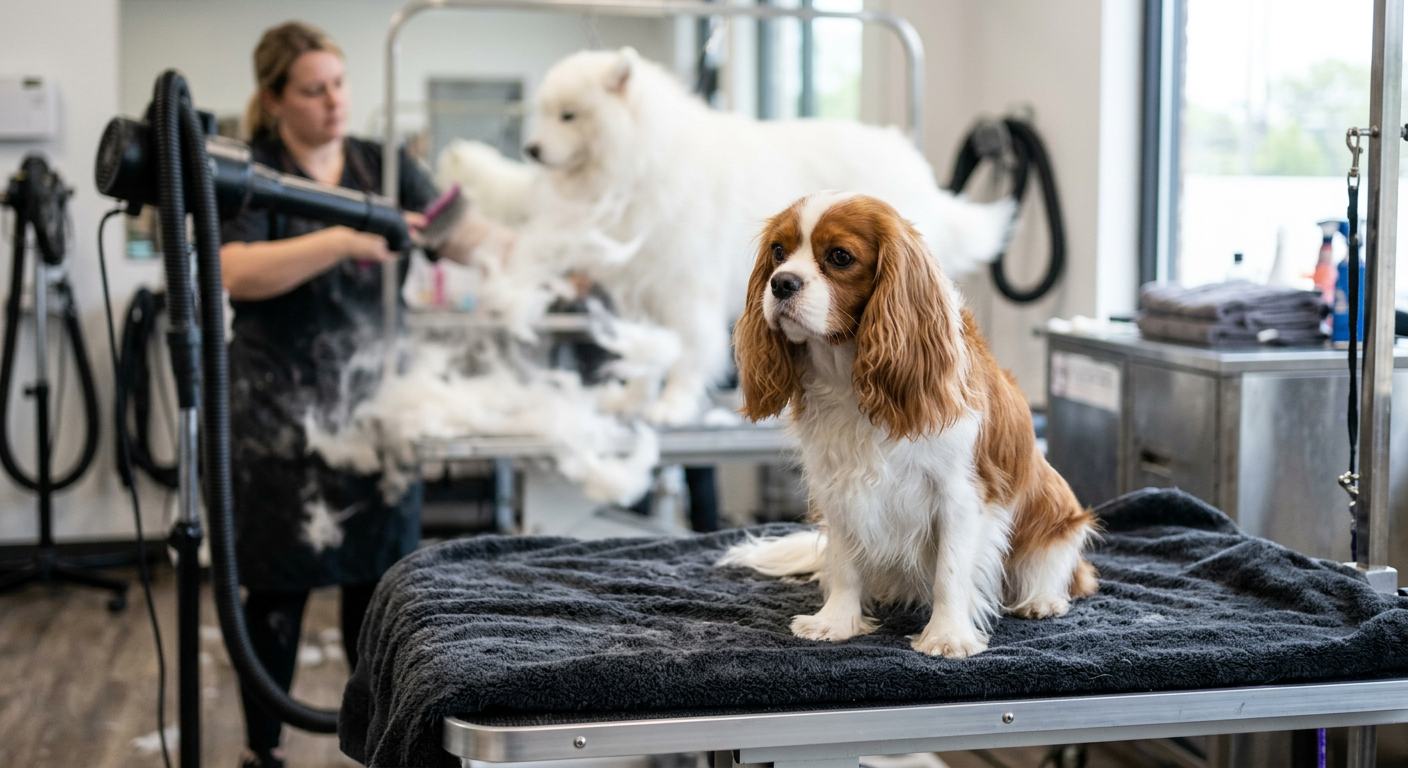
To solve the mystery of "why does my dog smell even after a bath," you might need to adjust your washing technique. Simply pour-and-scrub is often not enough to penetrate a dense coat or reach the skin surface where the odor-producing bacteria live.
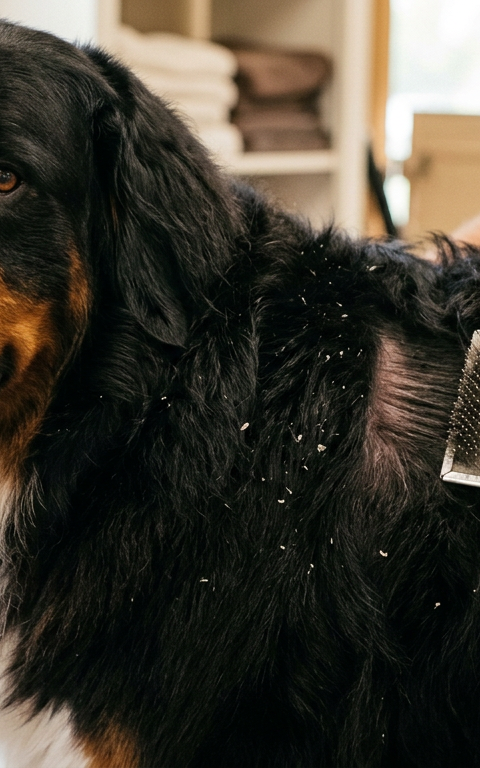
- Use a Pre-Bath Brush: Remove loose fur and dander before the water even starts. This allows the shampoo to actually reach the skin.
- Dilute Your Shampoo: Many professional groomers dilute shampoo so it spreads more evenly and rinses out more easily. Soap residue left in the fur can actually attract dirt and cause smells.
- Temperature Matters: Use lukewarm water. Hot water can dry out the skin, causing it to overproduce oils, while cold water may not break down the oils effectively.
- The Double Wash: For particularly oily breeds like the Cavalier King Charles Spaniel, two lathers may be necessary. The first wash removes surface grime, while the second deep-cleans the skin.
Always remember to rinse your dog for twice as long as you think you need to. Any leftover suds will become a magnet for bacteria and allergens once the dog is dry. If you notice specific skin issues during the bath, such as a dog having a bald spot near tail, it is a good idea to mention this to your vet as it could be related to the odor source.
Conclusion
It can be frustrating to ask why does my dog smell even after a bath, but usually, the answer lies in the details of their skin health or grooming routine. From trapped moisture in a thick undercoat to hidden ear infections or anal gland issues, most smells have a logical explanation. By focusing on thorough drying, targeted cleaning of "hotspots," and maintaining a high-quality diet, you can keep your canine companion smelling fresh. If the odor is accompanied by redness, itching, or hair loss, always reach out to your veterinarian to ensure your pup's skin remains healthy and comfortable.