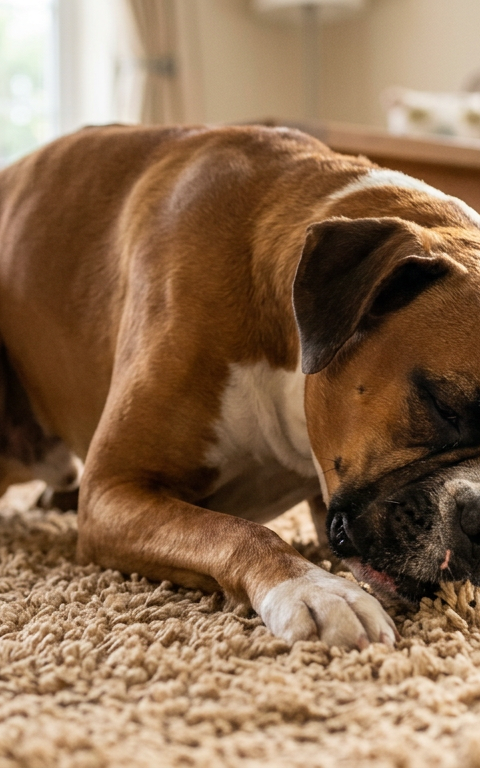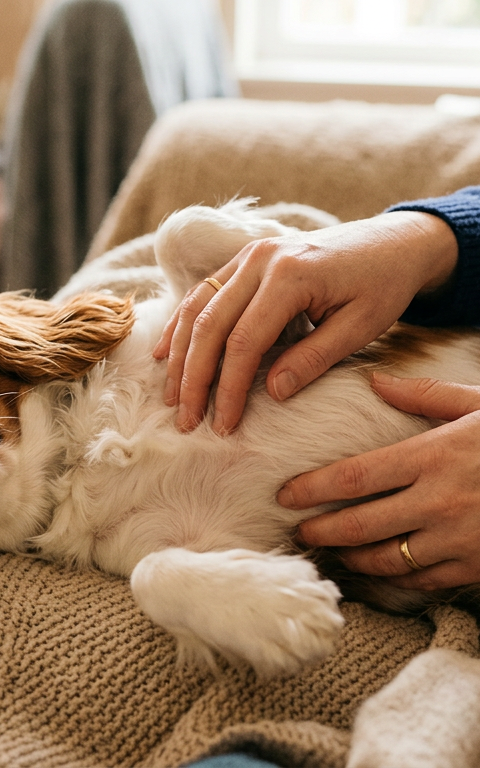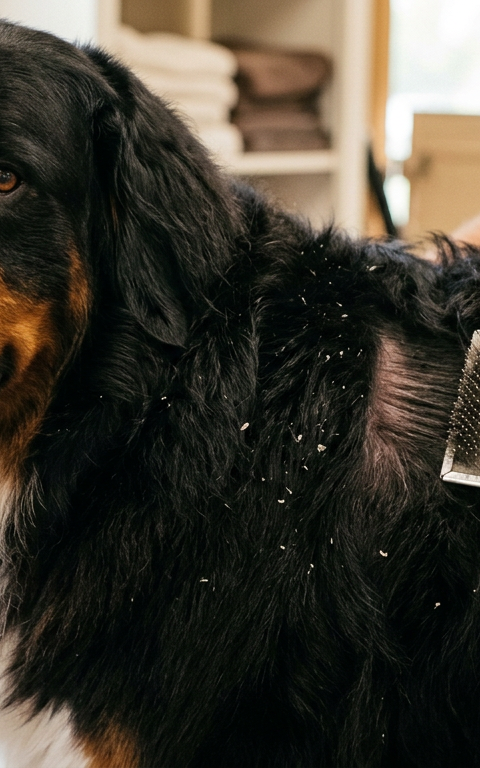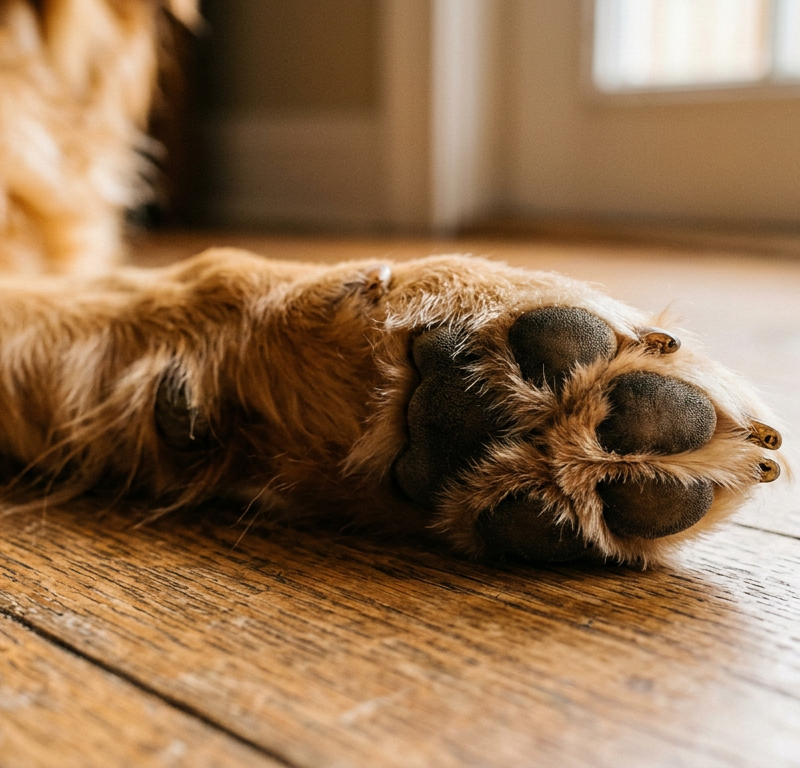
It is a common sight for pet parents to find their furry friend relaxing on the rug, but it becomes concerning when you notice your dog licking one paw constantly not injured or showing any obvious signs of trauma. While occasional grooming is perfectly normal, repetitive licking of a specific area often signals an underlying wellness consideration that warrants your attention. Understanding why this behavior starts is the first step toward helping your companion feel more comfortable.
When you observe a dog licking one paw constantly not injured, the lack of a visible cut or thorn can be puzzling. However, dogs use their mouths to communicate discomfort that we cannot always see with the naked eye. This behavior can stem from biological, environmental, or even psychological factors that are common across many breeds, from the energetic Siberian Husky to the gentle Golden Retriever.
Common Physical Triggers for Paw Licking
Even if you do not see a bleeding wound, physical sensations are often the primary driver. Environmental allergies are a frequent culprit. Just like humans react to pollen or dust, dogs can develop atopy, where their skin becomes itchy upon contact with outdoor irritants. The paws are the first point of contact with the ground, making them highly susceptible to gathering allergens.
Invisible Irritants and Chemicals
Sometimes the cause is invisible to us but highly irritating to them. Household floor cleaners, lawn fertilizers, or de-icing salts used in winter can cause chemical irritation. If your dog licking one paw constantly not injured occurs mostly after walks, consider if they are walking on treated grass or sidewalks. Gently wiping their paws with a damp cloth after outdoor excursions can often provide immediate relief.
Dry Skin and Weather Changes
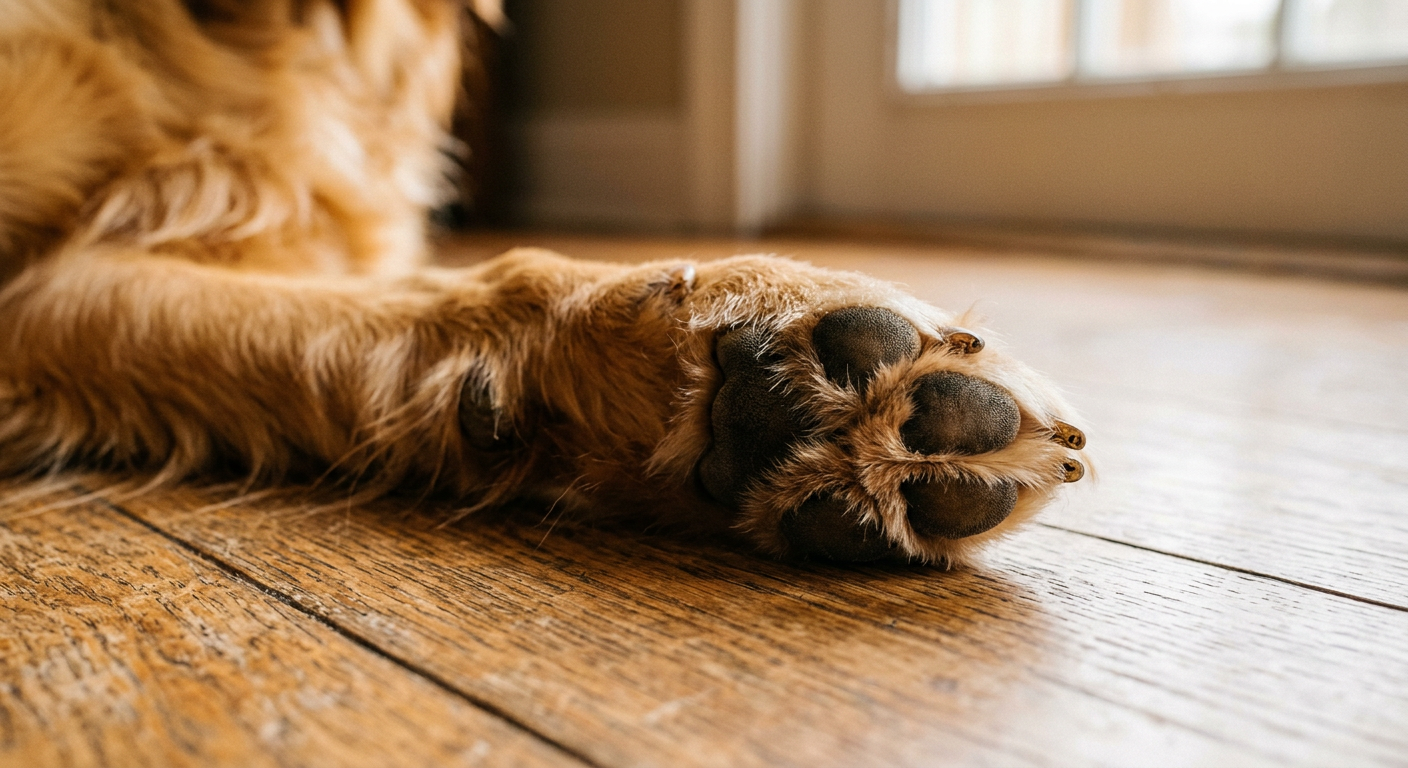
Weather plays a significant role in skin health. During dry winter months or in very arid climates, a dog's paw pads can become dry and itchy. This sensation may prompt them to lick for moisture, which unfortunately creates a cycle of further dryness once the saliva evaporates. Maintaining a consistent grooming routine and checking the humidity levels in your home can support overall skin wellness.
Psychological and Behavioral Factors
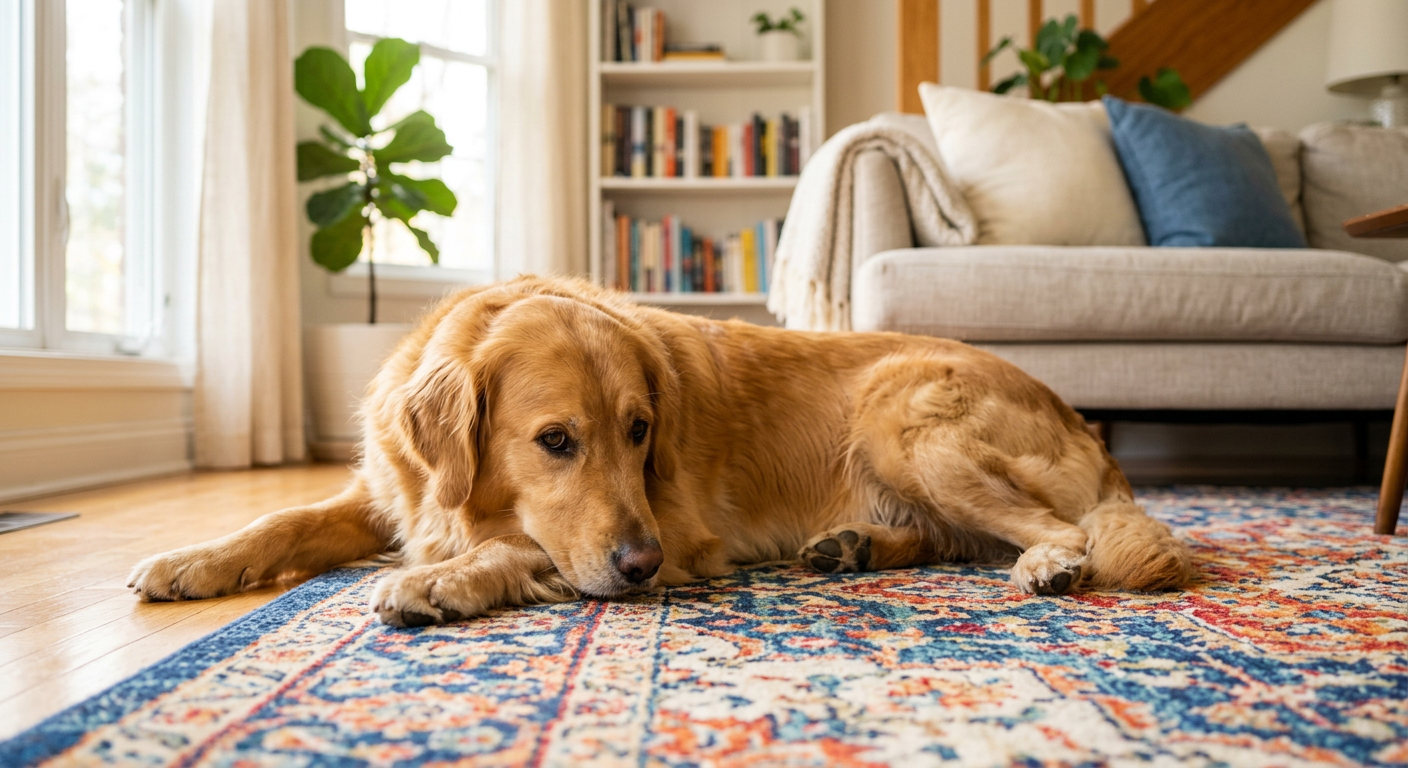
A dog licking one paw constantly not injured is not always reacting to a physical sensation. In many cases, the behavior is rooted in their emotional state. Much like humans might bite their nails when nervous, dogs use repetitive actions to soothe themselves during periods of change or boredom.
Anxiety and Stress Relief
When a dog feels anxious, their body releases endorphins during the act of licking. This creates a self-soothing mechanism that can quickly become a habit. Separation anxiety, loud noises, or changes in the household dynamic can trigger this response. If you notice the licking happens primarily when you are preparing to leave the house, it may be an emotional outlet for your pet.
Boredom and Lack of Stimulation
Dogs with high intelligence and energy levels, such as the Border Collie or Poodle, require significant mental and physical engagement. Without a "job" or enough interactive play, they may turn their focus inward. Licking a single paw becomes a way to pass the time or occupy their mind. Increasing puzzle toys and daily exercise can often redirect this energy effectively.
When Licking Becomes a Habit
Over time, what started as a response to a minor itch can turn into a compulsive behavior. This is known as an "acral lick granuloma" or "lick sore." Even if there was no injury initially, the constant friction and moisture from the tongue can eventually damage the skin tissue. This is why addressing the dog licking one paw constantly not injured early on is so beneficial for long-term health.
If the skin starts to change color, looking pinkish or brown, this is often due to porphyrin staining in the saliva. It is a clear indicator that the licking has been happening for an extended period. At this stage, proactive care and a visit to your veterinarian are essential to prevent secondary issues from developing in the moisture-rich environment of the fur.
Supportive At-Home Care Strategies
While you wait for a professional consultation, there are gentle ways to support your dog. Start by examining the paw very closely under a bright light. Look between the toes for small burs, seeds, or tiny red bumps that might be hidden by fur. If the skin looks healthy, you can focus on environmental and behavioral adjustments.
Environmental Changes
Try switching to hypoallergenic floor cleaners and scent-free laundry detergents for their bedding. If you suspect seasonal allergies, washing your dog's paws with a veterinarian-recommended soothing shampoo can remove trapped pollen. Ensure their diet is rich in Omega-3 fatty acids, which support a healthy skin barrier and may reduce general itchiness.
Redirection and Engagement
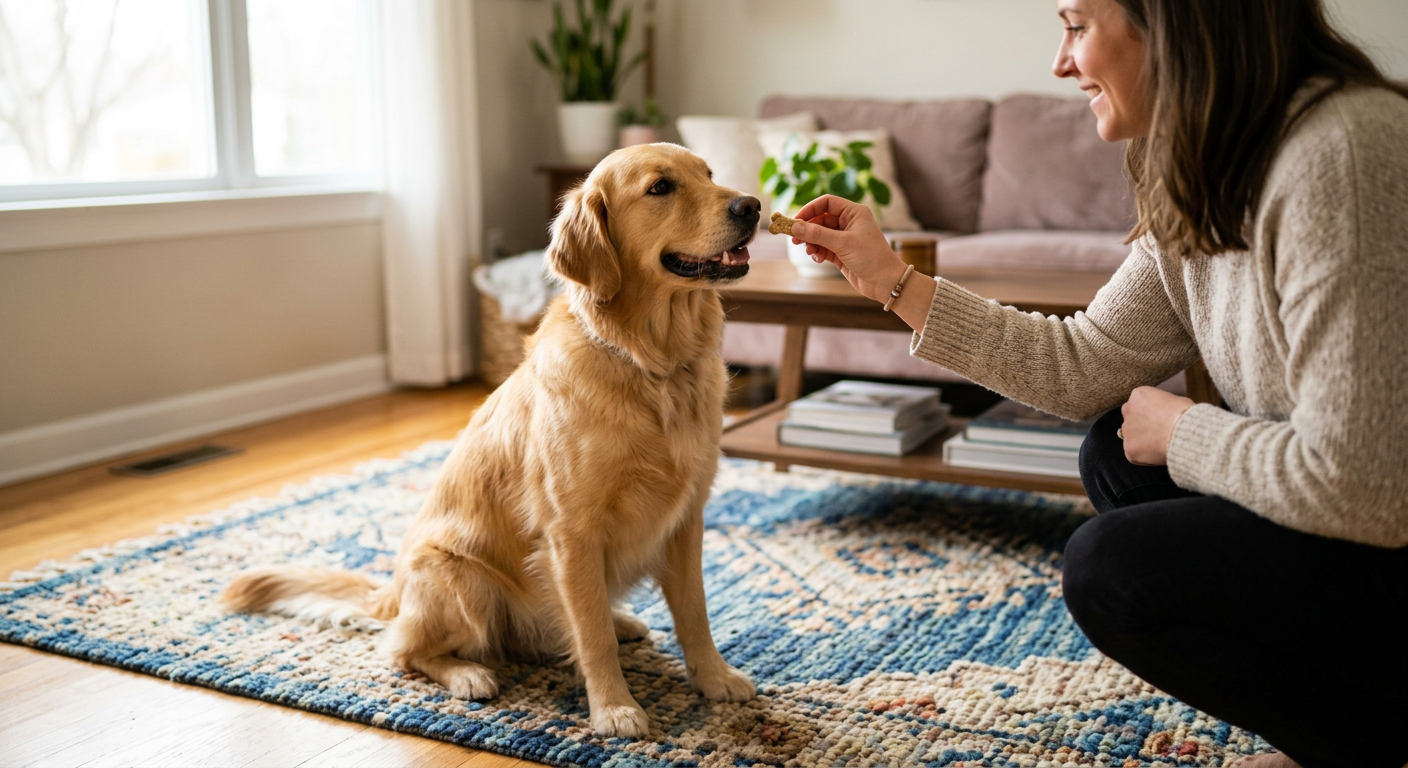
When you see your dog licking one paw constantly not injured, gently redirect their attention without using scolding or negative reinforcement. Call them over for a short training session, offer a chew toy, or go for a brief walk. Replacing the licking behavior with a positive activity helps break the neural loop of the habit while strengthening your bond.
Consulting Your Veterinarian
Because there are so many potential causes, a veterinarian is your best partner in identifying the specific trigger. They may perform a skin scraping to rule out microscopic mites or suggests an elimination diet if they suspect food sensitivities. Professionals can also determine if the licking is secondary to joint discomfort or referred pain that isn't visible on the surface.
Your vet can also discuss specialized solutions if the behavior is strictly behavioral. For intense anxiety, they might suggest pheromone diffusers or specific calming supplements that help your dog feel more secure in their environment. Early intervention ensures that your dog remains happy, comfortable, and focused on being your best friend rather than on their paws.
Conclusion
Observing your dog licking one paw constantly not injured is an invitation to look closer at their daily life and environment. Whether it's a response to a hidden allergen or a need for more mental stimulation, your proactive approach makes a world of difference. By staying observant and working with your vet, you can ensure your dog's coat and skin stay healthy for years to come.