Finding white flakes on your pup can be a puzzling experience, especially when your dog has dandruff but no dry skin. Many pet owners assume that flakes always equal a lack of moisture, but the skin is a complex organ that reacts to many internal and external factors. Understanding why these flakes appear on an otherwise healthy-looking coat is the first step toward restoring your dog's shine.
When you run your hands through your dog's fur and see "snowing" despite their skin feeling supple or even oily, you are likely looking at a condition called seborrhea. While common, it requires a slightly different approach than typical dry skin treatments. Let's dive into the common reasons for this occurrence and how you can help your furry friend feel their best.
Understanding Seborrhea in Dogs
Seborrhea is a clinical term for a skin condition where the sebaceous glands of the skin produce an excessive amount of sebum. This can lead to two different presentations: seborrhea sicca (dry flakes) and seborrhea oleosa (oily flakes). In cases where the dog has dandruff but no dry skin, the "oily" version is often the culprit.
In these instances, the skin cells are actually turning over too quickly. Instead of the normal 21-day cycle, the cells may mature and slough off in just a few days. Because the skin isn't technically "dry" or lacking oil, standard moisturizing sprays might not provide the relief you expect. You can learn more about managing various coat issues in our guide on why dogs smell after bathing, as excess oil often carries a distinct scent.
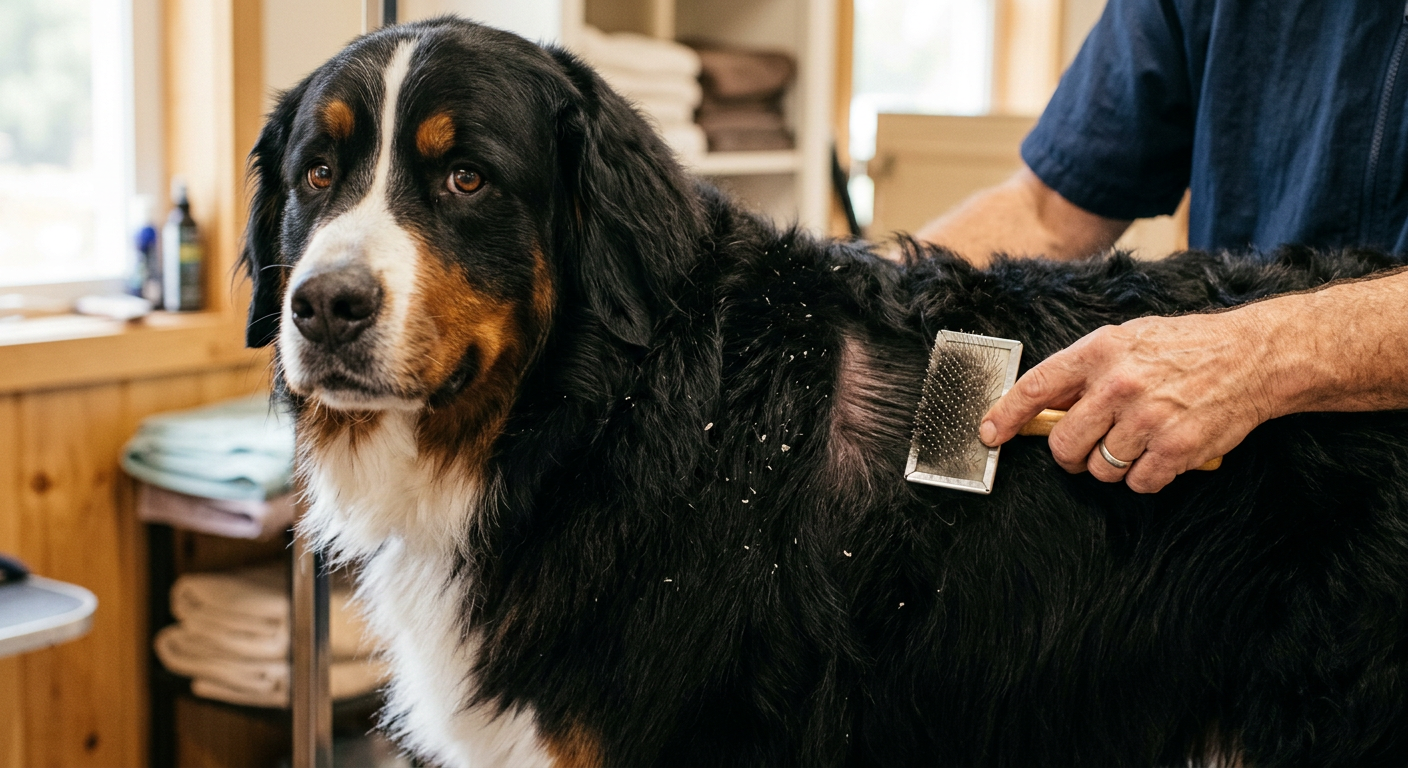
Primary vs Secondary Seborrhea
Veterinarians generally categorize dandruff into primary and secondary types. Primary seborrhea is typically inherited and is more common in specific breeds like West Highland White Terriers, Cocker Spaniels, and Basset Hounds. It usually manifests early in life, often before the dog reaches two years of age.
Secondary seborrhea is much more common and occurs because of an underlying wellness consideration. If your dog is older or the dandruff appeared suddenly, it is likely a symptom of something else, such as a change in the environment, diet, or a minor hormonal shift. Addressing the root cause is the most effective way to clear up the coat.
Common Triggers for Flaking Without Dryness
If your dog's skin feels normal to the touch, several factors might be triggering the excess production of skin cells. Identifying these can help you tailor your grooming routine to their specific needs. Here are the most frequent contributors:
- Allergies: Environmental or food sensitivities can cause the skin to react by overproducing cells, even if the skin doesn't look red or inflamed initially.
- Internal Wellness: Conditions like hypothyroidism can affect the rate at which skin cells regenerate.
- Nutritional Gaps: A lack of specific Omega-3 fatty acids can lead to poor coat quality and flaking.
- Parasites: Microscopic mites, sometimes called "walking dandruff," can cause visible white specks that move, though the skin itself may not feel dry.
In breeds with heavy double coats, like the Siberian Husky, trapped moisture and heat near the skin can also disrupt the natural shedding process of skin cells, leading to visible flaking.
The Role of Grooming and Products
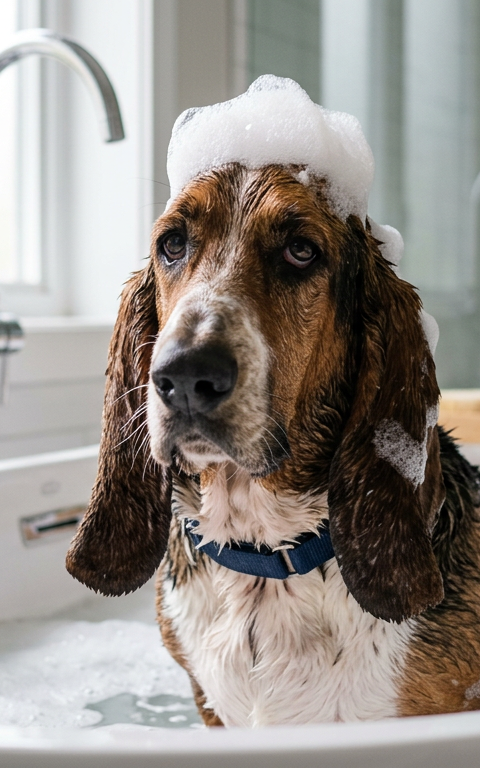
The products you use during bath time play a significant role in how your dog's skin behaves. Using a shampoo that is too harsh can strip natural oils, but using one that is too heavy can lead to buildup that looks like dandruff. For a dog with oily-based dandruff, a "keratolytic" shampoo is often recommended by professionals to help break down excess keratin and slow down cell production.
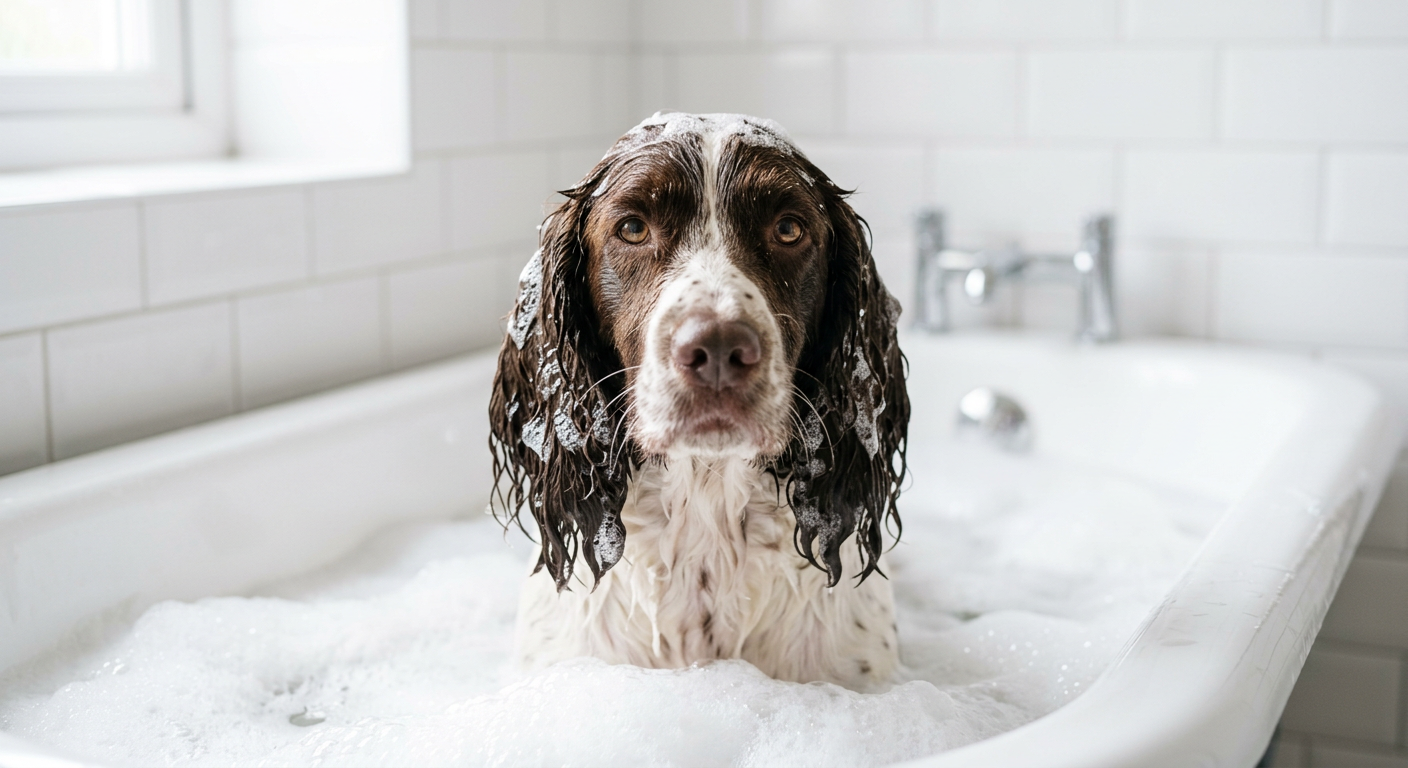
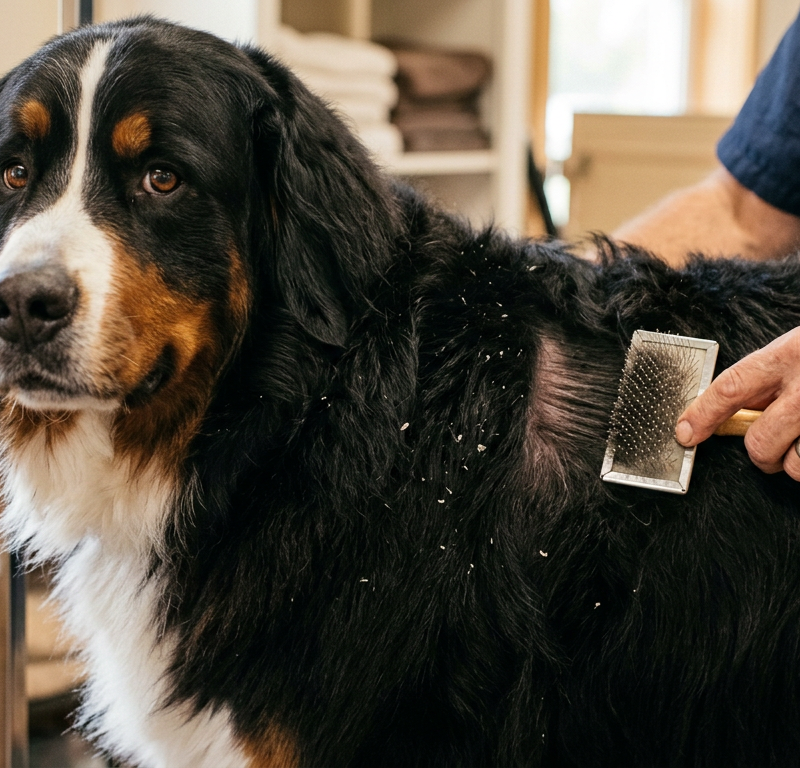
Brushing is also a vital tool. Regular brushing distributes the natural oils produced by the sebaceous glands across the hair shaft. This prevents the oils from pooling at the skin's surface, which is often what causes those flakes to clump together and become visible. For breeds like the German Shepherd, daily brushing is essential for skin health.
Environmental Factors and Humidity
While we often associate winter air with dry skin, high humidity can also cause skin issues. Excess moisture in the air can lead to a slight overgrowth of the natural yeast that lives on a dog's skin. This yeast, known as Malassezia, feeds on skin oils. When it flourishes, the skin reacts by shedding cells faster, resulting in flakes even though the environment isn't dry.
When to Consult Your Veterinarian
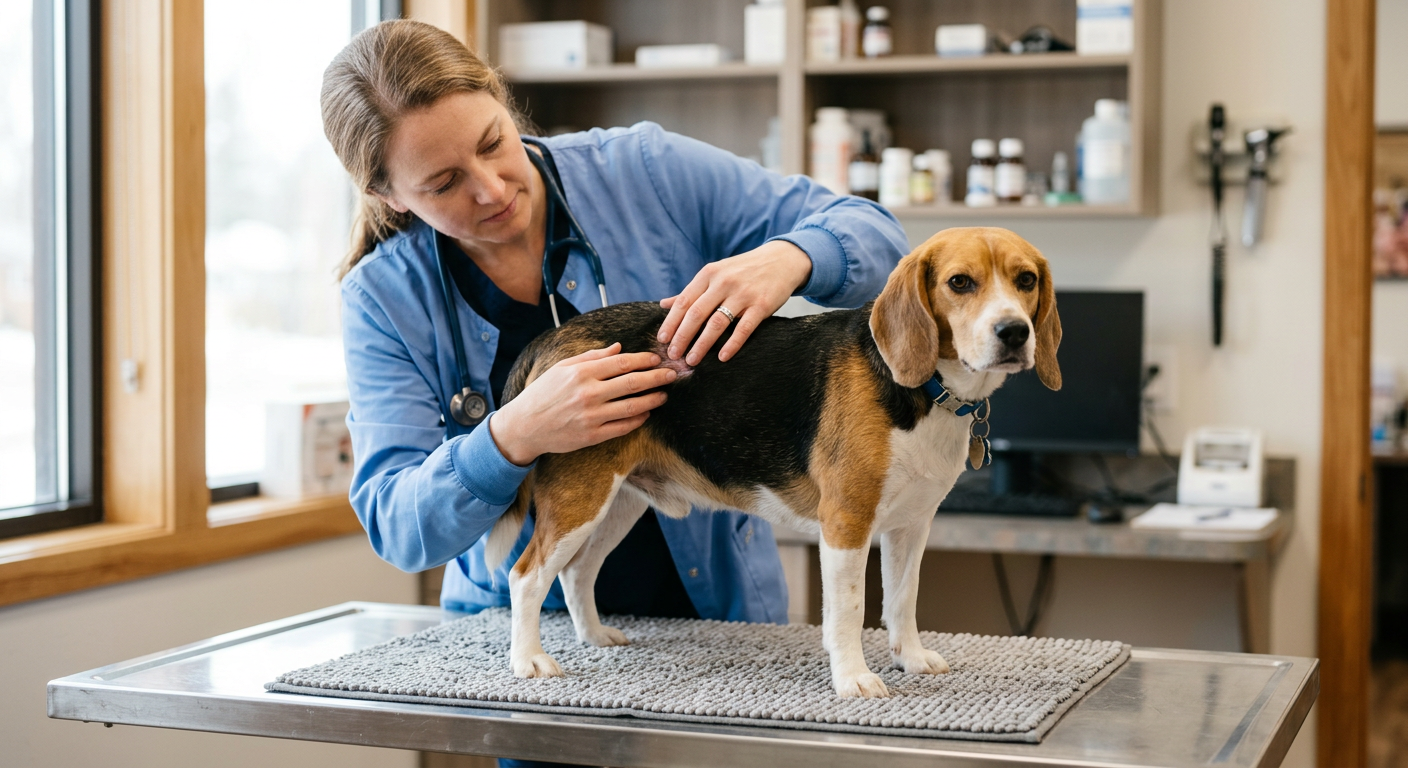
While mild dandruff can often be managed at home with grooming changes, there are times when a professional opinion is necessary. If you notice your dog is also showing signs of discomfort, such as scratching excessively or developing a strong odor, it's time for a check-up. Your vet can perform a skin scraping to rule out mites or fungal issues.
Early intervention is always best for skin wellness. If the flaking is accompanied by hair loss or if you see your dog chewing their tail area, these are signs that the "dandruff" is a symptom of a more significant irritation that needs medical attention.
Supporting Skin Health From Within
Topical treatments are excellent, but true skin health starts from the inside out. Ensuring your dog has a balanced diet rich in zinc, Vitamin A, and essential fatty acids can significantly reduce the occurrence of non-dry dandruff. Many owners find success by adding a high-quality fish oil supplement to their dog's meals.
Hydration is another key factor. Even if the skin doesn't feel dry, internal hydration supports the overall elasticity and function of the skin barrier. Ensure your dog always has access to fresh, clean water, especially if they are active or live in a warmer climate.
Conclusion
It can be confusing when your dog has dandruff but no dry skin, but it is usually a sign that their skin's natural "cleaning" cycle is slightly out of balance. By focusing on regular brushing, using the right grooming products, and maintaining a high-quality diet, you can help your dog's coat return to its natural, flake-free state. Remember that every dog is unique, and what works for a French Bulldog vs a Poodle may differ based on their coat type and genetic predispositions. With a little patience and proactive care, your pup will be back to their shiny self in no time.