Discovering that your small dog is losing hair on their belly and chest can be a confusing experience for any pet parent. While we often expect our furry friends to have full, fluffy coats, thinning fur in these specific areas is actually a common observation in smaller breeds. Understanding the underlying reasons for these coat changes is the first step toward supporting your dog's skin health and overall wellness.
There are many reasons why a small dog losing hair on belly and chest might occur, ranging from genetic predispositions to environmental factors. Because small dogs are often closer to the ground and have different metabolic needs than larger breeds, their skin can be sensitive to a variety of triggers. By observing your dog's behavior and physical symptoms, you can better prepare for a productive conversation with your veterinarian.
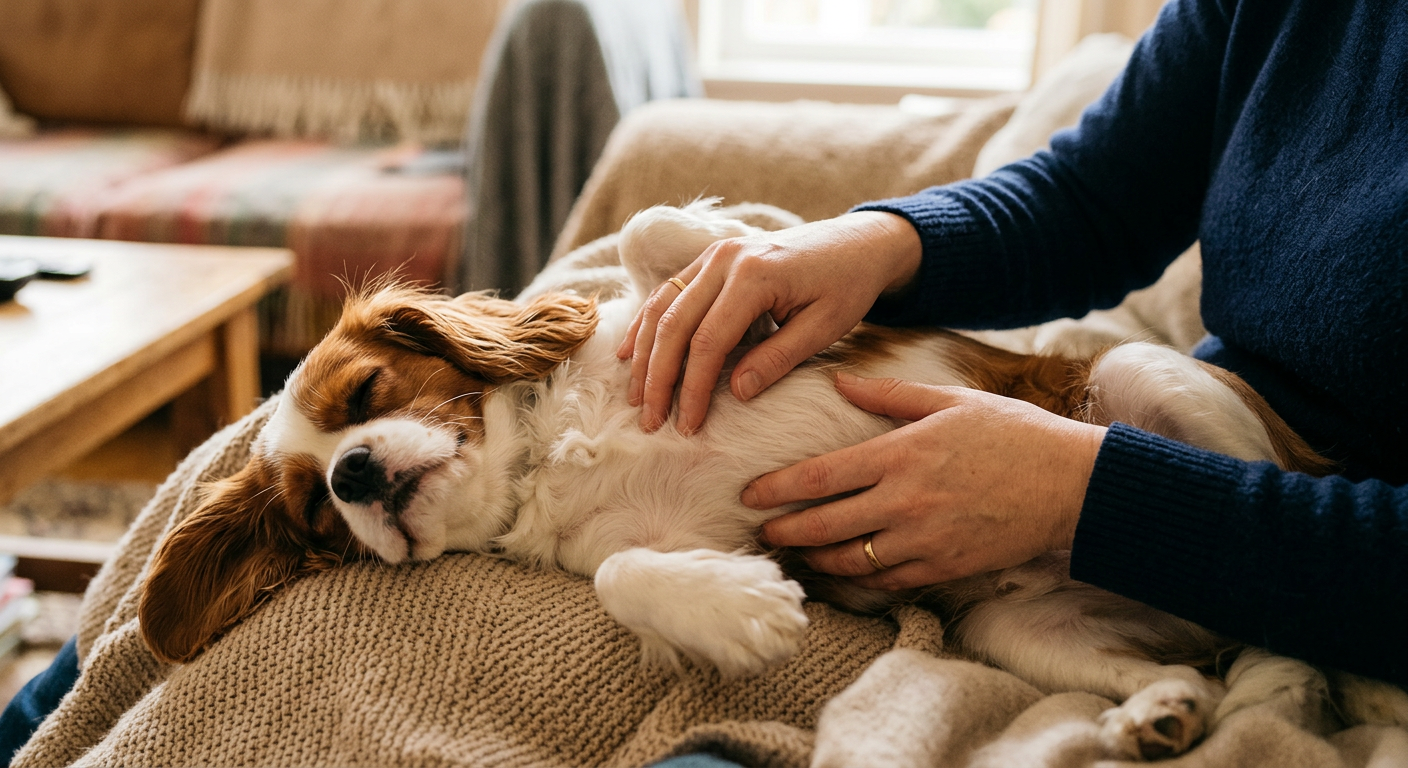
Common Genetic Factors in Small Breeds
Some small dogs are simply prone to thinner hair on their undersides due to their genetics. This is often referred to as "pattern baldness" or follicular dysplasia. In many cases, this isn't a sign of illness but rather a breed characteristic that develops as the dog reaches maturity. You might notice the hair thinning gradually without any signs of redness or irritation.
Breeds like the Dachshund, Chihuahua, and Miniature Pincher are frequently associated with this type of non-inflammatory hair loss. If you are tracking your pet's development, using a tool like our Yorkshire Terrier age calculator can help you determine if these changes align with their transition into adulthood. When the skin looks healthy and your dog isn't scratching, it is often just a cosmetic trait.
Recognizing Congenital Alopecia
Congenital alopecia usually begins to show up before a dog is one year old. It typically affects the outer ears, the chest, and the entire underside of the belly. Unlike other conditions, the skin remains smooth and darkens slightly over time, but the dog remains perfectly comfortable and happy.
Environmental and Contact Sensitivities
Because smaller dogs have shorter legs, their chests and bellies are much closer to the surfaces they walk on. This makes them more susceptible to contact dermatitis. This occurs when the skin reacts to something it touches, such as floor cleaners, lawn chemicals, or even certain types of carpet fibers.
If you notice that the hair loss is accompanied by small red bumps or if your dog is frequently licking one paw constantly along with their belly, an environmental irritant might be the culprit. Switching to pet-safe cleaning products and rinsing your dog's underside after walks can often provide significant relief.
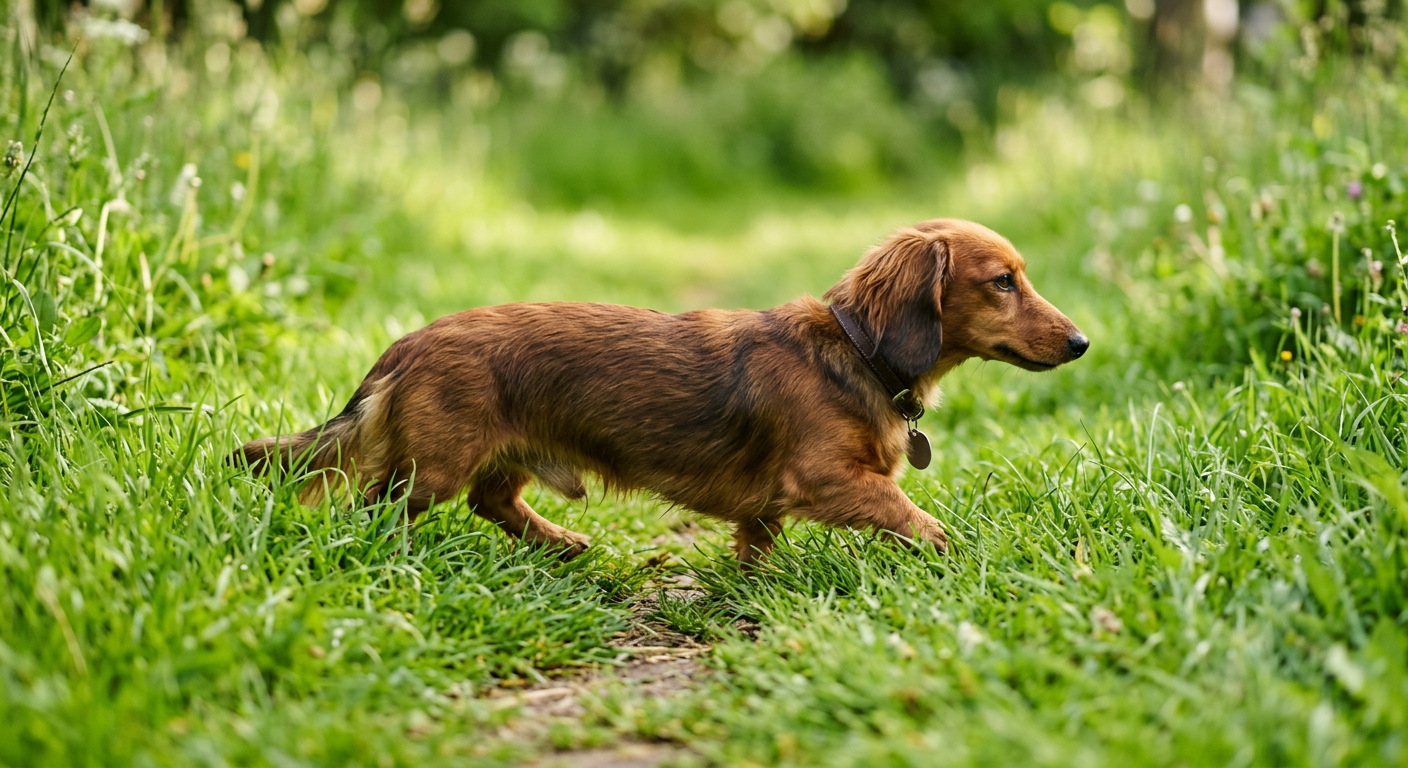
Hormonal Wellness and Coat Health
The health of a dog's coat is often a reflection of their internal hormonal balance. When a dog experiences an imbalance in hormones like cortisol or thyroid hormone, the belly and chest are often the first places where the hair begins to thin. This is because these areas have a different hair growth cycle than the rest of the body.
- Hypothyroidism: A common condition where the thyroid gland is underactive, leading to a thin coat and weight gain.
- Cushing's Disease: This occurs when the body produces too much cortisol, often resulting in "pot-bellied" appearances and thin skin.
- Seasonal Alopecia: Some dogs lose hair on their flanks and bellies during specific times of the year due to changes in daylight.
If you have a breed like a Frenchie and are noticing these changes, you might want to compare French Bulldogs and Poodles to see how different coat types react to hormonal shifts. Your vet can perform simple blood tests to check these hormone levels and recommend a supportive care plan.
Nutritional Support for Skin Barriers
A small dog's metabolism is very active, meaning they require high-quality nutrients to maintain a healthy skin barrier. If a diet is lacking in essential fatty acids like Omega-3 and Omega-6, the hair may become brittle and fall out, particularly on the chest where the skin is thinner. Providing a balanced diet specifically formulated for small breeds can make a world of difference.
Sometimes, a dog might also have a food sensitivity that manifests as itchy skin and hair loss. If you notice your dog is scratching their ears frequently in addition to losing belly hair, a protein sensitivity might be involved. Your veterinarian might suggest a transition to a limited-ingredient diet to see if the coat improves.
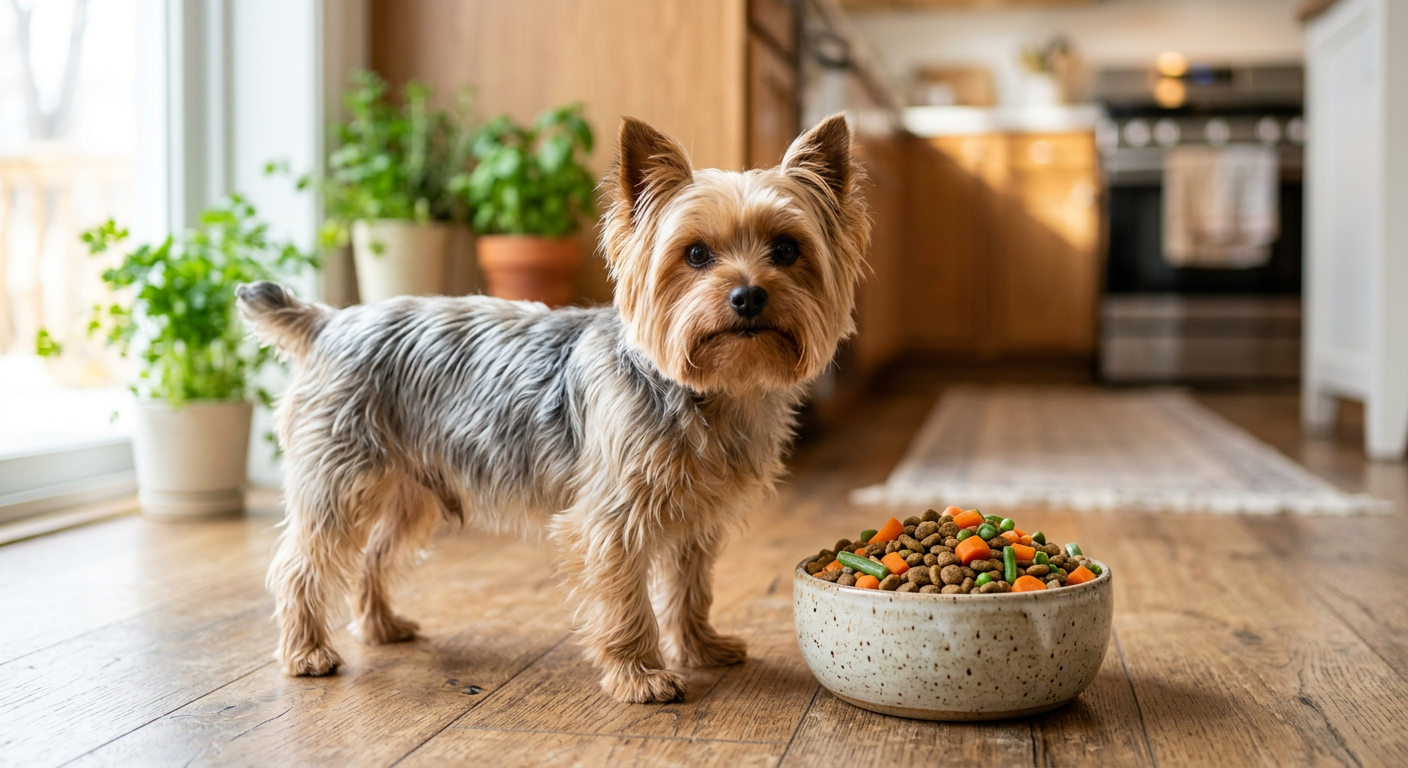
Managing Stress and Behavioral Licking
Small dogs are often very sensitive to changes in their environment. Anxiety or stress can lead to a behavior known as psychogenic alopecia, where a dog compulsively licks their belly or chest for comfort. This constant moisture and friction eventually lead to thinning hair and bald patches.
Common stressors for small dogs include:
- Moving to a new home or rearranged furniture.
- Changes in the household schedule.
- Loud noises like thunderstorms or construction.
- Separation anxiety when owners are away.
When to Consult Your Veterinarian
While many causes of hair loss on the belly and chest are manageable at home, some require professional medical attention. You should always schedule a wellness check if you notice the skin looks crusty, has an unusual odor, or if your dog seems uncomfortable. A professional can rule out parasites or fungal infections that might be contributing to the issue.
If your dog is also showing signs of discomfort in other areas, such as chewing the base of their tail, it could indicate a more systemic issue like flea allergy dermatitis. Early intervention is the best way to ensure your small companion stays comfortable and keeps their coat looking its best.
Summary of Care Steps
Monitoring a small dog losing hair on belly and chest involves a blend of observation and proactive care. By keeping track of when the hair loss started and any accompanying behaviors, you provide your vet with the tools they need to help. Most small dogs with thinning hair live full, happy lives with just a few minor adjustments to their routine or diet. Focus on maintaining a gentle grooming schedule and ensuring they have a stress-free environment to thrive in.