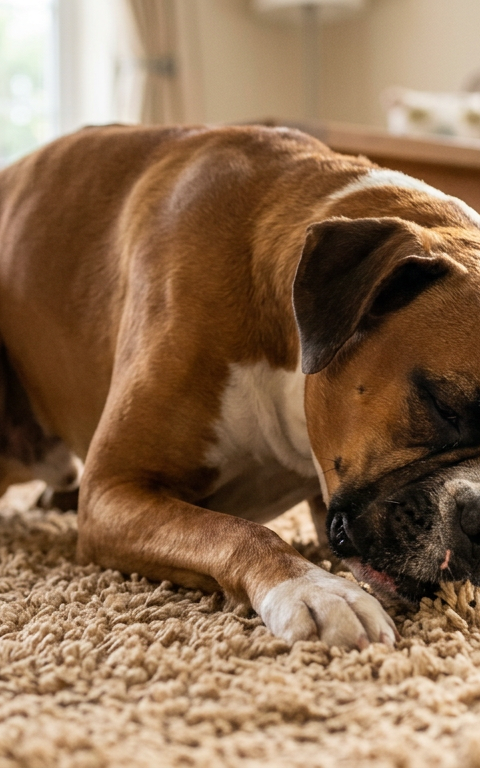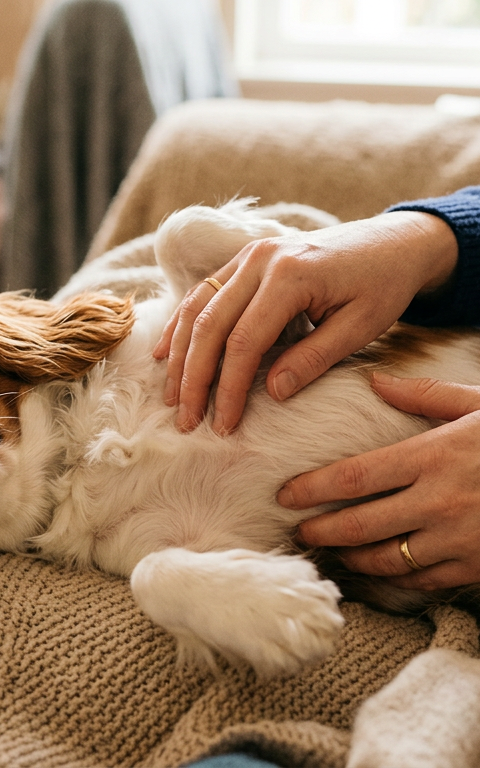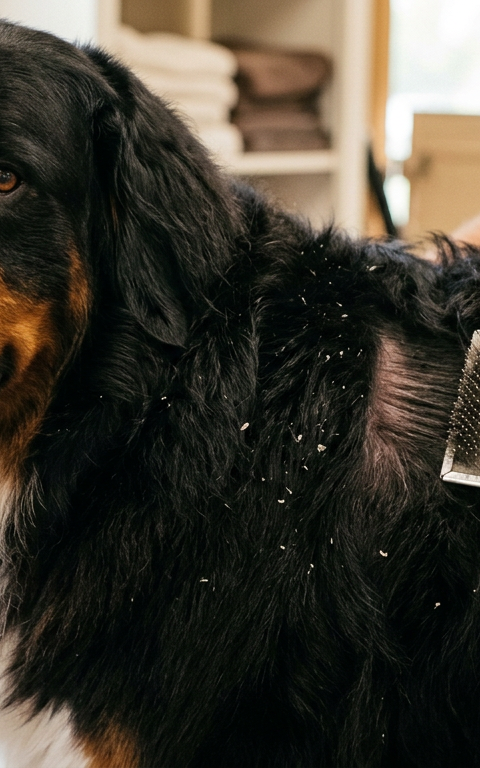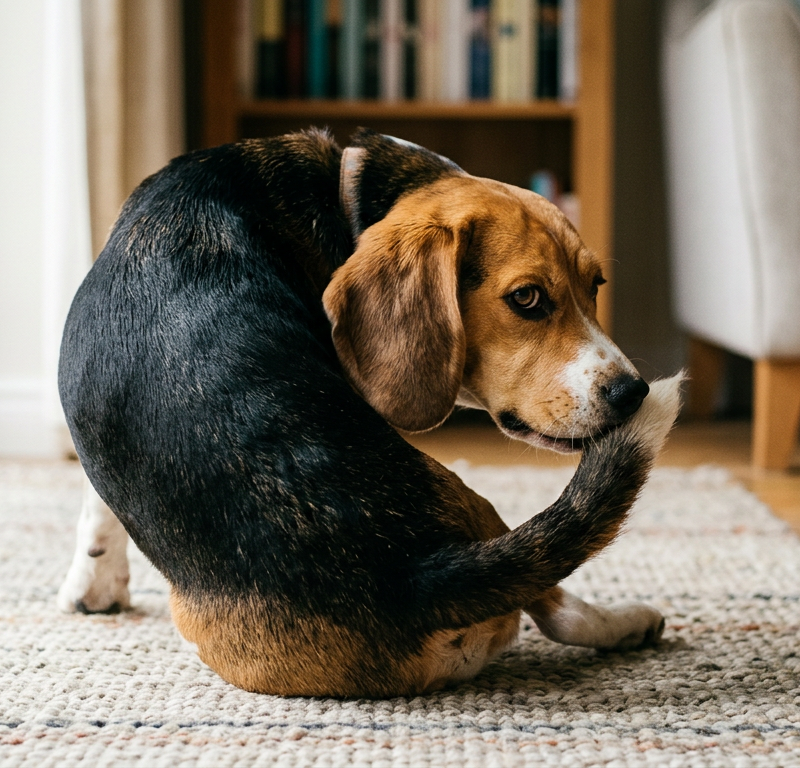
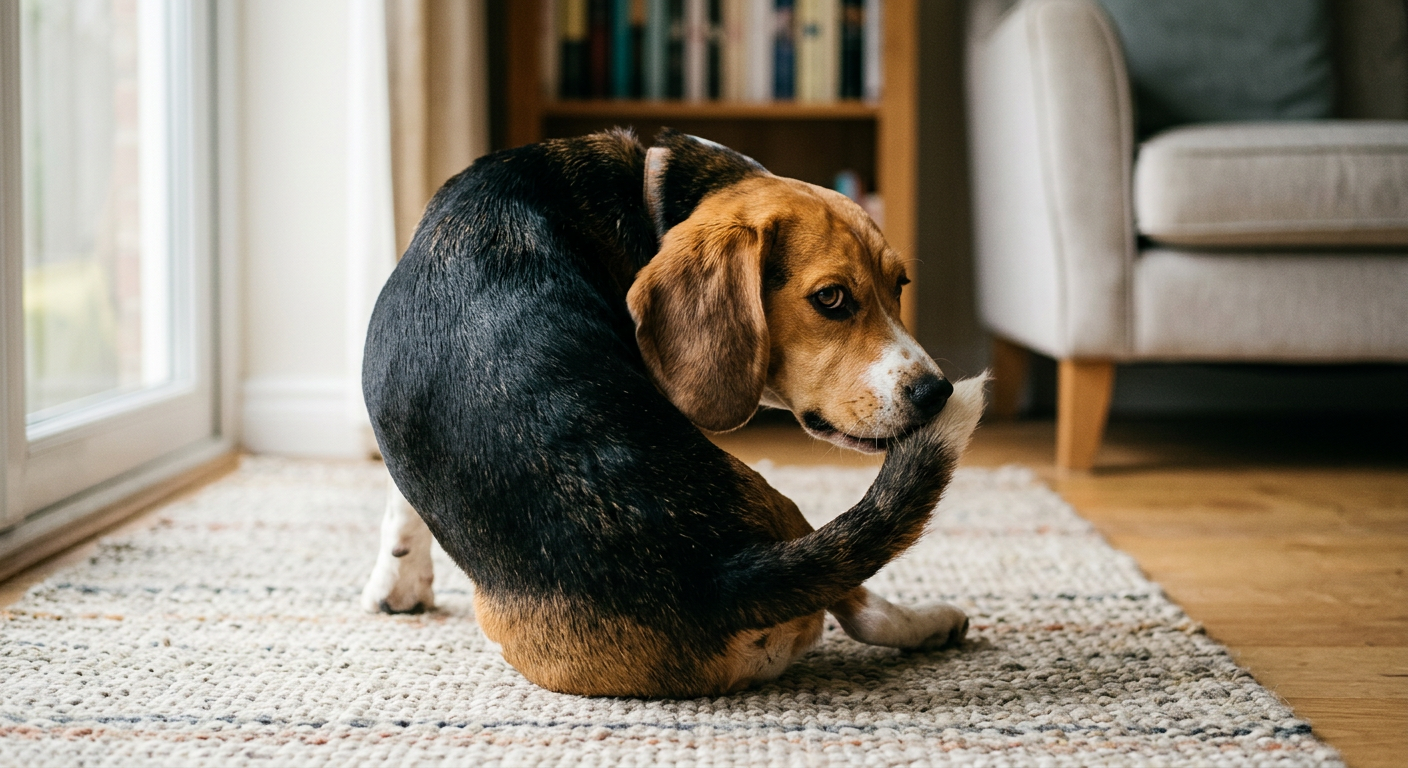
Noticing your dog chewing base of tail until raw can be a distressing experience for any pet parent. This repetitive behavior often signals that your canine companion is dealing with significant discomfort or an underlying wellness issue. While it might look like a simple itch, the intensity of the chewing suggests a need for a proactive approach to identify the source of the irritation.
When a dog focuses so intently on the area where the tail meets the back, they can quickly damage the skin, leading to hair loss, redness, and secondary infections. Understanding the root causes of this behavior is the first step toward helping your dog find relief. By observing their routines and checking for common triggers, you can gather the information your veterinarian needs to create an effective care plan.
Common Environmental and Biological Triggers
One of the most frequent reasons for a dog to obsessively chew the base of their tail is an allergic reaction. Flea Allergy Dermatitis (FAD) is a leading cause of localized itching in this specific region. Even a single flea bite can trigger an intense immune response in sensitive dogs, leading to localized inflammation that feels unbearable to the animal.
Environmental allergens such as pollen, dust mites, or certain grasses can also contribute to skin irritation. Unlike humans who might sneeze, dogs often express their allergies through their skin. If your dog is also showing other signs of discomfort, such as licking their paws constantly, it may point toward a systemic allergic response rather than a localized injury.
The Role of Food Sensitivities
Dietary triggers are another factor to consider when your pet is fixated on their tail area. Some dogs develop sensitivities to specific proteins or grains over time. This inflammation often manifests as itchy skin, particularly around the rear and the ears. You might notice your dog scratching their ears or rubbing their face in addition to the tail-focused chewing.
Anal Gland Issues and Discomfort
The base of the tail is anatomically close to the anal glands, which are small sacs located on either side of a dog's anus. These glands normally empty during bowel movements. However, if they become impacted or full, your dog may experience significant pressure and discomfort. To alleviate this feeling, many dogs will bite and chew at the base of their tail or "scoot" across the floor.
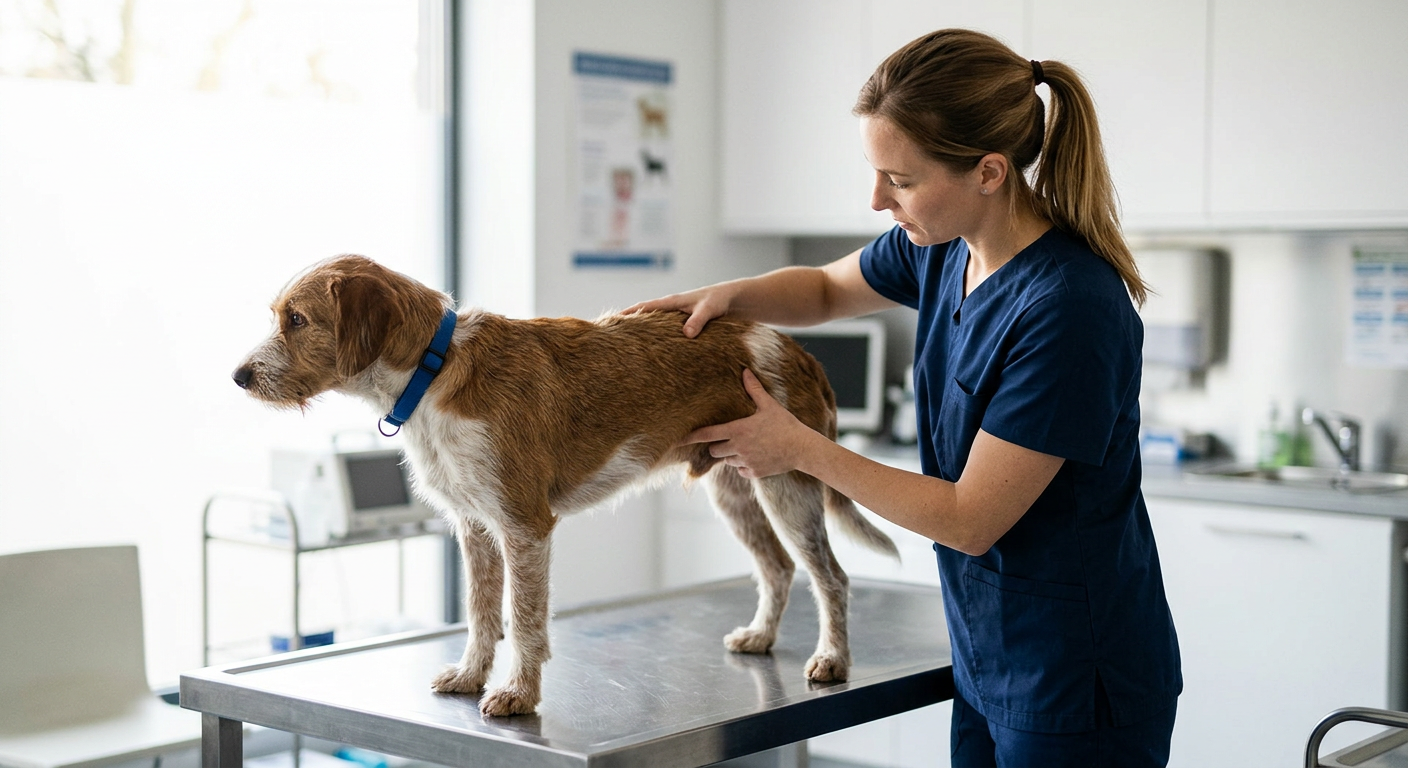
A veterinarian can safely express these glands and check for signs of infection. If the glands are the primary source of the problem, you will likely see an immediate reduction in the tail-biting behavior once the pressure is relieved. Proactive care, such as increasing fiber in the diet, can sometimes help prevent future impactions.
Identifying Behavioral and Stress Factors
Sometimes, the reason a dog continues chewing their tail until the skin is raw isn't purely physical. Boredom, anxiety, or stress can lead to obsessive-compulsive behaviors in dogs. When a dog lacks mental stimulation or feels anxious due to changes in the household, they may turn to self-grooming as a way to self-soothe. What starts as a small nibble can quickly escalate into a repetitive habit that damages the skin.
High-energy breeds, such as the Border Collie or Poodle, are particularly prone to these types of behaviors if they aren't given enough "work" to do. Ensuring your dog gets plenty of exercise and interactive play can sometimes curb the urge to over-groom. If you suspect anxiety is the cause, tracking their age and activity levels using a tool like our Border Collie age calculator can help you tailor their exercise routine to their current life stage.
Separation Anxiety and Tail Chasing
If the chewing happens primarily when you are away, it could be a sign of separation anxiety. The act of chewing releases endorphins that help the dog feel calmer in the moment. However, the physical damage left behind needs medical attention to prevent further complications like bacterial infections or "hot spots."
Physical Injuries and Nerve Pain
We shouldn't overlook the possibility of a physical injury that isn't immediately visible. A dog might chew at the base of their tail if they have a localized sprain, a small fracture from a door mishap, or even nerve pain stemming from the lower back. Conditions like arthritis or intervertebral disc disease (IVDD) can cause referred pain that a dog tries to "bite away."
- Soft Tissue Injuries: Recent falls or rough play can cause soreness at the tail's base.
- Pinched Nerves: Lower back issues often manifest as tingling or pain in the tail region.
- Arthritis: Older dogs may chew at joints or the spine to cope with chronic dull aches.
- Splinters or Thorns: Check the fur carefully for any foreign objects that might be embedded in the skin.
Steps for Immediate Care and Prevention
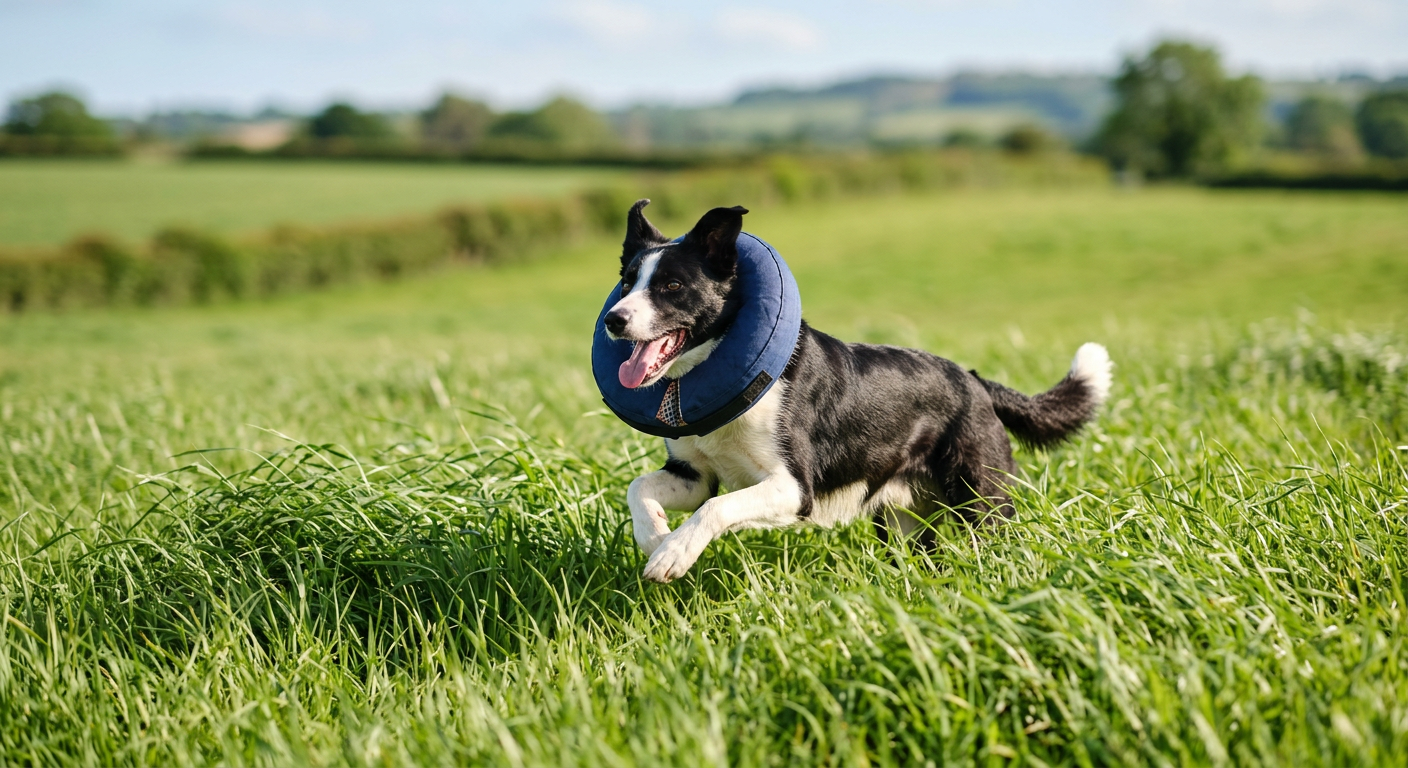
While you wait for a veterinary appointment, there are steps you can take to protect your dog's skin. Preventing further damage is the most important goal. If your pet has already created a raw spot, they may need an Elizabethan collar (the "cone of shame") to physically stop the cycle of chewing. This allows the skin a chance to begin the natural healing process without constant moisture and bacteria from the mouth.
You should also perform a thorough check for external parasites. Use a flea comb to look for "flea dirt" and ensure your dog is up to date on their prescribed preventative medications. Keeping the environment clean and vacuuming frequently can also reduce the load of environmental allergens that might be contributing to their itchiness.
When to See Your Veterinarian
If you notice any of the following, please schedule a visit with your vet immediately:
- Oozing or bleeding from the tail base.
- A foul odor emanating from the skin.
- The dog acting lethargic or losing their appetite.
- Visible swelling or lumps near the anus or tail.
- Crying out or snapping when the area is touched.
Creating a Soothing Environment
Helping your dog recover from a "hot spot" or raw skin involves both medical treatment and environmental changes. Your vet may prescribe medicated shampoos, topical salves, or oral antibiotics. At home, you can focus on reducing stress levels. Providing a quiet, comfortable space where your dog feels safe can help lower the anxiety that often fuels compulsive chewing.
In some cases, the issue might be related to other skin conditions. For example, if you notice patches elsewhere, you might want to read about why a dog has a bald spot near the tail to see if the symptoms align. Each piece of information helps your vet narrow down the diagnosis and provide the right relief.
Conclusion
It is difficult to watch your pet struggle with the urge of a dog chewing base of tail until raw, but remember that most causes are highly treatable. Whether the issue is fleas, impacted anal glands, or a bit of boredom, professional guidance can help restore your dog's comfort. By staying observant and proactive, you ensure that your furry friend returns to their happy, tail-wagging self in no time.