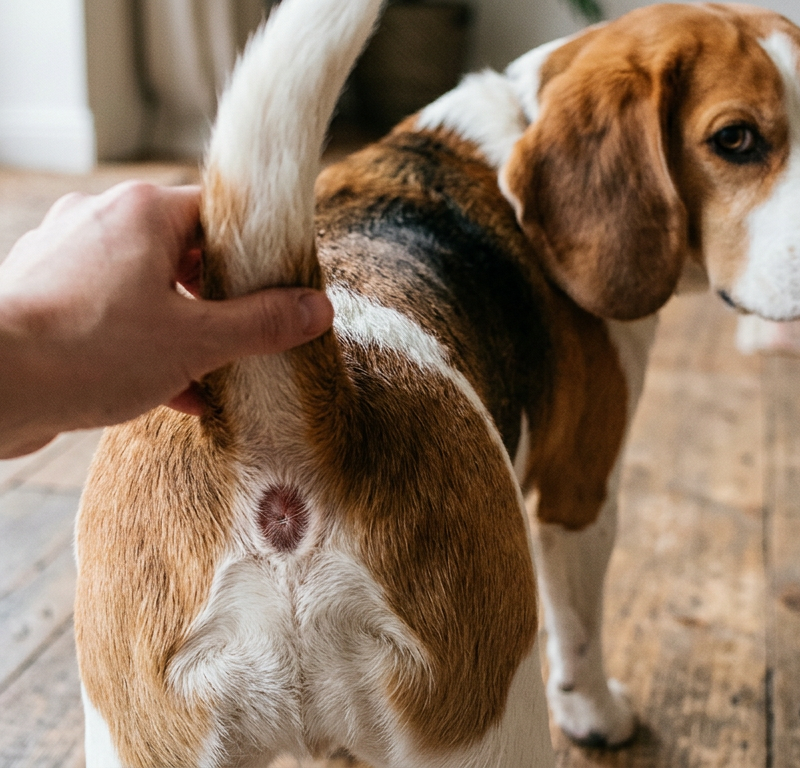
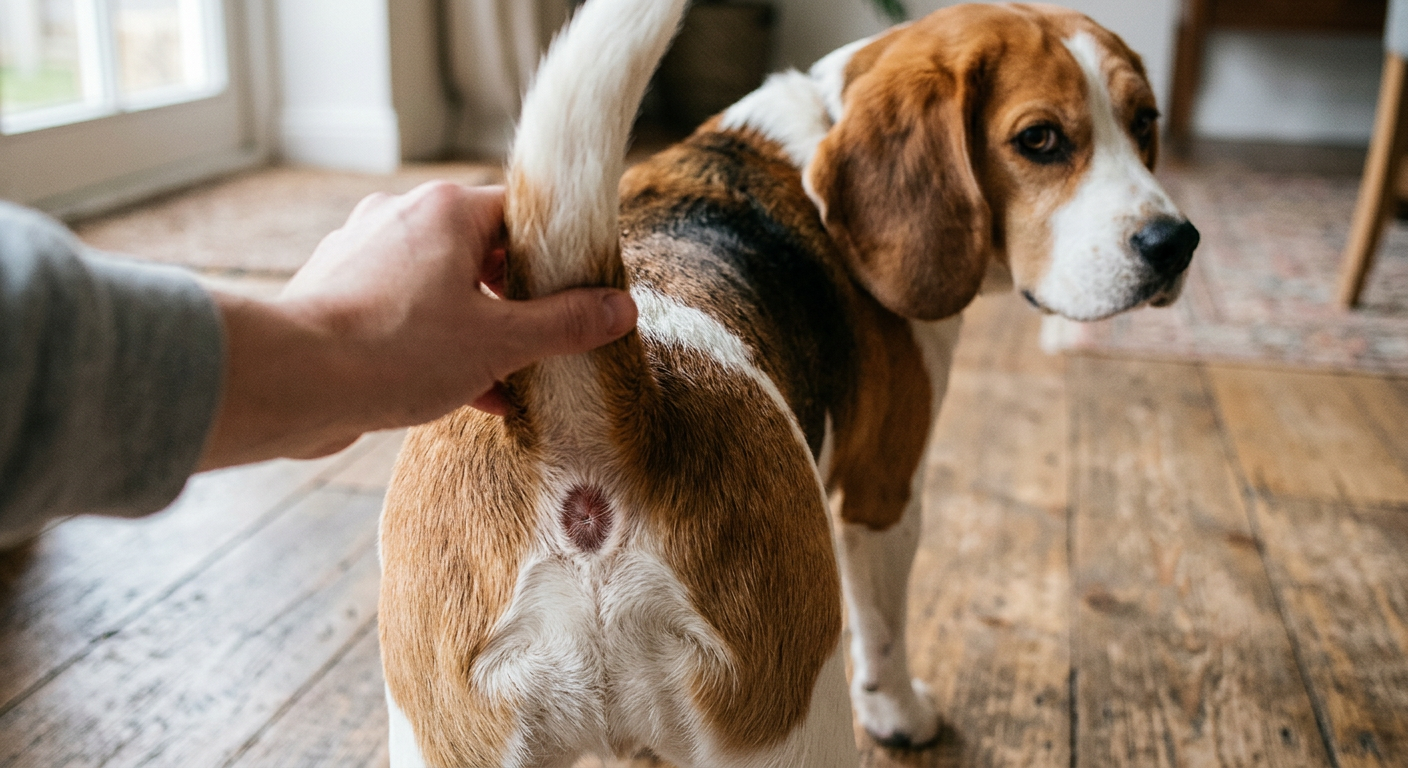
Discovering a thin patch of fur or a localized loss of hair on your furry friend can be a confusing experience for any pet owner. If you are asking yourself "why does my dog have a bald spot near tail," you are certainly not alone. This specific area, often referred to as the base of the tail or the lumbosacral region, is one of the most common spots for skin issues to manifest in dogs.
Hair loss in dogs, also known as alopecia, can occur for a variety of reasons ranging from simple environmental triggers to internal wellness considerations. While seeing skin where fur used to be might feel urgent, most causes are manageable with the guidance of your veterinarian. Understanding the common culprits can help you provide better information during your next checkup.
Common Causes of Hair Loss Near the Tail
One of the most frequent reasons for a thinning coat at the base of the spine is Flea Allergy Dermatitis (FAD). Even if you don't see active pests, some dogs are hypersensitive to flea saliva. A single bite can trigger an intense itching sensation, leading the dog to chew or rub the area until a bald patch forms.
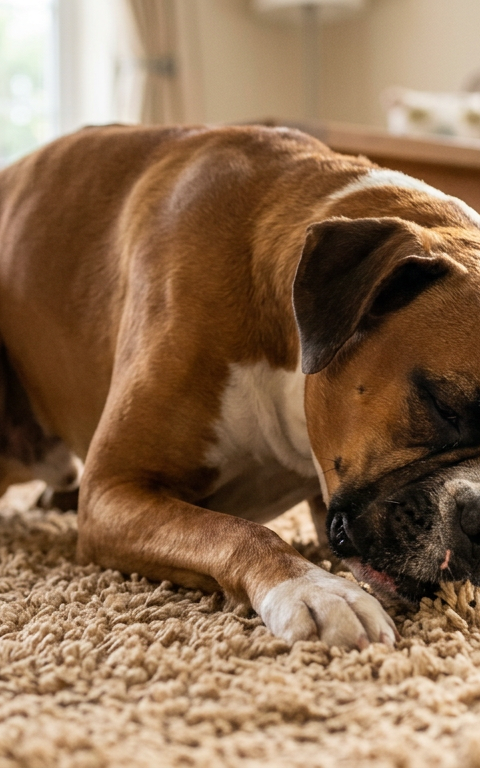
Environmental allergies are another significant factor. Just like humans, dogs can react to pollen, molds, or household dust. This often results in "hot spots" or general thinning around the hindquarters as the dog tries to soothe the irritation through grooming. You might also notice similar behavior if your dog is licking one paw constantly while ignoring other areas.
Environmental and Seasonal Triggers
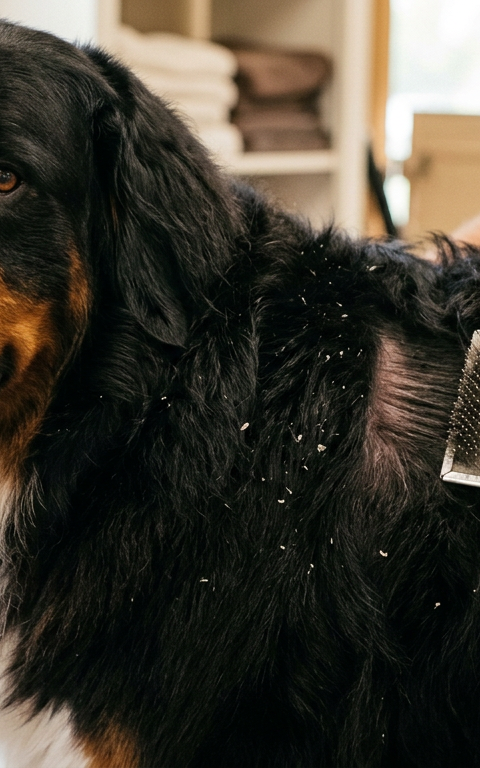
Sometimes, the change in seasons affects the skin's moisture barrier. Dry skin can become itchy, leading to mechanical hair loss from scratching. If your dog spends a lot of time outdoors, they might also be coming into contact with irritating plants that cause localized contact dermatitis specifically where the tail meets the back.
The Role of Parasites and Pests
Beyond fleas, other microscopic visitors can cause hair loss near the tail. Mites, such as those responsible for sarcoptic or demodectic mange, often target areas with thinner fur first, but they can certainly cause patches near the tail. However, if your dog is scratching their ears but no mites are found, the tail-base issue might be unrelated to these specific parasites.
Tick bites can also cause a localized inflammatory reaction. If a tick attaches near the base of the tail, the resulting bump and itchiness might cause the dog to nibble at the site, eventually removing a small circle of hair. Always check the skin closely for any signs of lingering pests or redness.
Endocrine and Hormonal Considerations
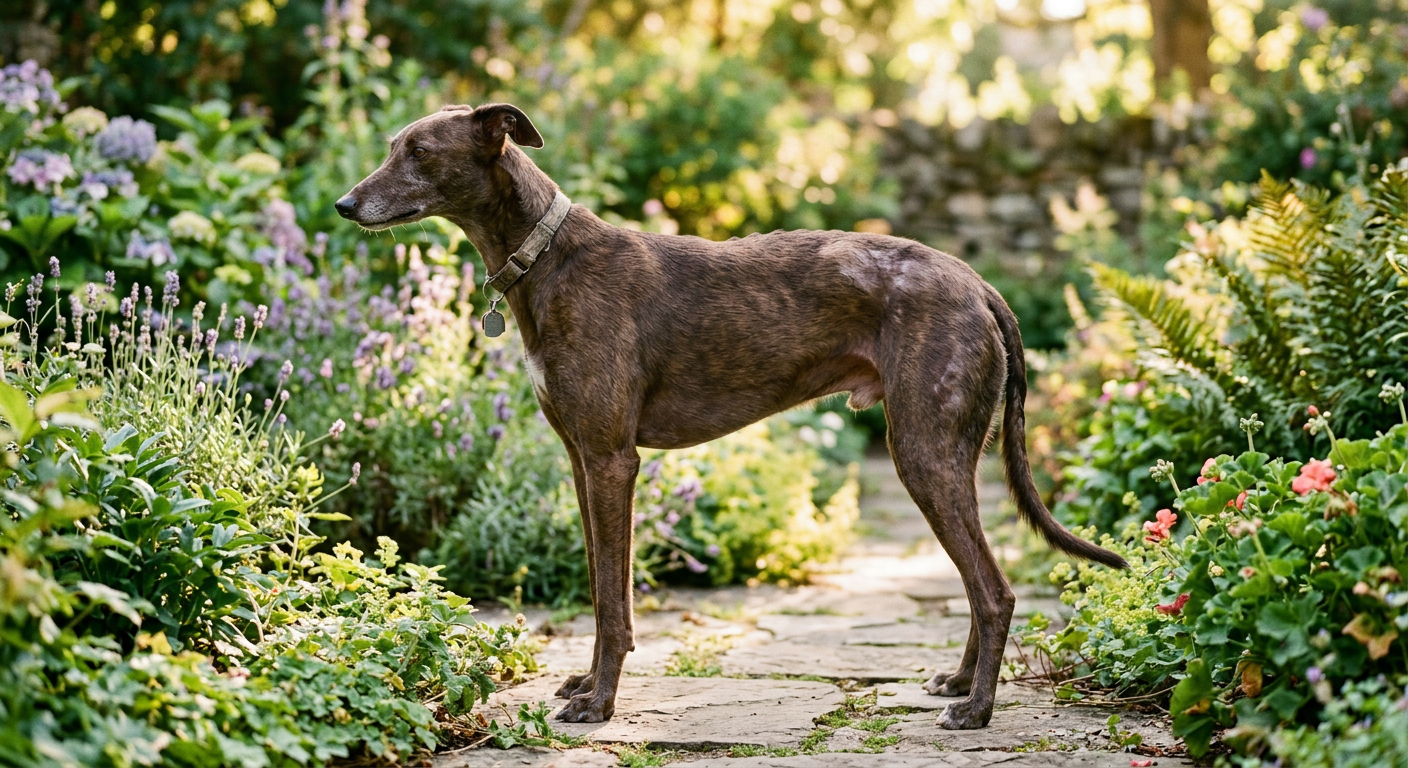
In some cases, the reason for a bald spot isn't an external itch, but rather an internal shift. Hormonal imbalances, such as Hypothyroidism or Cushing’s disease, often present as symmetrical hair loss. While this usually affects the flanks, it can frequently start or be most noticeable near the base of the tail.
Age can also play a factor in how the body maintains its coat. Older dogs may experience thinning hair as their metabolism slows down. For example, if you are tracking a larger breed's life stages using a German Shepherd age calculator, you might notice coat changes as they enter their senior years.
- Hypothyroidism: Often results in a "rat tail" appearance where the hair thins significantly on the tail itself and the surrounding base.
- Cushing's Disease: Can cause the skin to become thin and fragile, leading to easier hair loss in high-friction areas.
- Sertoli Cell Tumors: In intact male dogs, hormonal shifts from certain tumors can cause specific patterns of hair loss near the rear.
Behavioral and Stress-Related Thinning
Dogs often use grooming as a self-soothing mechanism. If a dog is experiencing anxiety—perhaps due to a move, a new pet, or loud noises—they may fixate on a specific part of their body. The base of the tail is a very "reachable" spot for many breeds.
This repetitive licking or chewing is known as acral lick dermatitis or simply "psychogenic alopecia." Over time, the constant moisture and friction from the tongue break the hair shafts and irritate the skin, creating a distinct bald patch. Understanding your dog's temperament, especially when comparing breeds like a Boxer vs Labrador Retriever, can help you identify if anxiety is a likely cause.
When to Consult Your Veterinarian
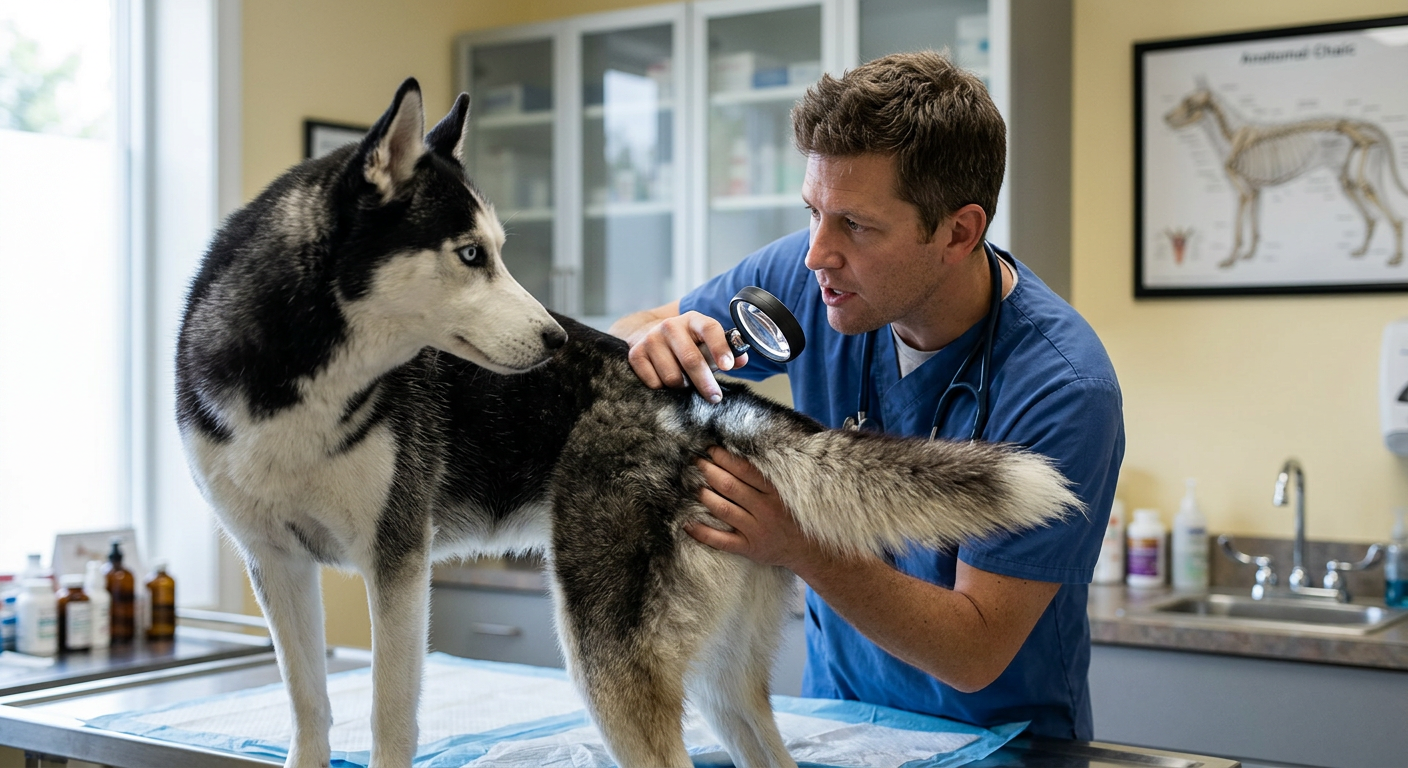
While a small bald spot might seem minor, it is always a proactive wellness step to consult a professional. A veterinarian can perform skin scrapings, blood tests, or flea combs to identify the exact cause. Early intervention often prevents secondary bacterial infections that can occur when the skin barrier is compromised.
You should seek a vet's advice particularly if you notice the skin is broken, oozing, or smells unusual. These are signs that a simple bald spot may have developed into a secondary infection. They can prescribe medicated shampoos, topical treatments, or allergy medications to restore your dog's comfort.
Proactive Skin Care at Home
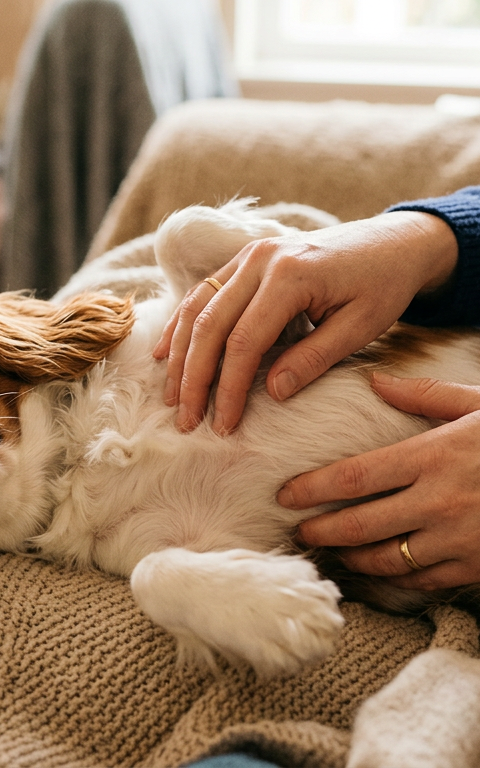
Maintaining a high-quality diet rich in Omega-3 fatty acids can support skin health from the inside out. Regular brushing also helps distribute natural oils across the coat, reducing dryness. Ensure your dog is on a consistent, year-round flea and tick preventative, even in colder months, to rule out the most common cause of tail-base hair loss.
Conclusion
Understanding why does my dog have a bald spot near tail involves looking at both external irritants and internal health. Whether it is a simple case of seasonal allergies or a sign that a hormonal checkup is needed, paying attention to these changes is a key part of responsible pet ownership. With the right care and professional guidance, your dog's coat can return to its full, healthy glory.