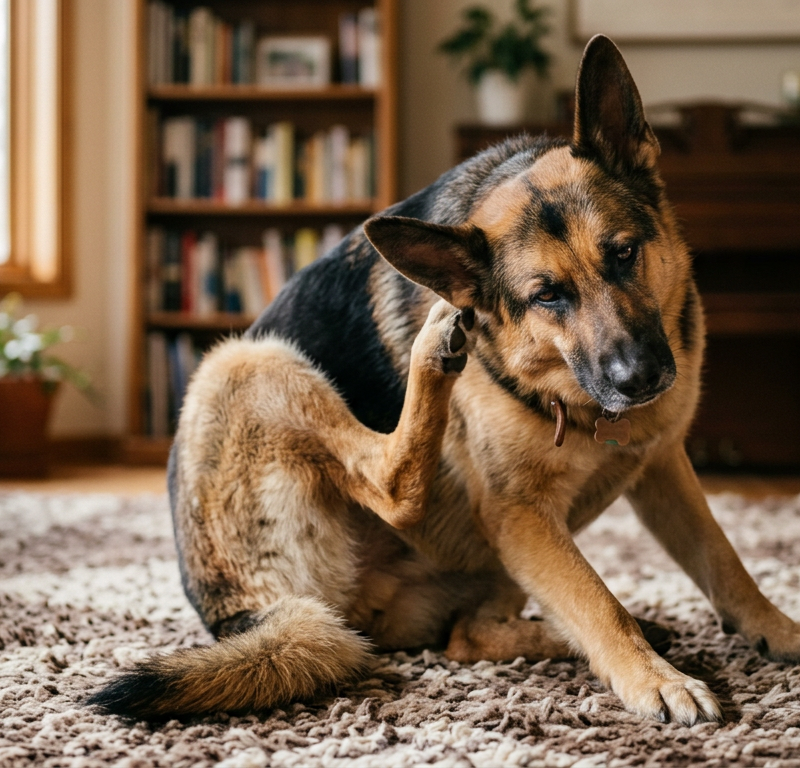
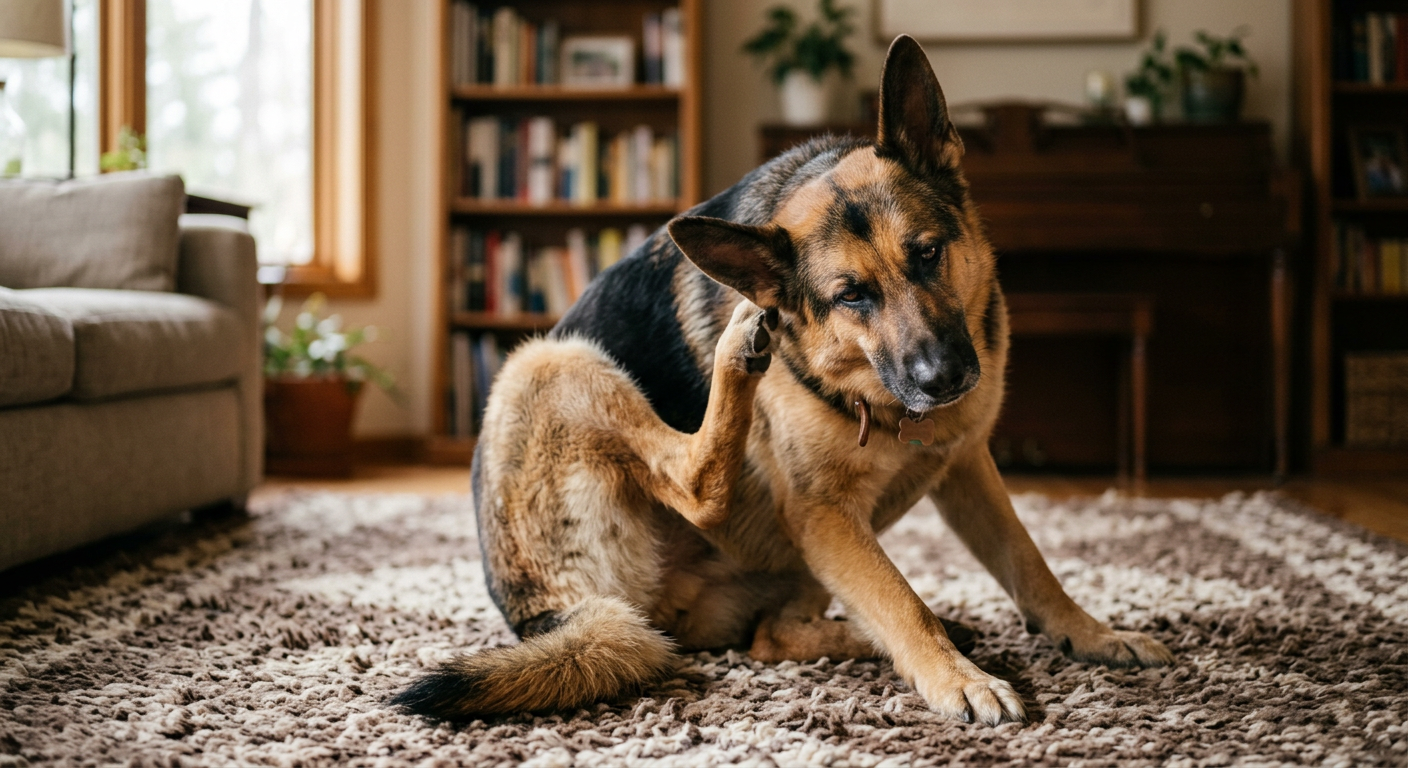
It can be puzzling when you notice your canine companion frequently pawing at their head, yet a quick check reveals nothing obvious. If you find your dog scratching ears no mites found during a home inspection, you are certainly not alone. While ear mites are a common culprit for itchiness, they are far from the only reason a dog might experience discomfort in their auditory canals.
Understanding the root cause of this behavior is the first step toward helping your pet feel better. Chronic scratching can lead to secondary issues like skin infections or hematomas, so being proactive is key. In this guide, we will explore the various environmental, biological, and dietary factors that contribute to ear irritation in dogs when parasites are absent.
Common Reasons for Ear Scratching Without Mites
When mites aren't the problem, the most frequent cause of ear discomfort is often inflammation, also known as otitis externa. This condition can make the ear canal red, swollen, and very itchy. Even if you don't see tiny white specks moving around, your dog's ears could be reacting to a variety of internal or external triggers.
Allergies are perhaps the most common non-parasitic reason for ear issues. Dogs can be allergic to things in their environment, such as pollen or dust mites, or they may have sensitivities to specific ingredients in their food. When an allergic reaction occurs, the skin lining the ear canal becomes inflamed, creating an itchy sensation that drives your dog to scratch.
The Role of Yeast and Bacteria
A healthy dog ear has a natural balance of microorganisms. However, when moisture or wax builds up, it creates the perfect environment for yeast and bacteria to thrive. This overgrowth can happen even if your dog doesn't have mites. Breeds with long, floppy ears are particularly prone to these types of infections because their ear flaps trap moisture.
If you have a breed like a Beagle or a Poodle, you may notice they require more frequent ear cleaning to prevent these imbalances. Yeast infections often produce a distinct, musty odor and a dark brown discharge, while bacterial infections might appear more yellow or green. Both require veterinary intervention to clear up properly.
Environmental and Lifestyle Triggers
Sometimes the cause of the itch is something your dog encountered while playing outside. Foreign bodies are a frequent source of sudden, intense scratching. A blade of grass, a small seed, or a "foxtail" can become lodged deep in the ear canal where you cannot see it. This causes significant irritation and sometimes pain.
Water is another common trigger. If your dog loves swimming or just had a bath, water trapped in the ear canal can lead to "swimmer's ear." The dampness softens the skin and encourages the growth of microbes. Always ensure you dry your dog's ears thoroughly after they get wet to minimize this risk.
- Seasonal Pollen: High pollen counts can cause systemic itching that manifests in the ears.
- Household Chemicals: Strong floor cleaners orওয় perfumes can sometimes irritate sensitive dogs.
- Physical Trauma: A small scratch from a branch or another dog during play can become itchy as it heals.
Dietary Sensitivities and Ear Health
It might seem strange that what your dog eats affects their ears, but the two are closely linked. Food sensitivities often show up as skin problems first. If your dog is constantly scratching their ears and also shows signs like licking their paws constantly, a food trial might be necessary.
Common allergens in dog food include beef, dairy, and chicken. Your veterinarian might suggest a hydrolyzed protein diet or a limited-ingredient diet to see if the scratching subsides. It can take several weeks for the old allergens to leave your dog's system, so patience is required during this process.
Identifying Abnormal Ear Behavior
While occasional scratching is normal—just like humans get an itch—persistent scratching is a signal that something is wrong. You should monitor how often the behavior occurs and whether it is accompanied by other signs of distress. If your dog is shaking their head violently or tilting it to one side, this suggests the irritation is deep and potentially painful.
Age can also play a role in how a dog handles ear discomfort. For example, a senior Golden Retriever might be more stoic about chronic discomfort than a younger dog. Checking your dog's ears weekly during their regular grooming routine helps you catch changes in color, smell, or discharge before they become a major issue.
When to See Your Veterinarian
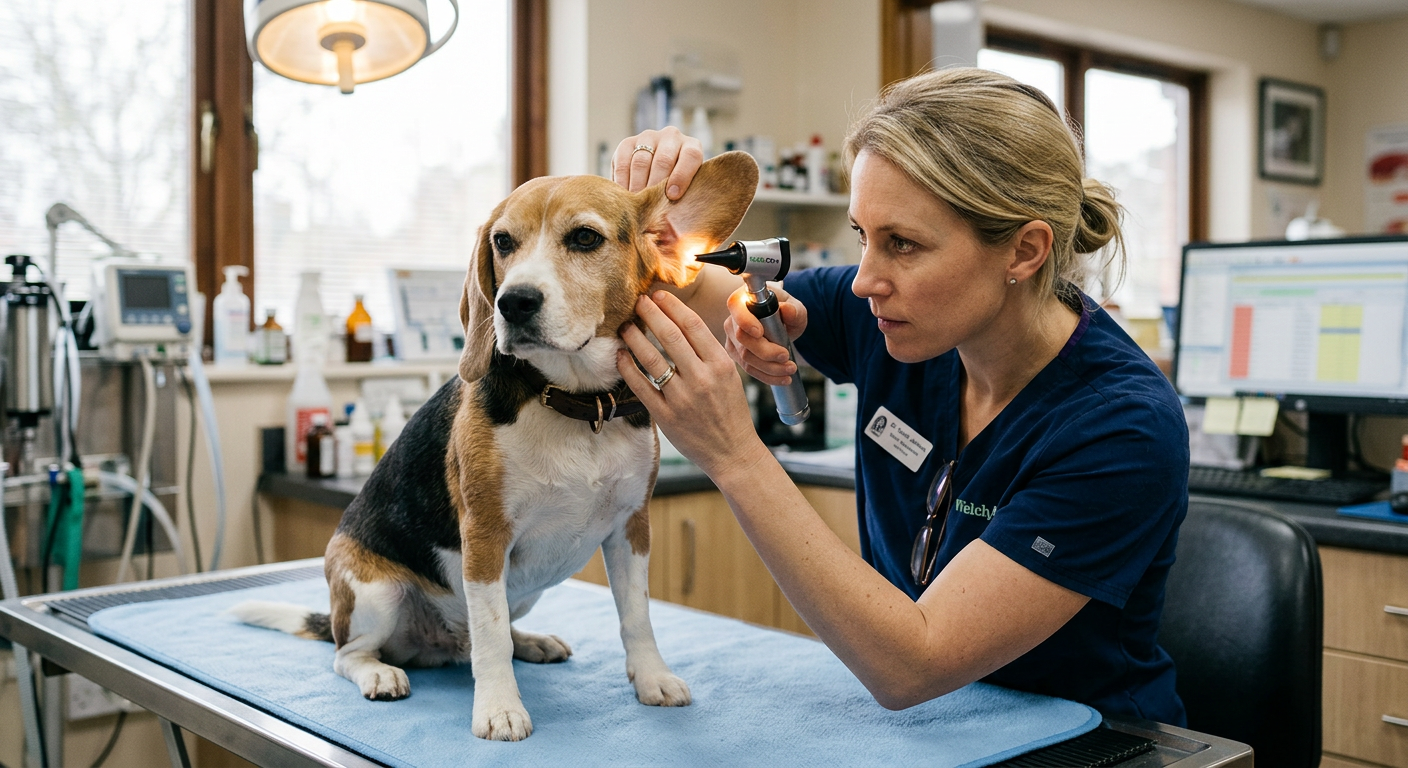
Because the ear is a delicate organ, it is always best to consult a professional if the scratching persists for more than 24 to 48 hours. A veterinarian can use an otoscope to look deep into the canal and check the integrity of the eardrum. They can also take a swab of any discharge to look under a microscope and identify exactly what is causing the itch.
Do not attempt to put over-the-counter drops or home remedies like vinegar or oils into your dog's ear without professional advice. If the eardrum is ruptured, these substances can cause permanent hearing loss or severe neurological issues. Professional diagnosis ensures the treatment matches the specific cause of the inflammation.
Proactive Ear Care at Home
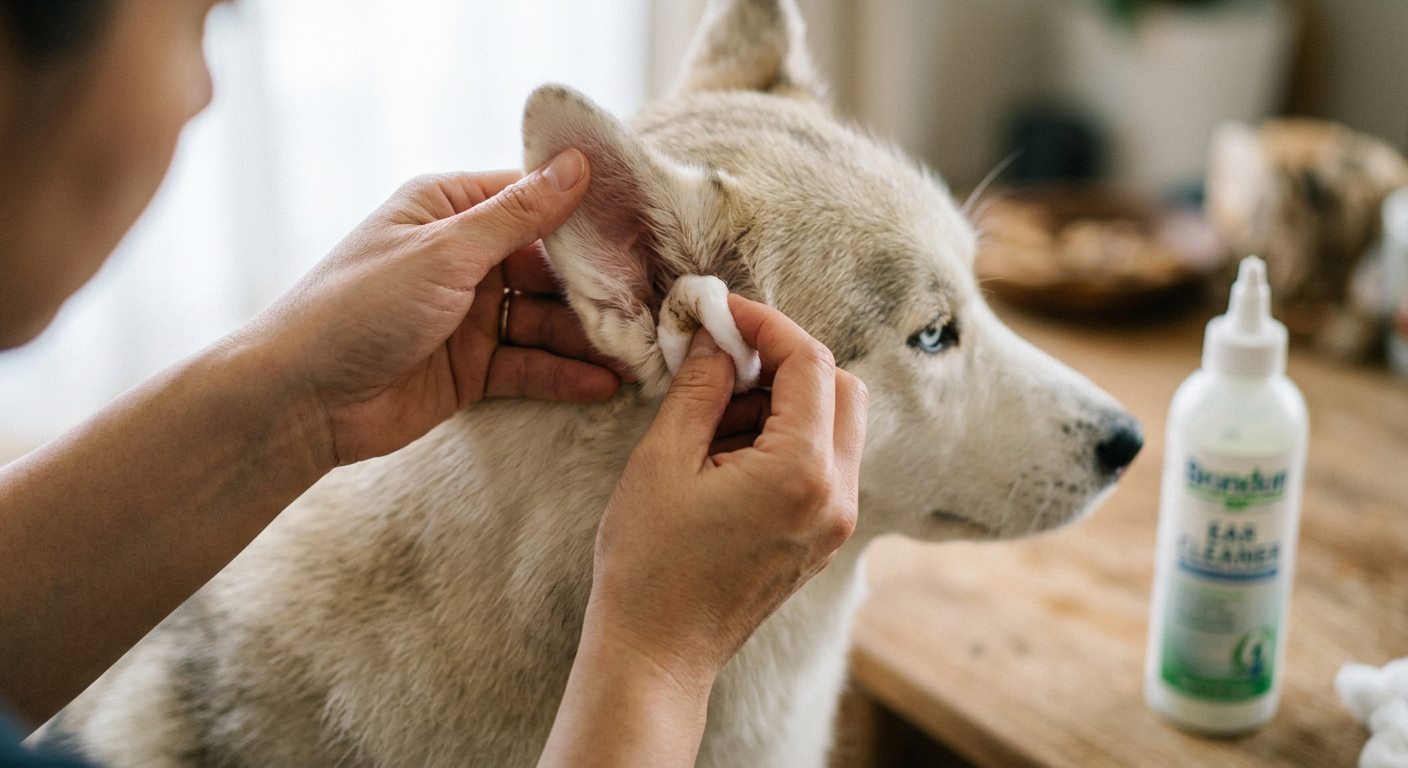
Maintaining clean ears is one of the best ways to prevent your dog from scratching. Use an ear cleaner specifically formulated for dogs, as human products can disrupt the natural pH of their skin. Gently squirt the solution into the ear, massage the base of the ear to break up debris, and let your dog shake their head. Wipe away the excess with a soft cloth or cotton ball, but never use Q-tips deep in the canal.
Consistency is key for dogs prone to ear issues. If you have a high-energy breed like a Border Collie, they may get more dirt in their ears during outdoor adventures. A quick wipe-down after a hike can go a long way in preventing irritation. Proper grooming and environmental management are your best tools for long-term ear health.
Conclusion
Finding your dog scratching ears no mites found can be a bit of a mystery, but it is a common puzzle for pet parents. By looking beyond parasites and considering allergies, infections, and environmental factors, you can find the right path to relief for your dog. Always remember that your veterinarian is your best partner in diagnosing and treating persistent itching. With the right care and a little bit of investigation, you can keep your dog's ears healthy and itch-free for years to come.