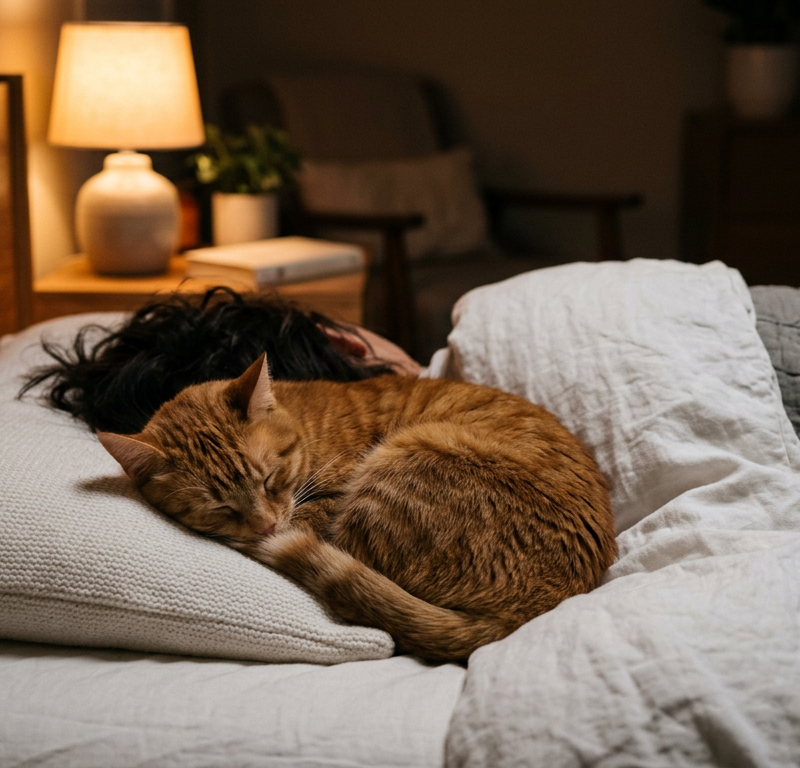
Every cat owner has experienced it: that moment in the middle of the night when you wake up to a furry, purring weight resting directly on your crown. If you have ever wondered, why does my cat sleep on my head, you are certainly not alone. This quirky feline habit is one of the most common sleeping behaviors reported by pet parents worldwide.
While it might seem inconvenient when you are trying to find a comfortable pillow position, this behavior is actually a significant compliment from your feline friend. Cats are selective about where they rest, especially during their most vulnerable state—sleep. Understanding the motivations behind this choice can help you deepen your bond with your pet while ensuring you both get a restful night of sleep.
In this guide, we will explore the biological, environmental, and emotional reasons behind this behavior. From heat-seeking instincts to the comfort of your scent, there is a fascinating logic behind why cats choose your head as their favorite mattress. You can also explore more about decoding strange and quirky cat behavior patterns to see how this fits into their overall personality.
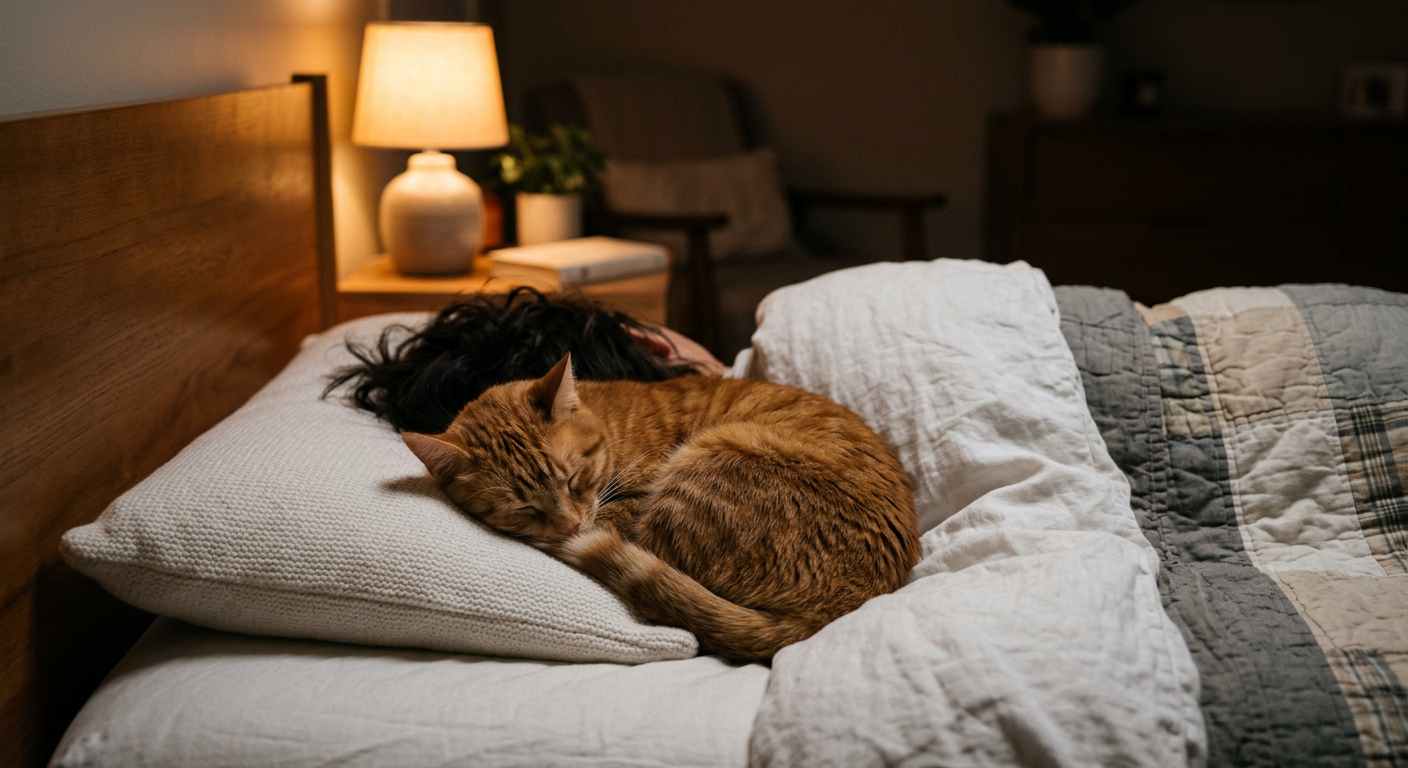
Seeking the Ultimate Heat Source
One of the most practical reasons for your cat's choice is temperature. Cats have a higher basal body temperature than humans, usually ranging between 100.5 and 102.5 degrees Fahrenheit. Because they run "hotter" than we do, they are constantly seeking external warmth to maintain their body heat without expending extra energy.
The human head is a primary radiator of body heat. While the rest of your body is often tucked under blankets, your head remains exposed, venting warmth throughout the night. For a cat looking for a cozy spot, your head acts like a natural, living heating pad. This drive for warmth is a survival instinct passed down from their desert-dwelling ancestors.
The Insulation Factor
Beyond just the heat from your skin, the pillows and headboard often provide additional insulation. Your cat isn't just sleeping on you; they are choosing a "nesting" site that traps heat from multiple angles. This is why even a long-haired Maine Coon or a plush British Shorthair might still seek out your scalp on a chilly night.
Security and Social Hierarchy
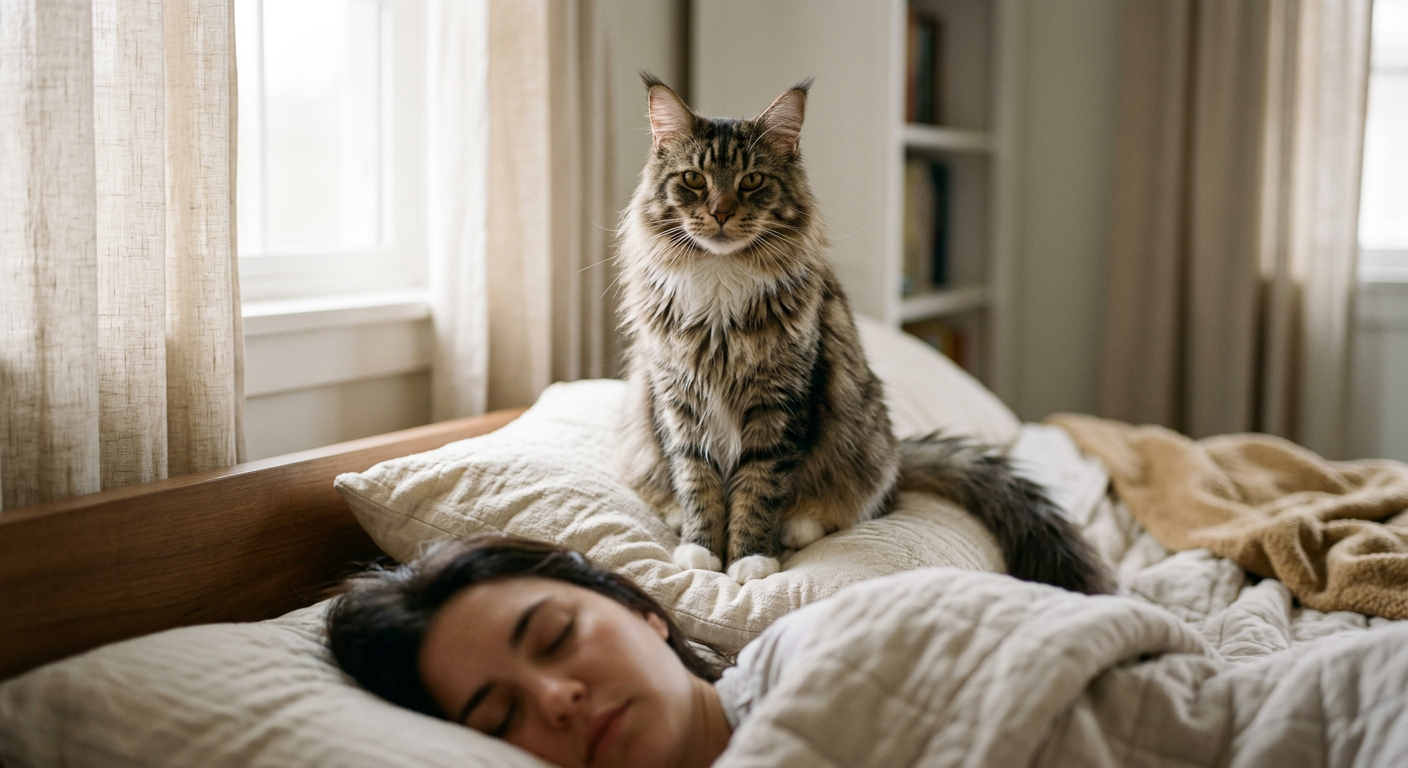
In the wild, sleep is a dangerous time for any animal. By sleeping on your head, your cat is positioning themselves in a place of perceived safety. The head is the most stationary part of the human body during sleep; while you might toss and turn your legs or arms, your head tends to stay relatively still.
Additionally, your cat views you as a source of protection. By resting near your face, they are staying close to the "leader" of their social group. It is a sign of immense trust. They believe that if anything were to happen during the night, being right next to your primary senses (ears and eyes) is the safest place to be.
A Sign of Affection and Scent Marking
Your head is one of the most scent-rich parts of your body. To a cat, your unique scent is incredibly comforting and signifies "home." By sleeping on your head, they are immersing themselves in your aroma, which helps lower their cortisol levels and allows them to drift into a deeper sleep.
- Scent Glands: Cats have scent glands in their cheeks and foreheads. By rubbing against your head, they are essentially "claiming" you as part of their family.
- Vulnerability: Offering their belly or back to your face while they sleep shows they feel completely safe in your presence.
- Mutual Grooming: Sometimes, this behavior is preceded by licking your hair, which is a form of social bonding known as allogrooming.
The Comfort of Your Rhythms
Cats are highly sensitive to the physiological states of their humans. They can hear your heartbeat and feel the steady rhythm of your breathing. For many kittens, the sound of a heartbeat reminds them of sleeping with their mother and littermates. Your head, being close to your chest and throat, provides a steady auditory and tactile rhythm that acts as a natural lullaby.
This rhythmic comfort is often why you see cats "kneading" your pillow or your hair before settling down. This "making biscuits" behavior is a leftover kitten instinct used to stimulate milk flow, now repurposed as a way to create a soft, familiar environment for rest. It is quite similar to other deliberate actions, like why your cat knocks things off tables to get your attention or express a need.
Is Sleeping on Your Head a Problem
While the gesture is sweet, it isn't always ideal for the human. If your cat is particularly heavy or active during the night, it can lead to sleep deprivation for you. Furthermore, cats that spend time outdoors might bring allergens or debris onto your pillow, which can be a concern for those with sensitivities.
If you find that your cat's nighttime habits are affecting your rest, you can gently encourage them to move to a side-car pet bed or a heated cat mat placed at the foot of your bed. Consistency is key; if you move them every time they land on your head, they will eventually learn that the "crown" is off-limits.
When to Consult a Veterinarian
While sleeping on your head is usually just a quirky sign of love, any sudden change in sleeping habits should be noted. If your cat suddenly becomes clingy or refuses to sleep anywhere else, it could be a sign of stress or an underlying wellness consideration. Always consult a veterinarian if you notice changes in appetite, litter box habits, or energy levels alongside new sleeping behaviors.
For most pet owners, however, the answer to why does my cat sleep on my head is simple: you are their favorite person, their warmest heater, and their safest harbor. Embracing this behavior, or gently redirecting it, is just another part of the beautiful journey of cat ownership.
Summary of Feline Sleeping Choices
- Thermoregulation: They want the heat escaping from your scalp.
- Stability: Your head moves less than your limbs during REM sleep.
- Bonding: They find your personal scent soothing and familiar.
- Safety: Being elevated and close to your face makes them feel protected.
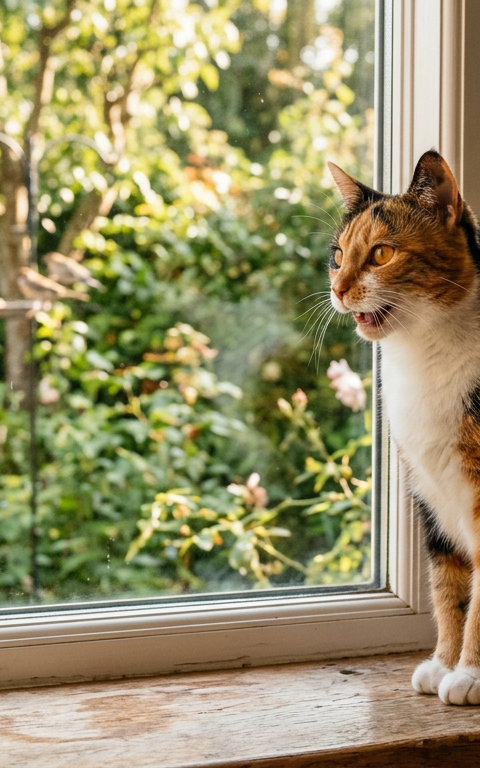
By understanding these motivations, you can appreciate the complex emotional life of your pet. Whether they are chirping at birds through the window or curling up on your forehead, every action is a window into their world.