Cats are some of the most fascinating companions we share our lives with, often leaving us puzzled with their unique antics. Understanding these feline mysteries is key to building a deeper bond with your pet. When we begin decoding strange and quirky cat behavior patterns, we reveal a complex language of instincts and communication tools.
Every head bump, midnight zoomie, and slow blink serves a purpose. While some actions might seem chaotic, they are usually rooted in their evolutionary history as both hunters and solitary prey. This guide explores the most famous feline quirks to help you understand what your cat is trying to tell you.
If you are also curious about how your cat's development compares to human years, you can check out specialized tools like the British Shorthair age calculator to see where they are in their life journey. Knowing their life stage can often provide context for why they act the way they do.
The Physics of the Feline Zoomies
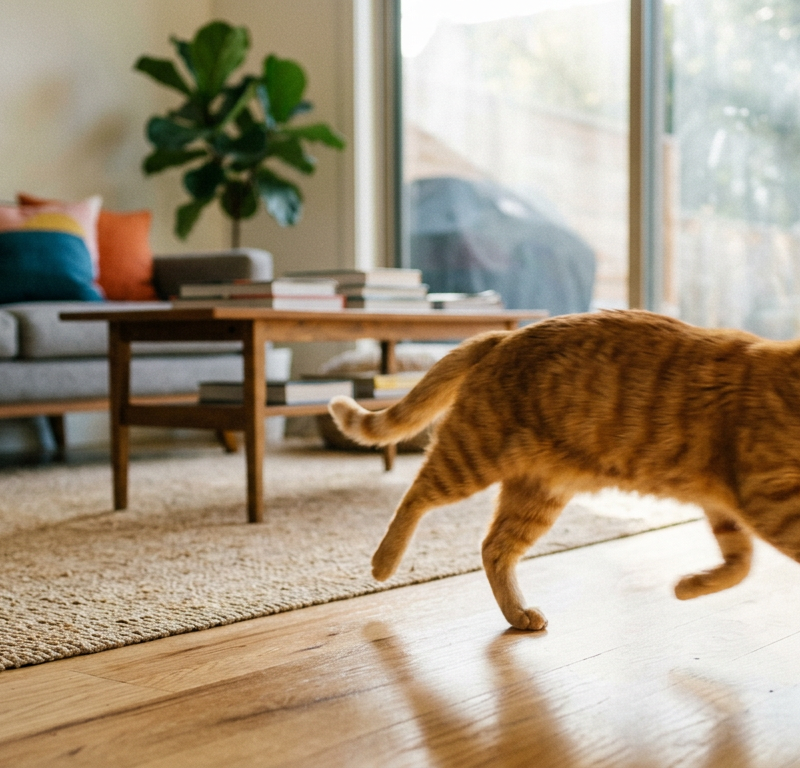
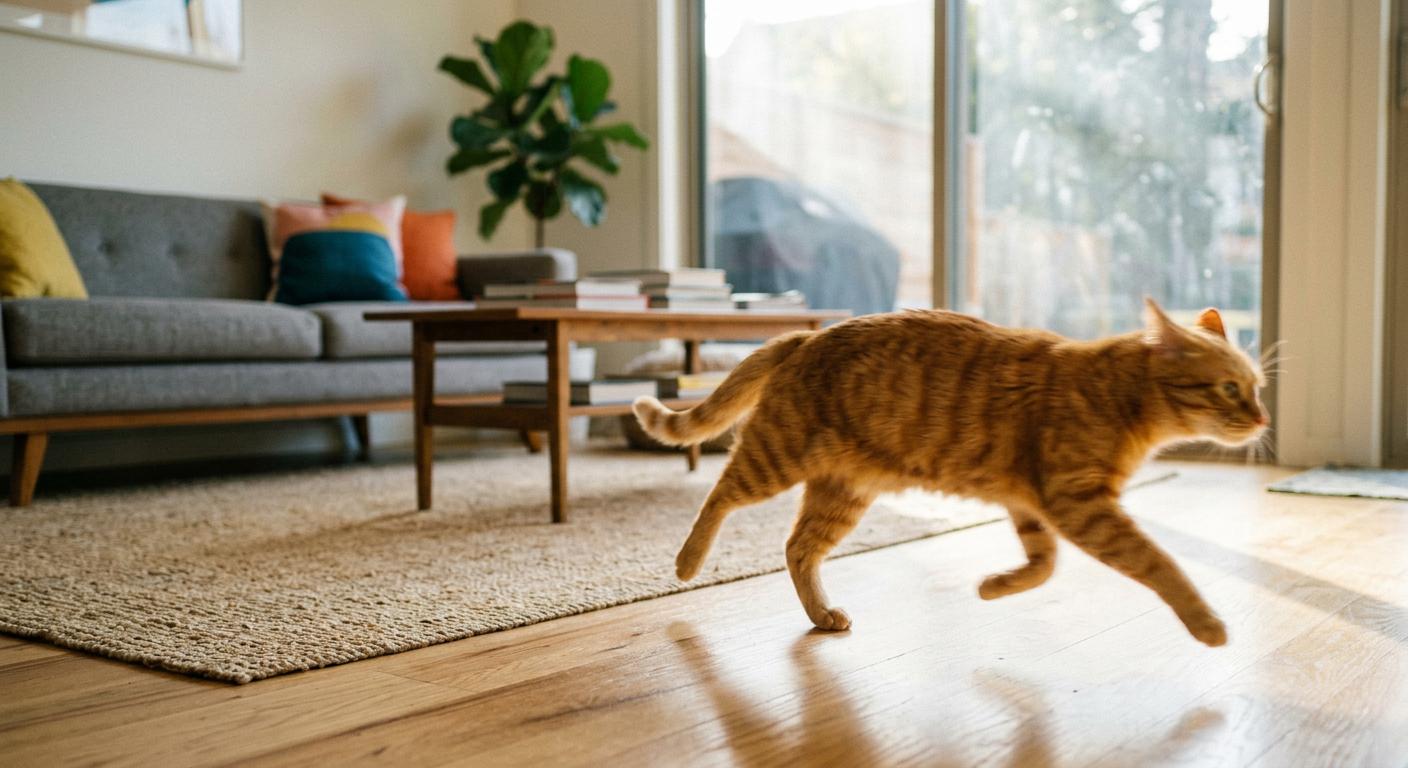
Almost every cat owner has witnessed the "zoomies," technically known as Frenetic Random Activity Periods (FRAPs). One moment your cat is napping, and the next, they are sprinting across the living room at top speed. This is a perfectly normal way for cats to release pent-up energy, especially for indoor cats who may not hunt for their meals.
Zoomies often happen after a long nap or immediately after using the litter box. In the wild, cats exert high bursts of energy during a hunt and then sleep for long periods. In a home environment, that "hunting energy" needs an outlet, leading to these high-speed laps around your furniture.
Post-Litter Box Sprints
Have you ever noticed your cat sprinting away from their litter box like they just committed a crime? Some behaviorists suggest this is a "vagus nerve" response, which can cause a slight sense of euphoria after a bowel movement. Others believe it is a survival instinct to distance themselves quickly from the scent of waste, which could attract predators in the wild.
The Midnight Crazies
Since cats are crepuscular—meaning they are most active at dawn and dusk—it is natural for them to feel a surge of energy while you are trying to sleep. This nighttime activity is one of the most common quirks owners encounter. Providing more structured play during the day can help shift their internal clock to better align with your sleeping schedule.
Understanding Vocalizations and Chirps
Cats have a massive repertoire of sounds, ranging from the standard meow to chirps, trills, and even chattering. Interestingly, adult cats rarely meow at other cats; they primarily use this sound to communicate with humans. It is a learned behavior that they have refined over thousands of years of domestication.
Chattering is another fascinating sound, often heard when a cat is staring at a bird or squirrel through a window. This rhythmic clicking of the jaw is thought to be an expression of excitement or perhaps a mimicry of the "killing bite" they would use on prey. It shows just how deeply their predatory instincts still run.
Trilling is a melodic, bird-like sound that cats usually use as a friendly greeting. Mother cats use trills to tell their kittens to follow them, and your cat likely uses it with you to show affection or to get your attention. It is a sign that they feel comfortable and happy in your presence.
Why Cats Choose Unusual Sleeping Spots
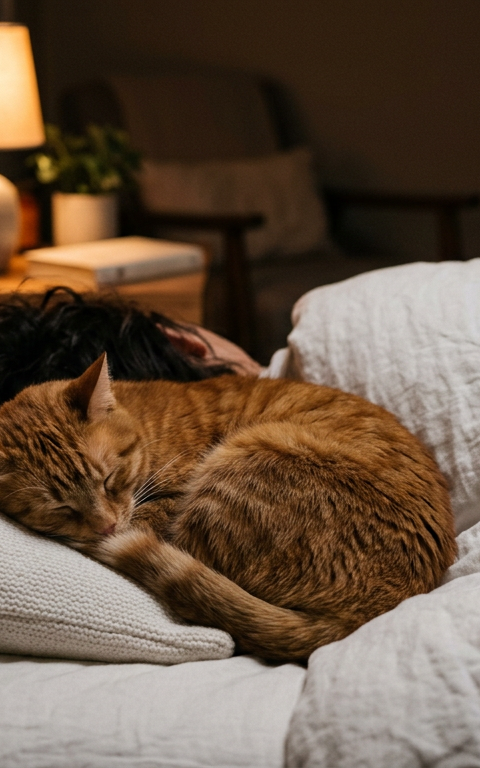
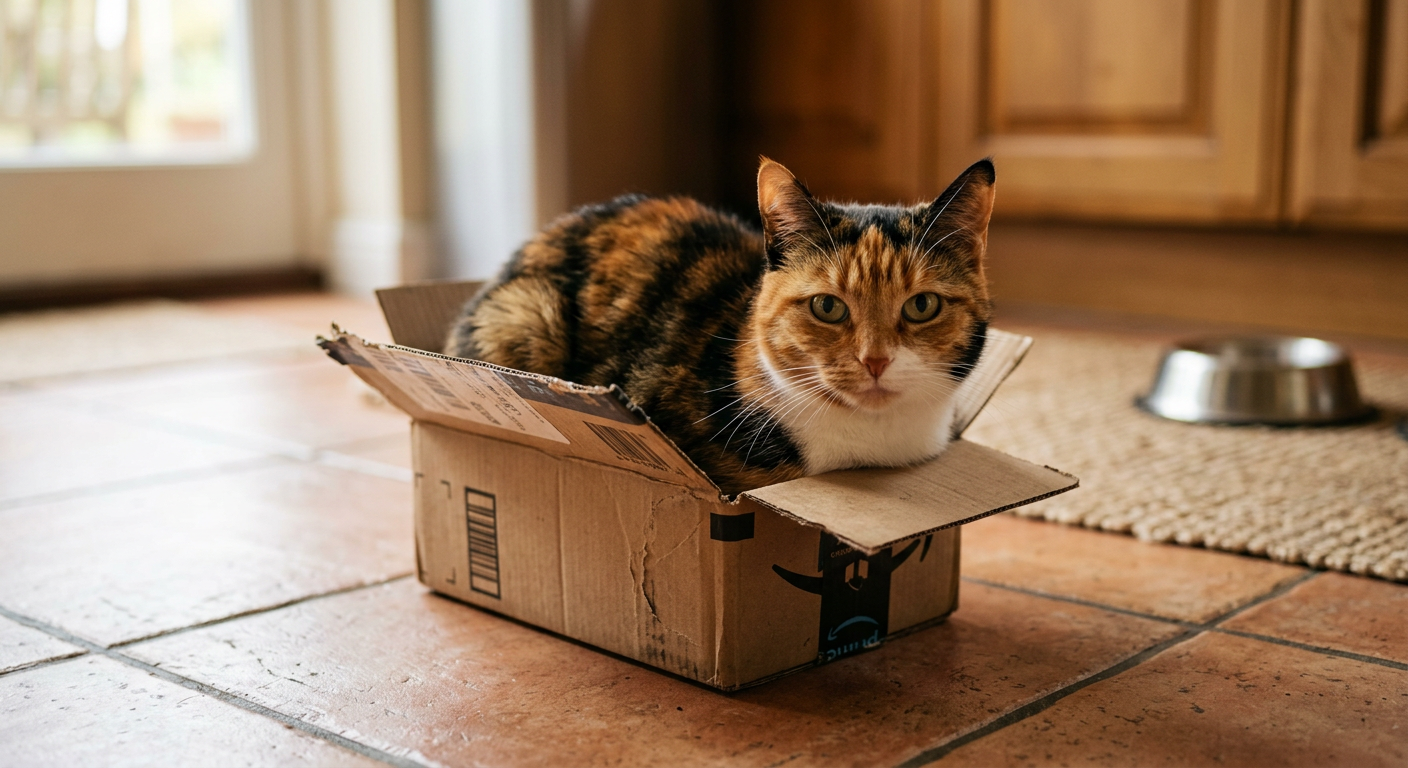
If you have ever bought an expensive cat bed only for your pet to sleep in the cardboard box it came in, you are not alone. Cats value security and temperature control above all else. A cardboard box provides high walls that protect them from "ambushes" and insulation that keeps them warm.
Sleeping in high places—like the top of the refrigerator or a tall bookshelf—is another common feline pattern. This vertical orientation allows them to survey their entire "territory" from a safe vantage point. It gives them a sense of control and allows them to spot any potential threats (or falling treats) early on.
The Logic of the Squeezed Fit
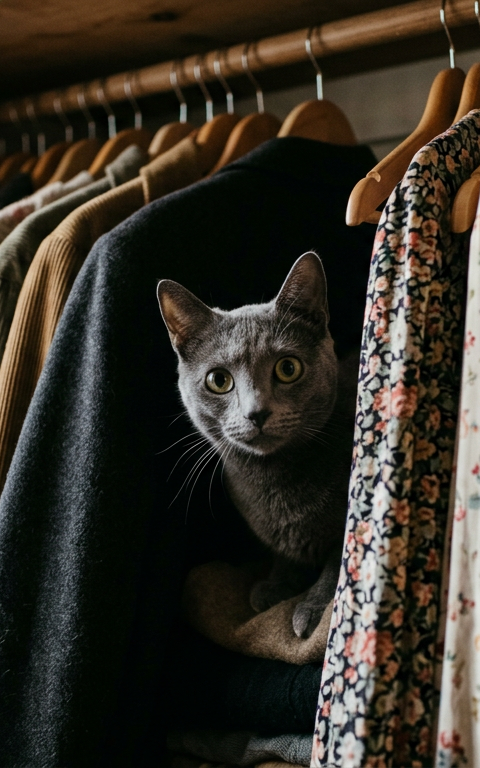
You may wonder why your cat tries to fit into a tiny bowl or a small drawer. This behavior, known as "in-betweening," provides tactical pressure. Similar to how a weighted blanket feels for humans, being squeezed into a tight space can help a cat feel secure and relaxed. It reduces their anxiety by making them feel hidden from the world.
The Sink Sleeper
Many cats love the bathroom sink because the porcelain stays cool against their skin. Additionally, the curved shape of the sink perfectly contours to a cat's body while they are curled up. It is the feline equivalent of an ergonomic mattress, with the added bonus of being near a water source.
The Mystery of Kneading and Nuzzling
Often referred to as "making biscuits," kneading involves a cat rhythmically pushing their paws in and out against a soft surface. This is a behavior carried over from kittenhood. Kittens knead their mothers to stimulate milk flow, and as adults, they continue the action when they feel safe and content.
When your cat kneads your lap, it is a significant compliment. They are essentially saying they view you as a source of comfort and security, much like their mother. While those tiny claws can sometimes be sharp, the intent behind the action is pure affection and relaxation.
- Head Bunting: Also called "bunting," this is when a cat rubs their forehead against you. They are depositing pheromones from scent glands to mark you as "safe" and part of their family.
- Slow Blinking: If a cat looks at you and slowly closes their eyes, it is a feline "I love you." It shows they trust you enough to close their eyes in your presence.
- The Tail Wrap: When a cat wraps their tail around your leg, it is similar to a human hug or a handshake.
Unusual Dietary Quirks and Grass Eating
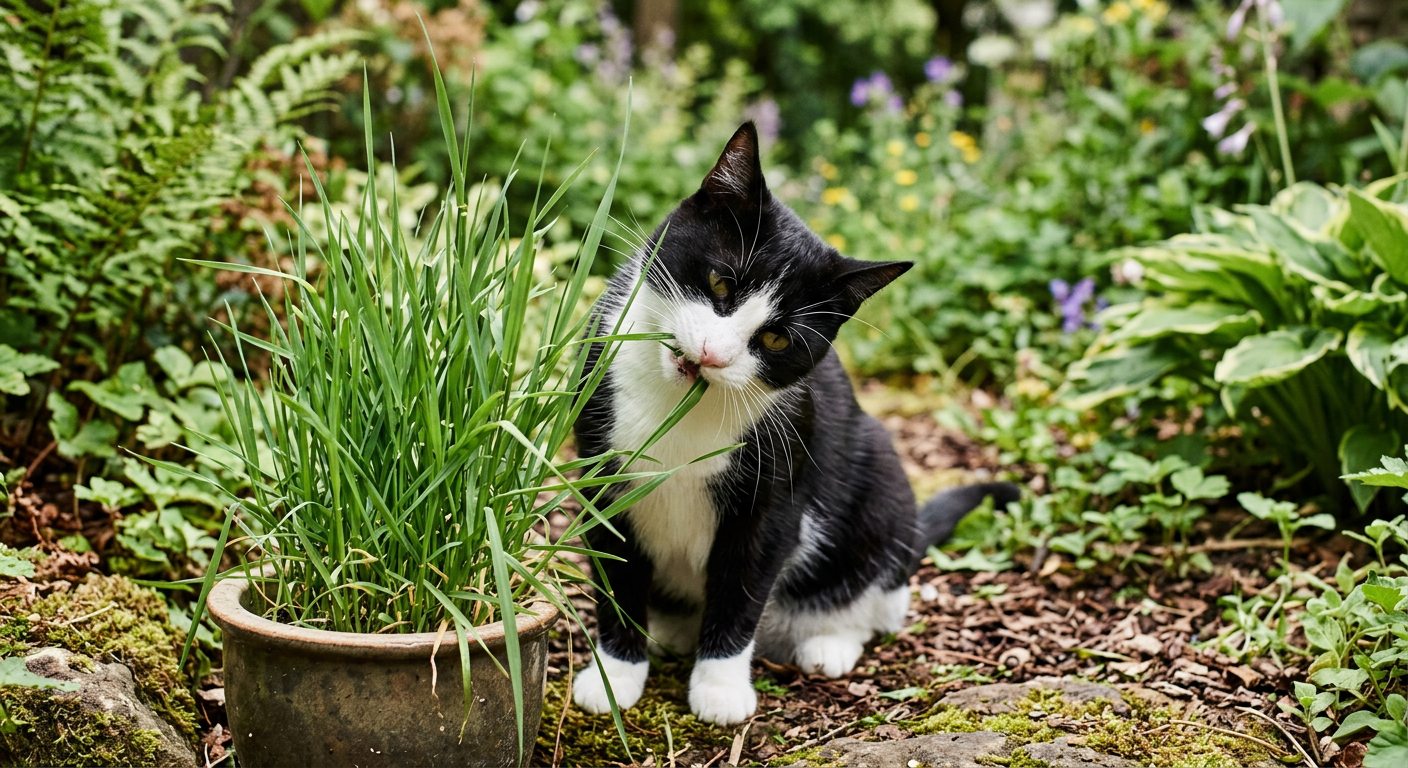
Many cat owners are surprised to see their obligate carnivores nibbling on blades of grass. While cats can't fully digest grass, they often eat it to help settle their stomachs or to help move hairballs through their digestive tract. It acts as a natural fiber source and can even provide small amounts of folic acid.
However, if you notice your cat eating non-food items like plastic, wool, or electrical cords, this is a behavior known as pica. This can be caused by dietary deficiencies, boredom, or stress. If your cat develops a habit of chewing on dangerous materials, it is always best to consult your veterinarian to rule out underlying health issues.
Proper nutrition plays a huge role in behavior. If you are comparing how different breeds handle environmental changes or dietary needs, exploring a comparison like British Shorthair vs Poodle can illustrate how various pets express their needs differently. While they are different species, the comparison highlights how unique each household companion truly is.
Interpreting Tail Language
The tail is perhaps the most expressive part of a cat's body. Unlike dogs, where a wagging tail almost always means happiness, a cat's tail movements are far more nuanced. Decoding strange and quirky cat behavior patterns requires legendary attention to these subtle flicks and swishes.
A high, upright tail with a little "question mark" hook at the end is a sign of a confident and friendly cat. Conversely, a puffed-up tail—often called "bottle-brush tail"—indicates that the cat is startled or trying to look larger to ward off a threat. Understanding these signals can help you know when to engage and when to give your cat some space.
- The Gentle Twitch: A slight twitch of the tail tip usually means the cat is focusing or mildly irritated.
- The Thumping Tail: If the tail is heavy and thumping against the floor, your cat is likely feeling frustrated or overstimulated.
- The Tucked Tail: A tail tucked between the legs or wrapped tightly around the body suggests fear or submission.
Managing and Encouraging Healthy Quirks
Instead of trying to stop these quirky behaviors, it is often better to provide healthy outlets for them. If your cat loves to climb, invest in a sturdy cat tree. If they love to hide, make sure they have "safe zones" like boxes or tunnels where they won't be disturbed.
Interactive play is the best way to manage behaviors like the midnight zoomies or excessive vocalization. Using wand toys to simulate a hunt allows your cat to go through the natural cycle of "stalk, pounce, kill, eat." Following a vigorous play session with a meal often leads to a long, satisfied nap.
Always keep an eye out for sudden changes in behavior. While quirks are part of their personality, a sudden shift—like a social cat becoming suddenly hidden or a quiet cat becoming very vocal—could indicate a wellness consideration. Regular check-ups with your veterinarian ensure that these personality traits remain joyful expressions of a healthy cat.
By decoding strange and quirky cat behavior patterns in your home, you become more than just an owner; you become a partner in your cat's world. Embracing these feline mysteries is what makes living with a cat such a rewarding and endlessly entertaining experience.
If you'd like a deeper look, the Pet Decoder symptom checker is a friendly tool that works with dogs and cats alike.