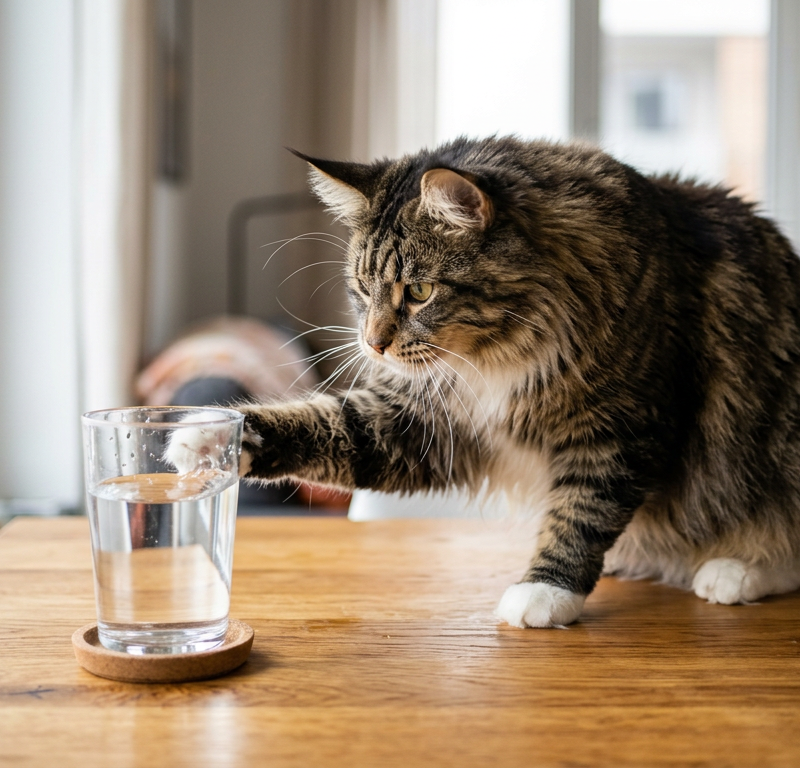
As a cat owner, you have likely experienced that silent, intense moment of eye contact right before your feline friend slowly extends a paw and swats your favorite mug onto the floor. It feels personal, calculated, and often leaves you wondering: why does my cat knock things off tables on purpose? This mischievous behavior is a common source of both frustration and amusement for pet parents around the globe.
Understanding the logic behind this feline ritual can help you manage your household and strengthen your bond with your pet. While it might look like a random act of gravity testing, your cat usually has a very specific reason for their tabletop clearance. By exploring their instincts and daily routines, we can decode what they are trying to communicate with every glass, pen, or trinket they send tumbling downward.
The Hunting Instinct at Play
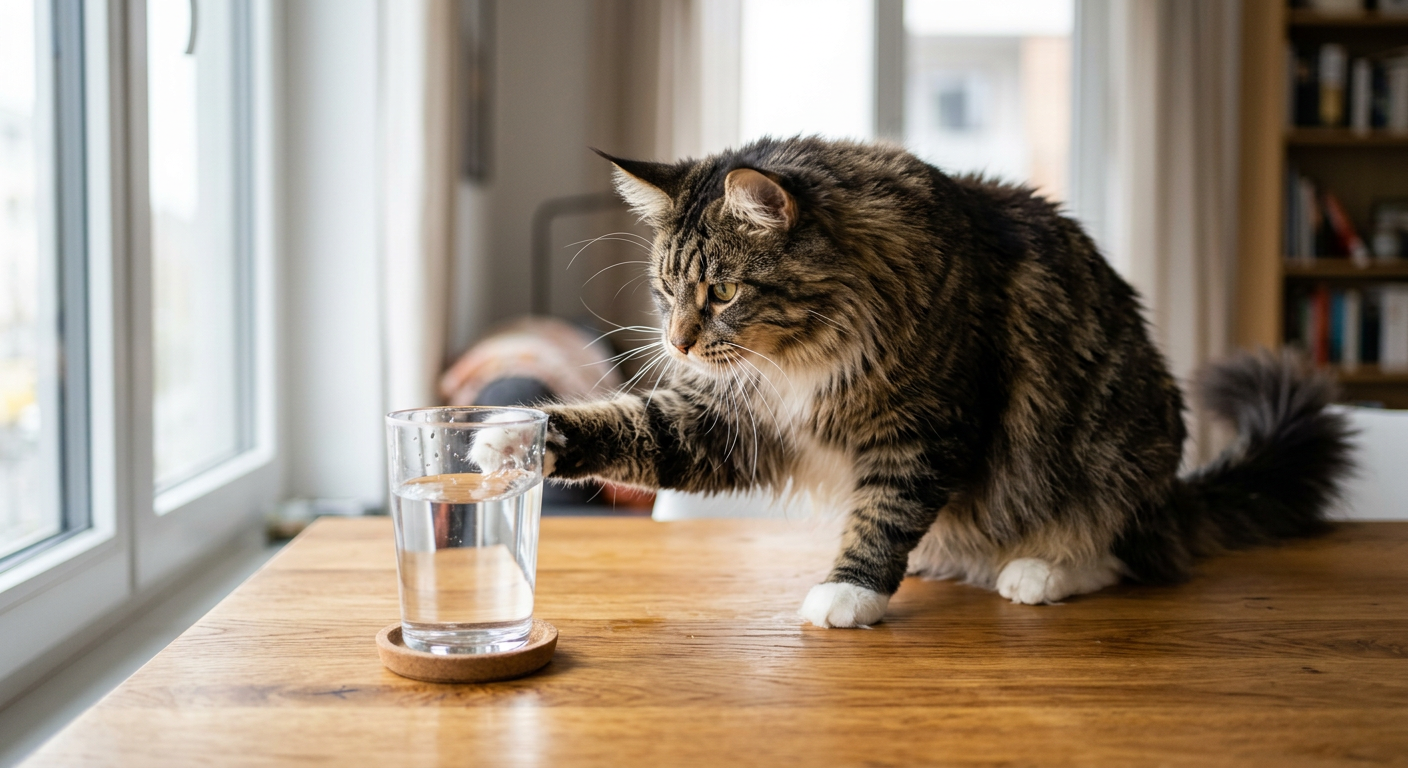
At their core, domestic cats are still fine-tuned predators with instincts that haven't changed much from their wild ancestors. When a cat nudges an object on a table, they are often performing a "prey test" to see if the item is alive or worth chasing. In the wild, a small movement from a rodent or bird tells the cat that dinner is served.
In your living room, a stationary object like a remote control doesn't move on its own. By pawing at it, your cat is investigating whether the object will react or scurry away. If it rolls or falls, the sudden movement triggers their predatory drive, turning a boring household item into an exciting game of "catch."
Sensitivity in the Paws
Cats use their paws as highly sensitive sensory tools. The pads of their feet are packed with nerve endings that help them navigate different terrains and evaluate textures. When your cat bats at something, they are using their tactile senses to gather information about the world around them. This curious investigation is a primary reason for the "gravity testing" we see so often.
Seeking Your Immediate Attention
Perhaps the most common reason for this behavior is a desire for social interaction. Cats are incredibly fast learners when it comes to human reactions. They know that if they sit quietly, you might stay focused on your phone or laptop. However, if they knock a glass of water off the nightstand, you will almost certainly stand up, look at them, and speak.
Even if your reaction is a sigh of frustration or a gentle scolding, it still qualifies as attention in your cat's mind. Negative attention is often better than no attention at all for a bored feline. If your cat finds that clearing the table is the fastest way to get you to move toward the kitchen or look away from the TV, they will continue to use it as a communication tool.
The Timing of the Tumble
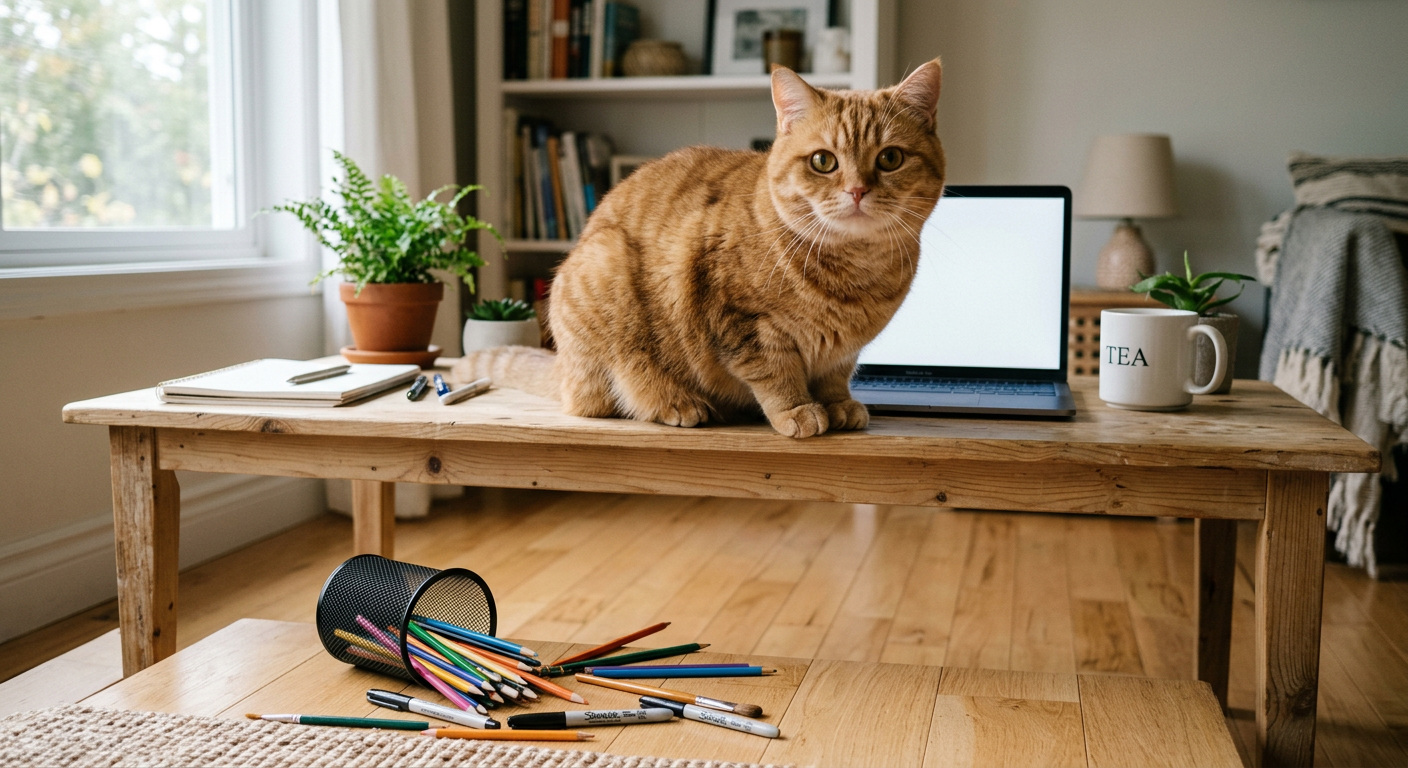
Pay attention to when these spills occur. Does it happen right before your alarm goes off in the morning? Or perhaps right as you sit down for dinner? This timing suggests your cat is using the noise of falling objects to demand your presence. This is particularly common in highly social breeds like the British Shorthair or the Maine Coon, who may feel lonely during the day.
If you have multiple pets, you might want to compare how different personalities react to your presence. While a dog might bark to get your attention, a cat prefers the more dramatic, clattering effect of a fallen vase.
Boredom and Environment Enrichment
Cats are intelligent creatures that require mental and physical stimulation. If their environment is too predictable, they will create their own fun. Knocking things over provides an instant change to their surroundings and a burst of excitement. It is effectively a self-generated toy when nothing else is available.
When a cat is confined to an indoor space without enough vertical climbing areas or interactive toys, they may turn your shelves into an obstacle course. This isn't out of spite; it's a natural outlet for pent-up energy. A bored cat is a creative cat, and unfortunately, that creativity often involves gravity experiments.
- Provide high-energy play sessions twice a day using wand toys.
- Rotate your cat’s toys weekly to keep them feeling "new."
- Install cat trees or wall-mounted shelves to give them specialized vertical space.
- Use food puzzles to engage their brain during meal times.
How to Manage Table Clearing Behavior
While you can't completely "turn off" a cat's instinctual curiosity, you can certainly modify the environment to protect your breakables. The key is to address the underlying cause—whether it is boredom, hunger, or a need for play—while making the forbidden surfaces less appealing.
Redirecting the Energy
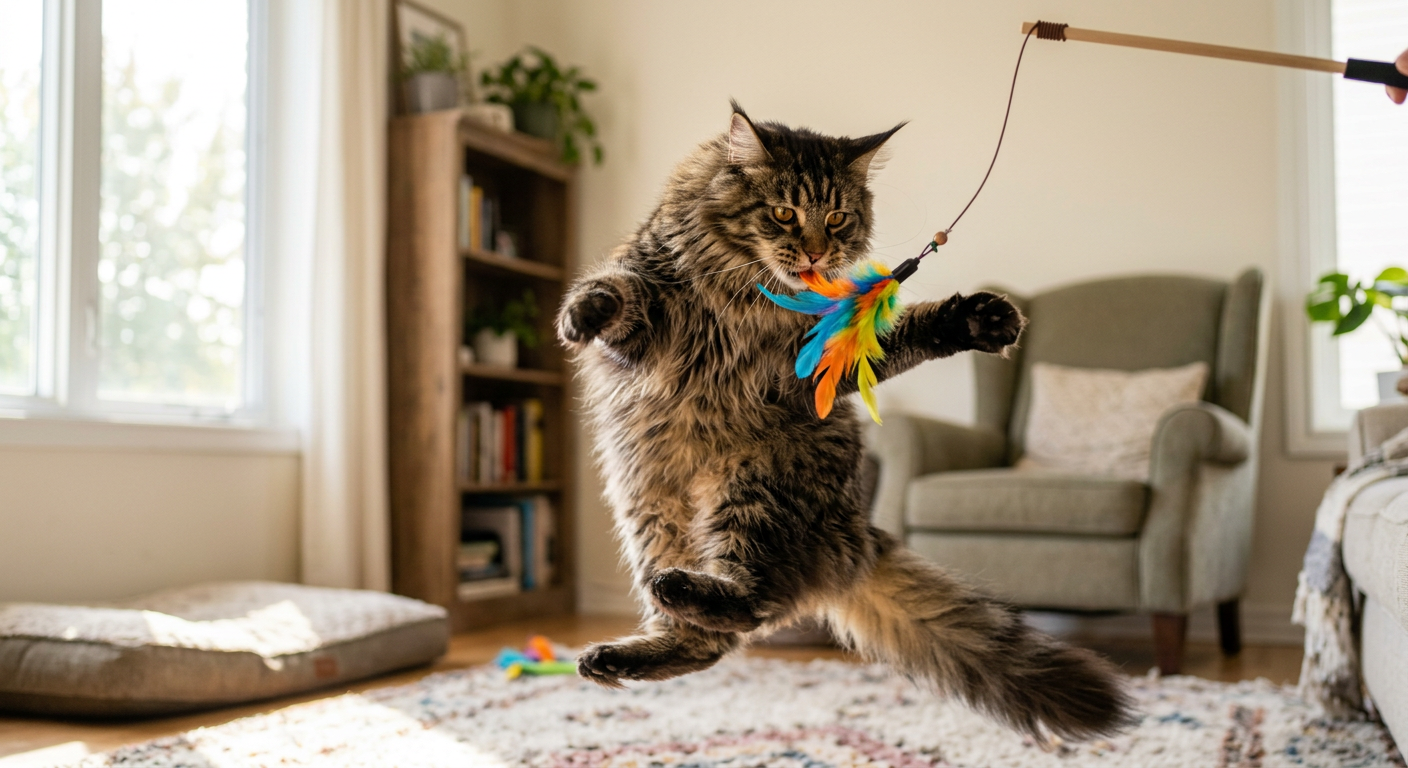
If you catch your cat in the act of preparing to swat an object, redirect their focus before the item falls. Toss a soft toy in the opposite direction or initiate a brief play session. The goal is to show them that there are more rewarding ways to get your attention than by breaking things. Consistency is vital; if you reward the behavior with treats or food once, they will remember it for months.
Environmental Safeguarding
Prevention is often the easiest solution for a cat that loves to explore heights. Consider using museum wax or "earthquake putty" to secure light decorative items to your shelves. If a cat tries to nudge something and it won't budge, the game loses its appeal. Additionally, try to clear the most tempting surfaces—like the edges of desks or nightstands—of small, loose items that are easy to flick.
When to Consult a Professional
In most cases, this behavior is a normal part of being a cat. However, if you notice your cat is suddenly more restless, hyperactive, or destructive than usual, it may be worth a visit to the veterinarian. Sometimes, underlying wellness considerations or changes in thyroid levels can manifest as increased activity or irritability. Always ensure your cat has a clean bill of health if their personality changes overnight.
You can also check out our Maine Coon age calculator or other breed-specific tools to see if your cat's energy levels are typical for their life stage. Younger kittens are naturally more prone to these shenanigans, while senior cats might do it less frequently unless they are seeking specific comfort.
Conclusion
So, why does my cat knock things off tables on purpose? Usually, it is a blend of their natural hunting instincts, a clever way to grab your attention, and a simple outlet for boredom. Your cat isn't trying to be a "bad" pet; they are simply navigating their world with the tools nature gave them. By providing plenty of stimulation and securing your valuables, you can coexist peacefully with your curious companion and enjoy their quirky personality without the sound of breaking glass.