Understanding Cat Meowing at Walls and Ceiling
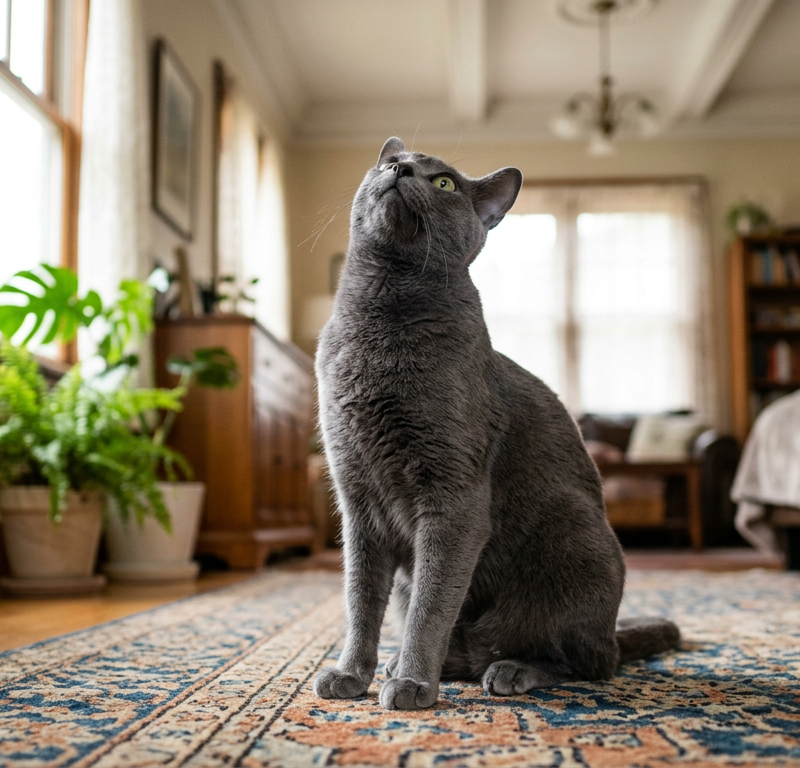
As a cat parent, you have likely experienced a moment where your feline friend suddenly freezes, pupils dilated, staring intently at a seemingly empty corner. When this behavior is accompanied by vocalization, it can be quite curious. If you find your cat meowing at walls and ceiling, you are not alone; this is a common behavior that often has very logical explanations rooted in feline biology.
Cats possess sensory capabilities that far exceed our own. While we see a blank white wall, your cat might be reacting to a microscopic insect, a shift in light, or even a sound traveling through the drywall. Understanding these motivations helps us ensure our pets are happy, healthy, and engaged with their environment.
Superior Feline Senses and Hidden Stimuli
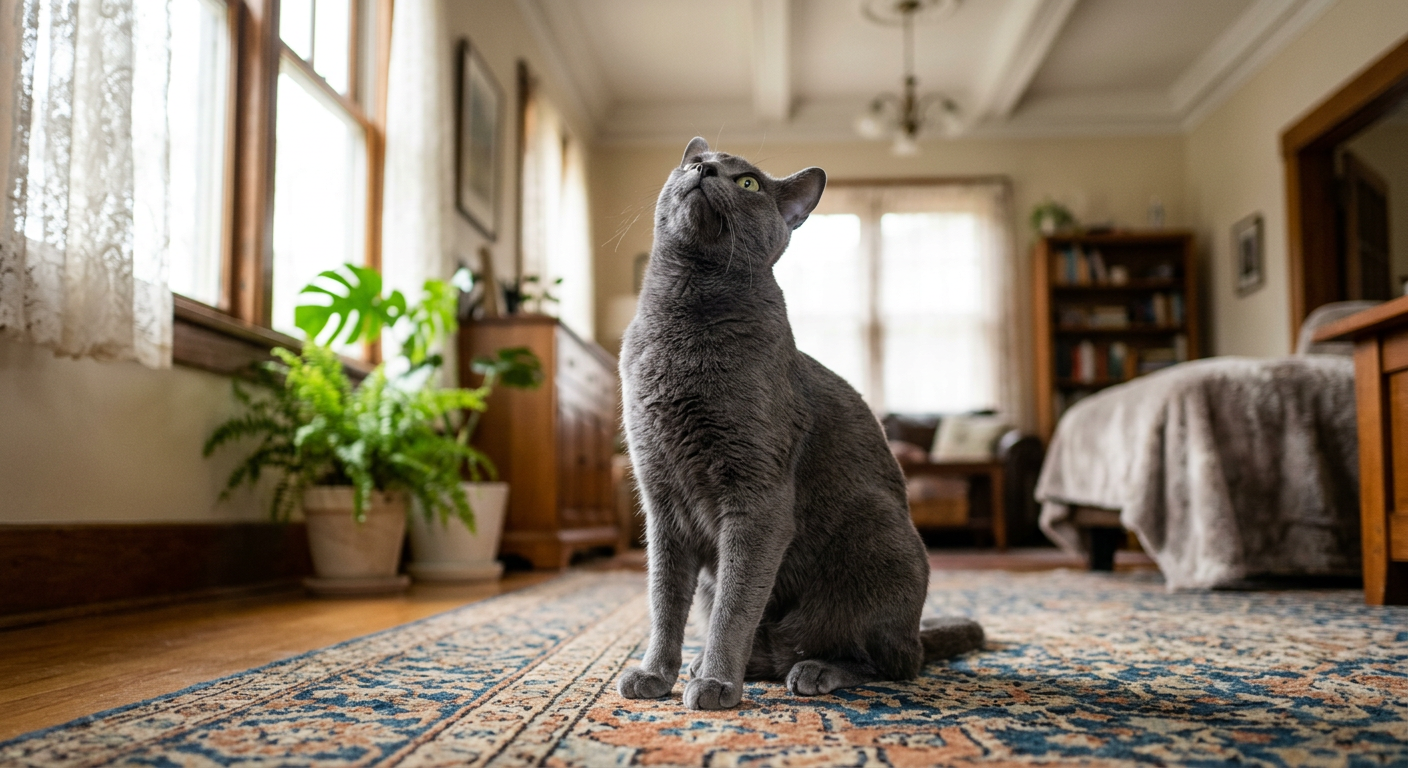
The primary reason for a cat to vocalize at a vertical surface is their incredible sense of sight and hearing. Cats can see into the ultraviolet spectrum, meaning they may be spotting dust motes or reflections that are invisible to the human eye. If a stray beam of light hits a watch or a phone and reflects onto the ceiling, your cat sees a high-priority target.
Acute Hearing and Wall Dwellers
Cats can hear ultrasonic frequencies that humans cannot detect. Often, when a kitty is meowing at the wall, they are actually listening to something behind it. This could be anything from a small insect crawling inside the insulation to water running through pipes or even a small rodent in the attic spaces.
If you notice your cat consistently returning to the same spot on the wall to meow, it might be worth investigating for unwanted houseguests. While we hear silence, your cat hears the rustling of life. This behavior is linked to their predatory drive, where they vocalize to express excitement or frustration at a prey item they cannot reach.
The Phenomenon of Feline Zoomies and Playfulness
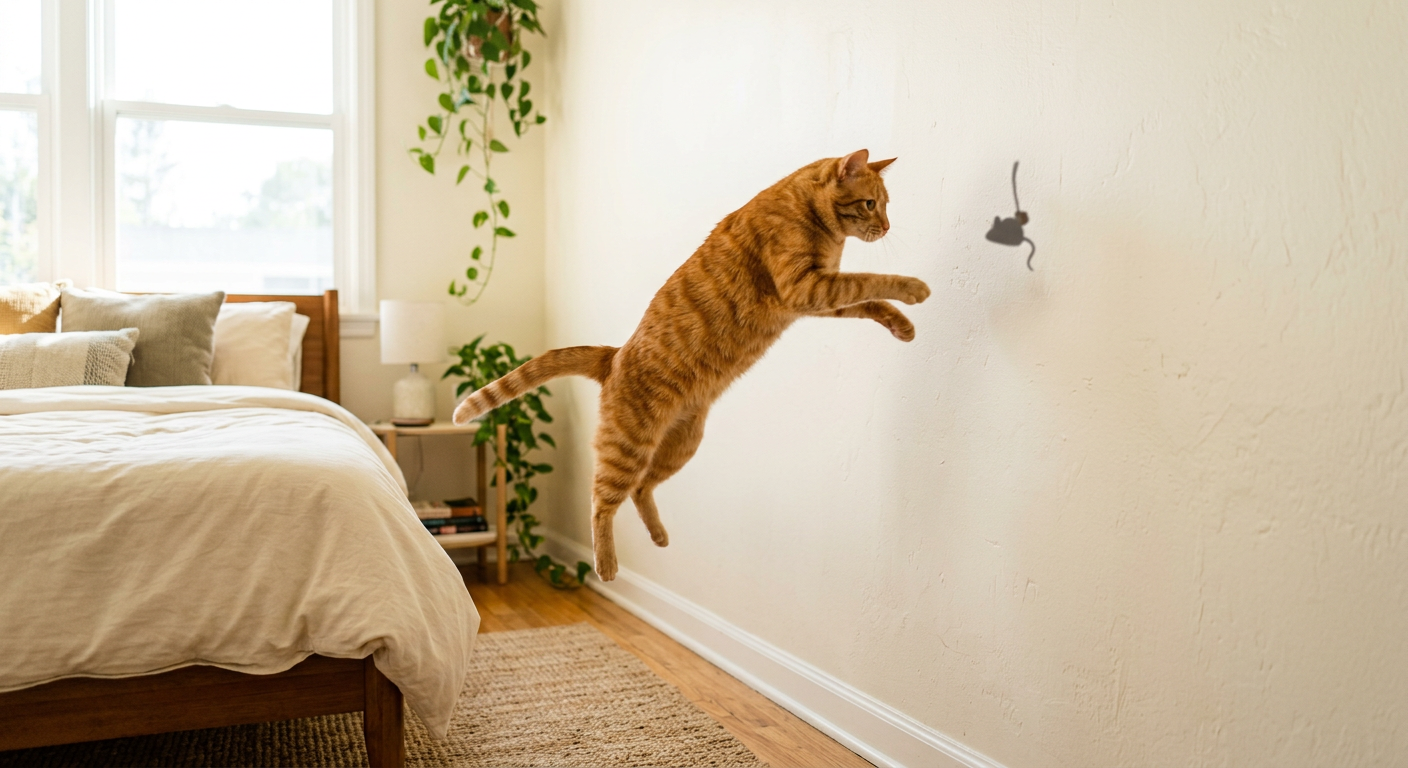
Sometimes, yelling at the ceiling is simply a part of the "zoomies," technically known as Frenetic Random Activity Periods (FRAPs). During these bursts of energy, cats may run up walls or meow loudly at nothing in particular to release pent-up tension. This is especially common in indoor cats who have high energy reserves.
You can help manage this energy by providing structured play sessions. Interactive toys that mimic the movement of birds or mice can redirect their focus from the walls to a tangible object. This is a great way to bond with your pet while providing the mental stimulation they crave. For more tips on unusual actions, check out our guide on decoding strange and quirky cat behavior patterns.
Health and Wellness Considerations
While most instances of a cat talking to the ceiling are harmless, there are wellness considerations to keep in mind, especially for senior cats. Changes in behavior can sometimes indicate underlying shifts in their physical comfort or cognitive state. If the vocalization is new, frequent, or happens mostly at night, it is always a good idea to consult your veterinarian.
Feline Cognitive Dysfunction
As cats age, they may experience Feline Cognitive Dysfunction (FCD), which is similar to dementia in humans. A senior cat might become disoriented and meow at walls because they are confused by their surroundings. If you have an older cat, using a cat age calculator can help you put their life stage into perspective and discuss age-related care with your vet.
Feline Hyperesthesia Syndrome
Another condition to be aware of is Feline Hyperesthesia Syndrome. This involves an extreme sensitivity of the skin, often accompanied by sudden bursts of energy, tail flicking, and loud meowing at the environment. If your cat’s skin appears to ripple or they seem distressed while meowing at the ceiling, a professional veterinary evaluation is the best course of action.
Environmental Factors and Boredom
Your cat might simply be bored. If the environment lacks vertical space or interesting views, a cat might create their own entertainment by tracking shadows on the ceiling. Cats are natural climbers and observers, so a lack of "cat-friendly" infrastructure can lead to these quirky vocalizations.
- Install cat shelves to provide vertical climbing space.
- Place a cat tree near a window to offer "cat TV."
- Use puzzle feeders to engage their minds during mealtime.
- Rotate toys weekly to keep their environment feeling fresh.
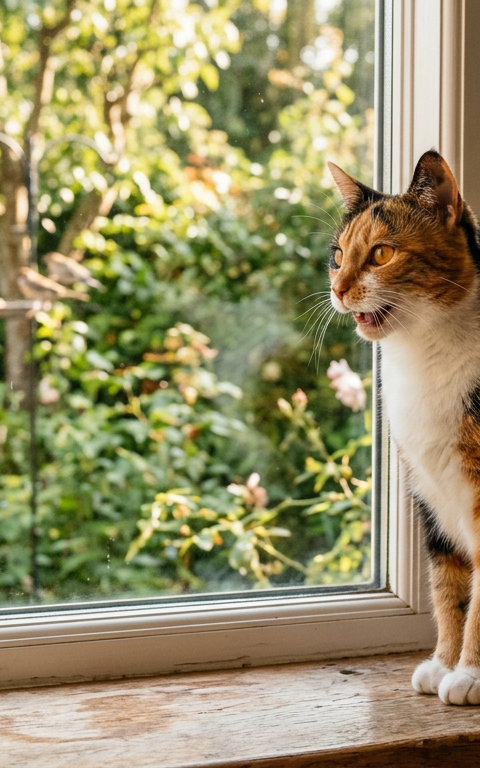
By enriching their surroundings, you might find that the late-night wall concerts begin to decrease. Similar to how a cat chirping at birds through the window indicates engagement with the outside world, meowing at the ceiling often shows a desire to interact with their immediate surroundings.
When to Seek Veterinary Advice
As a rule of thumb, any sudden change in vocalization patterns warrants a check-up. If your cat is meowing at walls and ceiling and also showing signs of weight loss, changes in appetite, or altered litter box habits, these could be signs of medical issues like hyperthyroidism or high blood pressure. Your vet can perform simple tests to rule these out and ensure your friend is comfortable.
Most of the time, however, you can rest easy knowing that your cat is just being a cat. Their world is much more vibrant and noisy than ours, and sometimes they just feel the need to tell the ceiling all about it. Whether it is a tiny spider or a stray light reflection, these moments are part of the joy of living with a feline companion.
Conclusion
Observing your cat meowing at walls and ceiling can be one of the more mysterious aspects of pet ownership. Whether they are hearing critters in the walls, chasing invisible dust motes, or simply expressing a burst of energy, it is usually a testament to their incredible senses. By providing enrichment and monitoring for health changes, you can ensure your cat's quirky habits remain a charming part of their personality.