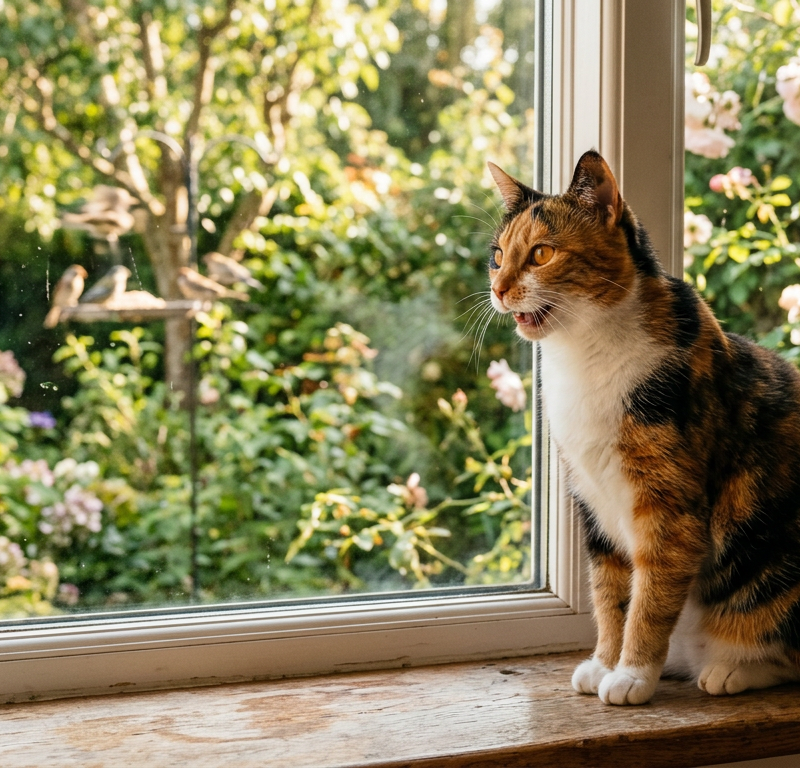
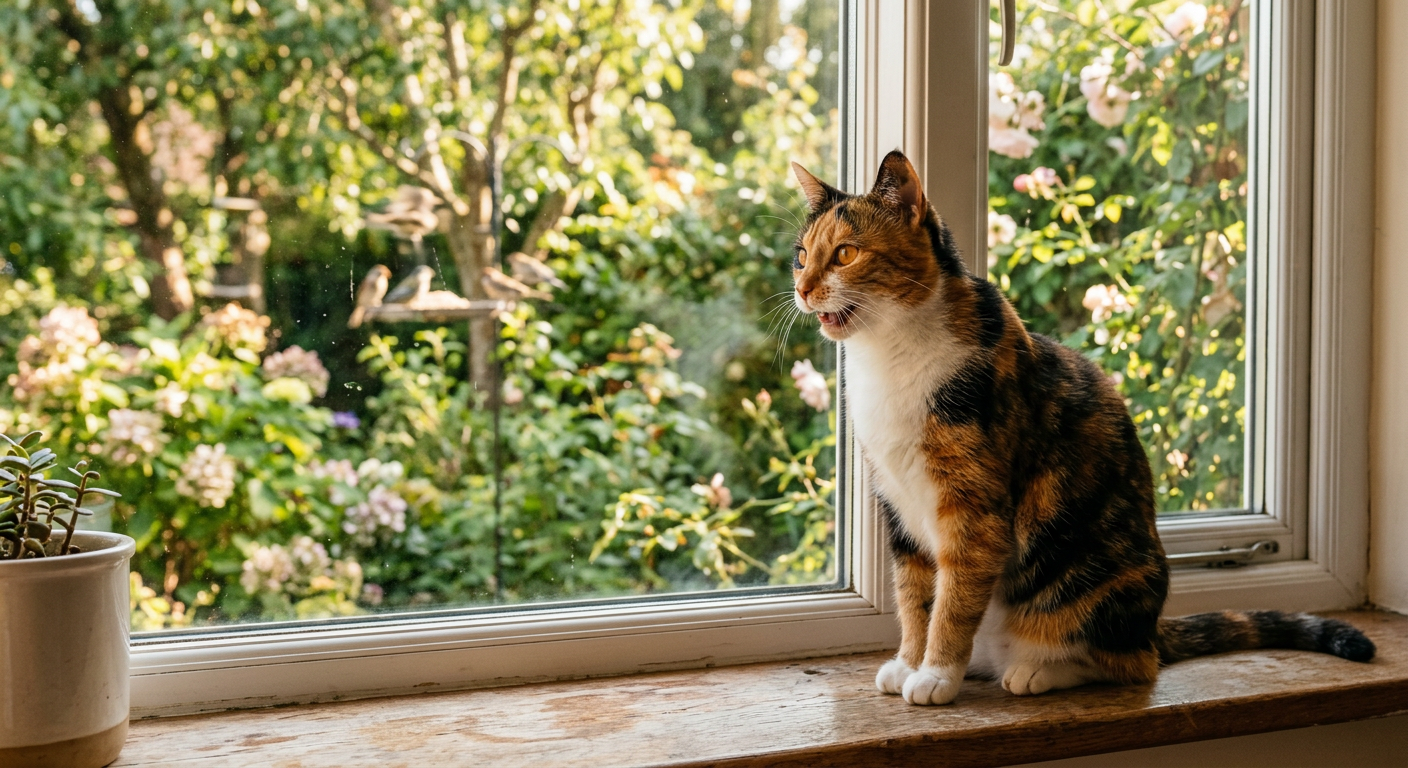
If you have ever watched your feline friend stare intently out the window, you have likely heard a series of fast, rhythmic sounds. Many owners wonder about the cat chirping at birds through window meaning and what this unique vocalization is trying to communicate. These staccato noises, often accompanied by a quivering jaw, are a fascinating part of feline biology.
While cats are known for meowing, purring, and hissing, the "chirp" or "chatter" is reserved for very specific situations. Most often, it occurs when a cat is observing prey that they cannot physically reach. Understanding this behavior helps you connect more deeply with your pet's natural instincts.
The Biological Roots of Chattering and Chirping
The sounds your cat makes when spotting a bird are deeply rooted in their history as hunters. Even the most pampered indoor cat retains the predatory drive of their ancestors. When they see a bird or squirrel, their brain triggers a series of physical responses designed for the hunt.
Some behaviorists suggest that the chattering motion is a "vacuum activity." This means the cat is performing the physical motions of a predatory bite even though the prey is not in their mouth. It is an instinctual reflex that prepares their jaw muscles for the final moment of a hunt.
The Adrenaline of the Sight
When a cat spots movement outside, their body undergoes a surge of excitement. This spike in adrenaline can manifest as vocalizations. While a cat hunting in the wild would remain silent to avoid detection, the safety of a window allows them to express this energy more loudly.
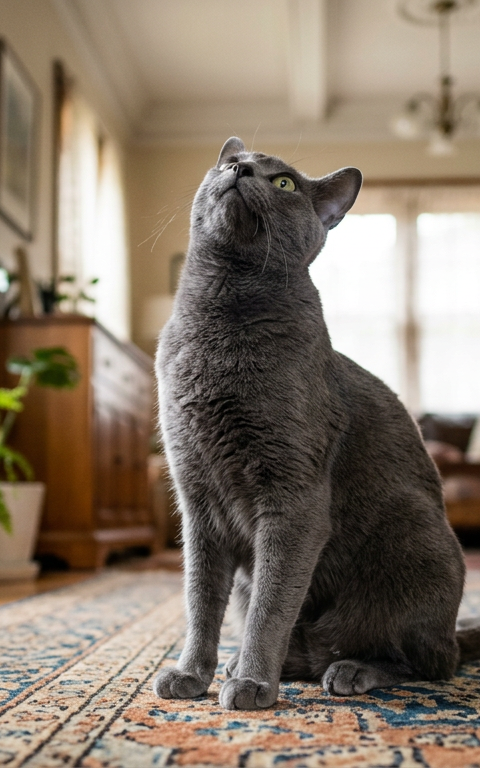
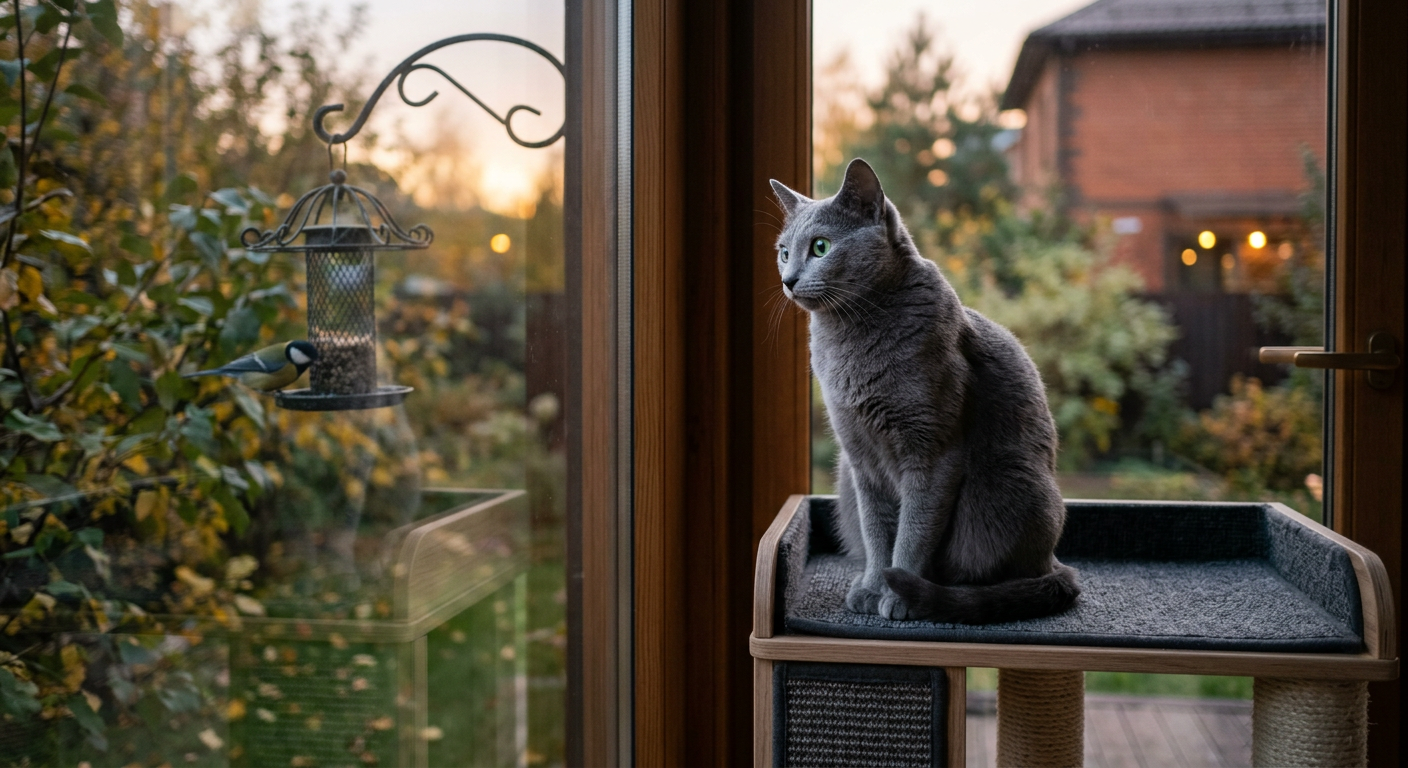
This behavior is common across many breeds, from the large Maine Coon to the elegant Russian Blue. Regardless of the breed, the visual stimulation of a flapping wing or a scurrying rodent is a powerful trigger for these high-pitched sounds.
Is Your Cat Feeling Frustrated
One of the most common theories regarding cats chattering at windows is the "frustration hypothesis." When a cat sees a bird, their instinct tells them to stalk and pounce. However, the glass pane serves as an invisible barrier that prevents them from completing the sequence.
This inability to reach the target can result in a buildup of nervous energy. The chirping may be a way for the cat to release that pent-up excitement. It is similar to how a human might tap their foot or talk to themselves when they are focused on a task they cannot quite finish.
Channeling Predatory Energy
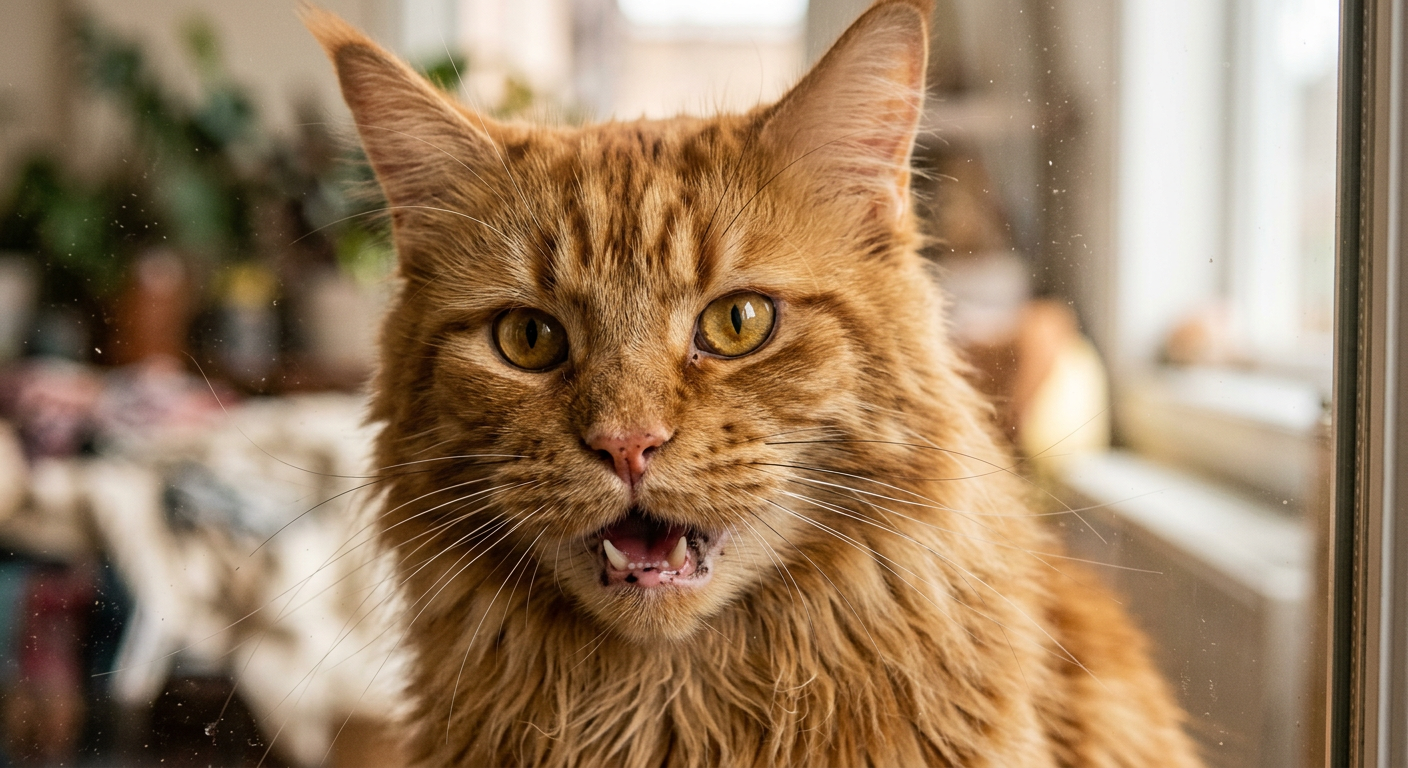
If you notice your cat chirping frequently, it might be an indicator that they need more interactive play. While watching birds is great mental stimulation, it doesn't provide the physical "kill" that completes the predatory cycle. Using wand toys or laser pointers can help satisfy this urge.
Providing outlets for this energy is a key part of decoding strange and quirky cat behavior patterns. By understanding that the chirp is a sign of intense focus, you can better manage your cat's environment to keep them happy and engaged.
The Theory of Mimicry
A more recent and fascinating theory suggests that cats might be attempting to mimic the sounds of their prey. Research in the Amazon rainforest observed wild cats making sounds similar to small monkeys to lure them closer. While your domestic cat isn't trying to trick the bird into flying through the glass, the instinctual mechanism might remain.
By mimicking the bird's chirps, the cat may be trying to blend into the environment or pique the bird's curiosity. This sophisticated hunting strategy shows just how intelligent and adaptable feline hunters truly are. Even if it isn't effective through a window, the brain is still wired to try.
Common Types of Window Vocalizations
Not all "window talk" sounds the same. Depending on the cat's mood and the type of prey they see, you might hear a variety of noises. Recognizing these can help you understand your cat's emotional state during their "cat TV" sessions.
- The Quick Chatter: A rapid-fire clicking of the teeth with little to no actual voice. This is usually pure reflex.
- The Bird-Like Chirp: A melodic, high-pitched "mrrp" or "tweet" sound that sounds remarkably like a bird.
- The Long Meow-Chirp: A combination of a standard meow and a chatter, often used when the cat turns to look at you for "help" with the bird.
- The Silent Chatter: The jaw moves rapidly, but no sound comes out. This is often seen in very young kittens practicing their skills.
Should You Be Concerned
In almost all cases, chattering and chirping at windows is a perfectly healthy and normal behavior. It is a sign that your cat's senses are sharp and their brain is active. It is one of the many ways cats stay connected to their wild roots while living comfortably indoors.
However, if your cat becomes overly distressed, begins hissing at the window, or displays signs of redirected aggression toward other pets in the house, it may be time to intervene. Providing more vertical space or adding bird feeders further away from the glass can help reduce overstimulation.
Monitoring Your Cat's Wellness
As always, if you notice a sudden change in your cat's vocalization patterns or if they seem to be in physical discomfort while making these noises, consult your veterinarian. While chirping is behavioral, dental issues or jaw pain can sometimes be mistaken for chattering. Regular check-ups ensure that your cat's "hunting" remains a fun and healthy activity.
How to Enhance Your Cat's Window Experience
Since the cat chirping at birds through window meaning is largely tied to enrichment, you can make this experience even better for your pet. Creating a "catio" or a comfortable window perch allows them to engage their senses safely.
- Install a sturdy window seat so your cat can sit comfortably for long periods.
- Place bird feeders at a safe distance where the birds feel secure but the cat has a clear view.
- Ensure the window screen is secure to prevent any accidental escapes during a moment of high excitement.
- Follow up window time with a play session using a feather toy to let the cat "catch" their prey.
By encouraging this natural behavior, you are supporting your cat's mental health. Whether they are a tiny kitten or an older British Shorthair, the thrill of the hunt is a vital part of being a cat.
Conclusion
The next time you hear your cat making those strange clicking noises at the window, you'll know exactly what's happening. The cat chirping at birds through window meaning is a complex mix of predatory instinct, biological reflex, and perhaps a touch of mimicry. It is a window into the wild heart of your domestic companion.
Embrace these quirky moments as a sign of a healthy, curious pet. By understanding the motivations behind the chatter, you can provide a richer environment that satisfies their inner hunter while keeping them safe and sound indoors. Similar to why cats knock things off tables, this behavior is just another way our feline friends interact with a world they find endlessly fascinating.