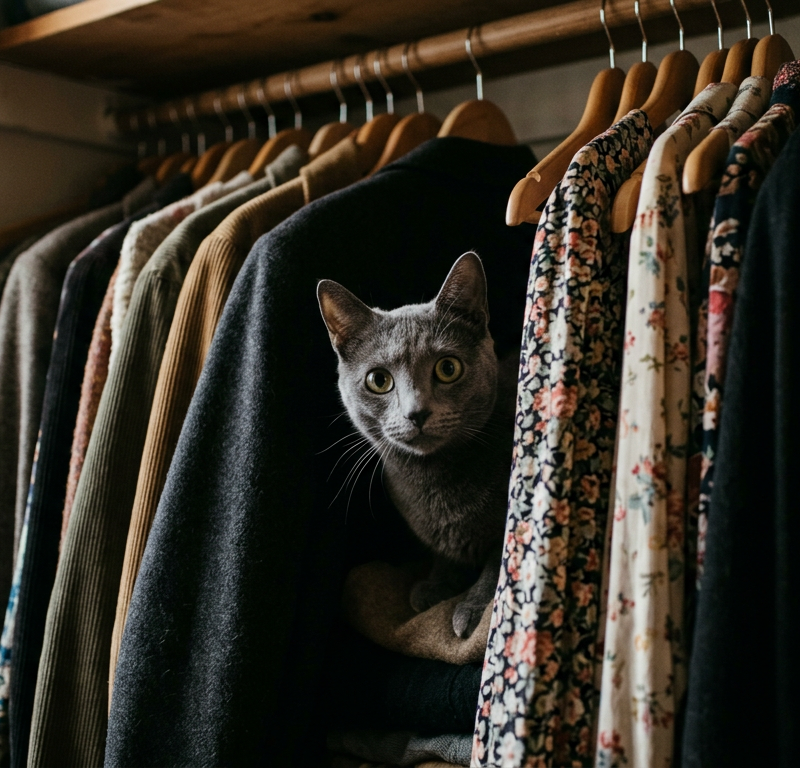
Finding your cat hiding in closet for two days straight can be a confusing experience for any pet parent. While cats are naturally cave-dwelling creatures that enjoy dark, enclosed spaces, a sudden change in their routine usually signals that something is happening in their world. Whether it is a reaction to a new guest or a subtle health change, understanding the "why" behind this behavior is the first step in helping your feline friend feel secure again.
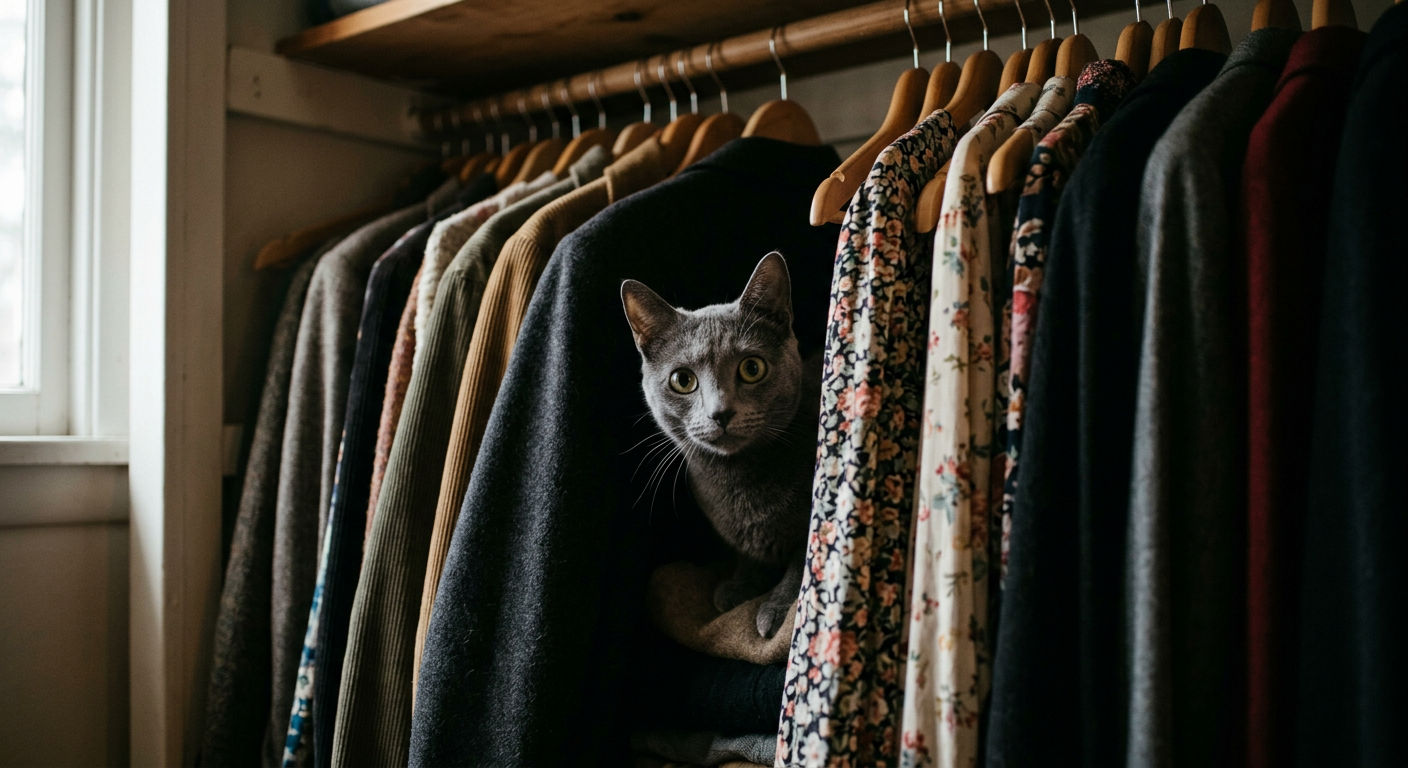
Cats view closets as the ultimate sanctuary because they offer protection from all sides. In the wild, small wildcats are both predators and prey, leading them to seek out high-security spots where they cannot be ambushed. When your domestic kitty replicates this by staying tucked behind your coats or shoes for an extended period, they are following an ancient instinct to stay safe while they process stress or physical discomfort.
Normal Hiding Behavior vs Concerning Patterns
It is important to distinguish between a cat that just loves a cozy nap and a cat hiding in closet for two days straight without coming out for essentials. Many cats have a favorite "retreat" they visit for a few hours every day. This is often just a way for them to recharge their social batteries, especially in busy households with children or other pets.
The situation changes when the hiding becomes continuous. If your cat stops showing up for mealtime, misses their favorite treats, or stops using the litter box, the behavior moves from "quirky" to "concerning." Monitoring these basic biological functions is the best way to gauge if your cat is simply enjoying some solitude or if they are navigating a deeper issue that requires your intervention.
The Safe Haven Instinct
For a cat, a closet is more than just a storage space; it is a sensory deprivation chamber. It is dark, quiet, and usually smells like their favorite human. This combination makes it the perfect place for a cat to decompress when they feel overwhelmed by their environment. You can learn more about similar mysterious actions in our guide to decoding strange and quirky cat behavior patterns.
Common Environmental Triggers for Hiding
One of the most frequent reasons for a cat hiding in closet for two days straight is a sudden change in the home environment. Cats are creatures of habit and can be surprisingly sensitive to minor shifts. Something as small as moving a sofa or as significant as bringing home a new puppy can trigger a retreat to the closet.
- Visitors and Noise: Holiday parties, home renovations, or even a loud thunderstorm can send a cat into hiding for several days until they feel the "threat" has passed.
- New Scents: Cats rely heavily on their sense of smell. Bringing home new furniture or even wearing a different perfume can sometimes make a shy cat feel like their territory has been invaded.
- Inter-pet Conflict: If you have multiple animals, there might be a subtle tension you haven't noticed. One cat might be "guarding" the hallway, leaving the other cat feeling safer staying put in the closet.
Health and Wellness Considerations
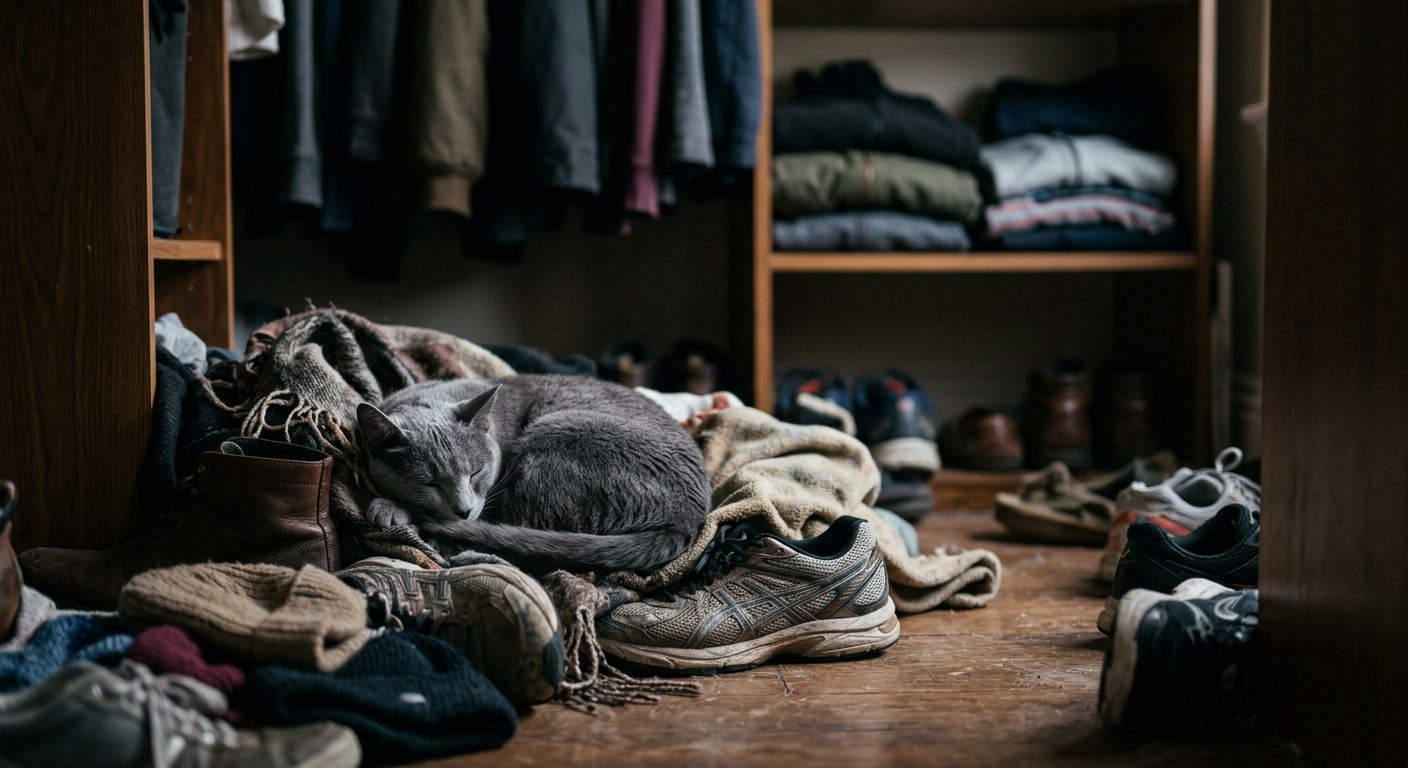
When a cat hides for forty-eight hours or more, it is vital to consider their physical health. Cats are masters at masking pain; in the wild, showing weakness makes them a target. Therefore, when a cat feels unwell, their first instinct is to find a hidden spot and stay there until they recover.
If your cat is hiding in closet for two days straight, try to observe them for other subtle signs of illness. Look for changes in appetite, lethargy, or grooming habits. If you notice they aren't eating or seem unusually sluggish when you do find them, it is time to consult your veterinarian. They can rule out common feline issues like urinary tract infections, dental pain, or digestive upsets.
Age-Related Changes
As cats get older, their vision and hearing may decline, which can make them feel more vulnerable in open spaces. Senior cats might choose to stay in a closet because it feels more manageable and less overstimulating. If you have an older cat, you might be interested in seeing how their age compares to human years using our Maine Coon age calculator or other breed-specific tools.
How to Encourage Your Cat to Come Out
While you might want to reach in and pull your cat out, this can often increase their anxiety. Forced interaction can make the closet feel less safe, potentially leading the cat to find an even more inaccessible hiding spot. Instead, focus on making the rest of the house feel as inviting and secure as the closet does.
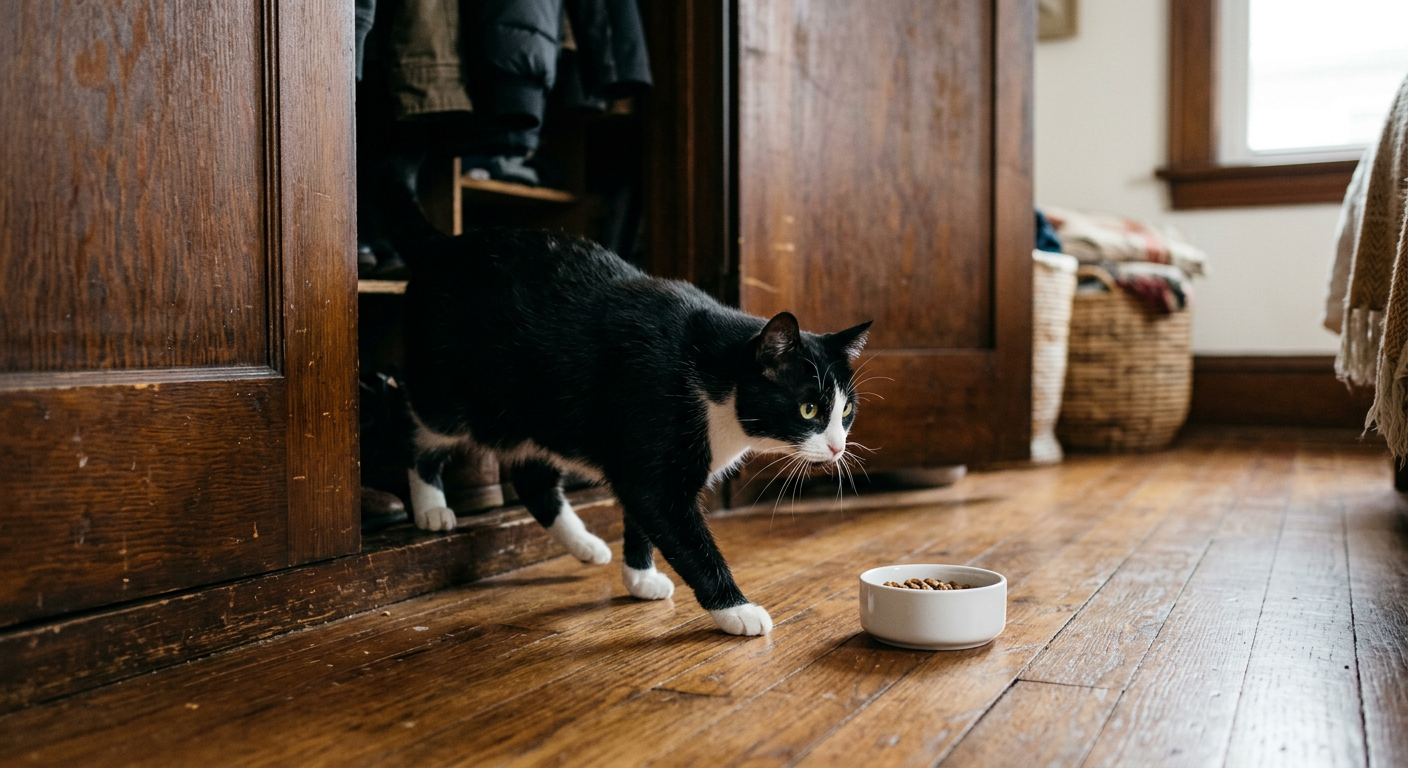
Patience is your best tool. Try sit-ins where you stay near the closet door and talk softly to them or read a book aloud. This lets them get used to your presence without feeling pressured to interact. Offering high-value rewards, like wet food or "lickable" treats, right outside the closet door can also provide a gentle incentive for them to emerge on their own terms.
Creating Alternative Safe Spaces
If your cat prefers the closet because it is enclosed, try providing other "cat-approved" hiding spots throughout your home. Cardboard boxes with blankets inside, hooded cat beds, or vertical shelving can give them the security they crave without them being tucked away in your wardrobe. Much like why cats knock things off tables, hiding is often about exploring and controlling their personal space.
When to Consult a Professional
A cat hiding in closet for two days straight is usually a plea for peace or a sign of discomfort. If the behavior persists beyond two days, or if they are refusing food and water, a trip to the vet is the safest course of action. A professional can help determine if the cause is medical or if you are dealing with a case of severe feline anxiety.
In cases of extreme stress, your vet might suggest pheromone diffusers or calming supplements to help lower your cat's baseline anxiety. These tools can make the transition back into the main living areas much easier for a nervous pet. Remember, every cat is an individual, and what works for a bold Tabby might not work for a shy Siamese.
Final Thoughts
Seeing your cat hiding in closet for two days straight can be worrying, but in most cases, it is a temporary response to the world being a little too loud or too fast. By providing a calm environment and monitoring their health closely, you can help your kitty regain their confidence. Always prioritize their comfort and consult a vet if you sense something isn't quite right.