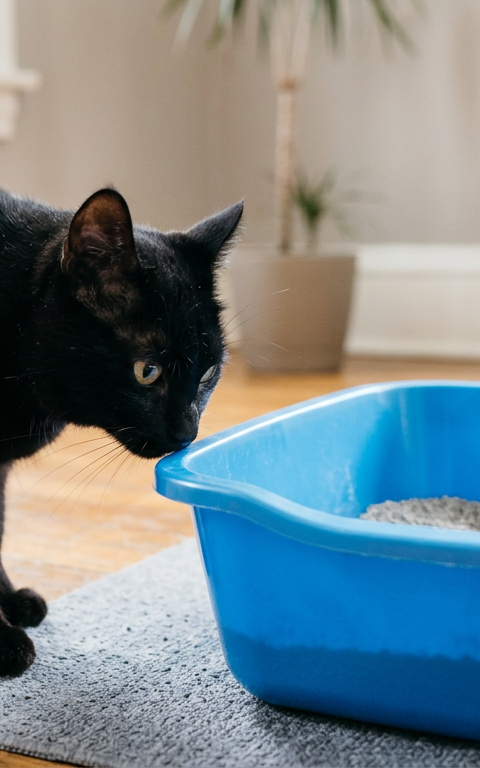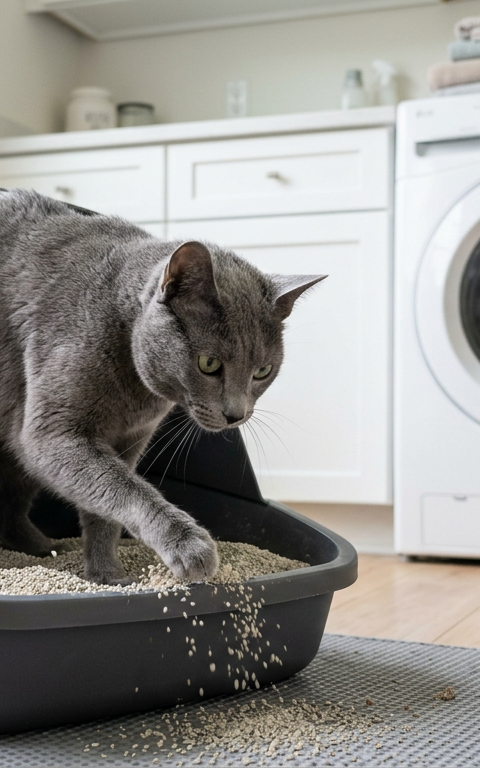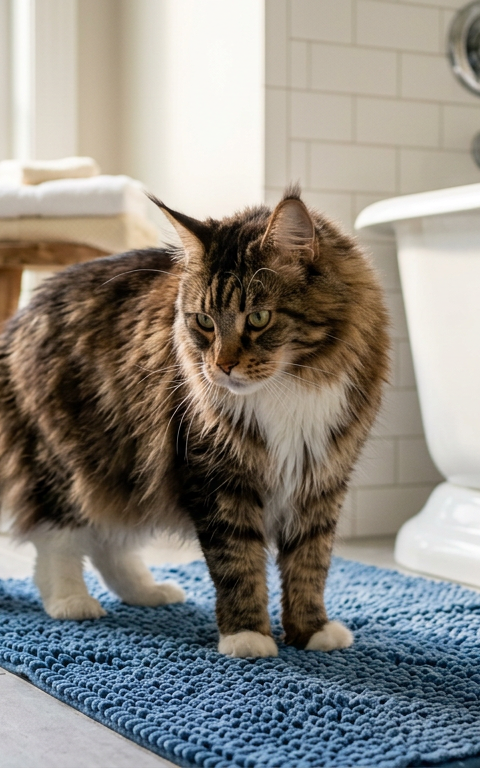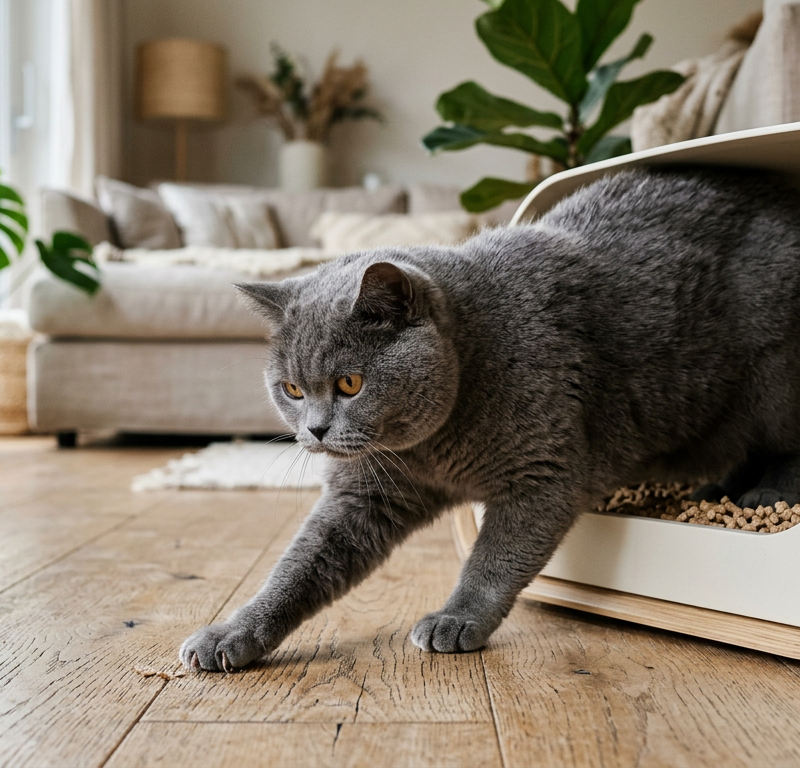
As a cat parent, you are likely familiar with the rhythmic sound of your feline friend digging in their litter box. However, it can be a bit confusing when you hear that same scratching sound hitting the plastic sides of the box or even the hardwood floor nearby. If you are wondering why does my cat scratch outside the litter box, you are certainly not alone in this observation.
This behavior is actually quite common among domestic cats and usually stems from a mix of natural instincts and environmental preferences. While it might seem like a quirky habit, it often serves as a form of communication or a reaction to the setup of their bathroom area. Understanding these subtle cues helps you ensure your cat feels comfortable and secure in their home.
In this guide, we will explore the secondary reasons for this behavior, ranging from paw sensitivity to territorial marking. By looking at the world through your cat's eyes, you can make small adjustments that lead to a happier, cleaner household for everyone involved.
The Instinctive Drive to Bury and Hide
In the wild, cats are both predators and potential prey. Burrying waste is a vital survival instinct used to hide their scent from larger predators and to avoid alerting other cats to their presence. Even though your indoor cat is safe, these ancestral urges remain powerful drivers for their daily routines.
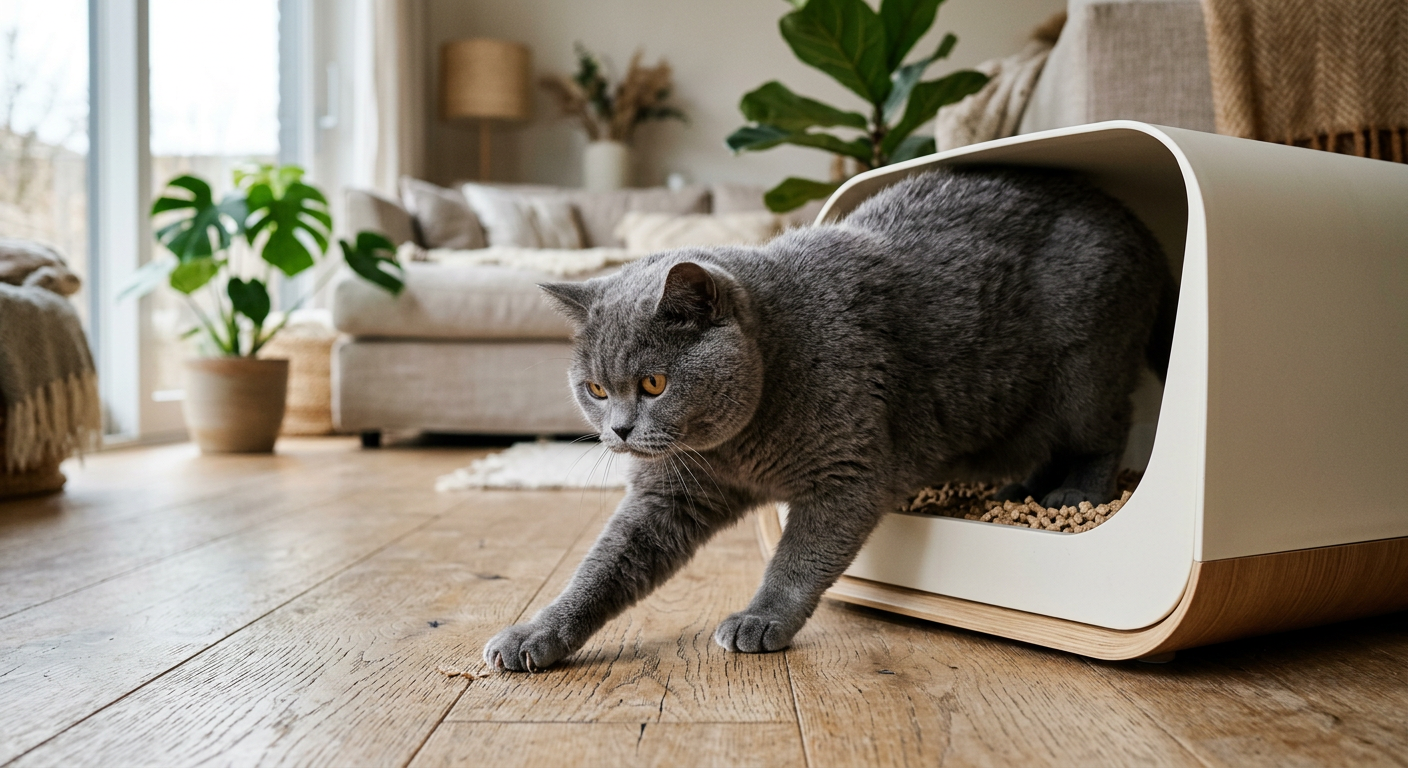
When a cat scratches the floor or the walls around the box, they are often attempting to "sweep" more material over their waste. If they feel the scent hasn't been properly covered, they may expand their search for burying material. This leads them to scratch at the air or nearby surfaces in a symbolic gesture of neatness.
Sometimes, this behavior is a sign of a "thorough" finisher. These cats are simply very dedicated to the cleaning process and will continue pawing at anything nearby until they are satisfied that the job is done. It is their way of ensuring their personal space remains tidy and discreet.
Litter Box Size and Accessibility Matters
One of the most practical reasons for why does my cat scratch outside the litter box is simply a lack of space. Many commercial litter boxes are designed for human convenience rather than feline comfort. If a box is too small, your cat might struggle to find a clean spot to stand while they aim and cover.
A cramped environment makes it difficult for a cat to turn around and complete their natural burying sequence. When they reach out to gather litter but hit a plastic wall instead, they often continue the motion on the outer surface. You might notice this more often in larger breeds like the Maine Coon, who require significantly more room to maneuver.
- Choose a box that is at least 1.5 times the length of your cat.
- Ensure the entry point is low enough for easy access, especially for senior cats.
- Consider using an open-top box if your cat seems to feel trapped in a hooded one.
- Provide one litter box per cat, plus one extra, to reduce competition.
If you have multiple cats, check out our guide on understanding litter box habits to see how social dynamics might be influencing their bathroom behavior. A cat who feels rushed by a housemate may scratch erratically as they try to finish quickly.
Texture Sensitivity and Paw Comfort
Cats have incredibly sensitive paws filled with nerve endings. The texture of the litter you choose plays a massive role in whether they feel comfortable staying inside the box. If the litter feels too sharp, dusty, or sticky, your cat may try to keep their paws off it as much as possible.
A cat experiencing paw discomfort might stand on the edge of the box or reach out to scratch the floor to avoid touching the actual substrate. This "balancing act" often results in them scratching the exterior surfaces instead of the litter itself. If you have recently changed brands, your cat might be expressing a preference for their old texture.
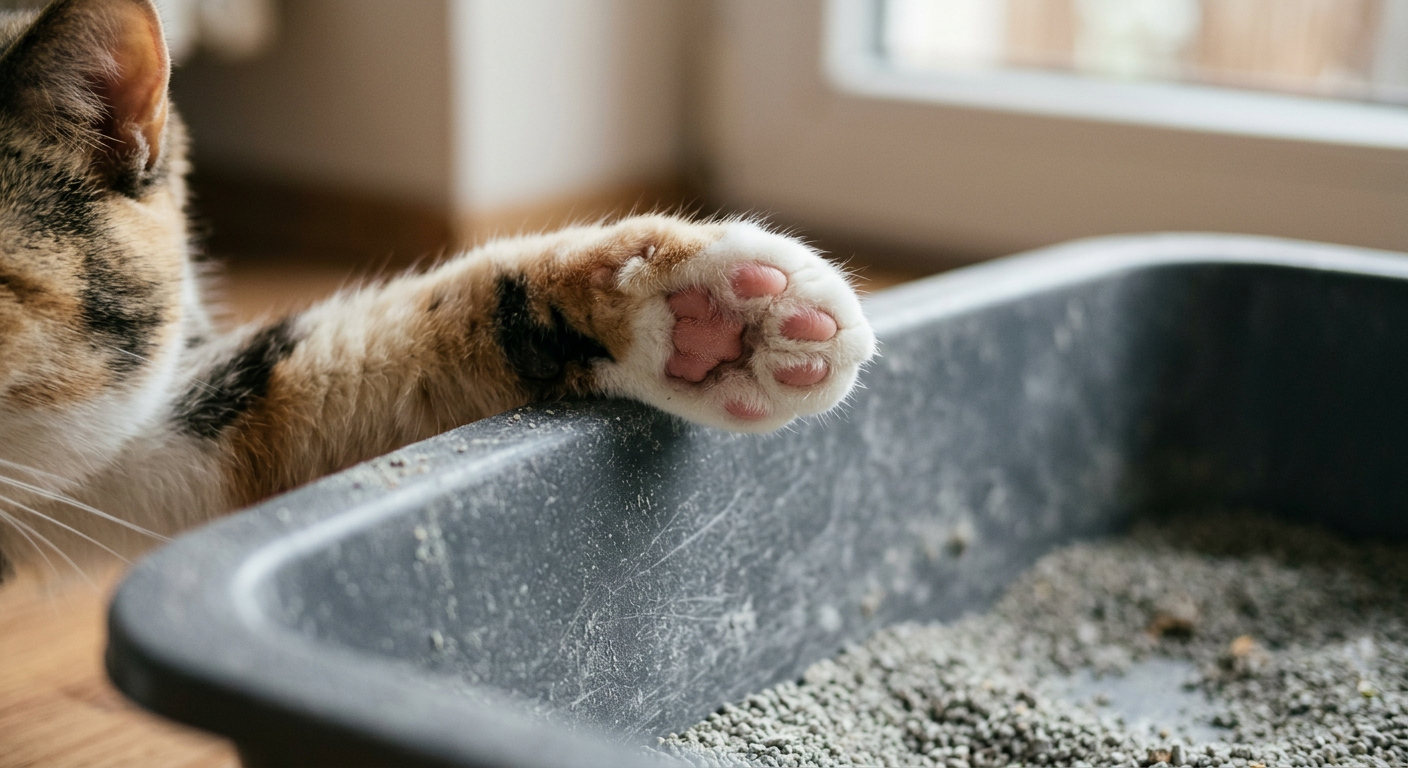
Fragrances can also be a factor. While humans often prefer scented litters to mask odors, a cat’s sense of smell is much stronger than ours. A heavily perfumed box can be overwhelming, causing the cat to spend as little time as possible inside, leading to frantic scratching on the outside as they try to leave in a hurry.
Pheromones and Territorial Marking
While we often think of the litter box as just a place for waste, it is also a major scent station in your home. Cats have scent glands in their paw pads. When they scratch a surface, they aren't just moving material; they are leaving behind chemical markers that say, "This is my territory."
Scratching the floor or walls around the box can be a way of "claiming" the area. This is particularly common in multi-cat households where cats may feel the need to re-establish their boundaries frequently. It’s a proactive way for them to feel secure in their environment.
If this behavior starts suddenly, it could be related to changes in the home, such as a new pet or even new furniture. If the scratching is accompanied by other changes, such as a cat pooping outside the litter box suddenly after years of perfect behavior, it may be time to look at recent environmental stressors.
When to Consult Your Veterinarian
Most of the time, external scratching is a harmless behavioral quirk. However, in some cases, it can be a sign that your cat is experiencing discomfort. If your cat seems to be scratching excessively or appears restless, it is a good idea to rule out any underlying wellness considerations.
Urinary tract issues or digestive changes can make the process of using the box uncomfortable. A cat might associate the litter itself with that discomfort and try to finish the process as quickly as possible while touching the litter as little as possible. If you notice your cat peeing small amounts every hour, this is a clear sign that a professional check-up is needed.
Your veterinarian can help determine if the behavior is strictly behavioral or if there is a physical reason for the change. Proactive care is the best way to ensure your cat stays happy and healthy throughout their life.
Simple Steps to Improve Box Comfort
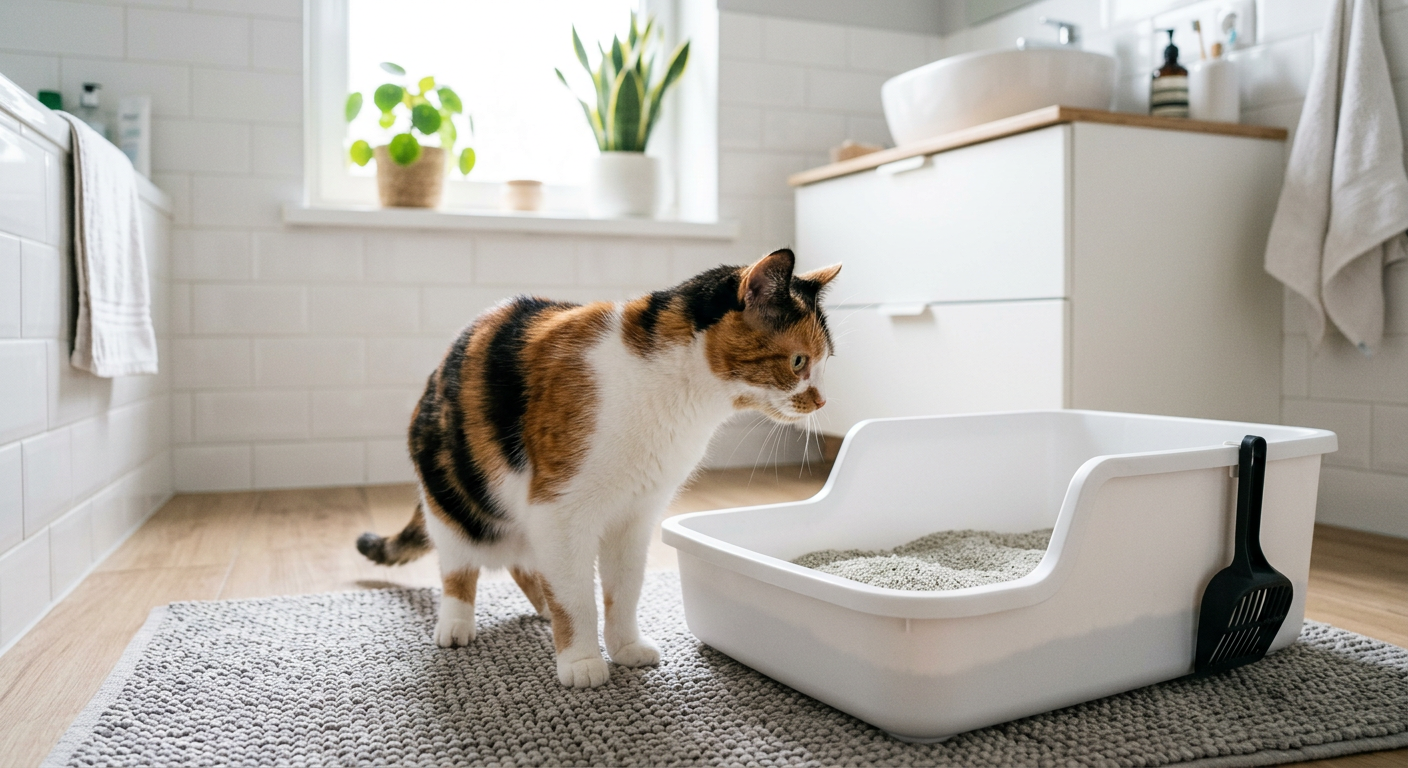
To help guide your cat toward scratching inside the box, you can try making a few simple adjustments. Often, small changes to the environment can lead to significant improvements in their routine. Start by observing your cat's specific patterns to see what might be triggering their external scratching.
- Increase the depth of the litter to about 2-3 inches to give them more material to work with.
- Clean the box more frequently, as cats are very clean animals and may scratch the outside to avoid dirty spots inside.
- Place a high-quality litter mat around the box to provide a consistent texture for their paws.
- Try an unscented, clumping clay litter, which most cats naturally prefer due to its sand-like feel.
By providing a spacious, clean, and comfortable environment, you address the primary reasons behind why does my cat scratch outside the litter box. With a little patience and observation, you can create a bathroom setup that meets all of your cat's instinctive needs.
Conclusion
In conclusion, the question of why does my cat scratch outside the litter box usually boils down to a combination of instinct, comfort, and communication. Whether they are trying to be extra tidy, expressing a preference for a different texture, or simply marking their territory, it is all part of being a cat. By ensuring their box is large enough and the litter is to their liking, you can support their natural behaviors in a way that works for your home.