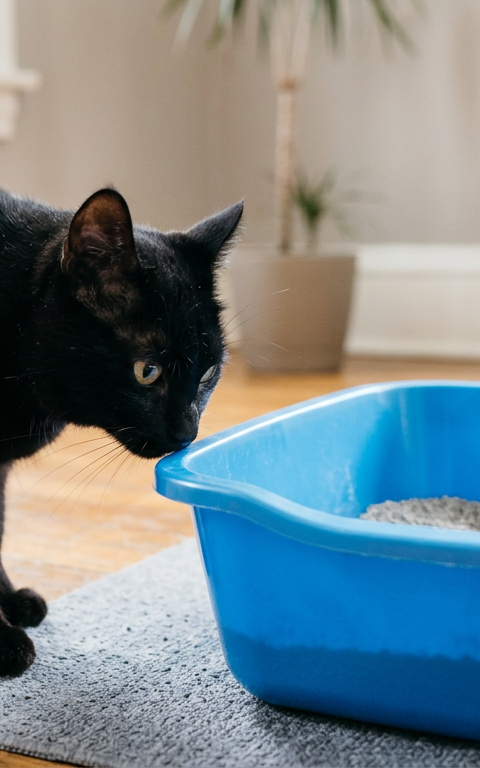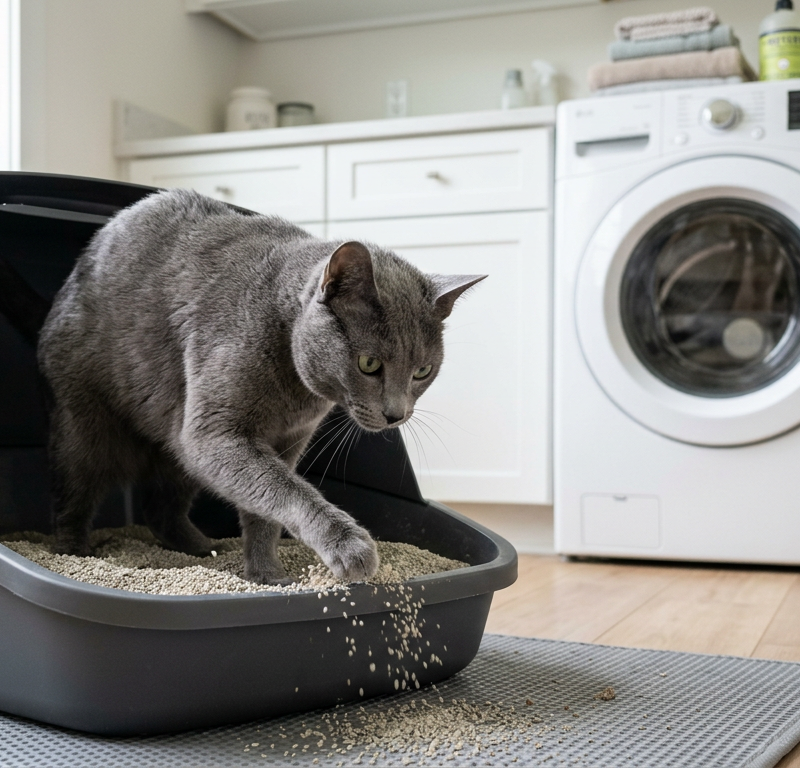
Watching your feline friend interact with their bathroom setup can be a fascinating experience. While some cats are "scratch and go" types, others seem to take a deep interest in their housekeeping duties. If you have noticed your cat covering poop excessively in litter box, you might be wondering if this is a sign of intelligence, an instinctual drive, or perhaps a quirk in their personality.
Most pet parents are used to the sound of a few quick scratches, but when the digging and covering continue for several minutes, it catches your attention. This behavior is deeply rooted in feline history and serves several functions in the wild. By understanding why your cat is so meticulous about their business, you can better support their natural instincts and ensure their home environment feels safe.
In this guide, we will explore the genetic reasons behind this behavior, environmental factors that might trigger extra digging, and when you should consult a professional about your cat's wellness considerations. Understanding these habits helps build a stronger bond between you and your companion.
The Ancestral Instinct Behind Meticulous Covering
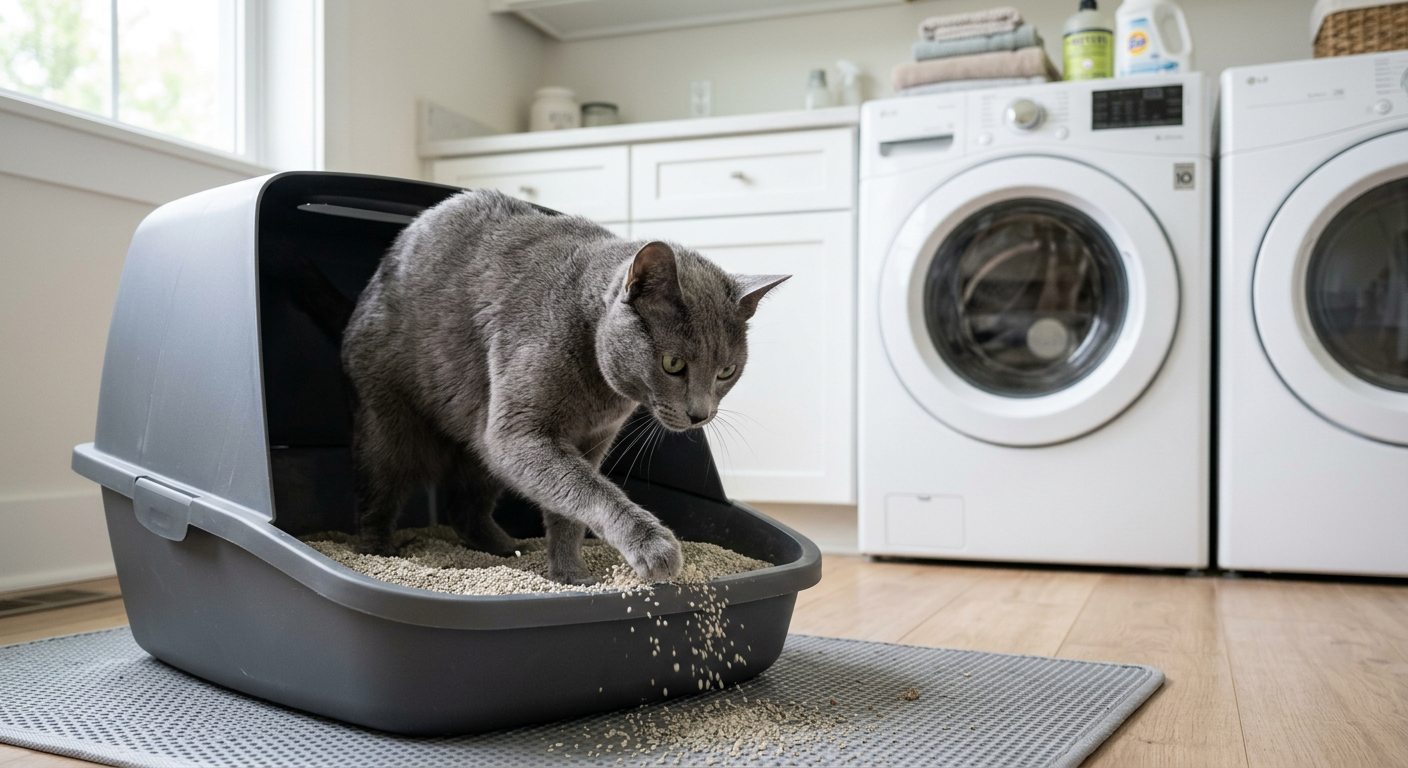
To understand why your cat is covering poop excessively in litter box, we have to look back at their ancestors. In the wild, cats are both hunters and prey. Leaving waste exposed is essentially leaving a biological calling card for larger predators or rival felines. By burying their scent, cats are practicing a form of tactical concealment.
This "stealth mode" isn't just about hiding from danger; it is also about social hierarchy. Dominant cats in a colony might leave their waste uncovered to mark territory. Subordinate cats, however, are very careful to bury their waste to avoid challenging the leader. If your cat is a thorough burier, they are likely displaying a desire for peace and security within the home.
Safety Through Scent Control
Even though your living room is safe from leopards, your cat's brain is still wired for the savannah. The act of burying is an attempt to neutralize odors that could signal their presence. When a cat spends extra time covering, they are often just trying to be as thorough as possible to feel secure in their territory.
Environmental Triggers for Excessive Digging
Sometimes, the behavior isn't just about instinct; it’s about the environment you’ve provided. If the litter box isn't quite right, your cat might feel the need to work harder to get the job done. Changes in the home can also lead to an increase in these behaviors as the cat seeks to maintain their established routine.
- Litter Type: If the texture of the litter is difficult to move, your cat may dig longer to feel like they have achieved a "proper" cover.
- Box Size: A box that is too small might make it difficult for the cat to turn around, leading to repetitive scratching against the sides of the plastic.
- Multiple Pets: In homes with several animals, a cat might feel the need to be extra cautious about hiding their scent from others.
If you have recently added a new pet, you might notice your original cat becoming more diligent about their bathroom habits. You can learn more about managing these shifts in our guide to understanding litter box habits and changes in cats.
Evaluating the Litter and Box Setup
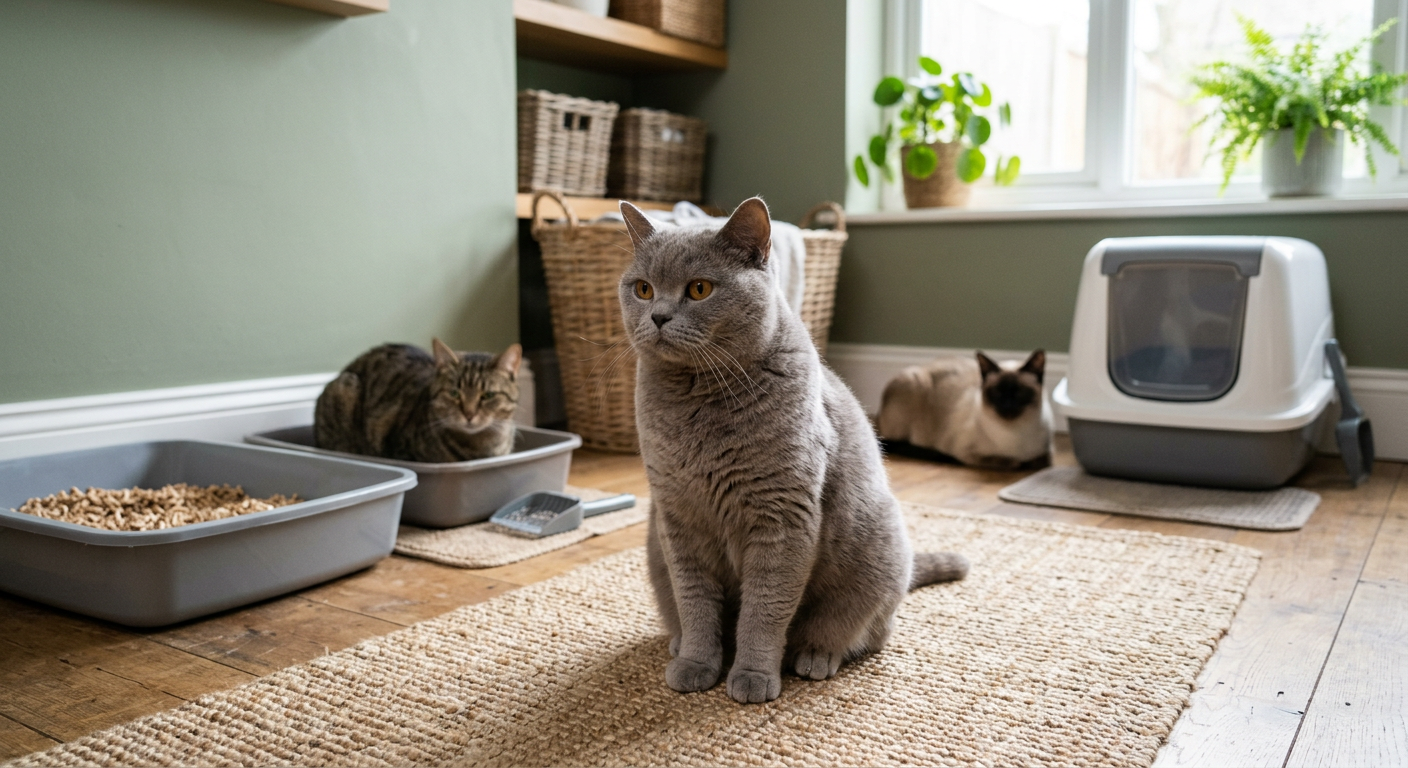
When a cat spends a significant amount of time scratching at the sides of the box or moving large amounts of litter, they might be communicating a preference. If the litter is too shallow, they will keep digging in a frustrated attempt to find enough material to cover the waste. Aim for a depth of about 2-3 inches to provide ample material for their natural behaviors.
The material itself matters too. Cats generally prefer fine-grained, sandy textures because they are easiest to manipulate. If you use a coarse or pellet-style litter, your cat might have to work harder to achieve the coverage they desire. This extra effort can look like excessive behavior when it is actually just a response to the tools they have been given.
Placement and Privacy
Is the litter box in a high-traffic area? A cat who feels exposed while doing their business may spend more time "cleaning up" afterward to ensure no one notices they were there. Moving the box to a quieter corner can often lead to a more relaxed and efficient bathroom routine. If your cat is also scratching the floor nearby, check out our article on why does my cat scratch outside the litter box for more context.
When Scratching Becomes a Wellness Consideration
While most excessive covering is perfectly normal, there are times when it might warrant a conversation with your veterinarian. If the behavior starts suddenly or is accompanied by other changes, it’s worth investigating. For instance, if a cat is experiencing discomfort, they may linger in the box longer than usual, which can be mistaken for digging or covering.
Keep an eye out for signs of straining or frequent trips to the box. If you notice your cat is producing very small amounts of urine frequently, you should read about cats peeing small amounts every hour to see if a vet visit is necessary. Proactive care is the best way to ensure your feline stays happy and comfortable.
The Role of Boredom and Stress
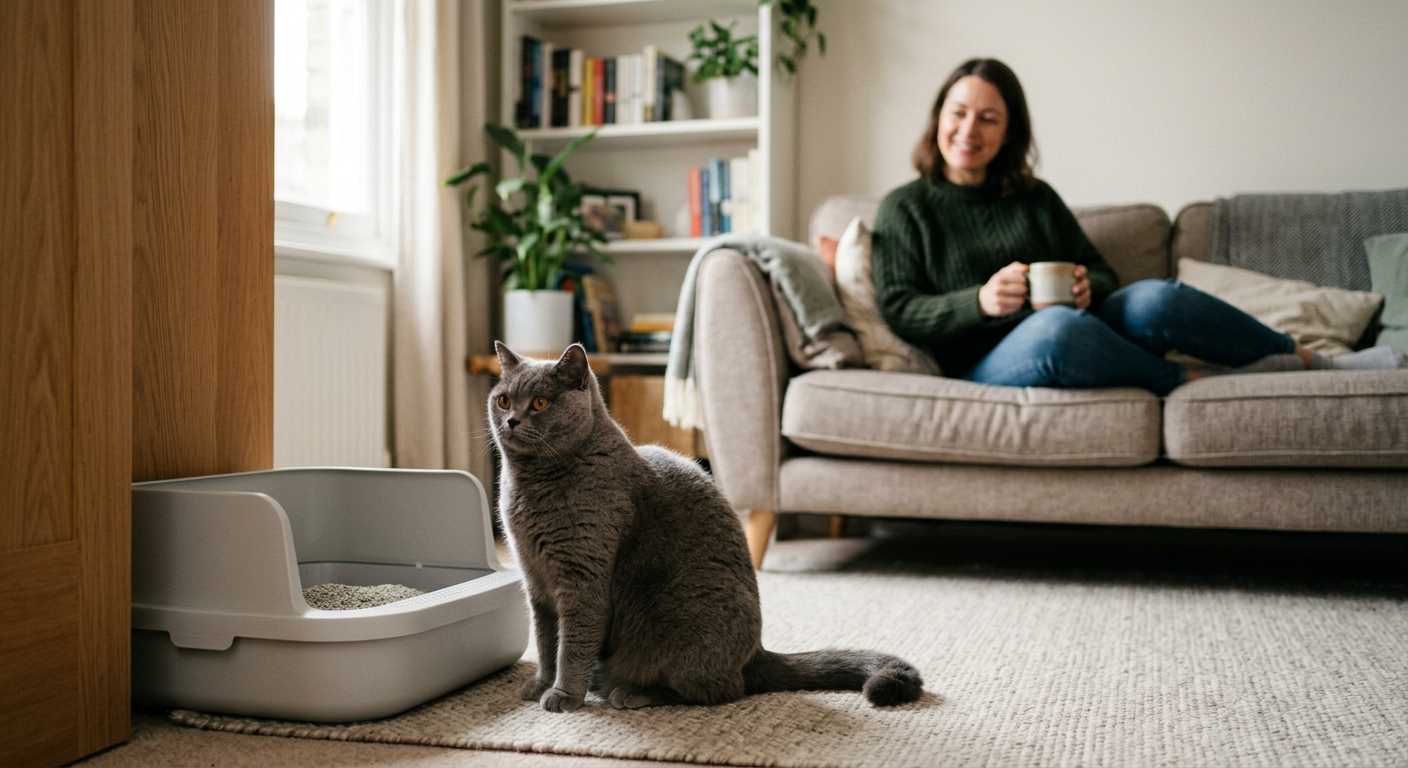
Cats are highly sensitive to stress. When a cat's environment changes—perhaps due to a move or a change in the owner's schedule—they may lean into instinctive behaviors for comfort. The repetitive motion of digging and covering can be a self-soothing mechanism. It provides a sense of control over their immediate environment.
Similarly, indoor cats who lack mental stimulation might turn routine tasks into extended activities. If your cat seems to be "over-performing" in the litter box, consider increasing their playtime. Puzzle feeders, climbing trees, and interactive toys can provide the mental outlet they need so they don't feel the need to focus all their energy on their bathroom duties.
Conclusion
A cat covering poop excessively in litter box is usually just a very diligent housemate following their natural instincts. Whether they are trying to hide from imaginary predators or simply reacting to the texture of their litter, this behavior is a window into their wild heritage. By providing a clean, spacious box and a quiet environment, you help your cat feel secure.
Always remember that you know your pet best. If the behavior seems to stem from frustration or if you notice changes in their health, a quick chat with your veterinarian is always the right move. For most cats, however, being a "professional digger" is just part of their unique charm. If you are curious about your cat's life stage while observing these behaviors, check out our Maine Coon age calculator or similar tools for your specific breed.