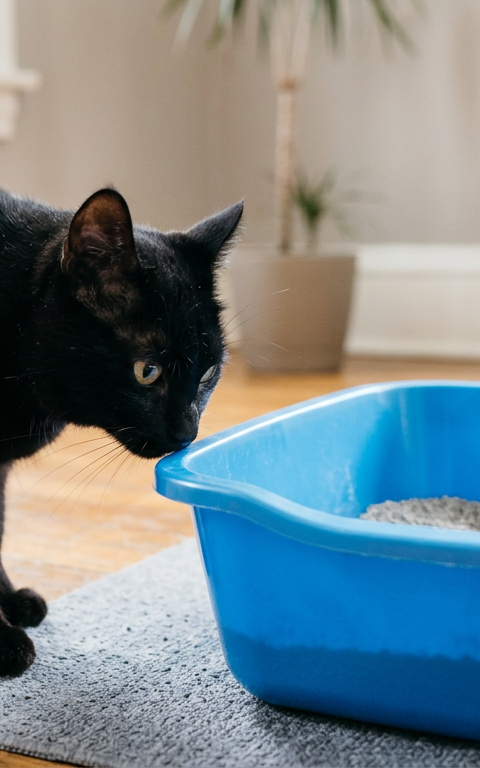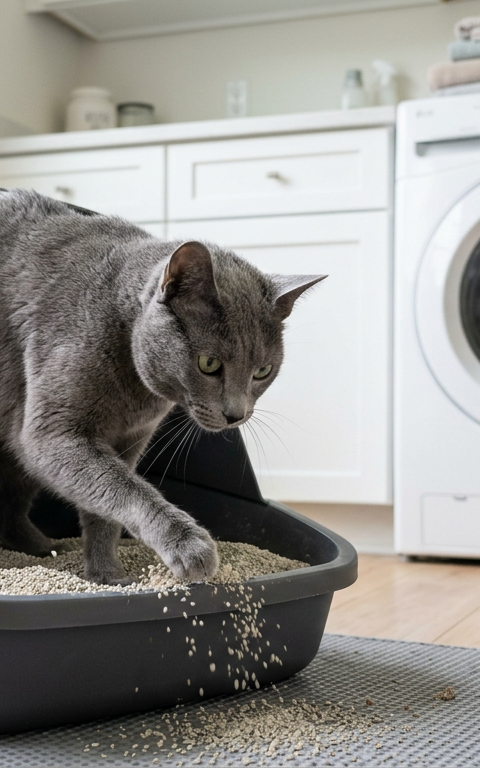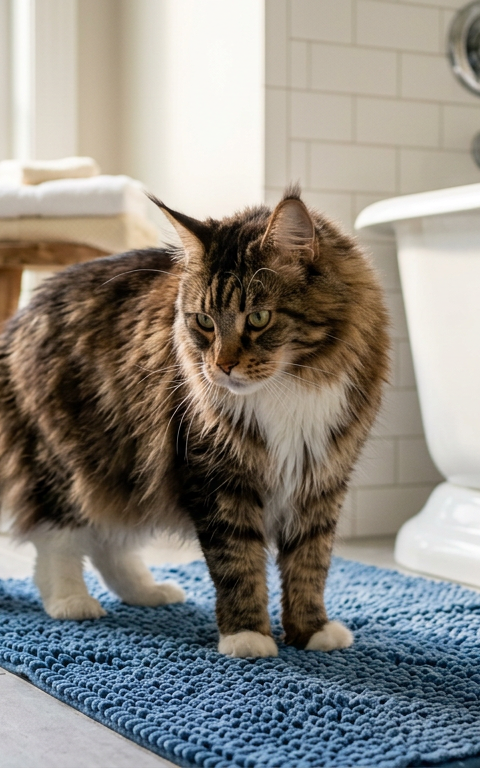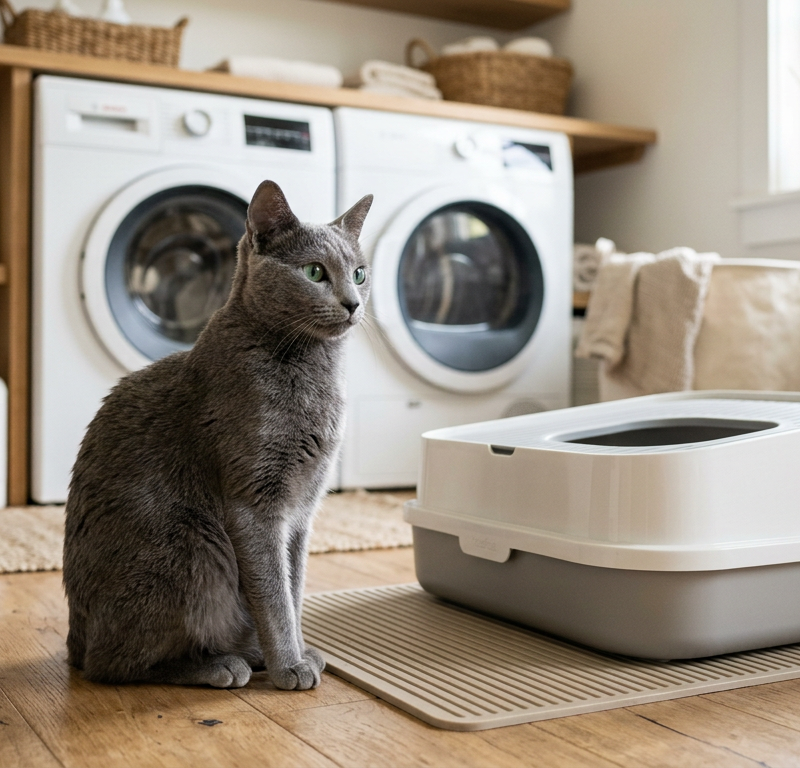
Noticing your cat peeing small amounts every hour can be a confusing and concerning experience for any pet owner. While cats are known for being masters of hiding discomfort, a sudden change in their bathroom habits is one of the clearest ways they communicate that something is shifting in their internal world. When a cat visits the litter box frequently but only produces tiny drops, it is often a sign of feline lower urinary tract disease (FLUTD) or other wellness considerations.
Understanding these patterns early allows you to provide the proactive care your feline friend needs. This frequent urination behavior, scientifically referred to as pollakiuria, is distinct from polyuria, which is the production of large volumes of urine. If your cat is straining or seems restless, it is important to observe their behavior closely and consult with a veterinarian to ensure they remain comfortable and healthy.
Possible Health Considerations for Frequent Urination
When a cat begins making trips to the box every 60 minutes, the body is likely responding to irritation or inflammation. One of the most common causes is Feline Idiopathic Cystitis (FIC). This is a condition where the bladder lining becomes inflamed without an obvious bacterial infection, often triggered by environmental changes or minor stressors.
Urinary tract infections (UTIs), while less common in young cats than in senior cats, can also cause the sensation of needing to go constantly. Bacteria in the bladder can create a persistent urge to urinate, even when the bladder is nearly empty. Another possibility involves the presence of bladder stones or crystals, which can physically irritate the bladder wall and lead to significant discomfort.
The Role of Environmental Stress
Cats are highly sensitive to their environment. A move to a new house, the addition of a new pet, or even a change in your work schedule can lead to stress-induced urinary issues. When a cat feels anxious, their body may release chemicals that impact the protective layer of the bladder, making them feel like they need to pee much more often than usual.
If you have recently added a new puppy to your home, you might notice your feline companion acting out or changing their habits. You can learn more about managing multi-pet households by checking out our breed comparison guides to understand different animal temperaments. Providing a quiet, safe space for your cat can often help mitigate stress-related litter box changes.
Recognizing the Signs of Discomfort
It is helpful to distinguish between frequent small drops and a total inability to urinate. If your cat is visiting the box every hour and producing small amounts, they are passing urine. However, if they are straining and nothing is coming out, this is a medical emergency that requires immediate veterinary intervention, particularly in male cats.
Watch for these specific behaviors during their frequent visits:
- Vocalizing (meowing or crying) while in the litter box.
- Excessive licking of the genital area after attempting to pee.
- Urinating in unusual spots, such as on cool tile or laundry.
- Blood visible in the small amounts of urine produced.
- Restlessness or pacing between the litter box and other rooms.
Behavioral vs Medical Urination
While most cases of a cat peeing small amounts every hour are medical, sometimes behavioral marking can look similar. Marking is usually done on vertical surfaces and involves the cat backing up to an object. If the cat is squatting in the litter box or on the floor to release tiny drops, it is much more likely to be a physical wellness issue rather than a territorial display.
Diagnostic Steps with Your Veterinarian
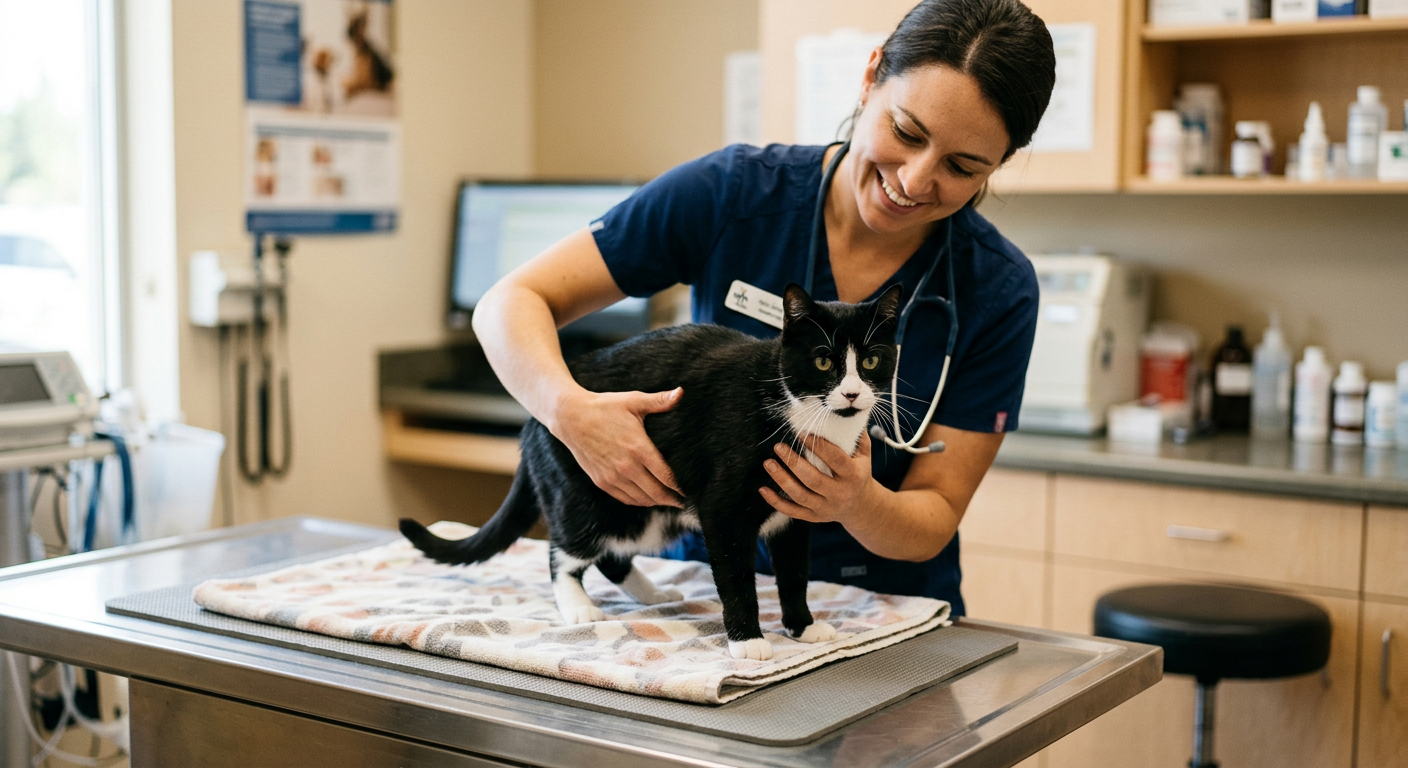
When you visit the vet, they will likely start with a physical exam and a urinalysis. This test checks for the presence of blood, protein, glucose, and bacteria. It also measures the concentration of the urine to see how well the kidneys are functioning. For older cats, understanding their age in human years can help put these health changes into perspective; you can use our Maine Coon age calculator or similar tools for other breeds to track their life stages.
Your vet may also recommend an ultrasound or an X-ray. These imaging tools allow the doctor to look for bladder stones or structural abnormalities that wouldn't show up in a standard urine test. Identifying the root cause is the first step toward a personalized care plan that gets your cat back to their normal, happy self.
Managing the Condition at Home
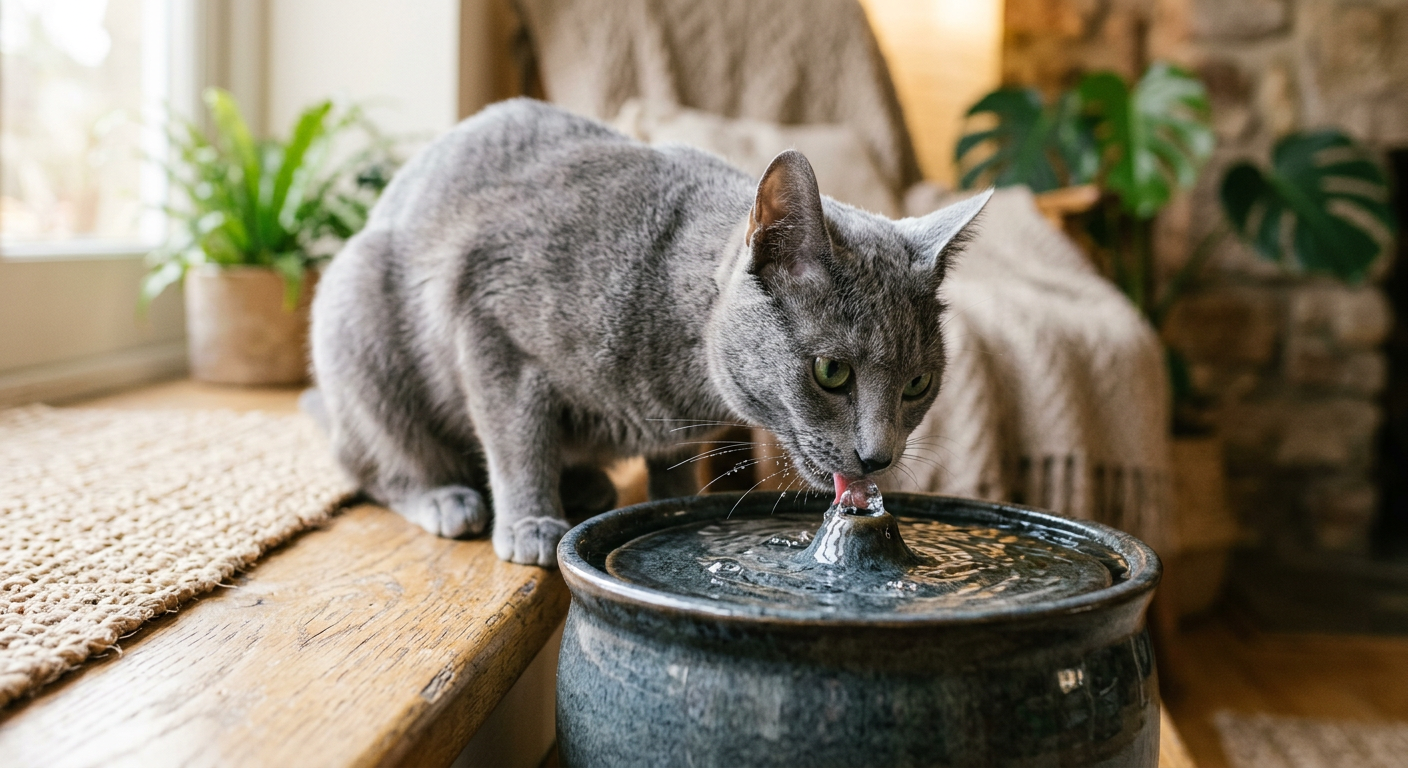
Hydration is one of the most effective ways to support a cat's urinary health. Increasing water intake helps dilute the urine, making it less irritating to the bladder lining. You can encourage your cat to drink more by:
- Switching from dry kibble to high-quality wet food.
- Adding a pet water fountain to provide moving water.
- Placing multiple water bowls in different locations around the house.
- Adding a teaspoon of water or tuna juice (no salt) to their meals.
Supporting Long Term Urinary Wellness
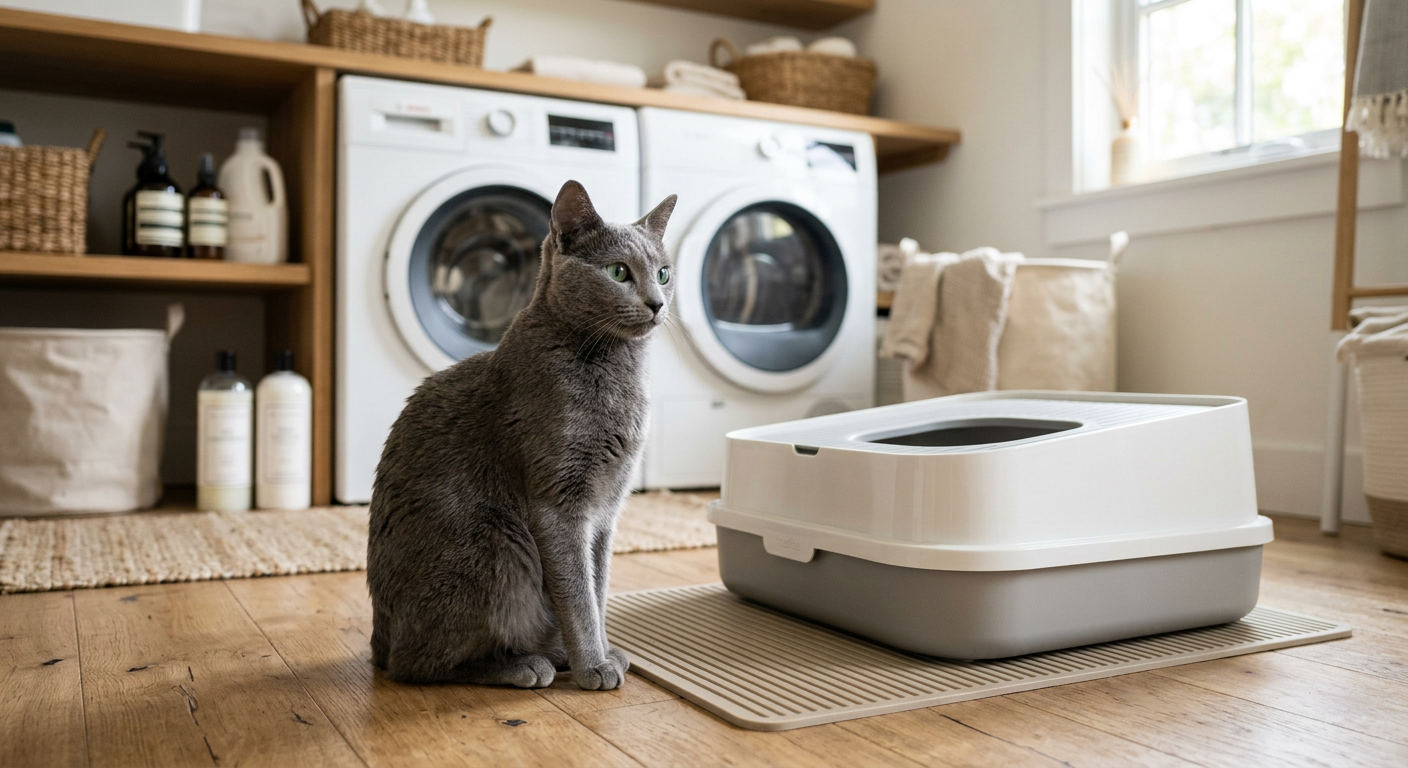
Once the immediate issue is addressed, focus on long-term prevention. Maintaining a clean litter box is essential, as cats may hold their urine if the box is dirty, which can exacerbate bladder issues. For more tips on maintaining healthy bathroom environments, read our guide on understanding litter box habits and changes in cats.
Dietary management often plays a huge role in preventing a recurrence. Some cats benefit from specialized urinary diets that control mineral levels to prevent crystal formation. Always discuss these dietary shifts with your veterinarian to ensure the food meets all of your cat's specific nutritional needs based on their age and breed profile.
Reducing environmental stressors is also key. Ensure your cat has "vertical space" like cat trees and plenty of hiding spots. Keeping a consistent routine for feeding and play can provide the stability cats crave. If your cat has started avoiding the box entirely, you might find our article on a cat pooping outside the litter box useful for troubleshooting behavioral shifts.
Conclusion: Helping Your Cat Feel Better
Observing your cat peeing small amounts every hour is a clear signal that they need a little extra help. Whether the cause is stress, a minor infection, or inflammation, early intervention is the best way to ensure a quick recovery. By being proactive with hydration, stress management, and veterinary care, you can help your cat return to their comfortable, playful self and ensure their urinary system remains healthy for years to come.