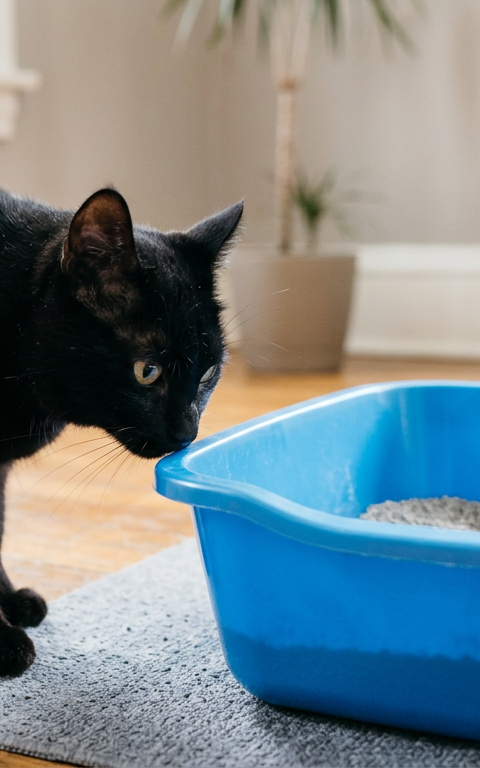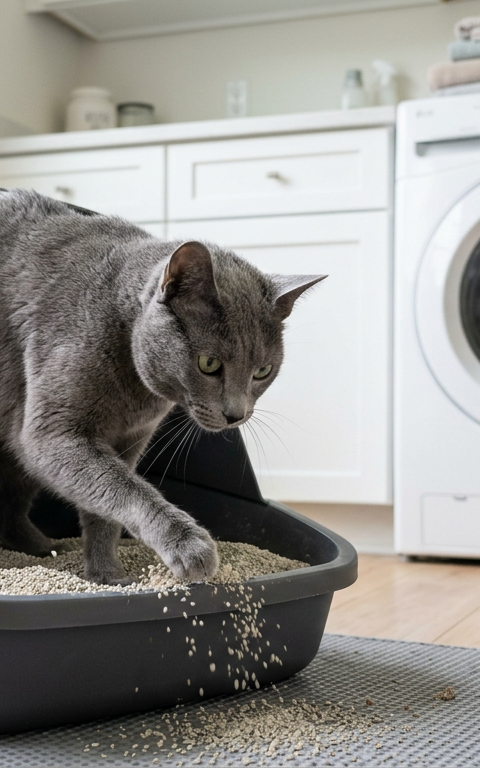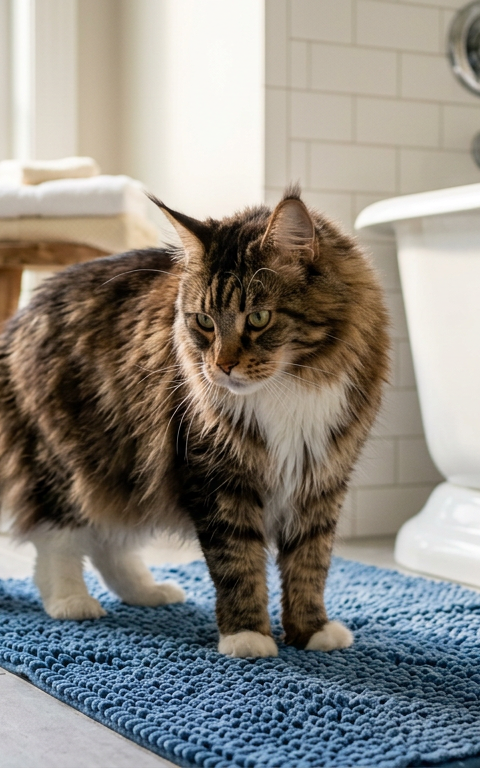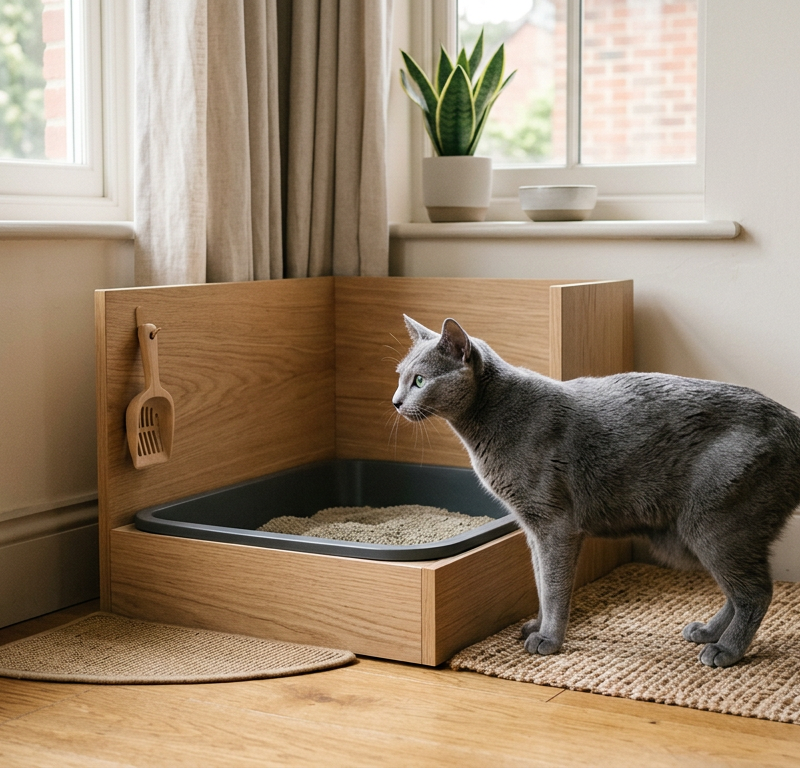
As a cat parent, few things are as central to your daily routine as the litter box. While it might seem like a simple chore, your cat’s bathroom behavior is actually a sophisticated form of communication. Understanding litter box habits and changes in cats is essential for maintaining a happy home and ensuring your feline friend feels their best. When these habits shift, it is often the first sign that your cat is trying to tell you something about their environment or their physical wellness.
Establishing the Foundation of Healthy Litter Box Habits
Every cat has a unique rhythm when it comes to their bathroom needs. Most healthy adult cats will use their box three to five times a day. This frequency is a baseline that helps you identify when something might be different. Establishing a consistent routine allows your cat to feel secure in their territory.
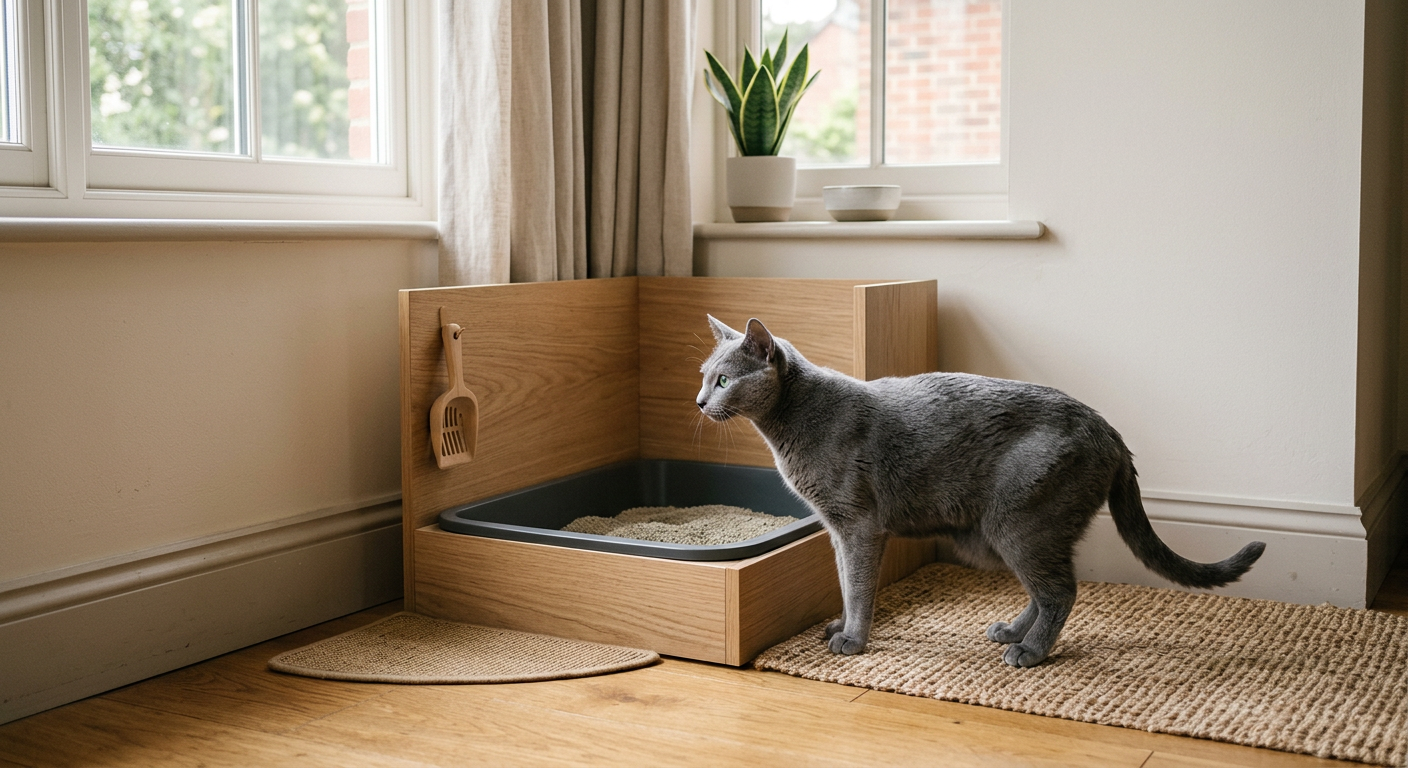
Location is just as important as the box itself. Cats prefer "low-traffic" areas where they won't be interrupted, yet they also need to feel they have an escape route. Tucking a box into a dark, cramped closet might seem like a good way to hide odors, but it can make a cat feel trapped and vulnerable.
The Number of Boxes Matters
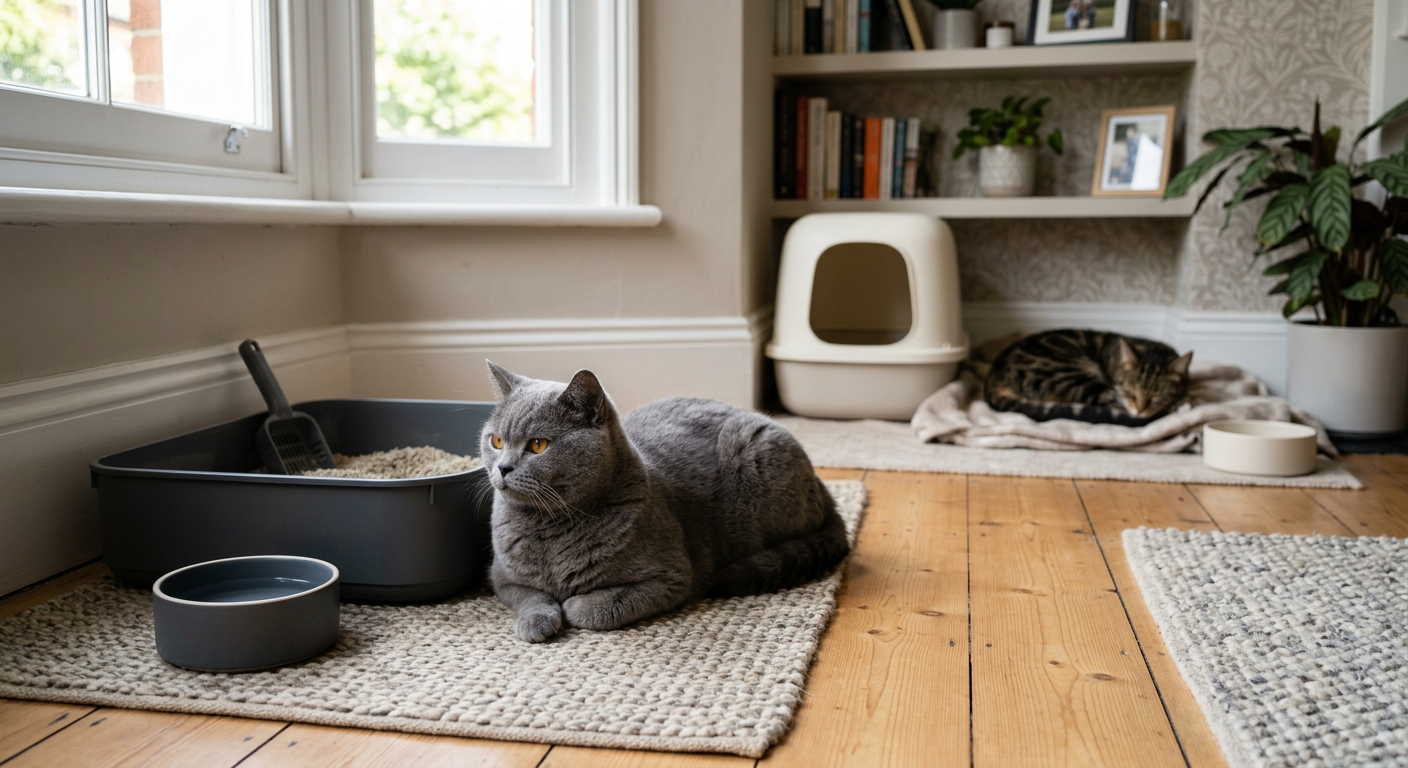
The golden rule for feline households is the N+1 rule. This means you should provide one more litter box than the number of cats you own. If you have two cats, three boxes are ideal. This prevents "guarding" behavior where one cat prevents another from accessing the facilities.
Spacing these boxes out across different floors or ends of the home is also vital. If you put three boxes side-by-side in the laundry room, a cat perceives that as one giant box. Spreading them out ensures that your pet always has a convenient option available regardless of where they are resting.
Why Cats Suddenly Change Their Bathroom Routine
When a cat who has been perfectly trained suddenly begins missing the box, it can feel confusing. However, it is important to remember that cats are creatures of habit. They don't act out of spite; rather, they react to changes in their comfort levels or health status. Understanding litter box habits and changes in cats requires looking at both the physical and the psychological.
Environmental stressors are common culprits for behavioral shifts. A new baby, a move to a fresh home, or even a loud construction project next door can cause enough anxiety to disrupt their patterns. Even something as simple as changing the brand of litter or using a scented spray nearby can make the box less appealing.
Physical Wellness and Litter Box Use
Before assuming a behavior is purely psychological, it is crucial to rule out medical factors. Conditions like urinary tract infections (UTIs), bladder stones, or kidney issues can make urination painful. A cat may associate that pain with the litter box and seek out a "softer" or different surface, like a bath mat or a pile of laundry.
If you notice your cat straining, vocalizing while in the box, or frequenting the box more often than usual, please consult your veterinarian immediately. Early intervention is key to managing feline wellness. You can read more about specific sudden shifts in our guide on cat pooping outside litter box suddenly after years for more detailed insights.
The Impact of Life Stages on Litter Box Behavior
As cats age, their physical capabilities change, and their bathroom habits often reflect these shifts. A kitten has different needs than a senior Maine Coon or a sleek Russian Blue. Monitoring these transitions helps you provide proactive care for your pet.
- Kittens: They have smaller bladders and less impulse control. They need boxes with lower sides that are easy to climb into and out of.
- Adults: This is generally the most stable period, but changes in weight or activity level can affect how they use the box.
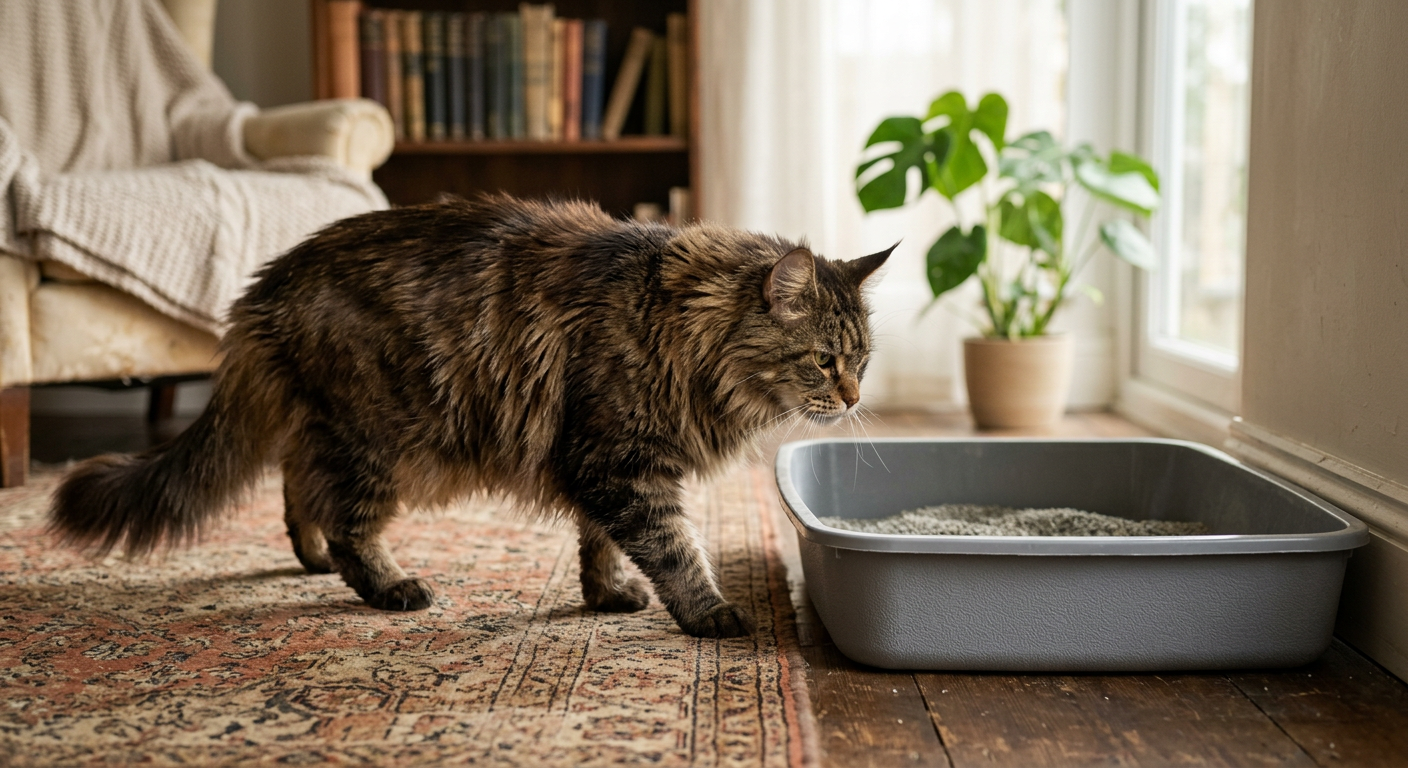
- Seniors: Older cats often develop arthritis. A box with high sides that was fine five years ago might now be painful to step over. Large, shallow storage bins can make excellent senior-friendly litter boxes.
Managing the Senior Transition
For senior cats, accessibility is everything. If your older cat spends most of their time on the second floor but the only litter box is in the basement, they may have accidents simply because the journey is too difficult. Adding a box to every level of the home is a kind gesture for an aging feline.
Cognitive changes can also play a role in late-life bathroom shifts. Some senior cats may experience confusion or forget where the box is located. Keeping the environment consistent and the boxes in visible, easy-to-reach locations can help mitigate these challenges as they enter their golden years.
Fine-Tuning the Litter Box Environment
Sometimes, the issue isn't the cat's health or the location, but the "substrate" or the box itself. Cats have very sensitive paws and an incredibly strong sense of smell. What smells "mountain fresh" to us might be overwhelming and chemical to a cat.
There are several types of litter to consider:
- Clumping Clay: The most common, liked by many cats for its soft texture, but can be dusty.
- Silica Gel: Great for odor control, but the "crunchy" texture isn't for every cat.
- Natural Fibers (Pine, Corn, Wheat): Environmentally friendly and often low-dust, but some cats dislike the natural scent.
- Non-Clumping Clay: Often cheaper, but requires more frequent full-box cleanings to manage odors.
If you are planning to switch litters, do it gradually. Mix a little of the new litter into the old over the course of a week. This "bridge" allows your cat to get used to the new texture and scent without being startled by a sudden change in their sanctuary.
Social Dynamics and Multiple Cat Households
In a home with multiple felines, the litter box is more than just a bathroom; it’s a topographical landmark. Cats are territorial, and even if they get along well, they still require their own space. Competition for resources is a leading cause of behavioral changes in cats regarding their litter habits.
If you notice one cat waiting outside the door while another uses the box, or if a cat seems to "bolt" out of the box after finishing, there may be social tension. Providing multiple exits and ensuring that boxes aren't placed in "dead-end" hallways can help alleviate this stress. It allows each cat to feel they can finish their business and exit safely without a confrontation.
The Importance of Cleanliness
A cat's nose is roughly 14 times stronger than a human's. If the box smells slightly off to you, it likely smells unbearable to them. Most cats prefer the box to be scooped at least once daily, with a full scrub-down and litter replacement every 2-4 weeks.
Avoid using harsh chemicals or bleach when cleaning the litter pan, as the lingering scent can be off-putting. Warm water and a mild, unscented soap are usually sufficient. Keeping the area around the box clean is also helpful, as many cats dislike stepping on stray litter granules (tracking) when they approach their bathroom area.
Understanding Litter Box Habits and Changes in Cats for Long-Term Wellness
Ultimately, your cat’s litter box usage is a window into their overall well-being. By paying close attention to their routine, you can catch potential health issues early and ensure their home environment remains a place of comfort rather than stress. Whether you are caring for a tiny kitten or a dignified senior, your observation is their best defense.
If you have recently added a new breed to your family and are wondering how their size might affect their needs, consider using our Maine Coon age calculator to see where they are in their life stage. Knowing their biological age helps you tailor their environment to their specific needs. Understanding litter box habits and changes in cats is a journey of patience and observation, but the reward is a deeper bond with your feline companion.
Remember that while most changes can be managed with environment tweaks, your veterinarian is your best partner in feline health. Don't hesitate to reach out to them if you notice persisting changes in behavior, as proactive care is the foundation of a long, healthy life for your cat.