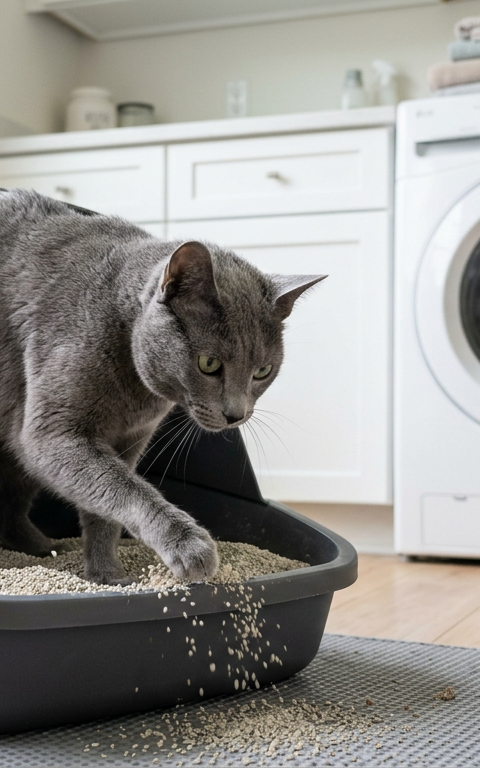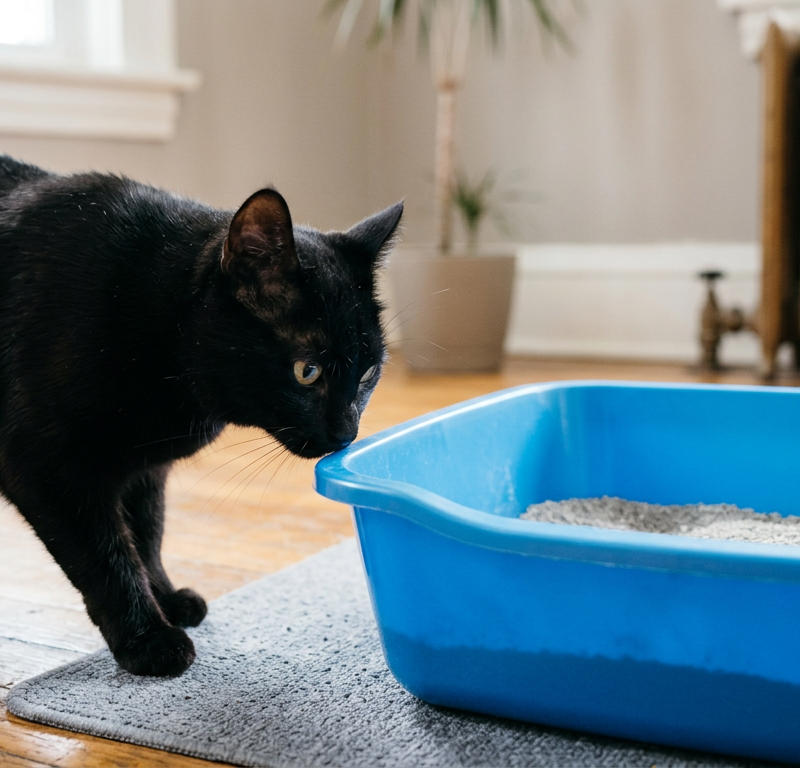
It is a common scene for many pet owners: you spend time scrubbing, rinsing, and refilling the litter tray, expecting your feline friend to appreciate the fresh environment. However, you might find your cat avoiding litter box after cleaning it instead. This behavior can be confusing, especially when you are trying your best to maintain a hygienic home.
Understanding why your cat suddenly seems hesitant to step into their freshly scrubbed box requires looking at the world through a feline lens. Cats are highly sensitive to scents, textures, and changes in their environment. What we perceive as "clean" might actually be overwhelming or even repellent to a cat's sophisticated nose. By identifying the specific triggers, you can create a bathroom setup that both you and your pet will love.
Scent Sensitivity and Strong Cleaners
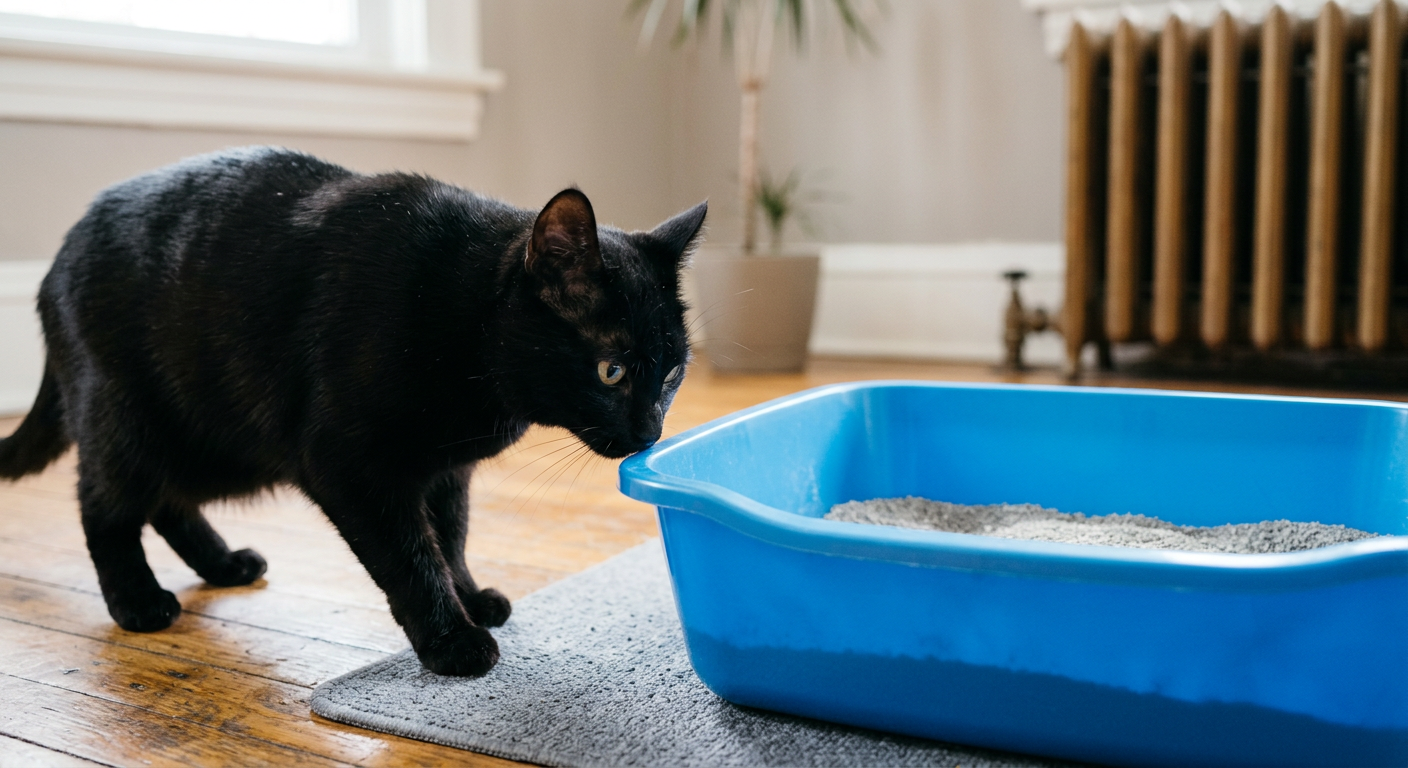
The most common reason for a cat avoiding litter box after cleaning it is the presence of strong chemical odors. Many household cleaners contain ammonia, citrus, or bleach, which are incredibly potent to a cat. If the box smells like a laboratory rather than a neutral territory, your cat may choose to go elsewhere.
Cats use scent to mark their territory and feel secure. When you strip away all familiar smells and replace them with a "lemon-fresh" chemical scent, the box no longer feels like theirs. It becomes a foreign object in their home. Using enzymatic cleaners or mild, unscented dish soap is often a much better approach for feline sensitivity.
The Problem with Fragranced Litters
Sometimes the issue isn't the cleaner, but the new litter itself. If you decide to switch to a scented variety during a deep clean, the sudden change can be jarring. Many cats prefer the smell of plain clay or natural substrates over artificial floral or "mountain spring" perfumes.
Rinsing Techniques Matter
Even if you use a safe cleaner, residue can be an issue. If the plastic isn't rinsed thoroughly, the dried film of soap can irritate a cat's paws. Always ensure the box is completely dry and free of any soapy bubbles before adding fresh litter. A lingering damp smell can also be off-putting for some fastidious felines.
Changes in Litter Texture or Depth
During a deep clean, it is tempting to try a new brand of litter or change how much you put in the box. However, cats are creatures of habit. If the new material feels different under their paws—perhaps it is coarser or more dusty—they might avoid stepping onto it entirely.
The depth of the litter also plays a significant role in their comfort. Some cats like to dig deep, while others prefer a shallow layer. If you have accidentally doubled the amount of litter after cleaning, the unstable footing might make your cat feel insecure. Consistency is key to maintaining good habits.
If you are noticing other changes in their bathroom behavior, such as a cat peeing small amounts every hour, it is important to consult your veterinarian to rule out wellness concerns like UTIs, which might be coincidental to the cleaning schedule.
The Impact of Box Placement and Style
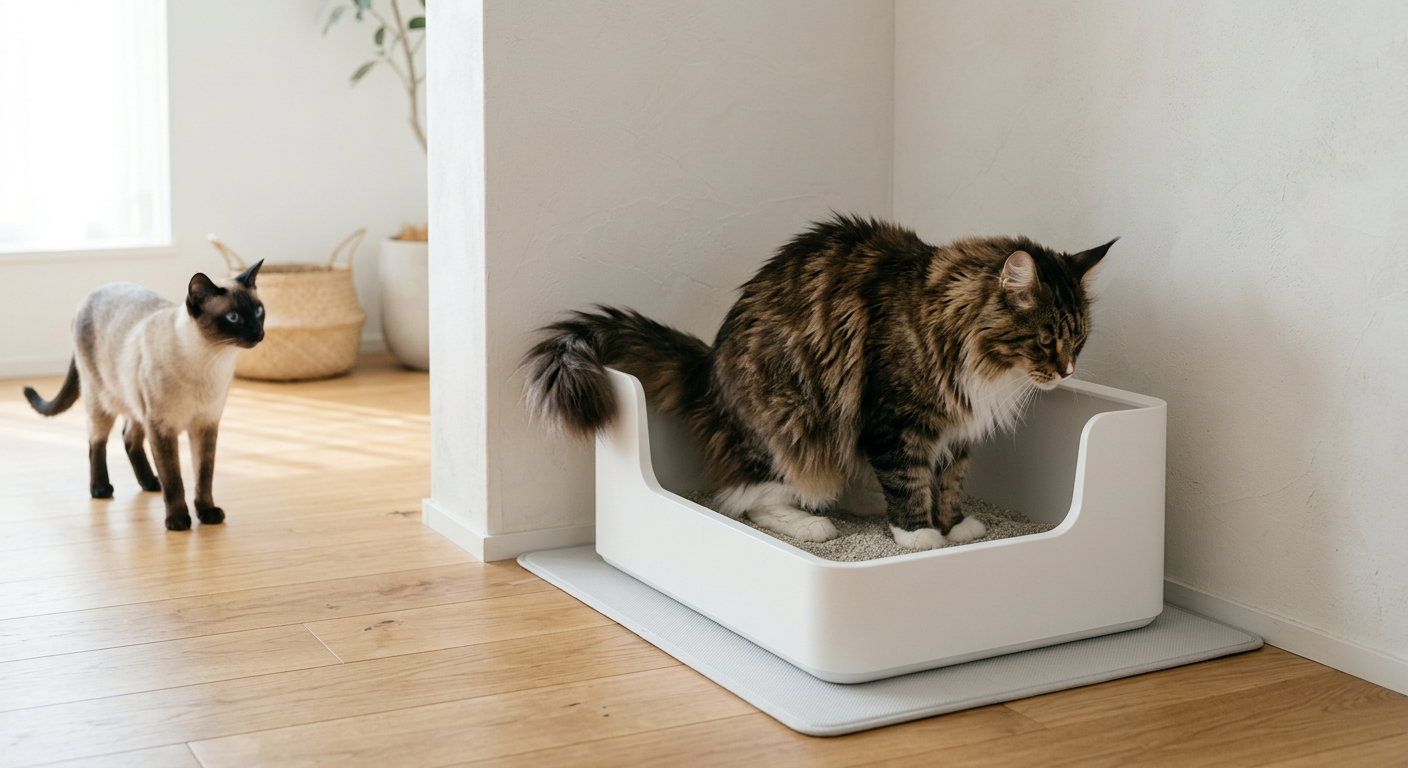
Sometimes, the act of cleaning involves moving the box to a different spot, even if only by a few inches. For a sensitive cat, this shift can be enough to cause hesitation. If you moved the box to a laundry room or a high-traffic area during the cleaning process and didn't put it back exactly where it was, your cat might feel exposed.
Consider the following factors when resetting your cat's bathroom area:
- Ensure the box is in a quiet, low-traffic location.
- Keep the box away from loud appliances like washing machines.
- Provide multiple exit routes so the cat doesn't feel trapped.
- Maintain the same orientation (which way the entrance faces).
Negative Associations and Timing
Cats are excellent at forming associations. If your cat was startled by a loud noise while you were cleaning the box, or if they were cornered for a medical treatment right after using it, they might link the "freshly cleaned box" with a negative experience. This is known as a learned aversion.
To help rebuild a positive association, try offering a small treat near the box once it is clean. This encourages them to approach the area without fear. You can also learn more about understanding litter box habits and changes in cats to see if there are broader behavioral patterns at play.
Is the Box Worn Out?
Plastic is porous. Over time, old litter boxes develop tiny scratches from claws and scoops. These scratches can trap bacteria and odors that a deep clean simply cannot reach. If your box is several years old, the "clean" smell you perceive might still be masking deep-seated odors that your cat finds unpleasant. In these cases, replacing the box entirely might be the best solution.
How to Encourage Your Cat Back to the Box
If your cat has started avoiding the tray, don't panic. There are several proactive steps you can take to make the environment inviting again. Start by ensuring you are using a non-scented, feline-friendly cleaning solution. If you recently changed litter brands, consider switching back to the previous one to see if the behavior improves.
Some owners find success by "seeding" the fresh litter. This involves taking a small amount of clean-but-used litter from another box (if you have multiple) and placing it on top of the fresh batch. This subtle scent cue tells the cat, "This is your space, and it is safe to use."
When to Consult a Professional
While environmental factors are often the culprit when a cat avoiding litter box after cleaning it occurs, health should always be a priority. If your cat continues to avoid the box despite your best efforts to make it comfortable, a trip to the vet is necessary. They can check for crystals, inflammation, or other wellness considerations that might make urination painful.
Behavioral changes can also be linked to age. For instance, if you have a senior cat, you might use a Maine Coon age calculator or similar tool to understand their life stage. Older cats may develop arthritis, making it difficult to step over the high walls of a freshly scrubbed, high-sided box.
Creating a Stress-Free Cleaning Routine
To prevent future avoidance, try to make your cleaning routine as predictable and neutral as possible. Use the same mild soap every time and stick to a regular schedule. Cats thrive on routine, and knowing exactly what to expect can reduce the anxiety associated with a clean environment.
Remember that every cat is an individual. What works for a British Shorthair vs Russian Blue might differ based on their unique temperaments and sensory preferences. Pay close attention to your cat's reactions and be willing to adjust your methods to suit their needs.
In conclusion, a cat avoiding litter box after cleaning it is usually expressing a preference for scent neutrality and consistency. By choosing the right cleaners, maintaining familiar textures, and ensuring the box remains a safe sanctuary, you can support your cat's wellness and keep your home harmonious. Always observe your pet closely and reach out to a professional if you notice any persistent changes in their bathroom habits.