As the temperature drops and your home’s heating system kicks into high gear, you might notice white, flaky specks appearing on your feline friend’s coat. If you are asking why does my cat have dandruff in winter, you are certainly not alone. Many pet parents observe this seasonal change in their cat’s skin and coat health around the same time they start feeling the effects of dry indoor air themselves.
Feline dandruff consists of dead skin cells that have shed prematurely or in excess. While a small amount of shedding is natural, a sudden increase during the colder months usually points to environmental shifts. By understanding the underlying reasons for this winter change, you can help your cat maintain a glossy, comfortable coat all year long.
If you have recently noticed other coat changes, such as your cat pulling fur out in clumps stress, it is important to look at the big picture of their wellness. Often, skin health is a reflection of both the environment and internal comfort.
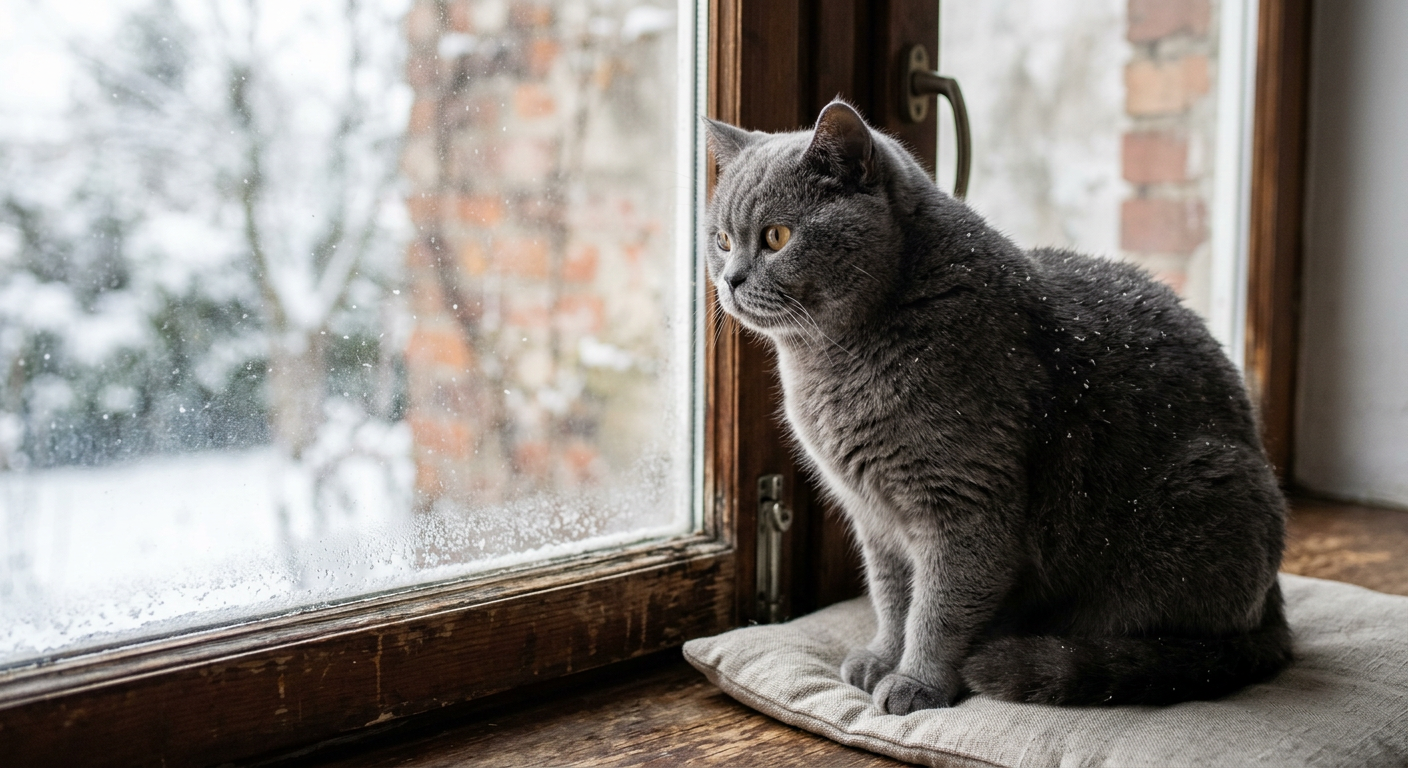
The Primary Causes of Winter Dandruff in Cats
The most common reason for seasonal flakiness is a lack of humidity. When we heat our homes, the air becomes significantly drier, which pulls moisture away from your cat's skin. This can lead to a brittle coat and itching, causing the skin to flake off more noticeably.
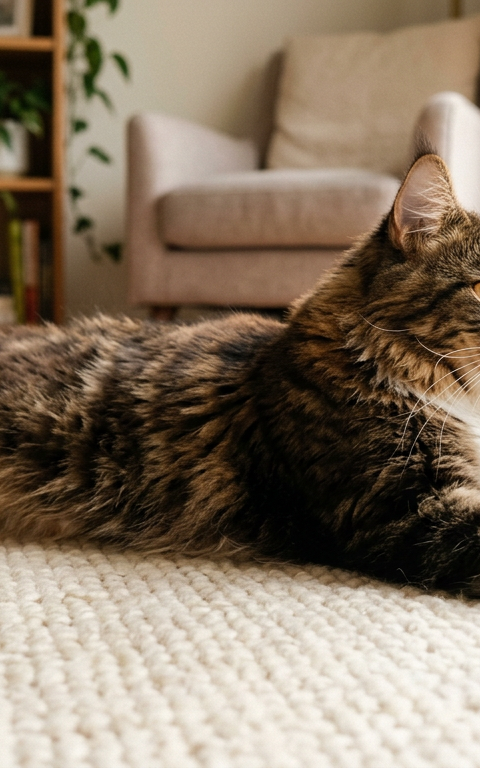
Another factor is a decrease in activity. Cats often spend more time curled up near heat vents or radiators during the winter. Direct exposure to forced air or intense heat sources can cause localized dry patches and accelerate the shedding of skin cells. This is particularly common on the back and near the base of the tail.
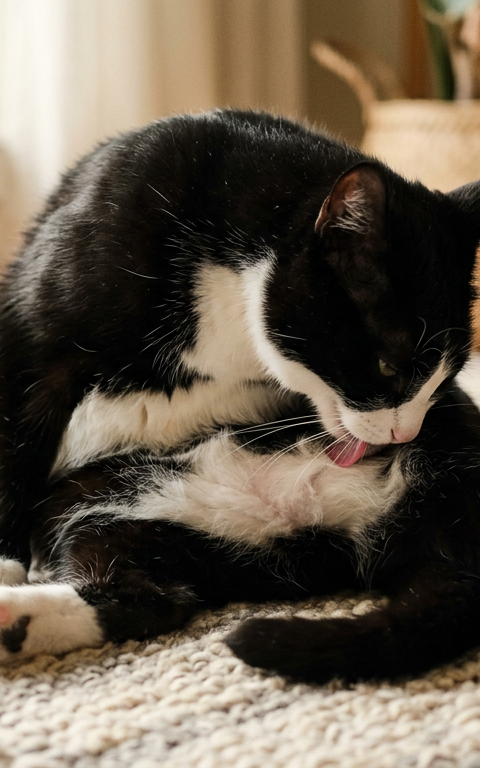
Your cat’s grooming habits might also change during the colder months. If a cat is feeling a bit more lethargic or is a senior cat with stiff joints, they may not reach certain spots as effectively. This allows dead skin and loose hair to accumulate, making dandruff more visible to the naked eye.
The Role of Hydration and Diet
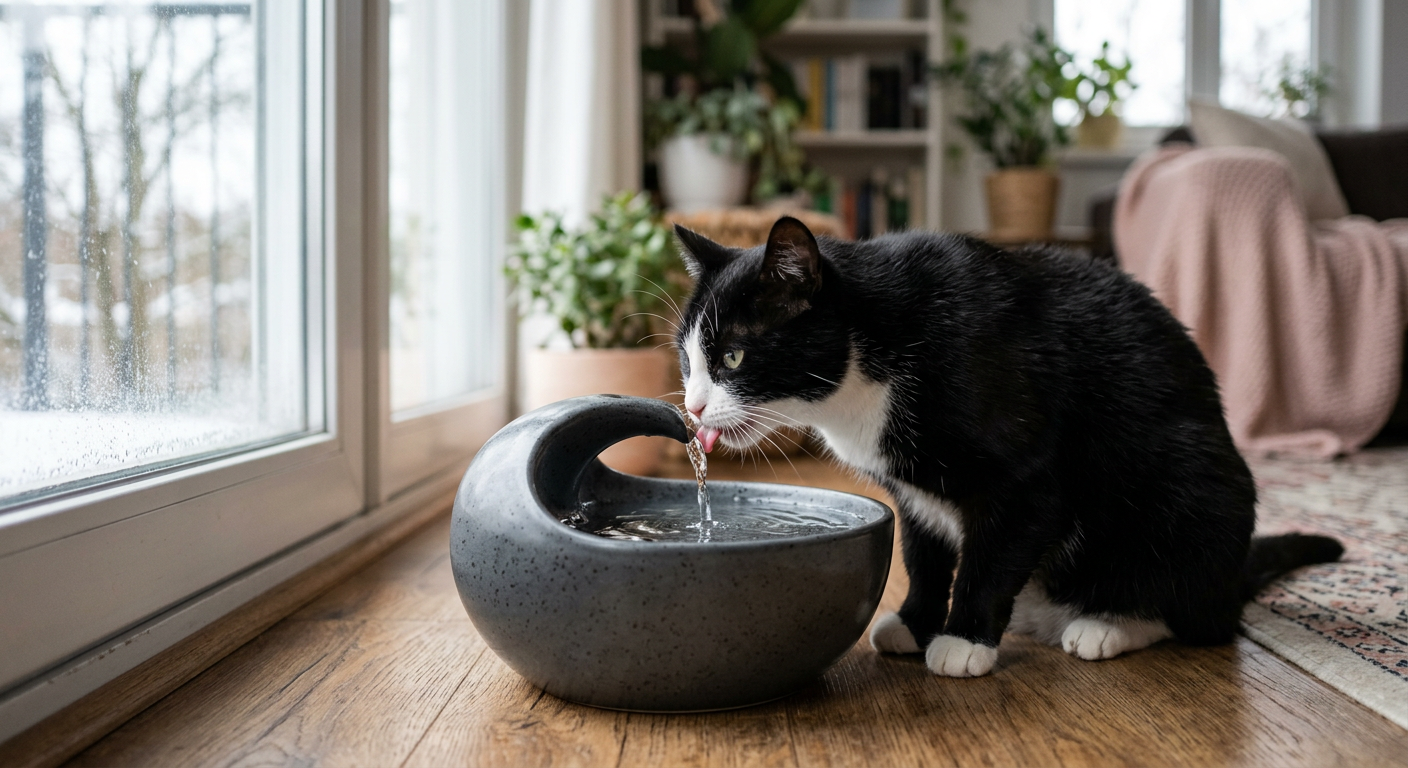
Winter can subtly impact how much water a cat drinks. Cats naturally have a low thirst drive, and if their water bowl is cold or if they are less active, they might consume less fluid. Dehydration often manifests first in the quality of the skin and hair.
Dietary fats are also essential for skin barrier function. Cats require specific Omega-3 and Omega-6 fatty acids to keep their skin supple. During the winter, their bodies may use more energy to stay warm, potentially leaving fewer resources for coat maintenance if their diet isn't optimized for the season.
Distinguishing Dandruff from Dander
It is helpful to distinguish between cat dander and dandruff. Dander is a microscopic combination of skin cells and proteins from saliva that is present on all cats. Dandruff, however, refers to the larger, visible white flakes that sit on top of the fur.
If you see these visible flakes, it is a sign that the skin barrier is struggling. While dander is what usually triggers human allergies, dandruff is an indicator of the cat’s own skin health. Keeping the skin hydrated reduces both, leading to a healthier environment for everyone in the home.
How to Manage Your Cat’s Winter Skin Health
Helping your cat through the dry season involves a multi-pronged approach. You don't necessarily need expensive treatments, but consistency is key. Here are some effective ways to reduce those winter flakes:
- Increase Home Humidity: Using a humidifier in the rooms where your cat spends the most time can significantly improve their skin moisture levels.
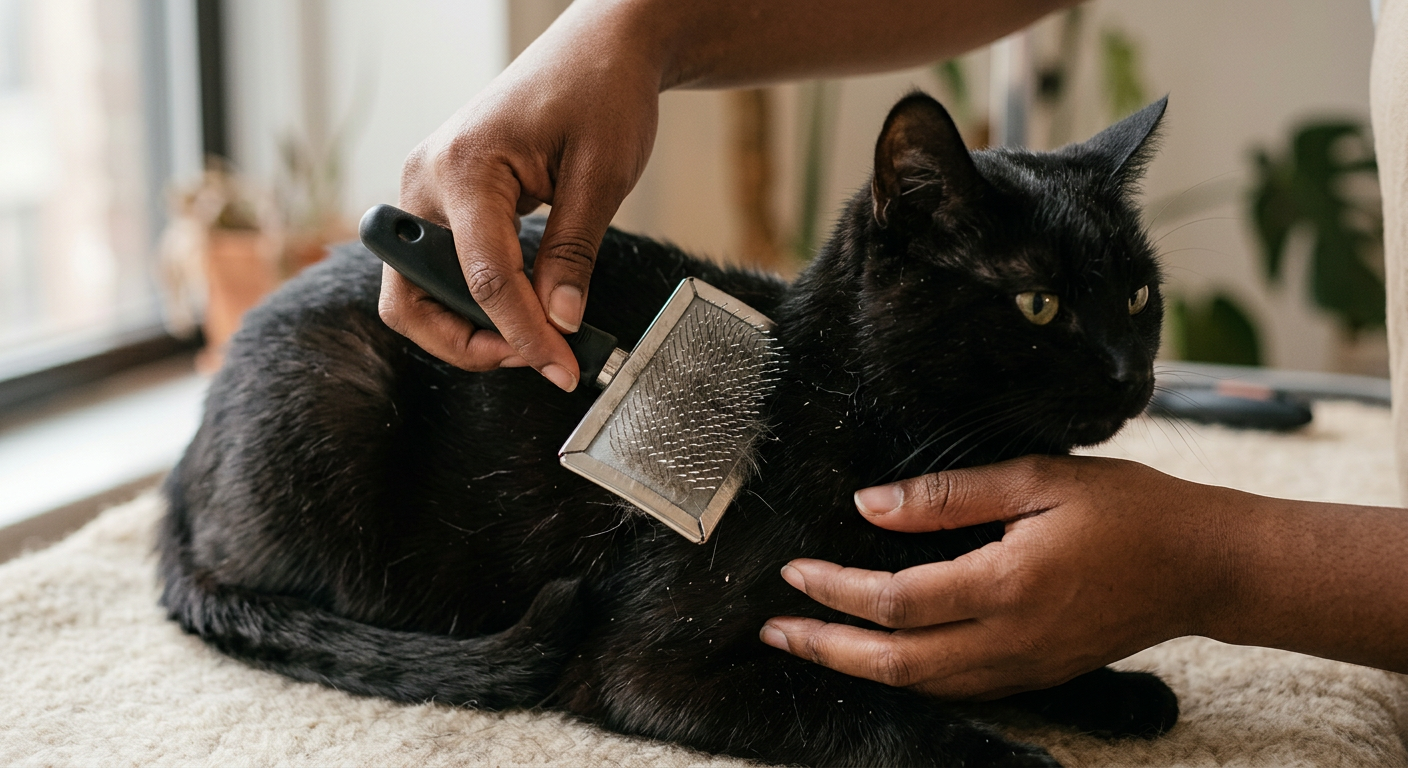
- Regular Brushing: Grooming your cat daily helps distribute natural oils across the skin and removes dead cells before they flake off.
- Water Fountain: Many cats prefer running water. A fountain can encourage more frequent drinking, helping them stay hydrated from the inside out.
- Supplements: Ask your veterinarian about adding a high-quality fish oil supplement to their meals to boost essential fatty acids.
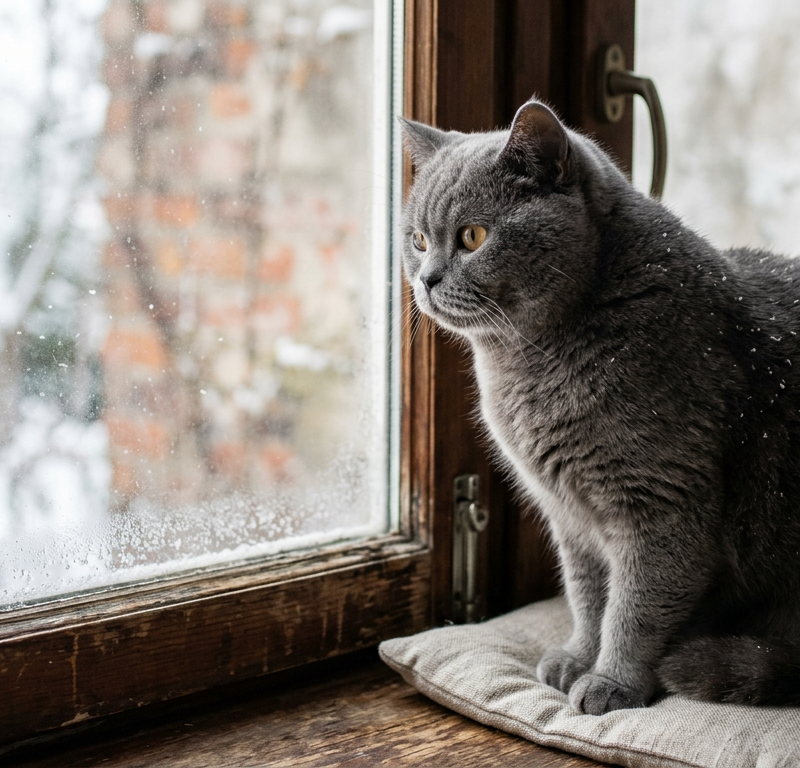
If you have a specific breed, such as a British Shorthair, you might find their dense coat traps more heat, making them slightly more prone to localized dryness. Monitoring the density of the coat during brushing sessions will help you catch dryness early.
Environmental Adjustments for a Flake-Free Winter
Beyond humidity, consider where your cat sleeps. If their favorite bed is directly on top of a heater, try moving it a few feet away. Providing a self-warming bed that uses the cat's own body heat is a safer and less drying alternative to electric heaters or forced-air vents.
You should also be mindful of bathing. While it might be tempting to wash away the flakes, frequent bathing can actually strip the skin of its natural protective oils, making the dandruff worse. If a bath is necessary, always use a moisturizing shampoo specifically formulated for felines.
When to Consult a Veterinarian
While winter dryness is often the culprit, flaky skin can sometimes signal other wellness considerations. If you notice any of the following, it is best to schedule a check-up with your veterinarian:
- Redness or inflammation of the skin underneath the flakes.
- Excessive itching, biting, or over-grooming.
- A foul odor emanating from the skin or ears.
- Patches of hair loss or "stud tail" (excessive oiliness at the base of the tail).
Wellness professionals can rule out parasites like "walking dandruff" mites (Cheyletiella) or fungal infections like ringworm, which can sometimes mimic seasonal dryness. A professional can also run blood work to ensure there are no underlying metabolic issues affecting the coat.
The Connection Between Age and Coat Quality
As cats age, their skin naturally loses some of its elasticity and ability to retain moisture. Senior cats are particularly susceptible to why does my cat have dandruff in winter because they may also struggle with arthritis. If it hurts to reach their back, the skin in that area becomes neglected.
For those living with older companions, like a Maine Coon or a Russian Blue, extra assistance with grooming is a wonderful way to bond and support their health. Using a soft-bristled brush can stimulate blood flow to the skin and make the grooming process a soothing massage for an older cat.
By staying proactive and making small adjustments to your cat's environment and routine, you can ensure they remain comfortable and flake-free. Remember that a little extra moisture—both in the air and in the bowl—can go a long way in resolving why does my cat have dandruff in winter.