As a cat owner, few things are as puzzling as noticing your feline friend has suddenly developed a thin patch of fur or a completely bare patch on their underside. If you have discovered a cat over grooming belly bald spot, you are certainly not alone in this experience. This behavior, often referred to by veterinarians as psychogenic alopecia or over-grooming, is a common way cats respond to various internal and external stimuli.
While grooming is a positive sign of a healthy cat, it becomes a concern when the behavior turns compulsive and leads to hair loss. Understanding the root cause requires a bit of detective work, looking at everything from their environment to their physical health. By observing your cat's habits and consulting with a professional, you can help your pet return to their fluffy, comfortable self.
Identifying the Signs of Over Grooming
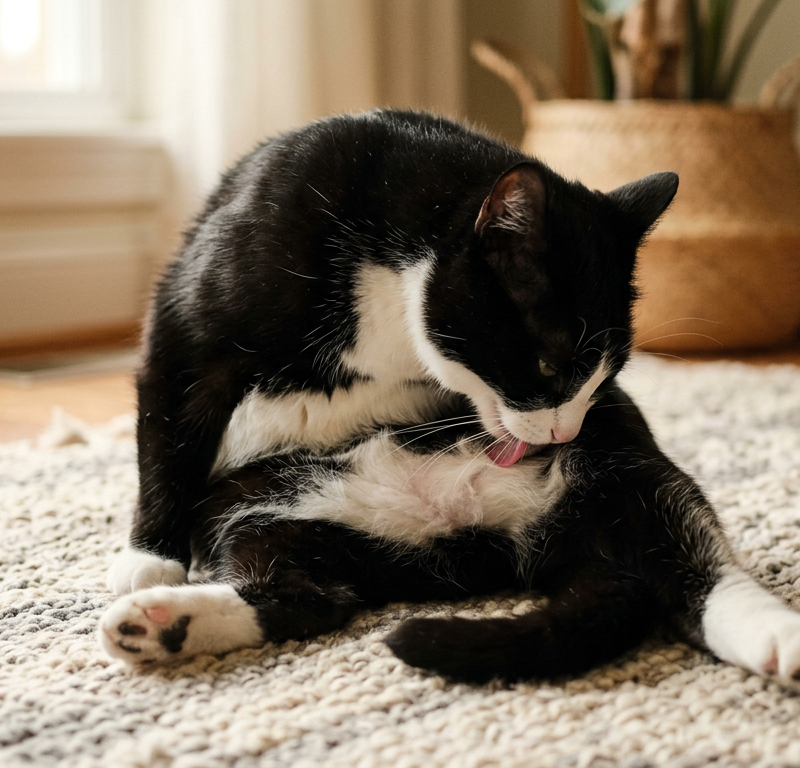
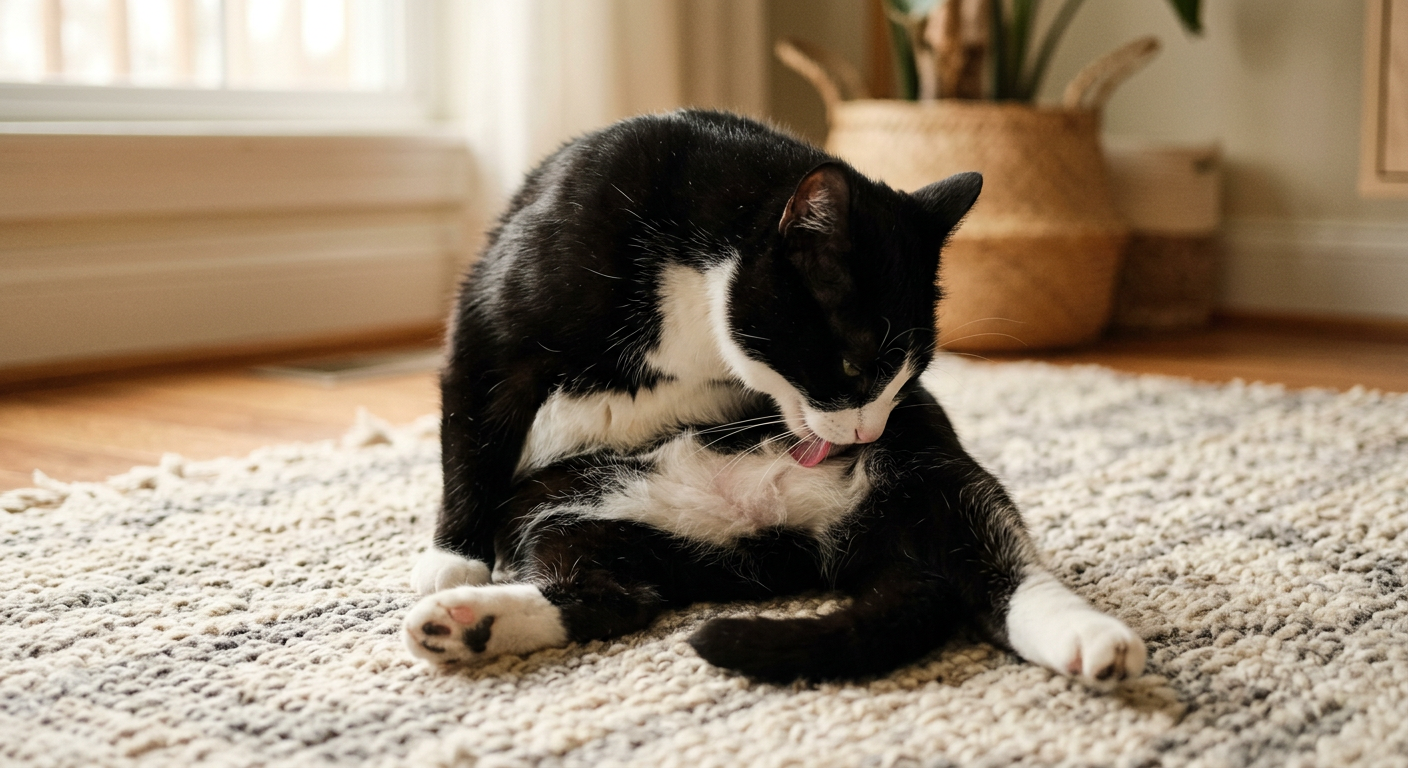
The first step in addressing a bald spot on the belly is confirming that it is actually caused by grooming. Some cats are "closet groomers," meaning they perform the behavior when you aren't watching. You might simply wake up one day to find the fur on their abdomen looks shorter, stubbly, or entirely gone.
When a cat over-grooms, the skin usually appears normal at first—not red or inflamed—though it may become irritated over time. If the skin looks broken or has sores, this could indicate a more intense compulsive behavior or an underlying skin infection. Comparing your cat's history with other skin issues, such as a cat losing hair above eyes in patches, can help you determine if the problem is localized or part of a larger pattern.
The "Velcro" Feel
If you run your hand over the bald area and it feels prickly like sandpaper, those are the broken shafts of hair. This is a clear indicator that the hair isn't falling out on its own but is being licked or bitten off. Cats have tiny barbs on their tongues called papillae, which are incredibly efficient at removing loose fur, but they can also "mow" down healthy fur if used excessively.
Common Physical Causes for Belly Baldness
Before assuming the issue is behavioral, it is essential to rule out physical discomfort. Cats often lick areas that feel itchy, painful, or inflamed. The belly is a sensitive region, and several medical conditions can lead to a cat licking their stomach until it is bare.
Allergies are a primary suspect. Whether it is a reaction to a specific ingredient in their food or environmental triggers like dust mites or pollen, skin irritation often manifests on the underside. Additionally, flea allergy dermatitis is a common culprit; even a single flea bite can cause an intense reaction that leads to frantic grooming.
- Parasites: Fleas, mites, or lice can cause intense localized itching.
- Food Sensitivities: Reactions to proteins or additives often cause skin inflammation.
- Bladder Issues: Sometimes, cats lick their bellies because they feel internal pain from a urinary tract infection or cystitis.
- Joint Pain: Older cats might groom the skin near a joint that is aching from arthritis.
The Role of Pain
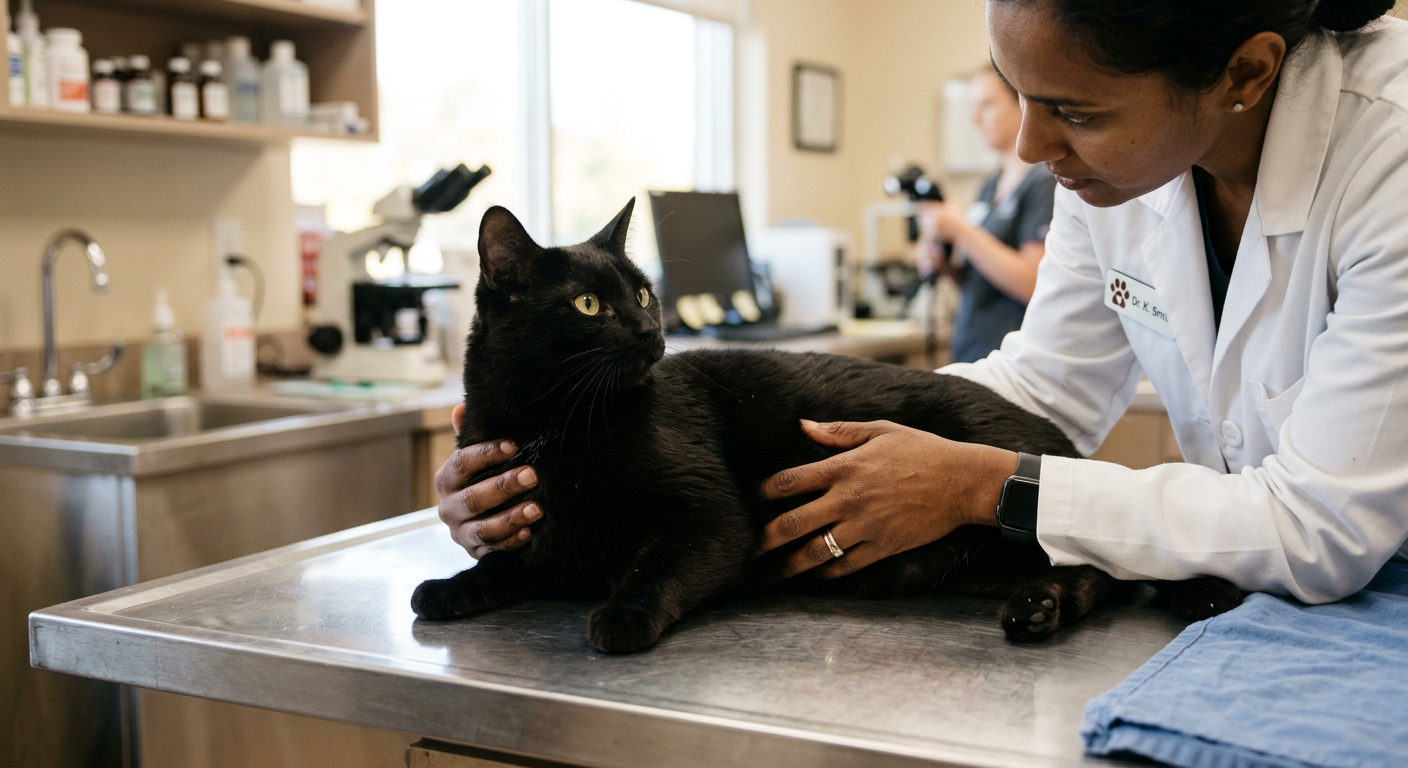
Interestingly, a cat over grooming belly bald spot can sometimes be a sign of referred pain. If a cat has discomfort in their bladder or lower abdominal organs, they may lick the skin directly above the site of the pain as a way to self-soothe. This is why a veterinary check-up is the most important step when you first notice hair loss.
The Psychological Aspect of Over Grooming
If your veterinarian rules out parasites, allergies, and internal pain, the focus shifts to psychogenic alopecia. This is a stress-induced behavior where the cat uses the act of grooming to release endorphins. Much like a human might bite their nails when nervous, a cat grooms to calm themselves down.
Cats are creatures of habit and are highly sensitive to changes in their environment. What might seem like a small change to us can be a significant stressor for them. Many owners find that their cat's grooming habits change when there is a shift in the household dynamic. For more on stress-related grooming, you might explore how a cat pulling fur out in clumps stress response functions.
Environmental Triggers
Common stressors include moving to a new home, the arrival of a new baby or a new pet, or even a change in your work schedule. Sometimes, the stress is more subtle, such as seeing a stray cat through the window or a change in the brand of litter you use. Identifying these triggers is key to helping your cat feel secure again.
Diagnostic Steps at the Vet
When you take your cat to the clinic, the vet will likely perform several tests to get to the bottom of the hair loss. They may start with a "flea comb" test to look for evidence of parasites. Even if you don't see fleas, your cat might be so efficient at grooming that they have licked away the evidence.
Other common diagnostic tools include:
- Skin Scrapings: To look for microscopic mites under a microscope.
- Fungal Cultures: To rule out conditions like ringworm (which can sometimes affect the belly).
- Blood Work: To check for underlying metabolic issues or signs of inflammation.
- Urinalysis: To ensure the grooming isn't a response to urinary tract discomfort.
Creating a Soothing Environment
Once you have addressed any medical concerns, the next step in managing a cat over grooming belly bald spot is environmental enrichment and stress reduction. You want to make your home a sanctuary where your cat feels in control and safe.
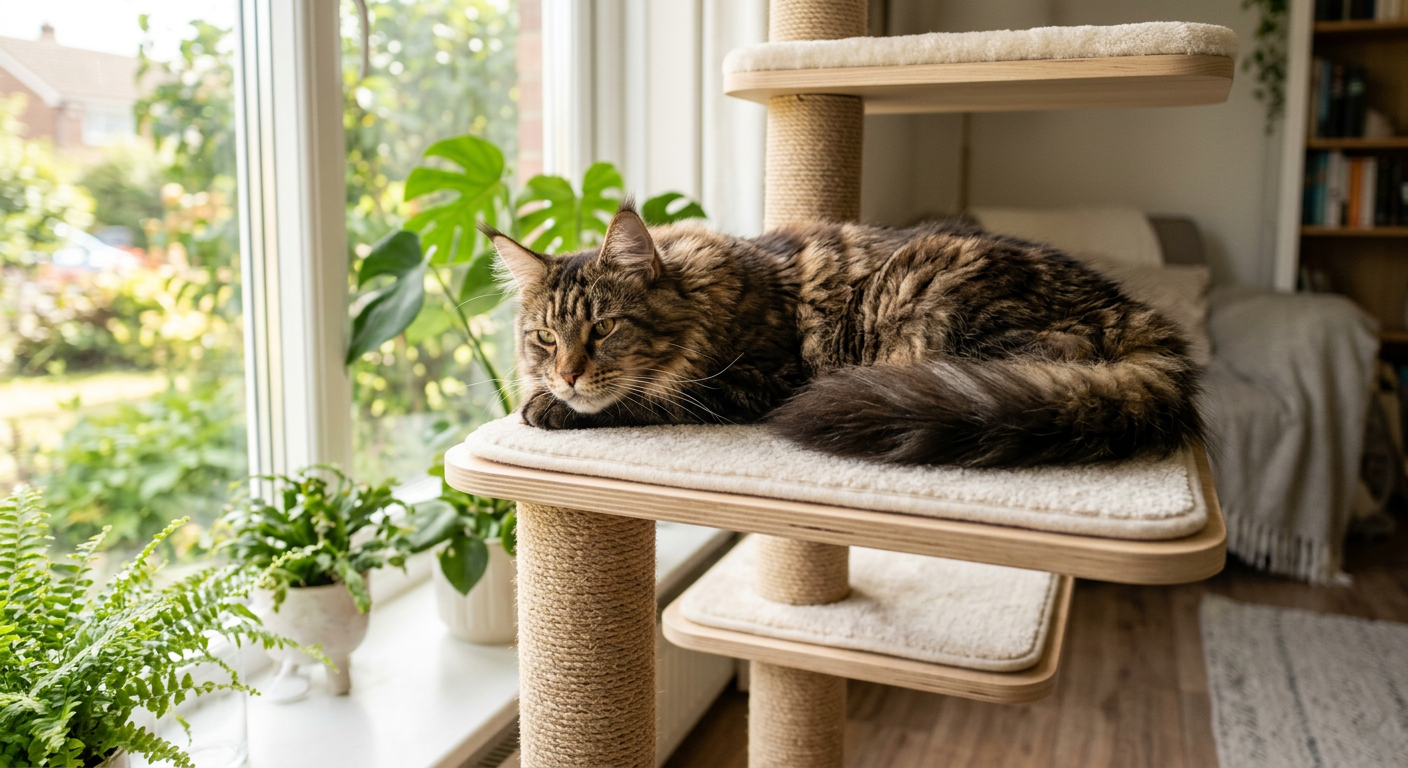
Pheromone diffusers can be very helpful in these situations. These devices release a synthetic version of the "happy" facial pheromones cats use to mark their territory. Additionally, increasing vertical space with cat trees or shelves can give your cat a sense of security. If your cat is a particular breed, like a Maine Coon or a British Shorthair, they may have specific activity needs that help reduce boredom-related stress.
Interactive Play and Routine
Consistent play sessions can do wonders for a stressed cat. Using wand toys to simulate a hunt allows them to expend pent-up energy and provides mental stimulation. Keeping a strict schedule for feeding and play also helps reduce anxiety, as cats find comfort in predictability. During the colder months, ensure they aren't also dealing with dry skin issues, which you can read about in our guide on why does my cat have dandruff in winter.
Long-term Management and Expectations
It is important to remember that hair regrowth is a slow process. Once the underlying cause is addressed, it can take several weeks or even months for the fur to fully return. You may notice the "peach fuzz" stage first, where the hair is fine and light-colored before it regains its original texture and hue.
In some chronic cases of psychogenic alopecia, a veterinarian might recommend temporary anti-anxiety medication to break the cycle of compulsive grooming. This is usually used in conjunction with environmental changes. The goal is always to improve the cat's quality of life and ensure they feel comfortable in their own skin.
Conclusion
Finding a cat over grooming belly bald spot can be worrying, but it is a manageable condition with a little patience and care. By systematically ruling out medical issues like allergies and parasites, and then addressing potential stressors in the home, you can help your feline friend stop the cycle of over-grooming. Always remember that your veterinarian is your best resource for creating a tailored wellness plan that ensures your cat remains happy and healthy for years to come.