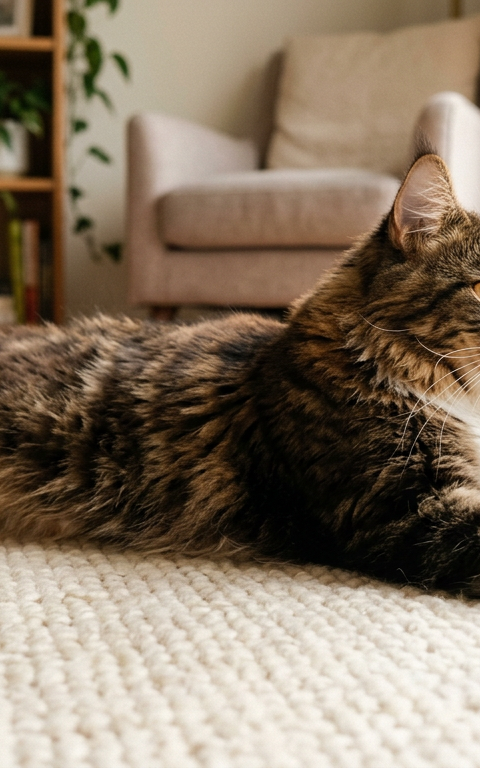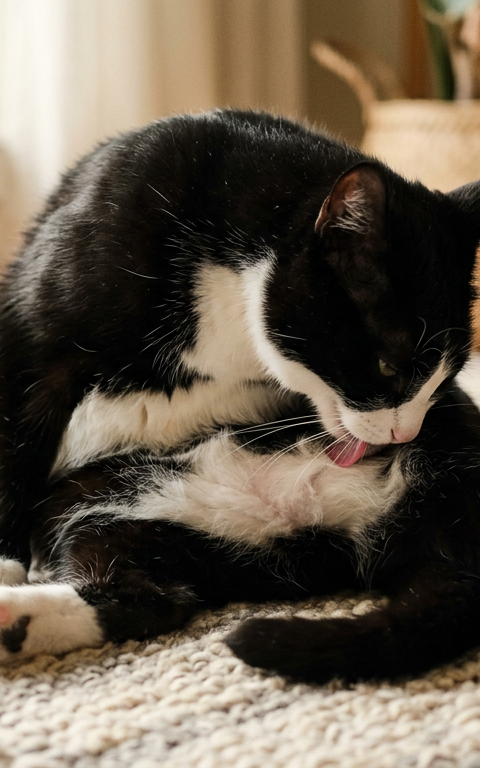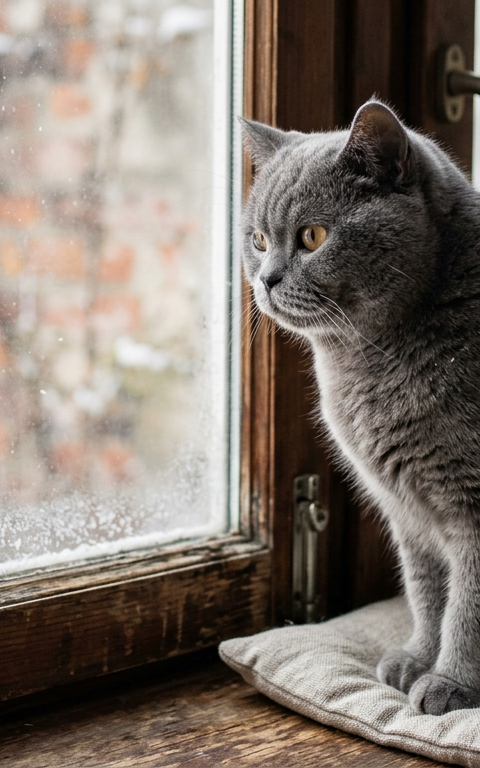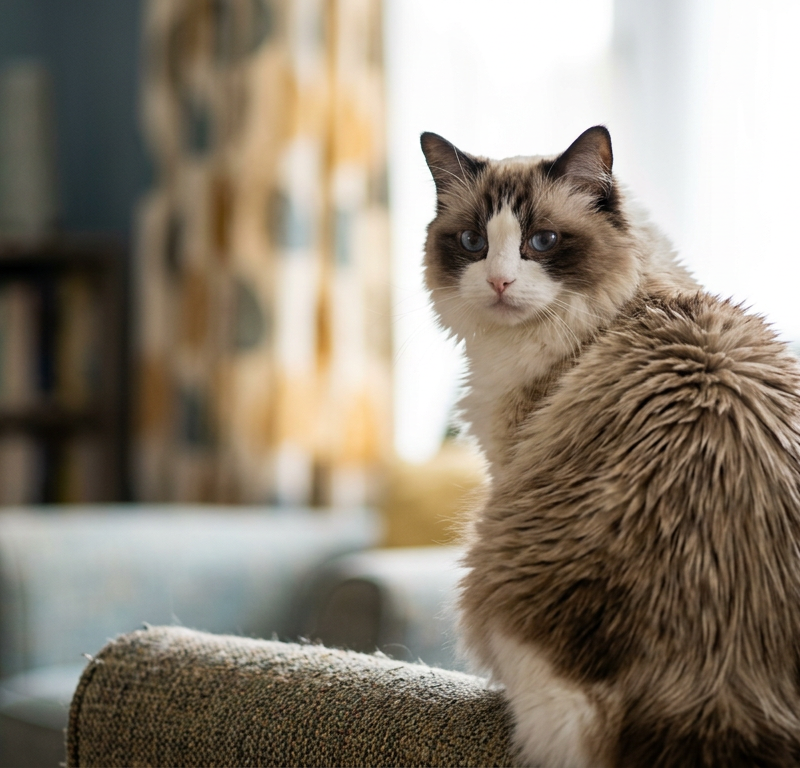
Maintaining a sleek, shiny coat is a point of pride for most felines. However, you might find yourself asking, "why does my cat fur look greasy suddenly," when their usually soft coat begins to feel oily or clumpy. While cats are famous for their meticulous self-grooming habits, a sudden change in coat texture can be an important signal from their body that something in their routine or health needs a little extra attention.
A greasy coat, often referred to by veterinarians as "seborrhea," happens when the skin produces an excess of natural oils. While some oil is necessary to keep the skin hydrated and the fur waterproof, too much of it creates a heavy, separated look. Understanding the underlying reasons for this change is the first step in helping your feline friend get back to their silky self.
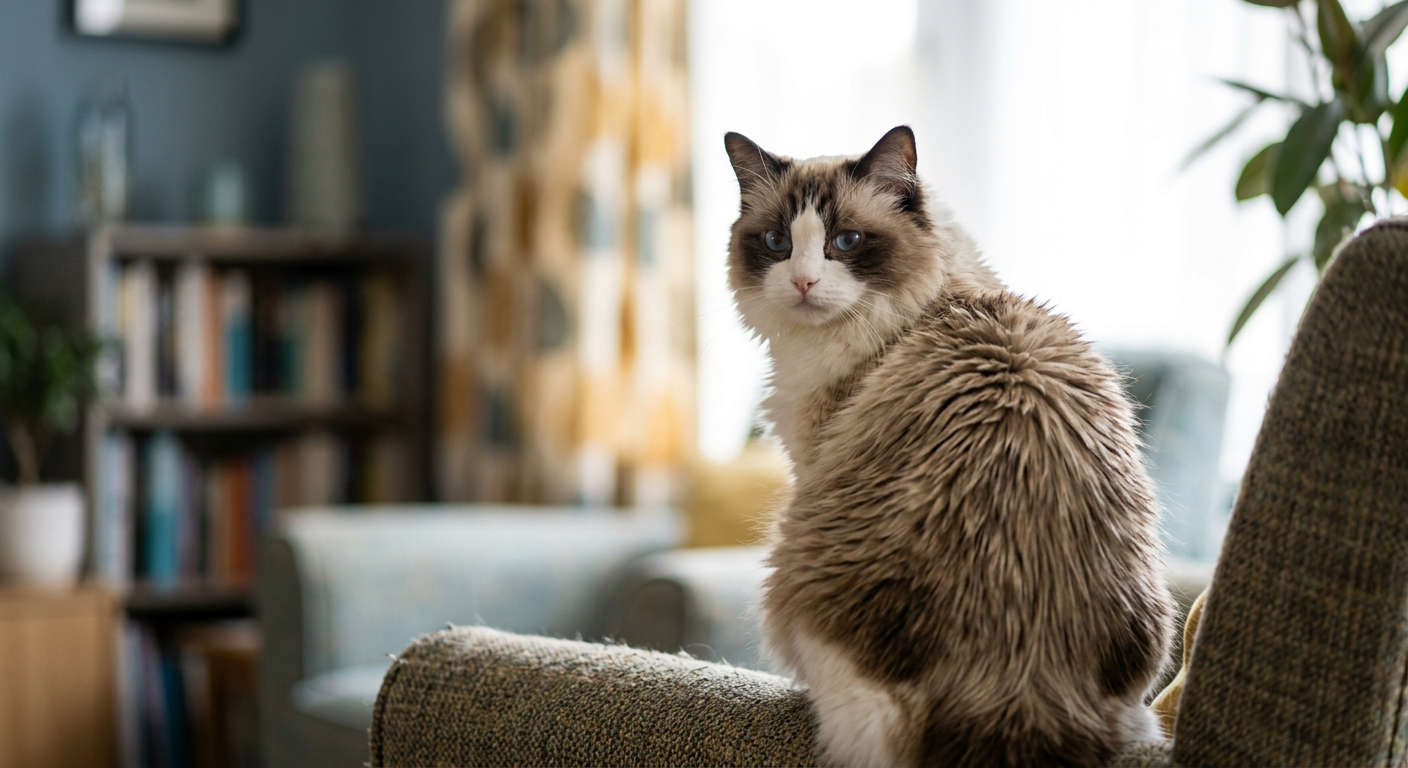
Understanding the Basics of Feline Skin Health
Every hair follicle on your cat's body is attached to a sebaceous gland. These glands secrete sebum, a natural oil that protects the skin and adds a healthy sheen to the fur. When these glands overperform, the result is a coat that looks wet, dark, or spiked into oily clumps. This isn't just an aesthetic issue; it can lead to skin irritation or even a faint "musty" odor.
If you notice this change, it is often helpful to look at the location of the oiliness. Is it concentrated at the base of the tail, or is it widespread across the back and sides? Determining the pattern can provide clues for your veterinarian. Chronic skin issues can sometimes be linked to age-related changes, so if you have an older cat like a Maine Coon or a British Shorthair, their grooming capacity may be shifting.
Common Causes for a Sudden Greasy Appearance
There are several reasons why a cat’s fur might lose its fluffy texture overnight. Most reasons fall into categories of grooming ability, environmental factors, or internal wellness. Here are the primary culprits behind an oily coat:
Reduced Mobility and Grooming Access
The most common reason for a sudden greasy look is that the cat has simply stopped grooming effectively. Cats are incredibly flexible, but as they age, conditions like arthritis can make it difficult to reach certain spots, especially along the spine and the base of the tail. If they can't reach the area to spread the oils, the sebum builds up and creates a sticky texture.
Weight and Body Condition
Overweight cats often struggle with "greasy back" because they cannot physically reach their midsection or rear. If your cat has gained weight recently, the oiliness may be a direct result of their inability to perform their daily cleaning ritual. Improving their diet and encouraging light play can often resolve this over time.
Dental and Oral Health
Cats use their tongue as a primary grooming tool. If a cat is experiencing dental discomfort or mouth sores, they may find grooming painful. A sudden decline in coat quality is frequently one of the first signs of oral health issues. If your cat's fur looks unkempt and they are also dropping food or drooling, a vet checkup is necessary.
The Role of Nutrition in Coat Quality
What goes into your cat’s body directly impacts what grows out of it. A diet lacking in essential fatty acids, such as Omega-3 and Omega-6, can cause the skin to overcompensate by producing low-quality, heavy oils. Conversely, if a diet is too high in certain fats without the proper balance of vitamins, the skin’s barrier function can weaken.
Sudden changes in food brands can also trigger a temporary reaction in the skin. If you have recently switched their kibble or wet food, the "greasy" look might be a sign that the new formula isn't quite meeting their specific nutritional needs. High-quality animal proteins and balanced minerals are essential for a vibrant, non-greasy coat.
When to Consult a Professional
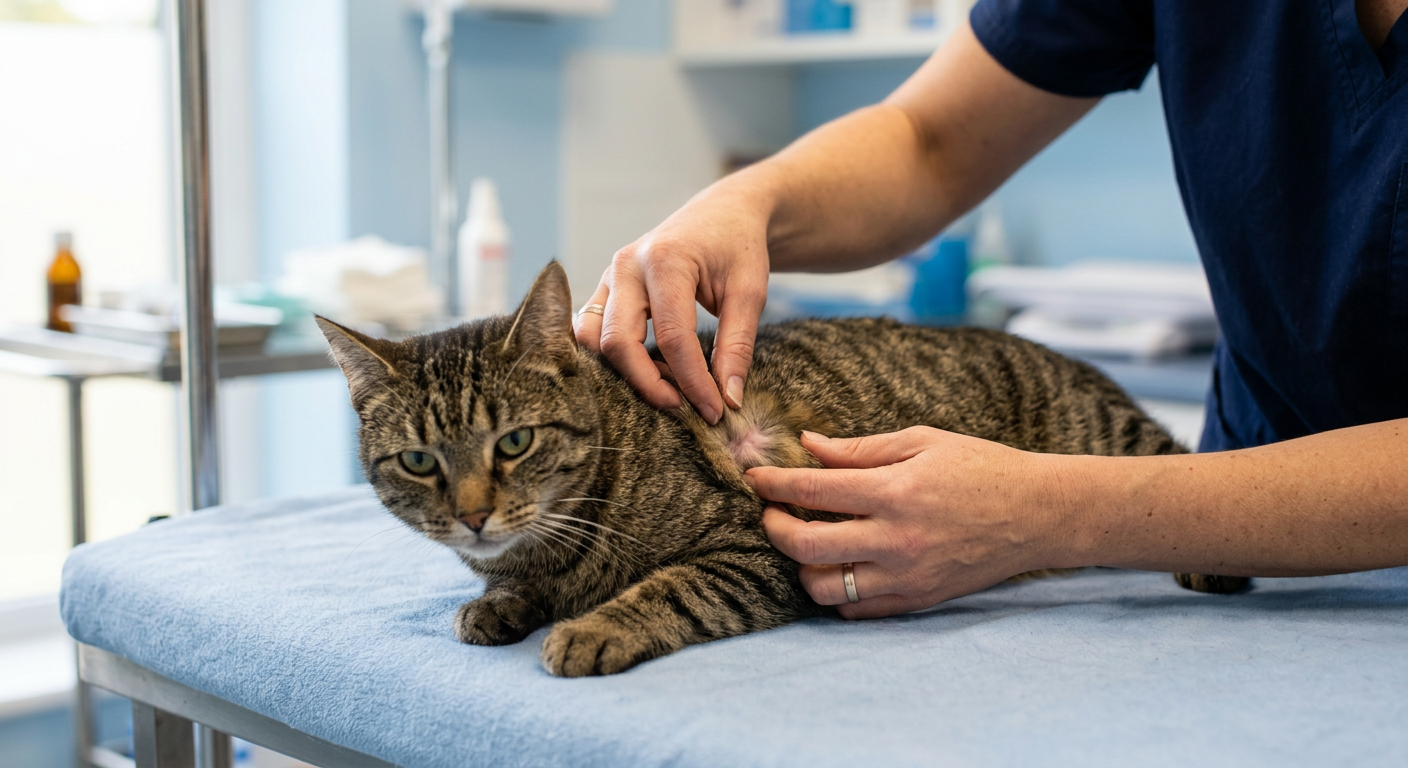
While a bit of oiliness can sometimes be managed at home with gentle brushing, certain signs indicate a need for professional veterinary advice. Proactive care is always the best approach to feline wellness. You should schedule an appointment if you notice:
- Redness, scabs, or inflammation beneath the greasy fur.
- Loss of hair in specific patches or symmetrical thinning.
- A foul odor coming from the skin or ears.
- Excessive scratching or biting at the skin.
- Lethargy or changes in appetite accompanying the coat change.
Medical conditions such as hyperthyroidism or diabetes can sometimes manifest as changes in skin health. Your vet can perform simple blood tests to rule these out and ensure your cat feels as good as they look. If your cat is losing hair in addition to the oiliness, you might want to read about cat hair loss patterns to see if the symptoms match.
Environmental and Stress Factors
Cats are highly sensitive to their environment. Stress can lead to "displacement grooming" (over-grooming) or, in some cases, a total cessation of grooming. Changes in the household, such as a new pet or a move, can disrupt their normal routine. When a cat is stressed, their physiological response can actually alter sebum production.
In addition to stress, dry indoor air during the colder months can wreak havoc on feline skin. You might notice your cat developing flakes alongside the oil. For more information on this specific seasonal issue, check out our guide on managing winter dandruff in cats.
Simple Steps to Help Your Cat
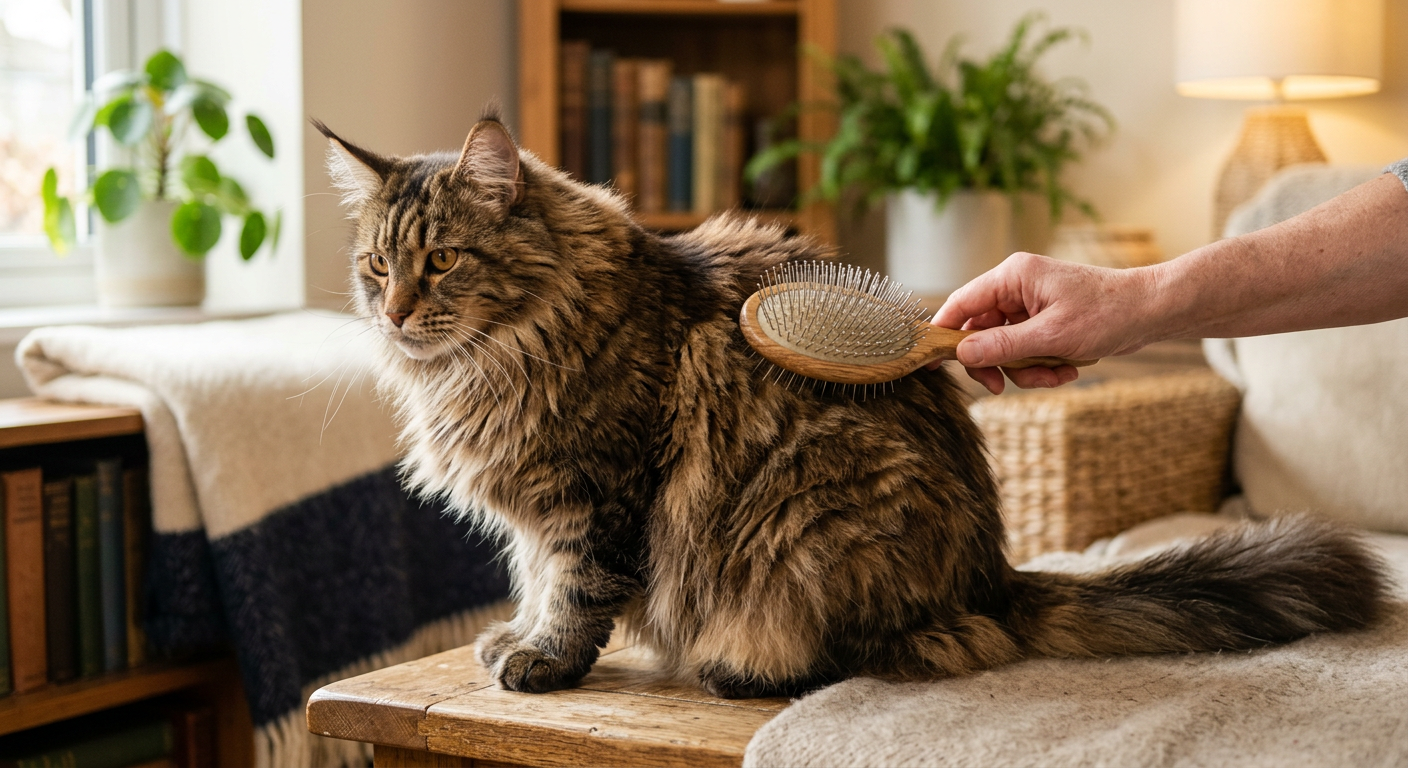
If your vet has ruled out underlying medical conditions, there are several things you can do at home to help manage your cat's greasy fur and restore its natural shine.
- Daily Brushing: Use a soft-bristled brush or a fine-toothed comb to help distribute the natural oils across the hair shaft and remove excess sebum.
- Water-Free Shampoo: Since most cats aren't fans of baths, a feline-safe waterless shampoo or foam can help break down oils without the stress of a tub.
- Supplements: Ask your vet about adding fish oil or specific skin-support supplements to their meals.
- Weight Management: If mobility is the issue, helping your cat reach a healthy weight will allow them to resume their own grooming.
Specific Breed Considerations
Some breeds are more prone to skin oiliness than others. For example, hairless breeds like the Sphynx require regular bathing because they lack the fur to absorb sebum. In contrast, long-haired breeds can develop mats very quickly if their fur becomes oily. If you are choosing between breeds and concerned about grooming needs, you might compare different breeds to see which coat type fits your lifestyle best.
Summary of Proactive Care
It is important to remember that a cat's coat is a window into their internal health. When you ask "why does my cat fur look greasy suddenly," you are already being a responsible pet parent by noticing the subtle shifts in their appearance. By monitoring their diet, reducing stress, and assisting with grooming when they need a helping hand, you can ensure their coat remains a soft, healthy reflection of their overall well-being. Always prioritize a consultation with your veterinarian to rule out any hidden wellness considerations, ensuring your feline companion stays comfortable and happy.