As your feline companion enters their golden years, you might notice subtle changes in their daily routine. One of the most common signs of aging is when you realize your cat not grooming herself anymore old age has begun to impact their flexibility or motivation. While a well-groomed coat is usually a sign of a healthy cat, a lack of self-care in seniors is often a gentle signal that they need a little extra help from their human family.
Watching a senior cat stop their meticulous cleaning ritual can be concerning for any pet owner. However, this shift is frequently a manageable part of the aging process. By understanding why these changes occur, you can adapt your home environment and grooming routine to keep your senior kitty feeling clean, comfortable, and loved throughout their sunset years.
Understanding Why Senior Cats Stop Grooming
There are several wellness considerations that can lead to a decrease in self-grooming. The most common culprit is feline arthritis or osteoarthritis. As joints become stiff, reaching those difficult spots on the back or hindquarters becomes physically challenging. If it hurts to twist and stretch, your cat may simply decide that certain areas are no longer worth the effort.
Cognitive changes can also play a role in grooming habits. Just like humans, older cats can experience feline cognitive dysfunction, which may cause them to become confused or forgetful of their usual routines. Additionally, dental issues are very common in older pets. If a cat has sore gums or a loose tooth, the act of licking and pulling at fur can be painful, leading them to abandon the practice entirely.
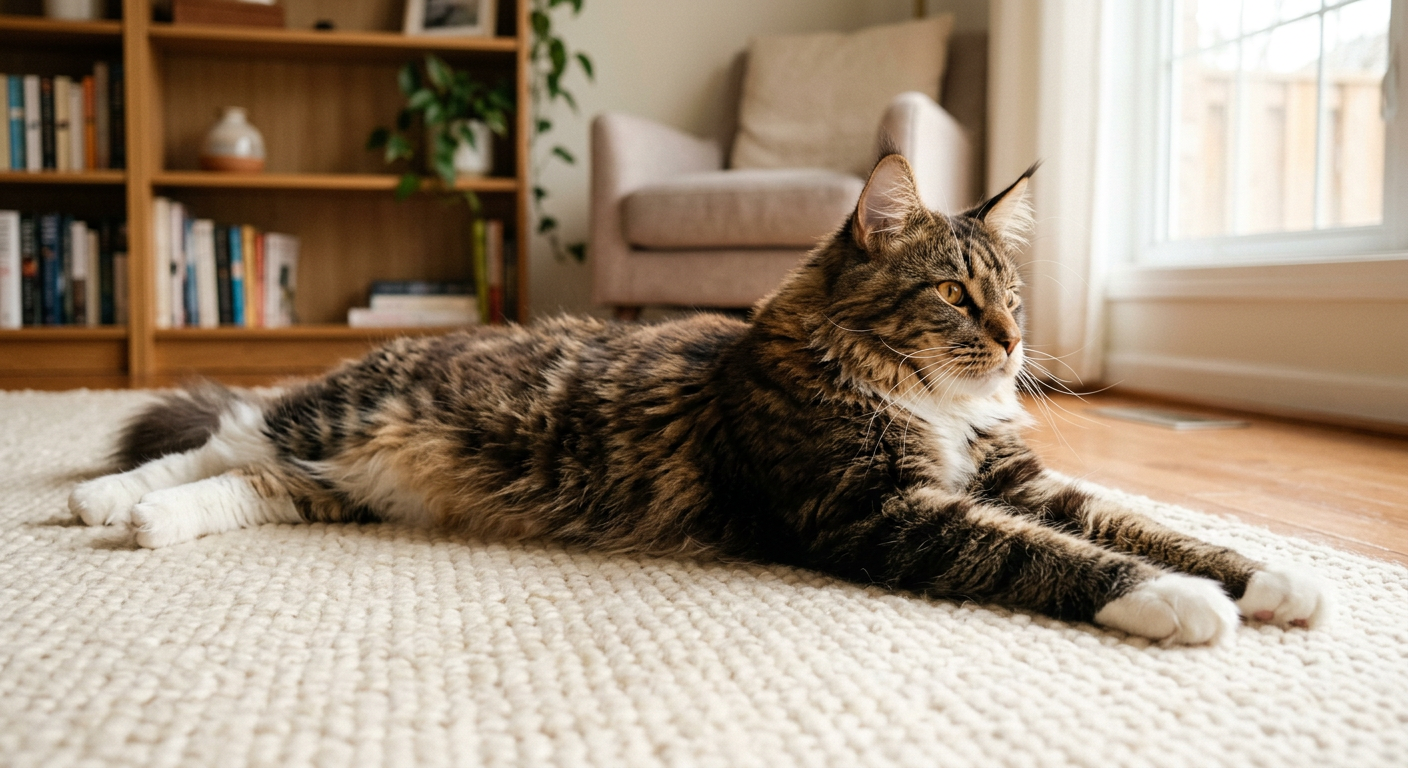
The Role of Weight and Mobility
Weight management is another critical factor in senior feline hygiene. An overweight cat may physically struggle to reach their lower back or tail area. When combined with the natural loss of muscle tone that comes with age, the physical exertion required for a full-body bath can become exhausting. Observing your cat's range of motion can give you great insight into their physical comfort levels.
Physical Signs of Reduced Grooming
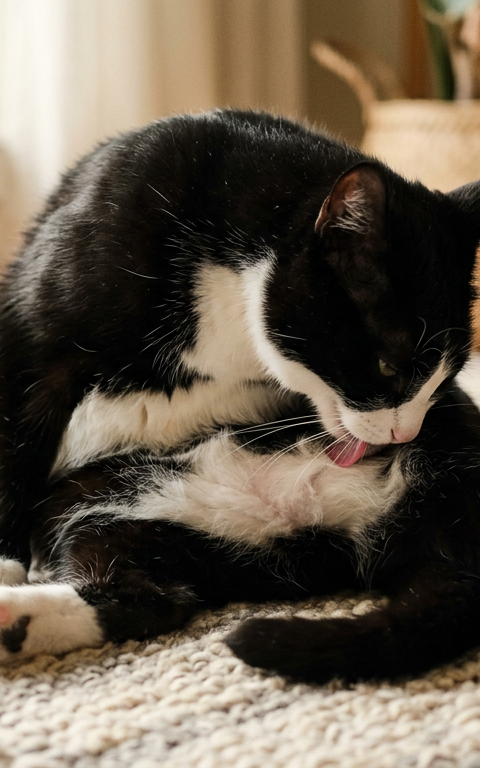
When a cat stops maintaining their coat, the physical evidence usually appears gradually. You might first notice that their fur feels slightly greasy or oily to the touch. Without the tongue's natural exfoliating action, dead skin cells and natural oils build up on the surface of the hair. This often leads to a "spiky" appearance or a coat that parts in clumps rather than lying smooth.
In longer-haired breeds, the lack of grooming quickly leads to matting. These mats often form in high-friction areas like the armpits, behind the ears, and around the hindquarters. If left unattended, mats can pull uncomfortably on the skin and even lead to local irritation. You may also see an increase in "dandruff" or skin flakes, which we discuss further in our guide on why does my cat have dandruff in winter.
- Increased occurrence of hair mats and tangles
- A dull, dusty, or unkempt appearance to the fur
- Odors arising from the hindquarters or mouth
- Overgrown claws that aren't being filed down during scratching
- Accumulation of debris around the eyes or nose
How to Support Your Senior Cat's Hygiene
The good news is that you can easily step in to fill the role of "head groomer." For a cat not grooming herself anymore old age becomes a time for bonding through gentle brushing sessions. Start with short sessions, perhaps only two or three minutes at a time, to ensure your cat doesn't become overwhelmed or physically sore from sitting in one position.
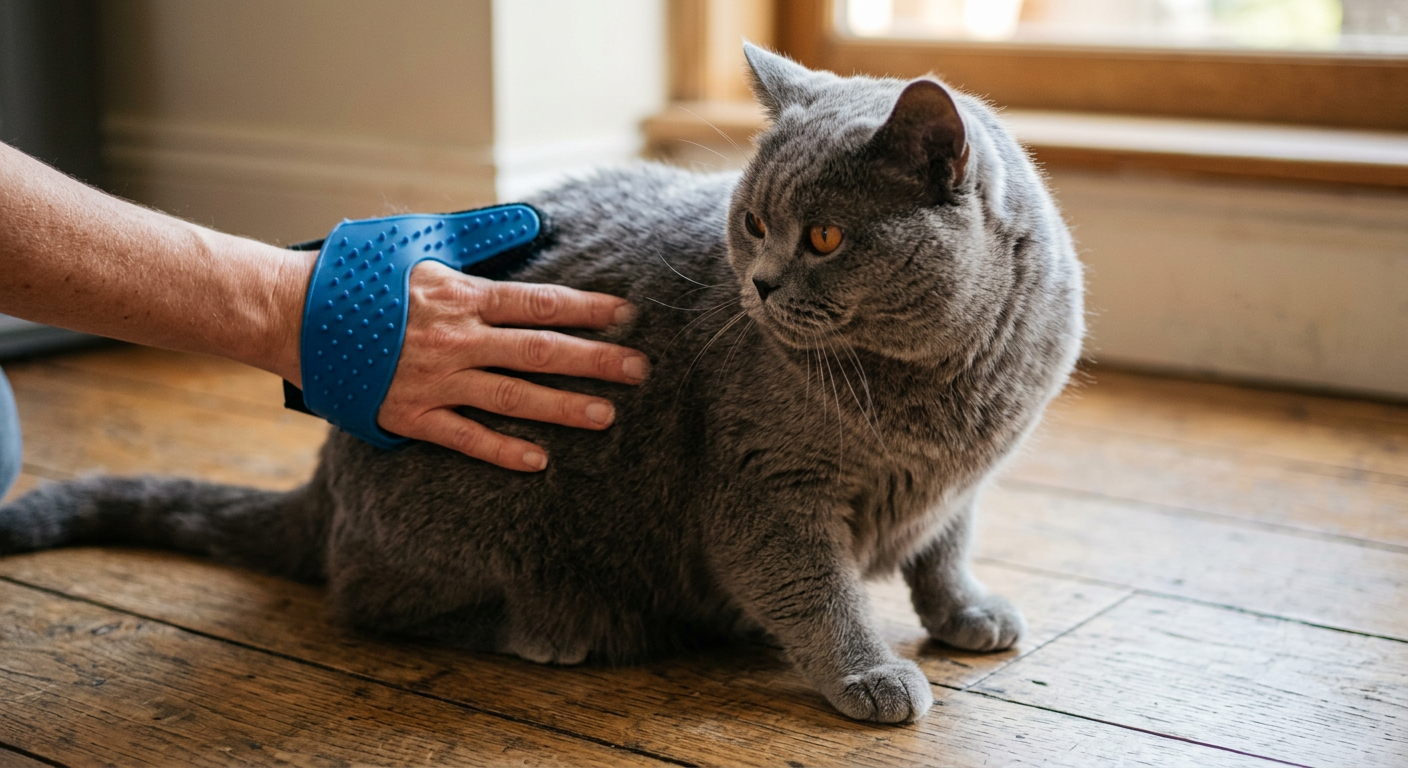
Use soft-bristled brushes or silicone grooming mitts that are gentle on thinning senior skin. Older cats often have less "padding" over their bones, so avoid harsh metal slicker brushes that might scrape against their spine or hips. Focus on the areas your cat can no longer reach, such as the middle of the back, the base of the tail, and under the chin.
Managing Specialized Areas
In addition to brushing, senior cats often need help with "targeted" cleaning. Use a warm, damp cloth or unscented pet wipes to gently clean the rectal area if your cat is struggling with litter box hygiene. Check their claws weekly; senior cats often don't retract their claws fully, and they can grow into the paw pads if not trimmed regularly.
Dental health is also paramount. Since oral pain can stop grooming entirely, try to brush your cat's teeth with pet-safe toothpaste or use dental gels recommended by your veterinarian. If you notice your cat's fur looks oily, you can find more tips in our article on why does my cat fur look greasy suddenly.
Environmental Adjustments for Easier Grooming
Small changes to your home can make a big difference in how your cat feels. Ensure their favorite sleeping spots are easily accessible without jumping. If they have to climb a tall cat tree to reach a grooming spot, they might just give up. Provide "steps" or localized ramps to help them reach sofas or beds where they feel safe enough to relax and try to clean themselves.
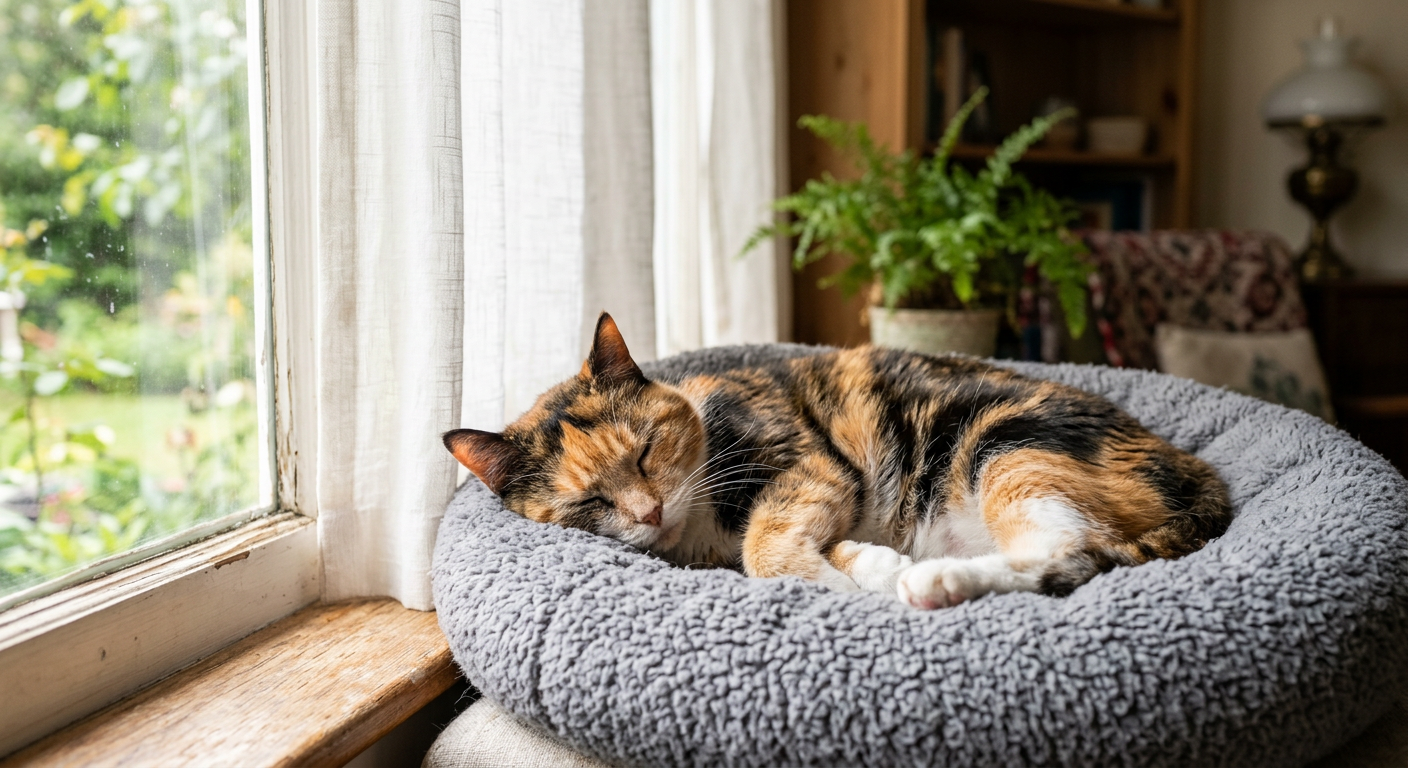
Keep the house comfortably warm. Cold temperatures can make arthritic joints feel stiffer and more painful. A heated pet bed can work wonders for a senior cat's mobility, making it easier for them to move and maintain some level of self-care. The more comfortable they feel in their body, the more likely they are to maintain their natural behaviors.
When to Consult Your Veterinarian
While a decrease in grooming is common in seniors, it should always be discussed with a professional. A veterinarian can perform a physical exam to check for specific pain points or underlying metabolic conditions. For example, kidney issues or hyperthyroidism can sometimes change a cat's coat texture or grooming frequency. A quick blood panel can provide peace of mind that the change is simply due to aging and not a hidden illness.
Your vet may recommend joint supplements like glucosamine or chondroitin, or even specialized feline-safe pain relief. These interventions can significantly improve a senior cat's quality of life, often restoring enough flexibility for them to begin grooming themselves again. Proactive care is the best gift you can give your aging friend.
Conclusion
Noticing that your cat not grooming herself anymore old age is a natural transition, but it doesn't mean their quality of life has to decline. By stepping in with a gentle brush and a watchful eye, you can maintain their coat health and strengthen your bond. Remember to keep sessions positive and always consult your veterinarian if you notice sudden changes in behavior or physical appearance. With a little extra help, your senior cat can spend their golden years feeling clean, comfortable, and pampered.