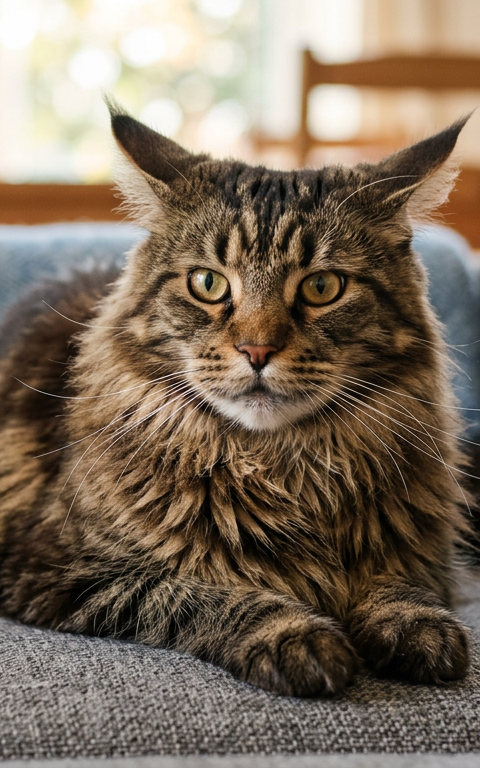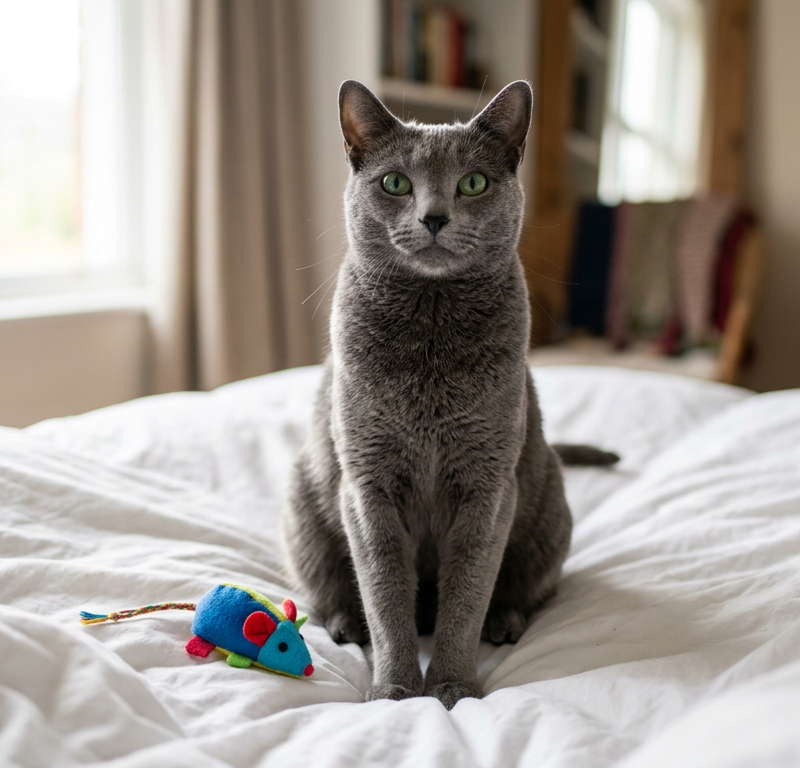
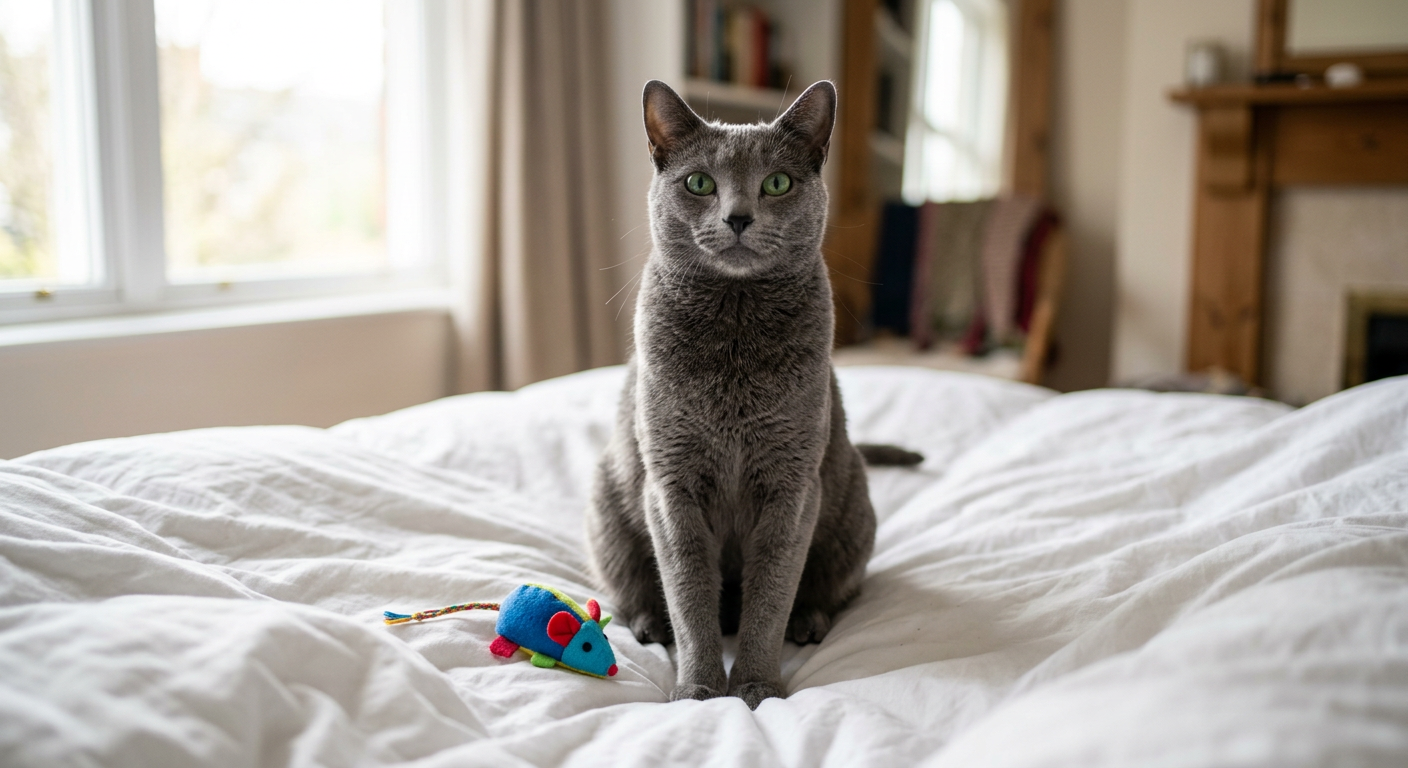
If you have ever woken up to find a toy mouse, a stray sock, or even a crumpled piece of paper on your pillow, you have experienced a unique feline tradition. Understanding why cats bring you gifts is a fascinating journey into the natural instincts and social structures of our domestic companions. While it might feel a bit unusual to find these "presents" in your bed, it is actually a significant gesture in the world of cat communication.
For most cat owners, these offerings are a sign of a strong bond and a healthy relationship. By exploring the evolutionary reasons behind this behavior, we can better appreciate the complex ways our cats interact with their human families. It turns out that those midnight deliveries are much more than just accidental leftovers from playtime.
The Evolutionary Root of Hunting and Gifting
The primary reason why cats bring you gifts traces back thousands of years to their wild ancestors. Cats are obligate carnivores and natural-born hunters. Even though your indoor cat is well-fed, the biological drive to hunt, capture, and retrieve prey remains deeply embedded in their DNA. This instinct doesn't simply disappear because a bowl of kibble is readily available.
In the wild, mother cats would bring injured or dead prey back to their kittens to teach them how to eat and hunt. This "mentoring" behavior is a cornerstone of feline survival. When your cat leaves a gift for you, they may be treating you as a member of their family who needs to learn the ropes of providing for the group. It is their way of contributing to the "colony" or household safety.
The Teacher Instinct
Many behaviorists believe that female cats, in particular, are prone to this gifting behavior because of their maternal instincts. They see their human owners as slightly incompetent hunters who never seem to catch their own dinner. By bringing you a toy or a "prize," they are essentially trying to provide a training manual for survival. In their eyes, they are taking care of you.
This behavior is also linked to how cats communicate through action. Since they cannot explain their hunting prowess with words, they use physical objects to demonstrate their role within the home. If you want to see how your cat compares to others in terms of developmental milestones, you might enjoy checking out our Maine Coon age calculator to see how their maturity levels match their behavior.
Social Bonding and Affection
Beyond the raw hunting instinct, bringing gifts is a major social signal. Cats are often viewed as solitary animals, but they are actually quite social within their established "pride." Sharing resources is a sign of trust and inclusion. When your cat drops a toy at your feet and look up at you, they are inviting you into their world and sharing their success.
This social aspect is closely related to decoding your cat's behavior in other areas. Much like a slow blink or a head butt, the gift-giving ritual is a way to reinforce the bond between cat and human. It is a gesture of "what's mine is yours," which is the ultimate compliment from a feline perspective.
A Desire for Interaction
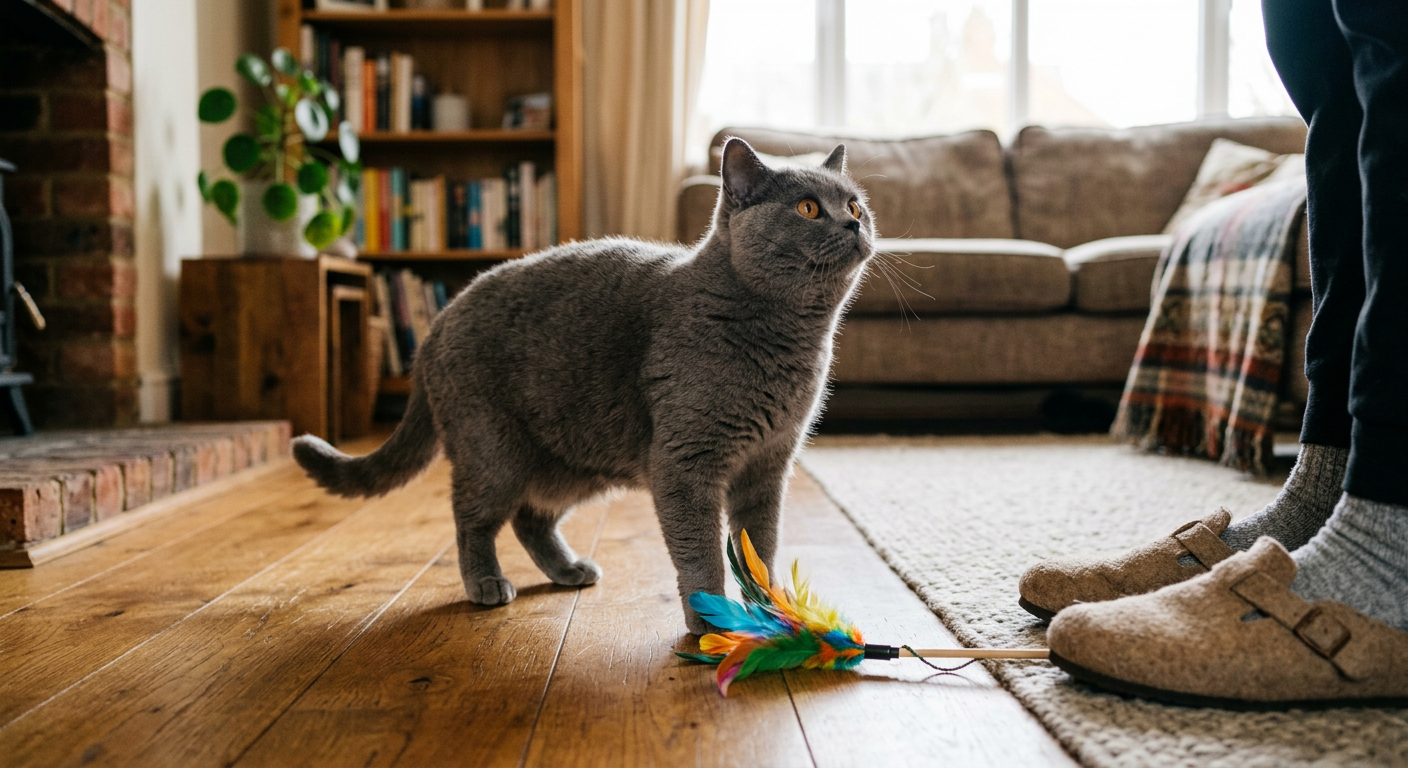
Sometimes, a gift isn't just about providing food; it's a request for engagement. If your cat brings you a feather wand or a ball, they are likely using the object as an icebreaker. They have learned that bringing you certain items results in praise, petting, or a game of fetch. In this context, the gift is a functional tool used to start a social session.
- Attention Seeking: They want you to acknowledge their hard work or play with them.
- Safe Storage: Cats often bring items to the "core" of their territory (your bed or sofa) because they feel the items are safest there.
- Positive Reinforcement: If you have cheered or petted them in the past for this behavior, they are likely to repeat it.
Understanding the Choice of Gifts
The "gifts" cats bring can vary wildly depending on their environment. For indoor-only cats, these offerings are usually non-living items. This can range from traditional cat toys to household objects that have caught their eye. Each "kill" represents a successful hunt in the cat's mind, regardless of whether the prey is made of plastic or felt.
Common household gifts include:
- Socks and small items of clothing.
- Hair ties or rubber bands (which should be moved for safety).
- Paper scraps or wrappers.
- Fake mice or crinkle toys.
If your cat is an indoor-outdoor pet, the gifts might be more "natural." While it can be distressing to find a cricket or a mouse on your porch, it is important to remember that your cat is not being "mean." They are acting out a biological imperative. If this happens frequently, it may be a sign that they are very comfortable and successful in their local environment.
The Role of Scent and Comfort
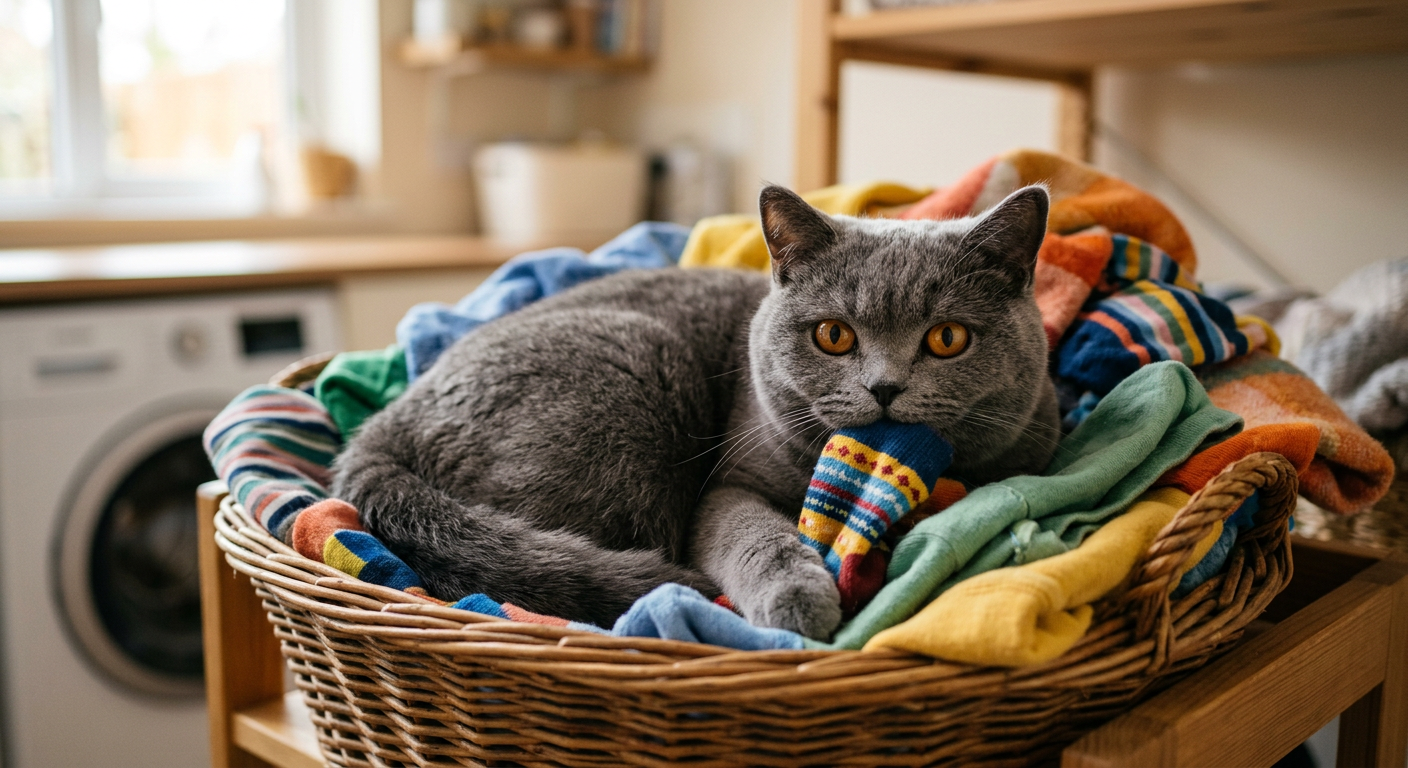
Scent plays a massive role in feline gifting. You may notice your cat brings you items that already smell like you, such as laundry. By bringing these items to your common areas, they are "co-mingling" scents, which creates a sense of security and group identity. This is similar to how cats purr to communicate comfort and connection.
How to Respond to Your Cat's Gifts
When your cat presents you with an offering, your reaction matters. Even if the gift is something you'd rather not touch (like a soggy toy or a bug), try to remain calm and encouraging. Scolding a cat for bringing a gift can be confusing for them, as they are performing what they believe is a helpful and positive social behavior.
A simple "thank you" in a warm tone, followed by some gentle petting, is usually enough to satisfy them. If the gift is a toy, engaging in a brief play session can reinforce the bond. If the gift is something unwanted, wait until the cat is preoccupied before discreetly removing it. This acknowledges the gesture without making a fuss.
Wellness Considerations
While gifting is generally a healthy behavior, pay attention to any sudden changes. If a cat who has never brought gifts suddenly starts doing so excessively, or if they are vocalizing loudly while carrying items, it could be a sign they are seeking extra reassurance. Always consult a veterinarian if you notice major shifts in your cat's mood or activity levels to ensure their proactive care is on track.
Monitoring these patterns is part of being a responsible pet parent. If you are curious about how different breeds react to social stimuli, comparing a British Shorthair vs Russian Blue can offer insights into varied temperament styles and how they might "gift" differently.
Conclusion
The mystery of why cats bring you gifts is solved through a combination of ancient hunting instincts and deep-seated social love. Whether it is a teaching moment from a feline "instructor" or a simple invitation to play, these offerings are a testament to the relationship you share. By seeing these gifts as a sign of trust and inclusion, you can better appreciate the unique personality of your feline friend.
Next time you find a toy mouse in your shoe, remember that it is a small token of a very big bond. Your cat is simply doing their part to take care of the family and keep the household thriving. Embrace the gesture, offer a scratch behind the ears, and enjoy the special connection that only a cat can provide.