Have you ever looked at your feline friend and wondered how they manage to snooze through most of the day? Understanding cat sleep patterns is essential for any owner who wants to ensure their pet is healthy and happy. Unlike humans, who typically follow a diurnal schedule, cats have evolved with a unique internal clock that dictates when they rest and when they roam.
By learning the science behind their naps and deep slumber, you can better provide for their wellness needs. Whether you have a majestic Maine Coon or a sleek Russian Blue, their sleep habits can tell you a lot about their physical and emotional state. Let's explore why cats sleep so much and what happens during those hours of rest.
The Basics of Feline Sleep Rhythms
On average, cats sleep between 12 and 16 hours a day. Some kittens and senior cats may even push that number to 20 hours. This high volume of rest isn't because they are "lazy," but rather a biological leftover from their ancestors. Wild cats require immense amounts of energy for short, high-intensity bursts of hunting.
Even though our domestic companions get their meals served in a bowl, their bodies are still programmed to conserve energy. This conservation allows them to be ready for action at a moment's notice. You might notice your pet "cat-napping" throughout the afternoon, maintaining a state of light rest that allows for quick reactions.
Are Cats Nocturnal or Crepuscular?
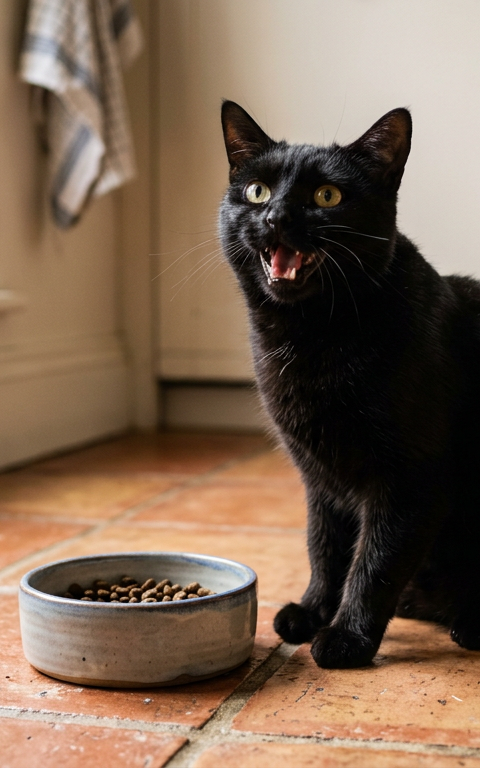
Many people mistakenly believe that cats are nocturnal, meaning they are active entirely at night. In reality, cats are "crepuscular." This means they are most active during the twilight hours of dawn and dusk. This is naturally when their prey (like rodents and birds) is also most active.
If you find your cat zooming around the living room at 5:00 AM, they are simply following their natural biological rhythm. To help manage this, many owners find success by scheduling a high-energy play session right before bedtime, followed by a meal. This mimics the hunt-eat-groom-sleep cycle found in nature.
The Different Stages of Cat Sleep
Just like humans, cats experience different levels of sleep. Understanding cat sleep patterns requires looking at the two primary types: light sleep (slow-wave sleep) and deep sleep (REM sleep). Most of a cat’s rest consists of the lighter stage.
The Cat Nap (Light Sleep)
During light sleep, a cat stays alert enough to react to a sudden sound or movement. You might see their ears twitch or rotate toward noises while their eyes remain closed. They can spring into action within seconds if they feel threatened or if they hear the sound of a treat bag opening.
Deep Sleep and REM
Deep sleep is much shorter and usually happens in 10-to-15-minute intervals. This is the stage where the body truly repairs itself and the brain processes information. You can often tell when a cat has entered REM (Rapid Eye Movement) sleep because their paws might twitch, their whiskers may flutter, and they might even make quiet chirping noises.
Common Sleeping Positions and Their Meanings
The way your cat chooses to sleep can give you a window into how they are feeling. Cats are vulnerable when they sleep, so their choice of position often reflects their level of trust and comfort in their environment.
- The Loaf: Tucking paws under the body suggests the cat is relaxed but still ready to move if needed. They aren't in a deep sleep yet.
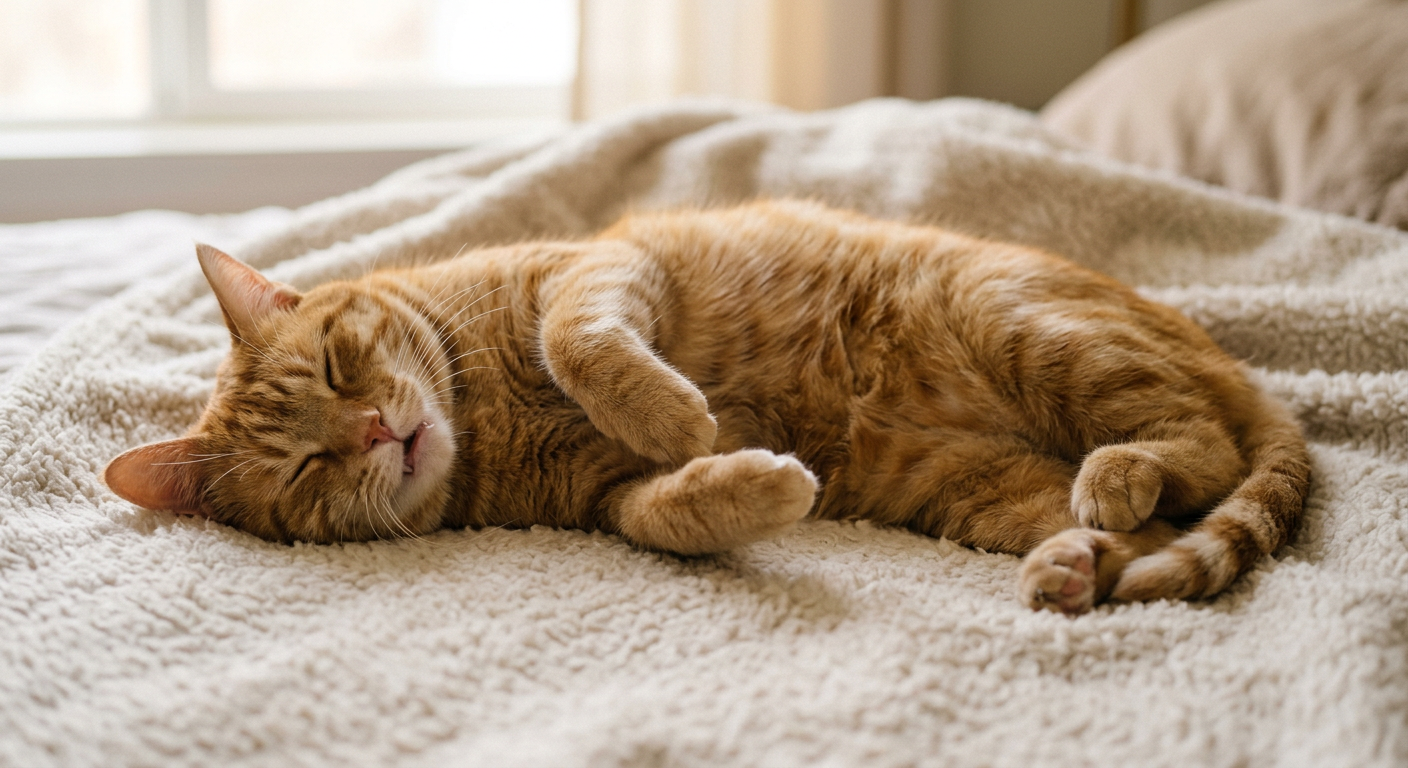
- The Belly Up: This is the ultimate sign of trust. By exposing their vulnerable underside, your cat is showing they feel completely safe in your home.
- Curled in a Ball: This position helps conserve body heat and protects vital organs. It is a very common natural instinct for both warmth and safety.
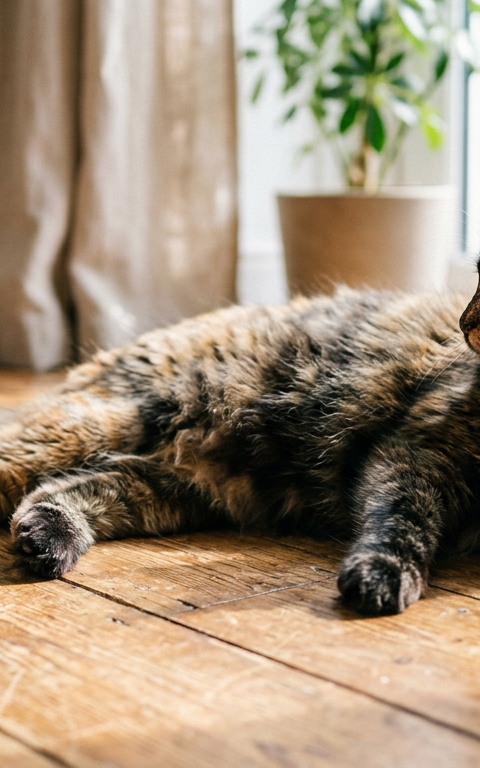
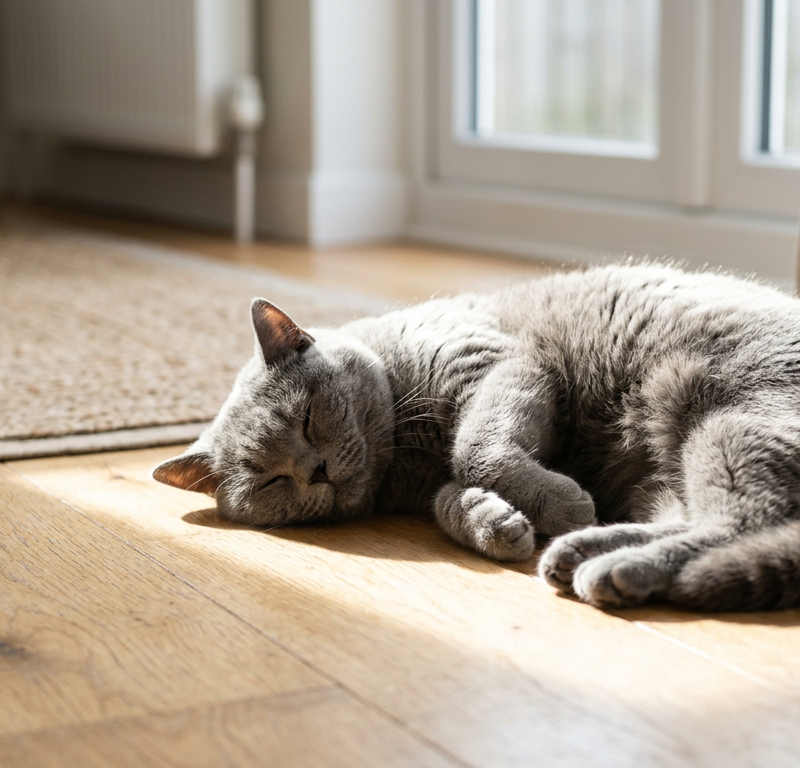
- The Sideways Sleeper: This usually indicates the cat has entered a deeper sleep and feels secure enough to let their guard down partially.
Providing various comfortable spots around the home can help your cat feel secure. You might want to review Cat Care Essentials to ensure your home environment is optimized for their comfort and safety.
Factors That Influence How Long Cats Sleep
Several factors can change a cat's resting habits. While a baseline of 12-16 hours is normal, you might see adjustments based on age, environment, and physical health. Understanding these variations helps you stay proactive about your pet’s wellness.
Age and Development
Kittens grow rapidly and require significant amounts of sleep to develop their nervous systems and muscles. As cats enter their senior years, they may slow down and require more frequent rest periods to recover from daily activities. Knowing your cat's life stage helps set expectations for their activity levels.
Boredom and Environment
A cat that doesn't have much mental stimulation may sleep more simply because there is nothing else to do. If your cat seems to sleep excessively during the day, try introducing interactive toys, climbing towers, or puzzle feeders. This provides the mental enrichment they need to keep their minds sharp.
Weather and Temperature
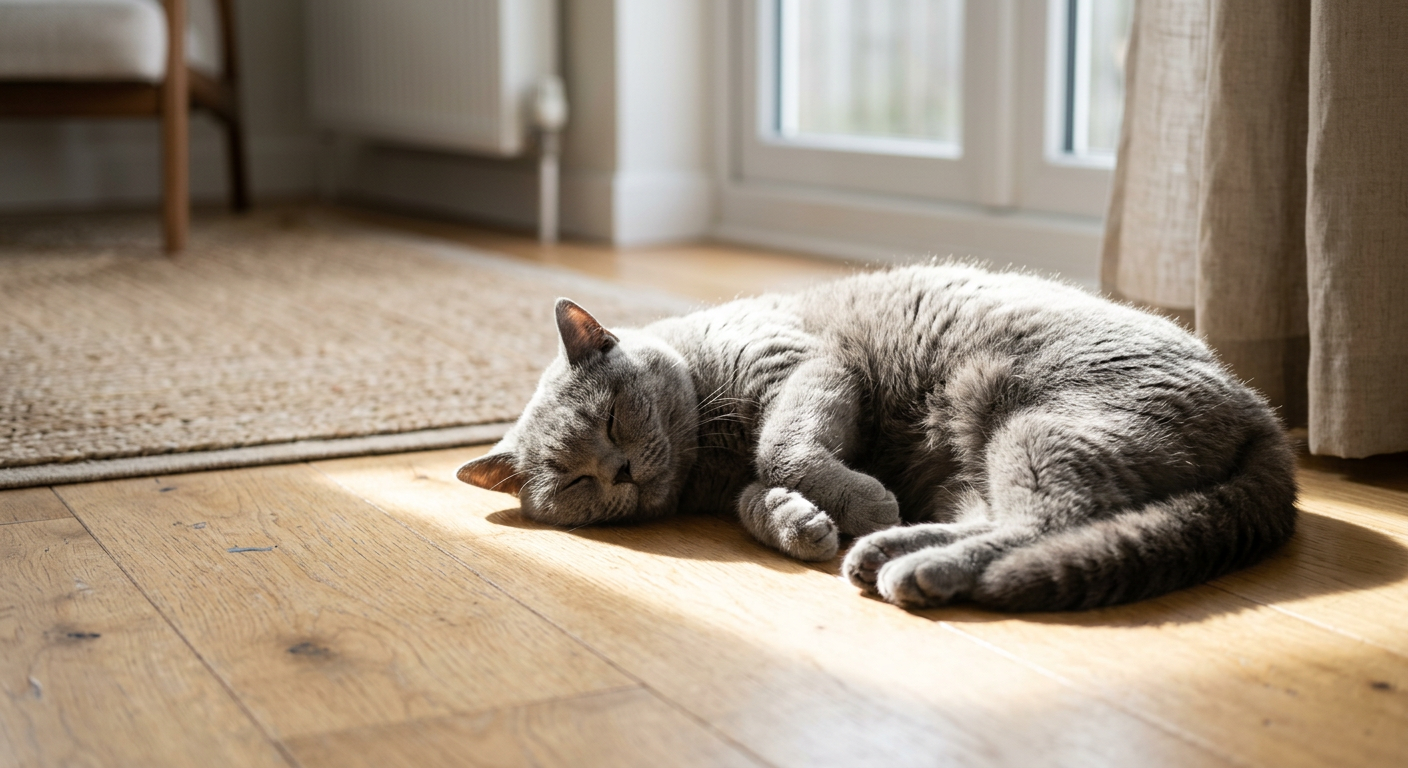
You may find that your cat sleeps more during rainy days or cold winter months. Just like humans, cats often feel a bit sleepier when the sun isn't shining. They are also heat-seekers and will often move their nap locations to follow the sunbeams moving across the floor.
When to Consult a Veterinarian
While understanding cat sleep patterns means accepting a lot of downtime, sudden changes should be noted. If your cat usually has a "zoomie" hour at dusk but suddenly stops being active, it could be a sign of a wellness concern. Conversely, a cat that suddenly stops sleeping and becomes hyperactive might have an underlying issue like hyperthyroidism.
Always keep an eye out for concurrent symptoms like changes in appetite, weight, or litter box habits. If you notice these shifts, it is always best to consult with a veterinarian to rule out any physical discomfort. For more tips on maintaining a healthy environment, check out our guide on Litter Box Training and Maintenance.
Creating the Perfect Sleeping Environment
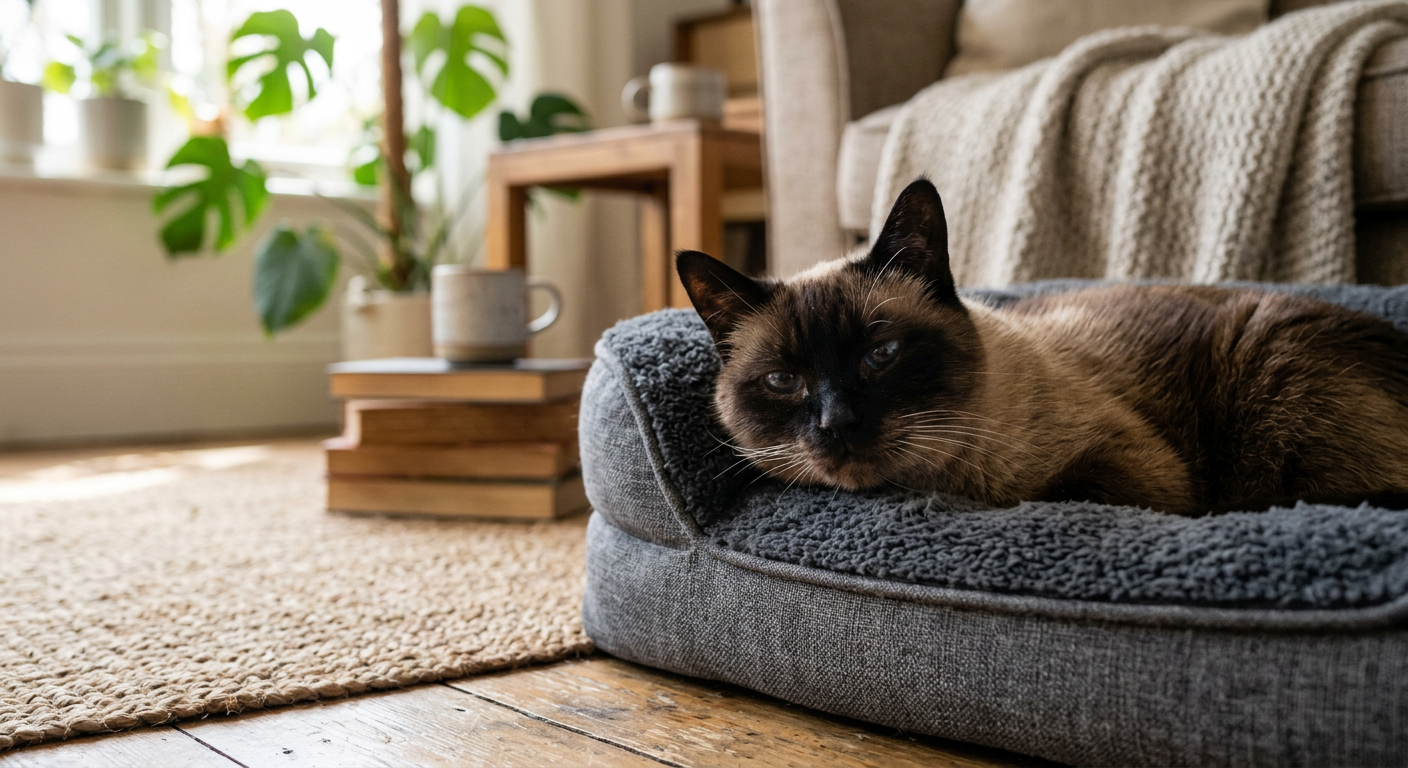
To support your cat's rest, offer a variety of sleeping surfaces. Some cats prefer "cave" beds where they can hide, while others love elevated perches where they can survey their territory. Keeping their beds in quiet, low-traffic areas of the home ensures they won't be constantly interrupted during their deep sleep cycles.
Temperature also matters. While cats love warmth, they also need the ability to move to a cooler spot if they get too hot. By providing choices, you allow your cat to self-regulate their sleep environment based on their immediate needs.
Conclusion
Developing a deep understanding of cat sleep patterns allows you to connect more closely with your feline companion. By recognizing the difference between a quick cat nap and restorative deep sleep, you can ensure their environment supports their natural biological rhythms. Remember that every cat is an individual—some may prefer the night shift while others adapt more to your schedule. As long as they are acting normally and have plenty of energy when they are awake, those long hours of snoozing are just a healthy part of being a cat.