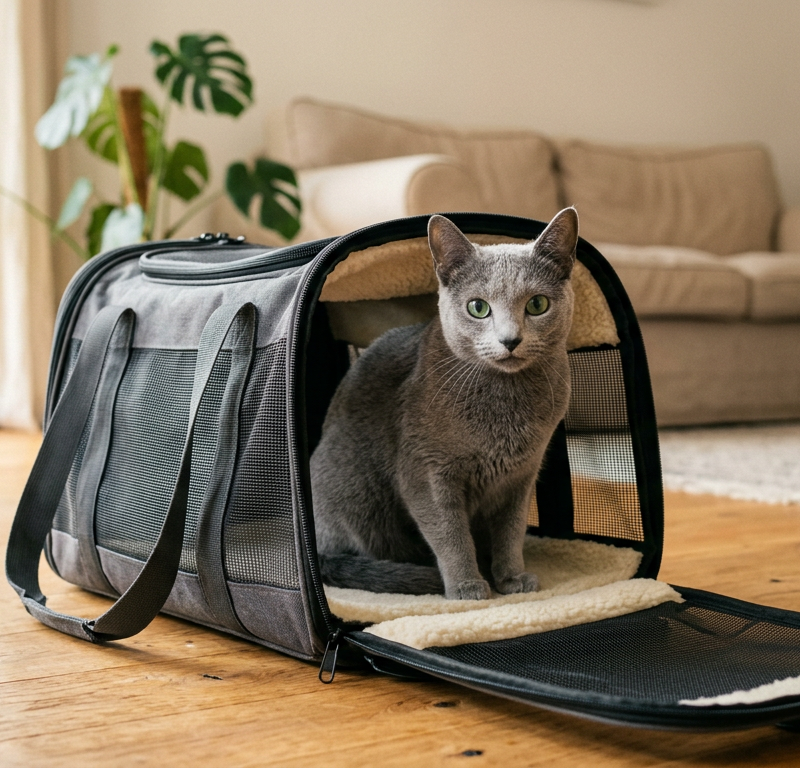
Exploring the world with your feline companion can be a rewarding experience, but it requires careful preparation to ensure it is rewarding for everyone involved. Exploring the topic of traveling with your cat safely involves more than just buying a carrier; it encompasses a holistic look at your cat’s comfort, health, and security during the journey. Whether you are moving across the country or taking a short road trip, planning ahead is the key to a smooth experience.
Cats are notoriously territorial animals that often find comfort in the familiar scents and sounds of home. Disrupting this routine can lead to stress, which is why a gradual approach is always best. By following a structured plan, you can help your cat view the carrier and the car—or even an airplane—as safe extensions of their home environment. For more general tips on keeping your feline friend happy, check out our guide on Cat Care Essentials.
Choosing the Right Carrier for Safe Travel
The foundation of traveling with your cat safely starts with a high-quality carrier. A secure, well-ventilated carrier prevents your cat from escaping and protects them in the event of sudden stops. Hard-sided carriers are often preferred for their durability, while soft-sided versions can be more comfortable for short distances or airline cabin travel.
Size is a critical factor when selecting your gear. Your cat should be able to stand up, turn around, and lie down comfortably, but the space shouldn't be so large that they slide around during movement. Consider a carrier with both top and front-loading doors, as this gives you flexibility if your cat is hesitant to enter from the front.
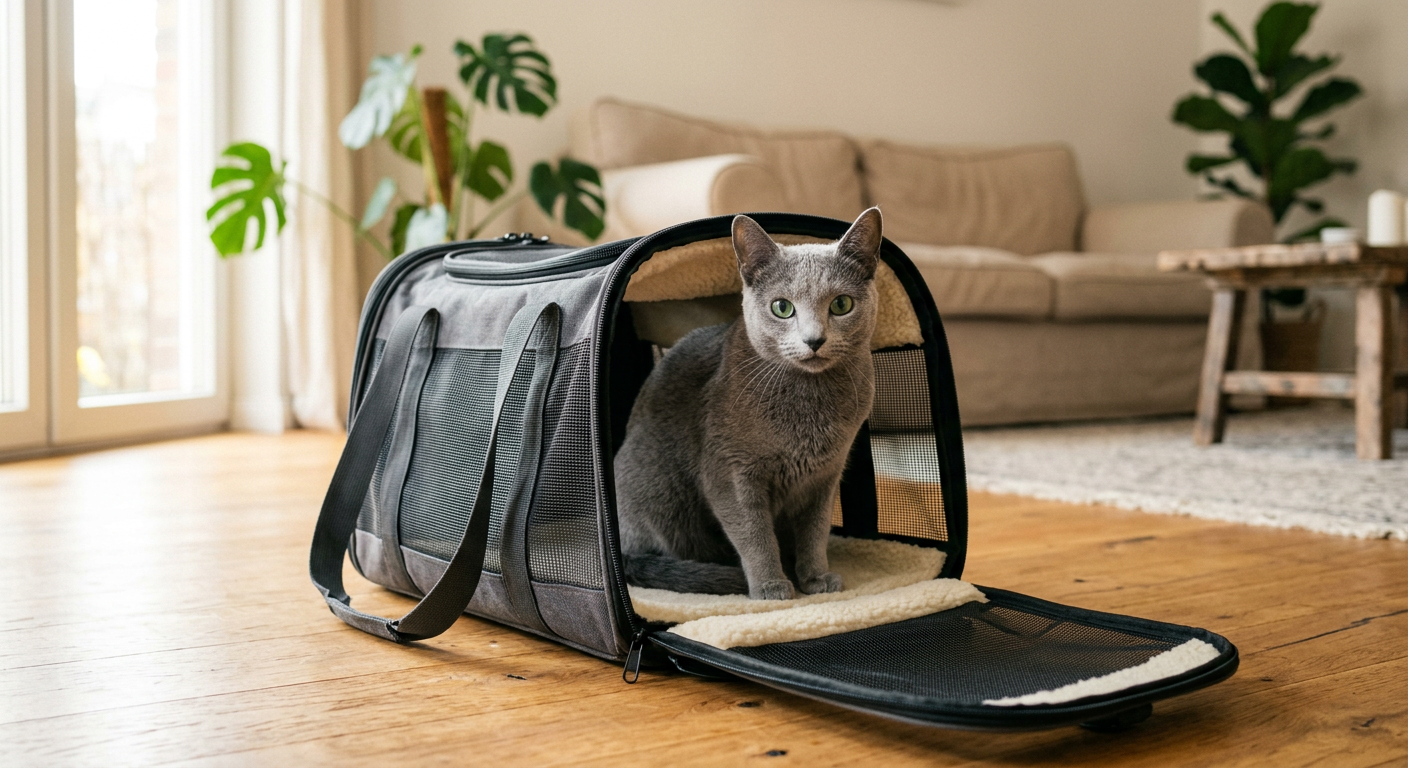
Acclimatizing Your Cat to the Carrier
Don't wait until the day of your trip to introduce the carrier. Place it in a common area several weeks before your departure, leaving the door open. Encourage your cat to explore it by placing treats, toys, or familiar bedding inside to create a positive association.
Once your cat is comfortable lounging inside, practice closing the door for short intervals. Gradually increase the duration while offering verbal praise and rewards. This incremental training helps reduce the anxiety often associated with being confined.
Vehicle Safety and Road Trip Logistics
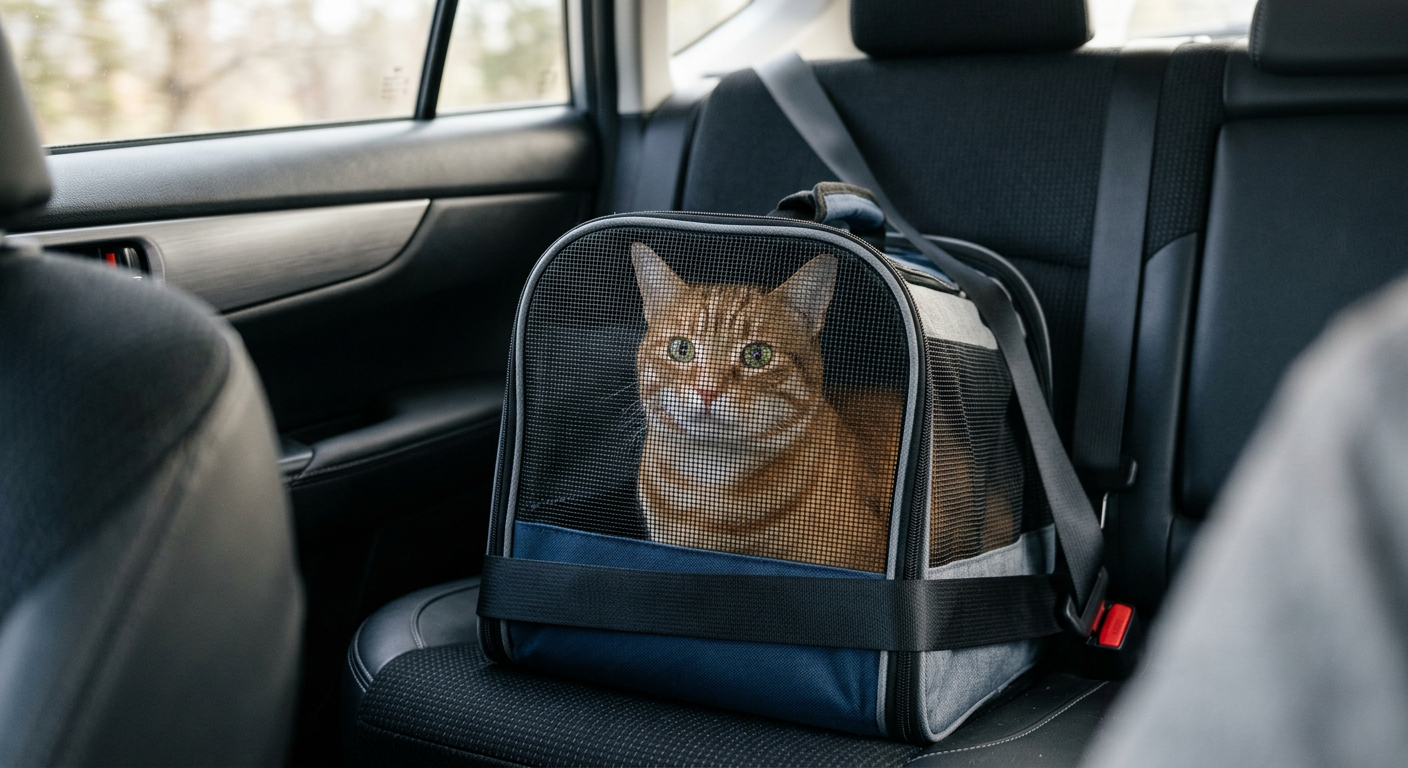
When traveling by car, the carrier must be secured using a seatbelt or placed on the floor behind the front seats. This prevents the carrier from becoming a projectile during a sudden brake. Never allow your cat to roam free in the vehicle, as they can cause distractions or get under the driver's pedals.
Temperature control is vital for feline wellness. Cats can overheat quickly in a parked car, even with the windows cracked. Ensure the air conditioning or heater is reaching the carrier effectively, and never leave your cat unattended in a vehicle for any length of time.
- Secure the carrier with a seatbelt or cargo straps.
- Keep the volume of the radio low to avoid overstimulating your cat.
- Plan for frequent stops if the journey exceeds four to five hours.
- Use sunshades on the windows to keep the interior cool.
Managing Motion Sickness and Anxiety
Some cats experience nausea or anxiety while in motion. If your cat tends to vocalize excessively or drool during car rides, consult your veterinarian about proactive care options. They may suggest feline-specific pheromone sprays or, in some cases, mild supplements to help your pet remain calm.
Avoid feeding your cat a large meal right before you depart. A light meal three to four hours before the trip usually helps prevent an upset stomach. Always have fresh water available, particularly during rest stops, to keep them hydrated throughout the day.
Air Travel Considerations for Cats
Flying requires a different level of logistics compared to road travel. Most experts recommend keeping your cat in the cabin with you rather than in the cargo hold. Each airline has specific dimensions for under-seat carriers, so verify these requirements well in advance of your booking.
Contact the airline directly to reserve a spot for your pet, as many flights limit the number of animals allowed in the cabin. You will also need a health certificate from your veterinarian, usually issued within ten days of travel, confirming that your cat is fit to fly and up to date on vaccinations.
If you are traveling with a specific breed, such as a British Shorthair or a Maine Coon, be aware of their specific needs. Brachycephalic (flat-faced) breeds may have more difficulty breathing at high altitudes, making cabin travel even more essential for their safety.
Packing a Feline Travel Kit
Being prepared means having everything your cat needs within easy reach. A well-stocked travel kit ensures that you can handle unexpected delays without stress. Alongside food and water, remember to bring items that maintain a sense of routine and hygiene.
Include a small, portable litter box and a supply of the litter your cat uses at home. Sudden changes in litter type can cause some cats to avoid using the box, which can lead to accidents. For more on maintaining bathroom habits, see our article on Litter Box Training.
Essential Item Checklist
- Collapsible food and water bowls.
- A recent photo of your cat and physical copies of medical records.
- A harness and leash (for use during stops, never while the cat is in the carrier).
- A small first-aid kit including bandages and antiseptic wipes.
- Familiar-smelling blankets or an old t-shirt of yours.

Managing Stress at Your Destination
Arriving at a new location can be overwhelming for a cat. Upon arrival, set up a "home base" in a quiet room, such as a bathroom or spare bedroom. Set out their food, water, and litter box before letting them out of the carrier. This allows them to decompress in a controlled environment before exploring the rest of the space.
Maintain your regular feeding and playtime schedule as much as possible. Consistency provides a sense of security that helps cats adapt to new surroundings. If you are staying in a hotel, use "Do Not Disturb" signs to prevent housekeeping from accidentally letting your cat out of the room.
Final Thoughts on Traveling With Your Cat Safely
The key to a successful journey is patience and preparation. By taking the time to choose the right gear and acclimating your pet to the process, you ensure that traveling with your cat safely becomes a manageable part of your adventures together. Always prioritize your cat's comfort and consult with a vet if you have concerns about their health during transit.
Remember that every cat is an individual. Some may take to travel immediately, while others may require more time and gentle encouragement. With the right approach, you can create wonderful memories while exploring new horizons with your favorite feline friend.