Every dog owner wants their furry companion to feel safe and happy. While some signs of discomfort are obvious, others are subtle and easy to overlook. Learning to identify stress signals in dogs you might miss is a vital part of proactive pet care. By recognizing these quiet cues, you can step in early to help your dog feel more secure in their environment.
Dogs communicate primarily through body language rather than vocalization. Often, a dog that seems "well-behaved" or "quiet" is actually trying to communicate internal tension. Understanding these signals allows us to build a deeper bond of trust and ensures our pets live a life with minimal unnecessary anxiety. Let’s dive into the quiet ways your dog might be asking for a little extra space or support.
The Subtle Art of Displacement Behaviors
Displacement behaviors are normal dog actions performed out of context. Think of it like a human tapping their pen or adjusting their tie when they are nervous. In the canine world, these actions often look like everyday grooming or relaxation habits, which is why they are frequently missed by owners.
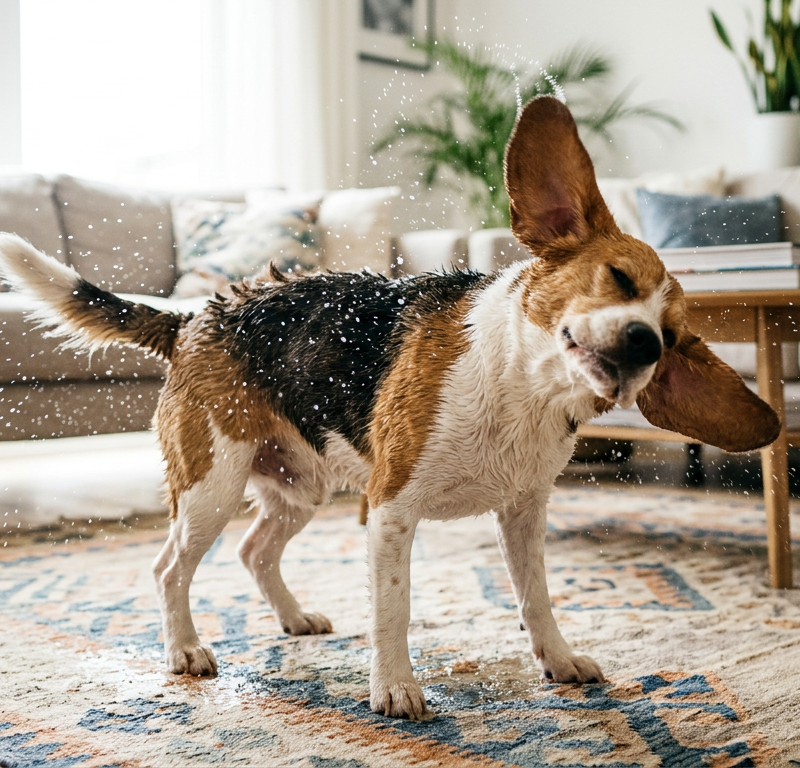
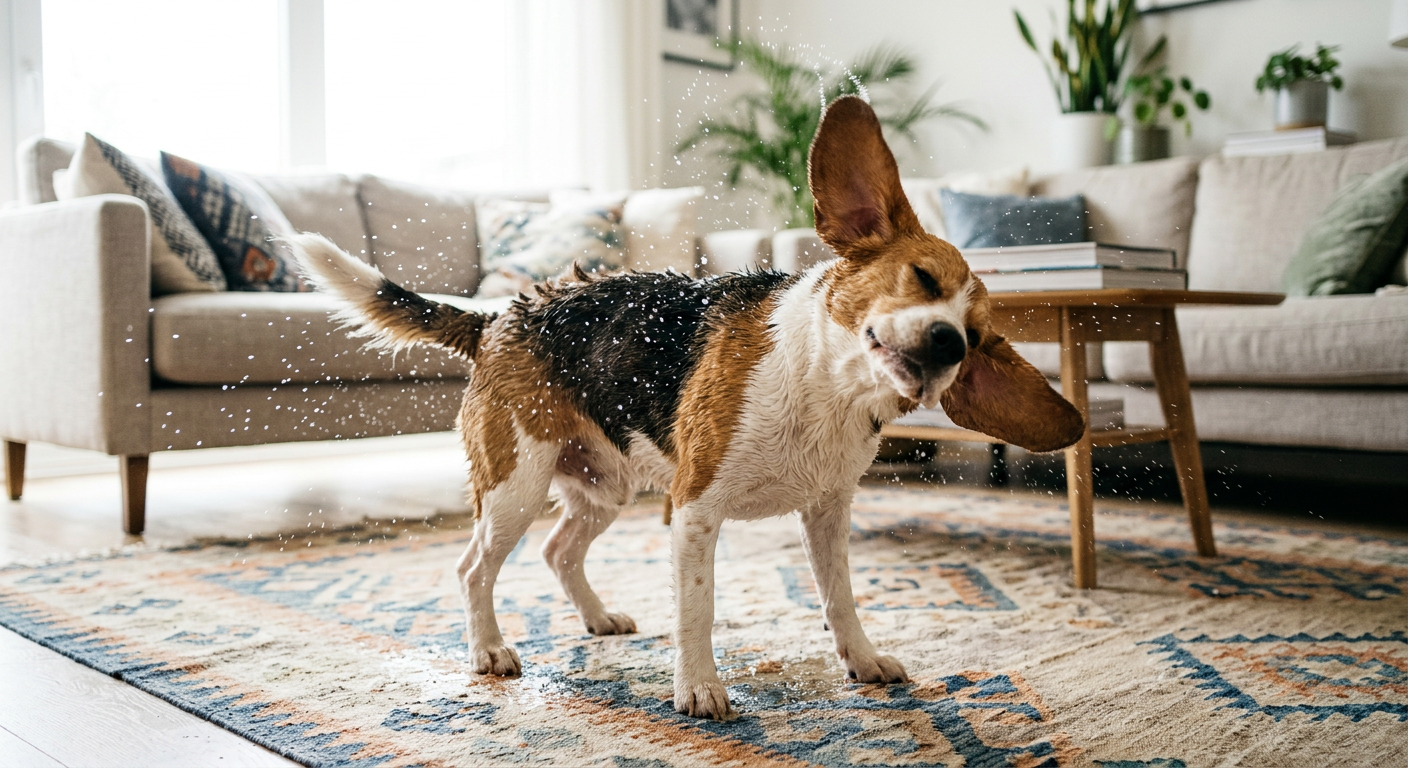
One of the most common signs is the "shake-off." Dogs often shake their entire bodies as if they are wet, even when they are bone dry. This usually happens after a stressful encounter, such as a greeting from a stranger or a visit to the vet. It is their way of literally "shaking off" the tension they just felt.
Another subtle signal is the sudden sniff. If your dog is walking toward something and suddenly stops to intensely sniff a patch of grass that seems unremarkable, they might be feeling uncertain. This "distraction" provides them with a moment to pause and assess the situation without showing direct confrontation or fear.
Yawning and Lip Licking
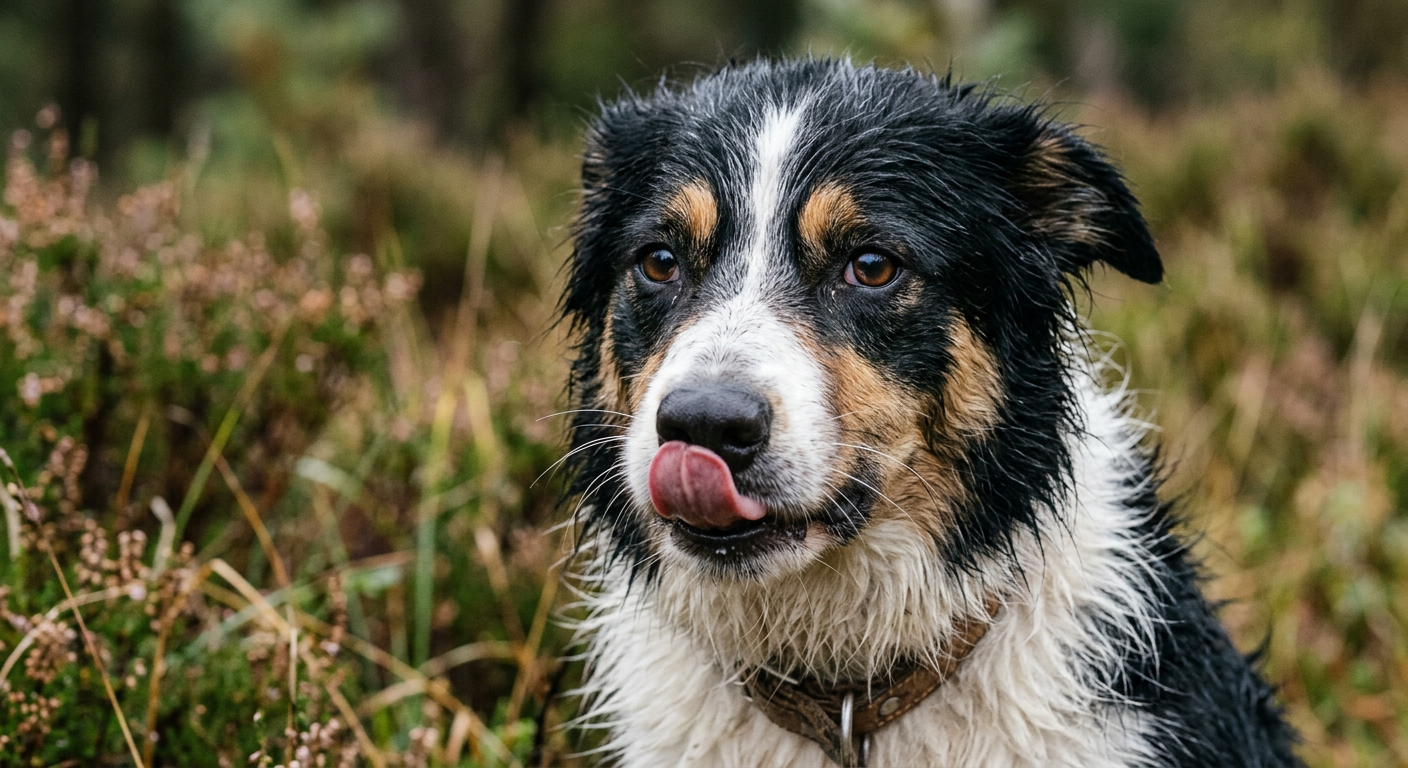
We often assume a dog is tired when they yawn, but a stress-induced yawn is usually wider and more intense. If your dog yawns while you are hugging them or during a training session, it’s a clear indication that they need a break. Similarly, a quick flick of the tongue to lick the nose—when no food is present—is a classic sign of unease.
These calming signals are meant to soothe both the dog and the individual they are interacting with. If you notice frequent lip licking during a playdate, it might be time to check the play dynamics and see if the dogs need a short "time-out" to lower their arousal levels.
Changes in Eyes and Facial Expressions
A dog's eyes can tell you a great deal about their internal state. One of the most telling stress signals in dogs you might miss is "whale eye." This occurs when a dog turns their head slightly away but keeps their eyes fixed on a perceived threat, exposing the white parts (sclera) of their eyes.
Whale eye is often seen when a dog is guarding a toy or feeling crowded. It is a precursor to more defensive behaviors, so it is important to give the dog space immediately when you see it. Beyond the eyes, look at the brow. A furrowed brow or "worried" expression that isn't typical for your dog’s breed can indicate mental strain.
Muzzle tension is another quiet cue. A relaxed dog usually has a "soft" face with a slightly open mouth or loose lips. If you notice your dog’s mouth is tightly shut and the corners of their lips are pulled back or forward into a "long lip," they are likely experiencing some level of discomfort. These facial changes are much subtler than a growl but just as communicative.
Body Posture and Weight Distribution
How a dog carries their weight says a lot about their confidence. A stressed dog will often shift their weight toward their hind legs, prepping for a quick exit if needed. This "leaning away" can be very slight. You might only notice it if you see they are no longer leaning into your hand for pets.
The tail is another area where signals are misread. While we often associate wagging with happiness, the height and speed matter. A low, slow wag or a tail tucked tightly between the legs are well-known signs, but a "flagpole" tail—carried very high and vibrating—can indicate high arousal or stress. For more on this, you can read about decoding the wag.
- The Paw Lift: A dog lifting one front paw while standing still is often a sign of budding anxiety or indecision.
- Shedding and Dandruff: Sudden, heavy shedding (often called "stress shedding") or the appearance of "stress flakes" can happen during high-tension events.
- Sweaty Paws: Just like humans get sweaty palms, dogs can leave damp paw prints on the floor or vet table when they are nervous.
The Impact of Breed and Age on Communication
It is important to remember that physical traits can hide or accentuate these signals. For example, a French Bulldog with a naturally wrinkled face might make a furrowed brow harder to spot. Conversely, breeds with long fur may hide the tension in their neck or shoulders.
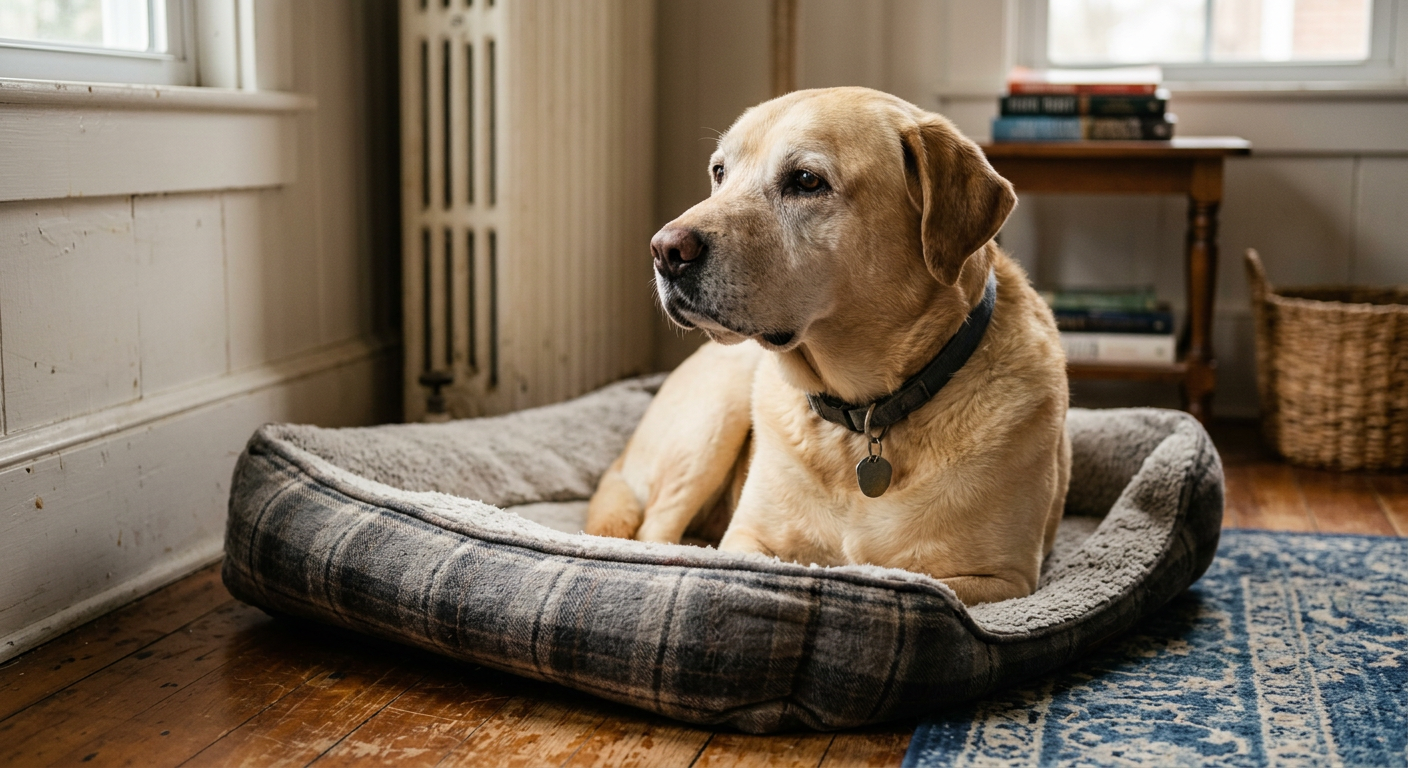
Age also plays a role in how stress is expressed. An older dog might be more prone to irritability due to physical discomfort, making them quicker to show these signals in environments they once handled with ease. Knowing your dog's "baseline" behavior is the best way to spot when something is off.
If you are raising a puppy, these signals are your best tool for socialization. Instead of pushing a puppy to "face their fears," watch for these quiet cues. If they start lip licking or sniffing the ground excessively, it is a sign that the current environment is a bit too much for them, and you should move to a quieter area.
Environmental Management and Support
Once you begin noticing these stress signals in dogs you might miss, the next step is knowing how to respond. The most helpful thing you can do is provide "choice." If your dog is showing signs of unease while being petted, stop. See if they move toward you for more or if they take the opportunity to move away.
Creating a "safe zone" in your home—like a crate or a specific bed in a quiet corner—gives your dog a place to retreat when they feel overwhelmed. Always ensure that children and guests respect this safe zone. For breeds like the Doberman Pinscher or German Shepherd, having a job or a focused activity can also help redirect nervous energy.
If you find that your dog is frequently displaying these signals even in calm environments, it may be a wellness consideration. Chronic stress can impact a dog's health over time. In these cases, a consultation with a veterinarian or a certified professional dog trainer can help you develop a plan to increase your dog's confidence and comfort.
Conclusion
Identifying the subtle stress signals in dogs you might miss is one of the greatest gifts you can give your pet. By paying attention to the flick of a tongue, the lift of a paw, or a sudden "shake-off," you are showing your dog that you hear them. This silent dialogue is the foundation of a healthy, happy relationship where your dog feels truly understood and protected.