If you have ever felt your bunny vibrating or heard a faint, rhythmic sound while stroking their ears, you are likely experiencing a delightful behavior known as "tooth purring." A rabbit grinding teeth softly while being petted is one of the most rewarding signals a bunny owner can receive. Unlike the loud, sharp grinding that indicates discomfort, this soft clicking sounds like a tiny woodpecker or a muffled vibration through the skull.
Understanding these subtle vocalizations is a key part of bond-building. Rabbits are prey animals, so they communicate through nuanced body language and quiet sounds rather than loud barks or meows. When you take the time to learn these signals, you create a deeper connection with your long-eared companion. This specific tooth-clicking behavior is almost always a sign that your rabbit feels safe, loved, and physically relaxed in your presence.
The Science of the Rabbit Tooth Purr
Technically called "bruxing," this soft grinding occurs when a rabbit lightly rubs their cheek teeth together. While cats use their vocal cords to purr, rabbits use their dental anatomy to express similar feelings of contentment. This vibration often spreads from the jaw throughout the entire head, which is why you can often feel it more clearly than you can hear it.
How to Identify the Sound
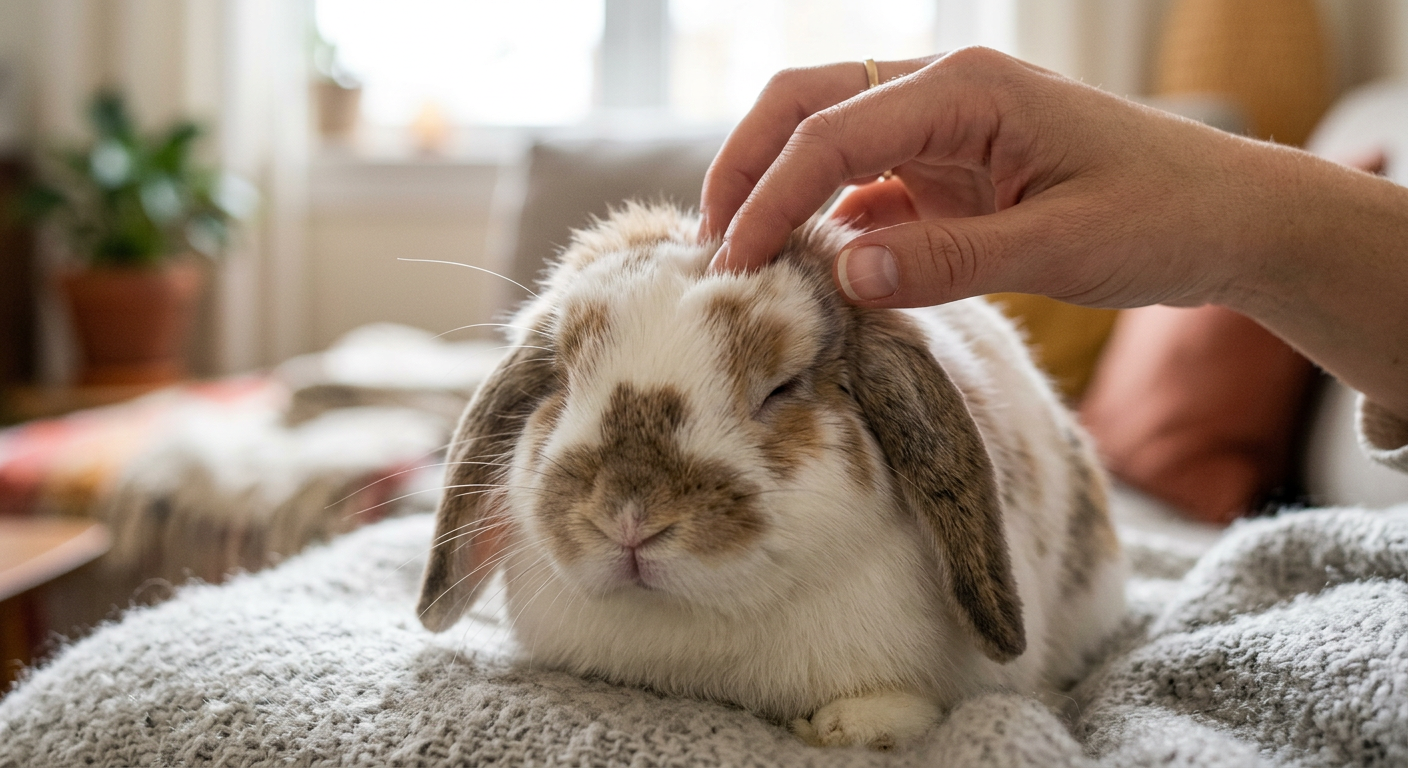
To the untrained ear, it might be hard to catch. It is a very rapid, light clicking sound. If you are petting your rabbit's forehead or the base of their ears, you might feel their jaw moving rhythmically. This is a physiological response to tactile pleasure, much like how a human might sigh or relax their shoulders during a massage.
The Difference Between Happiness and Pain
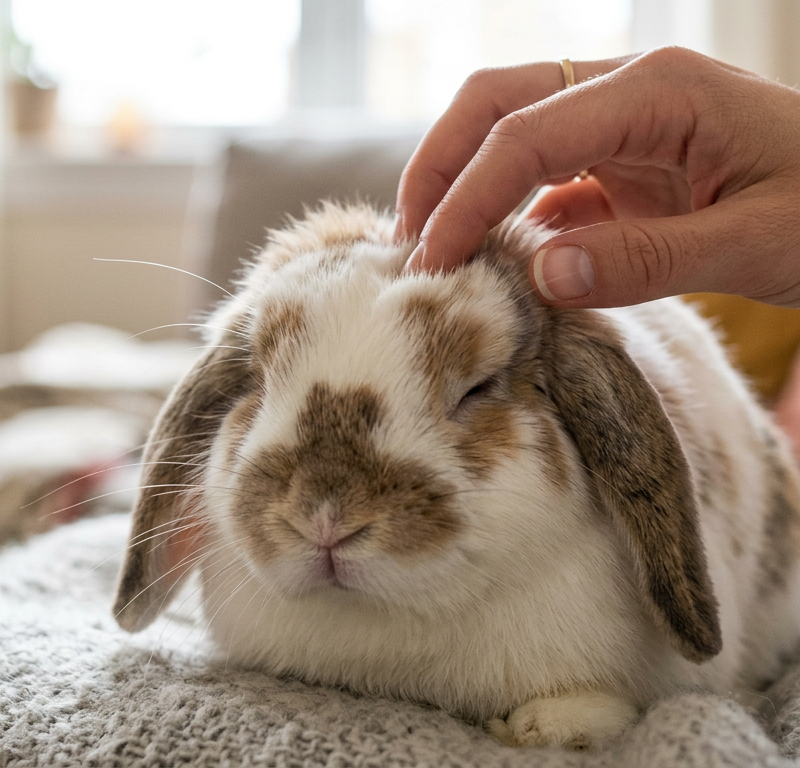
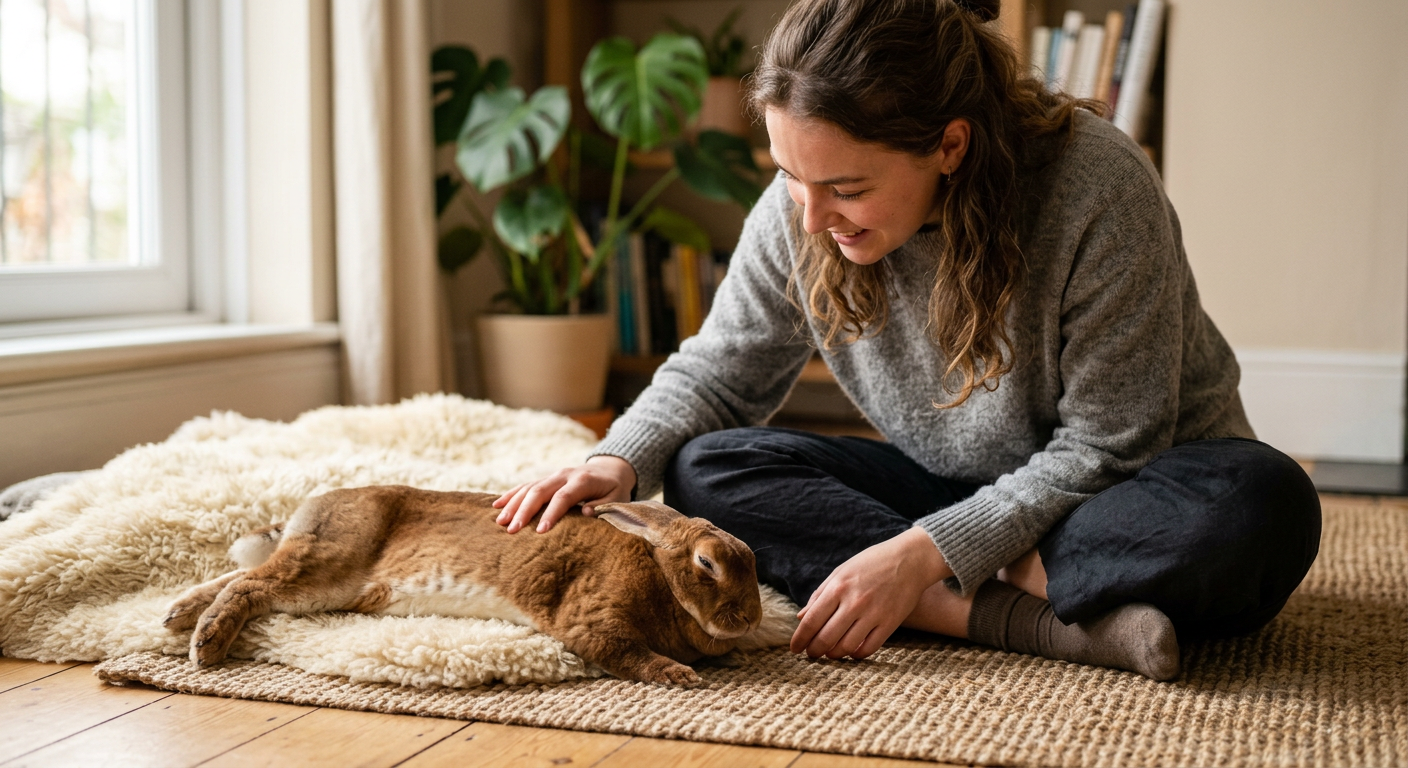
It is vital for every owner to distinguish between a happy purr and a "pain grind." A happy rabbit grinding teeth softly while being petted will have relaxed body language. Their eyes might be half-closed, their ears will be in a neutral or back position, and their body will be sprawled or "loafed" in a comfortable way. In contrast, a rabbit in pain will exhibit loud, "crunchy" grinding, often accompanied by hunched posture and squinted eyes.
Why Rabbits Choose to Purr While Being Petted
Petting mimics the social grooming behavior rabbits perform in the wild. In a warren, rabbits groom each other to strengthen social bonds and show hierarchy. When you pet your rabbit, you are participating in this social ritual. The soft grinding of teeth is their way of "grooming you back" or acknowledging the pleasure of the interaction.
Rabbits are particularly fond of being petted on the forehead, cheeks, and behind the ears. These areas have many scent glands and are spots they cannot reach easily themselves. When you hit the "sweet spot," the bruxing usually intensifies. If you are interested in other ways rabbits show joy, you might want to read about rabbit binkying behavior and how it complements their quiet purring.
Context Matters in Rabbit Communication
While stroking your bunny is the most common trigger for this behavior, you might notice it at other times of the day. A rabbit who has just finished a delicious meal of fresh greens might sit quietly and grind their teeth softly as they settle into a nap. This follows the same logic: they are satisfied, full, and relaxed.
Safe Environments and Trust
A rabbit will only tooth-purr when they feel completely secure in their environment. If there are loud noises, unfamiliar predatory scents (like a new dog), or sudden movements, the grinding will stop instantly. Seeing your rabbit grind their teeth while you pet them is a testament to the trust you have built. It means they do not view you as a threat, but as a member of their trusted inner circle.
Comparing Common Behaviors
- Soft Grinding: Contentment, relaxation, and social bonding.
- Loud Grinding: Discomfort, dental issues, or internal wellness concerns.
- Chinning: Rubbing their chin on objects (or you) to mark territory.
- Thumping: A warning signal or expression of annoyance.
If you find that your rabbit is expressing their emotions through more physical displays, such as running in circles around you, you can learn more about the rabbit circling meaning to better understand their social intentions.
What to Do if the Grinding Becomes Loud
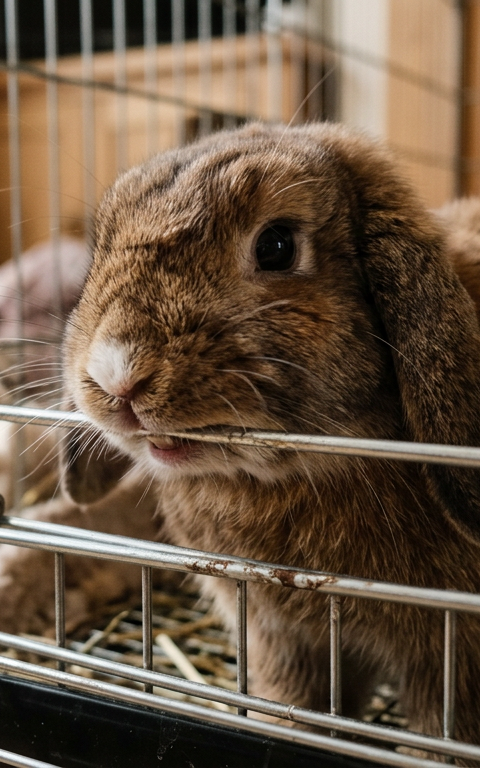
While a rabbit grinding teeth softly while being petted is a wonderful sign, you should always stay observant. If the soft purr turns into a loud, persistent grinding sound that you can hear from across the room, it is time to look closer at your bunny's health. This is often the first sign that a rabbit is feeling under the weather or experiencing dental discomfort.
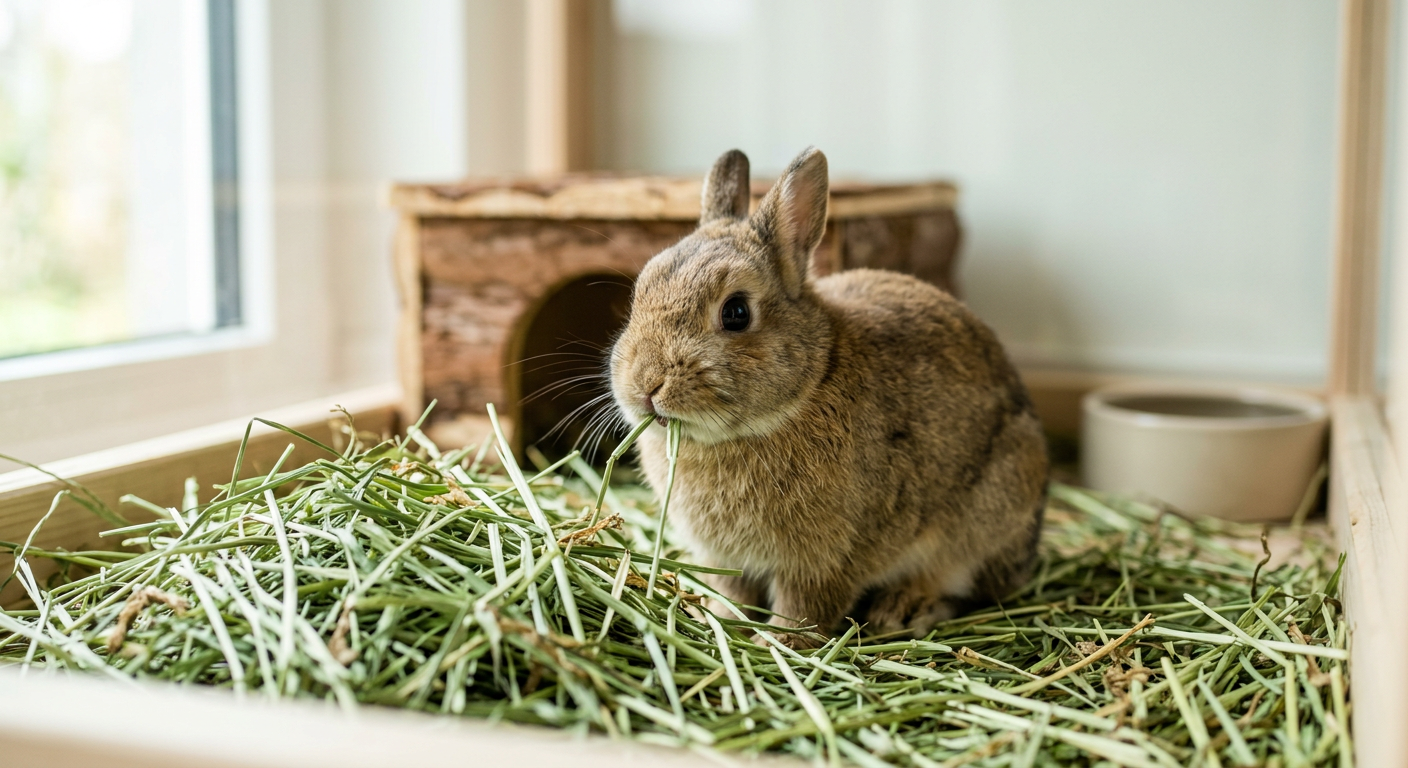
Rabbits have teeth that grow continuously throughout their lives. If they do not have enough hay to wear those teeth down, they can develop sharp points that make closing their mouth uncomfortable. In these cases, the grinding is a way of trying to shift the jaw to find relief. If you notice loud grinding, particularly if the rabbit is refusing food, please consult a rabbit-savvy veterinarian immediately for a wellness check.
Enhancing Your Petting Sessions
To encourage more of those happy tooth purrs, create a calming routine. Most rabbits prefer you to come down to their level rather than picking them up. Sit on the floor and let them approach you. Start with slow, gentle strokes from the nose up toward the ears. Many rabbits also enjoy a light cheek massage using your fingertips in a circular motion.
Pay attention to your rabbit's feedback. If they nudge your hand when you stop, they are asking for more! If they move away, respect their space. This mutual respect is what leads to those long, afternoon sessions of soft tooth clicking and total relaxation. For more tips on interpreting your bun's daily actions, check out our guide on decoding rabbit body language.
Conclusion
Noticing your rabbit grinding teeth softly while being petted is one of the most heart-warming experiences a pet parent can have. It is a quiet "thank you" and a sign of ultimate relaxation. By staying attentive to the volume of the sound and the context of the situation, you can ensure your rabbit stays happy and healthy while enjoying your special bond together.