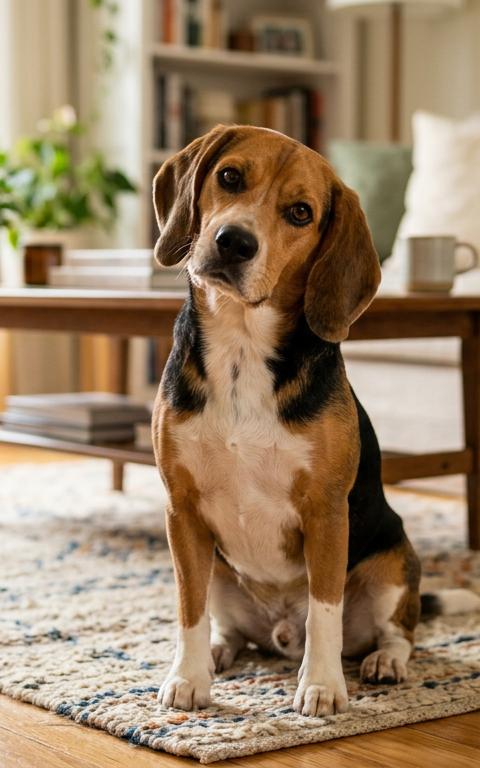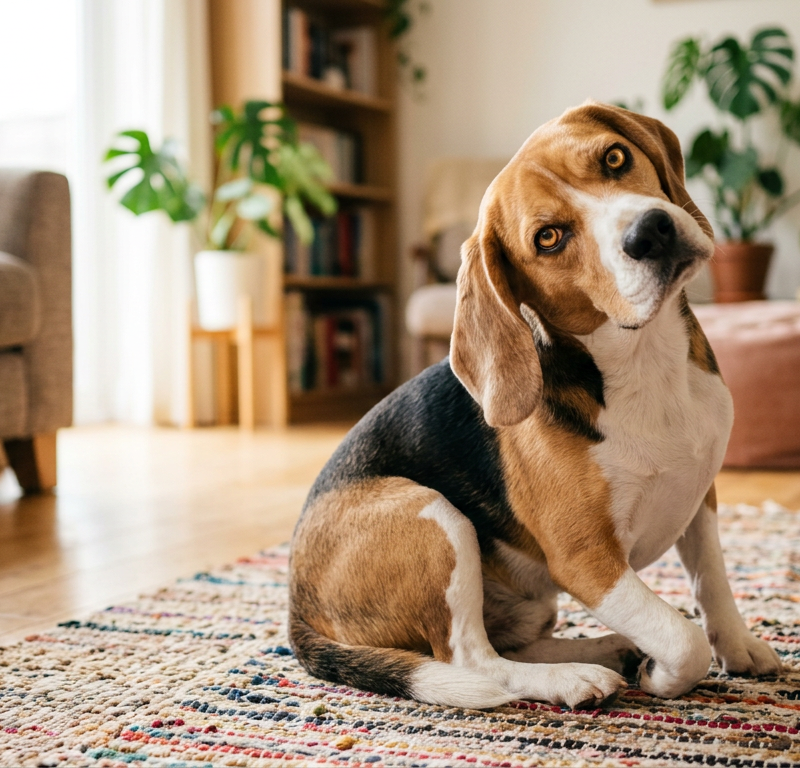
It can be puzzling when you notice your dog shaking head but no ear infection seems to be the obvious culprit. As pet parents, we often associate vigorous head flapping with itchy or red ears, but sometimes the cause is less visible to the naked eye. While occasional shaking is normal behavior—much like how we might scratch an itch—frequent or repetitive shaking indicates that something is bothering your pup's sensory system.
Understanding why this happens requires a look at canine anatomy and environmental factors. Dogs use their heads to communicate, dry off, and reset their equilibrium. When the behavior becomes persistent, it is a signal to investigate further. By observing the context of the shaking, you can provide better information to your veterinarian during a wellness check.
If you are curious about how your dog's age might be influencing their overall health and sensitivity to environmental triggers, you might want to check out our Labrador Retriever age calculator or similar tools for your specific breed to stay ahead of their wellness needs.
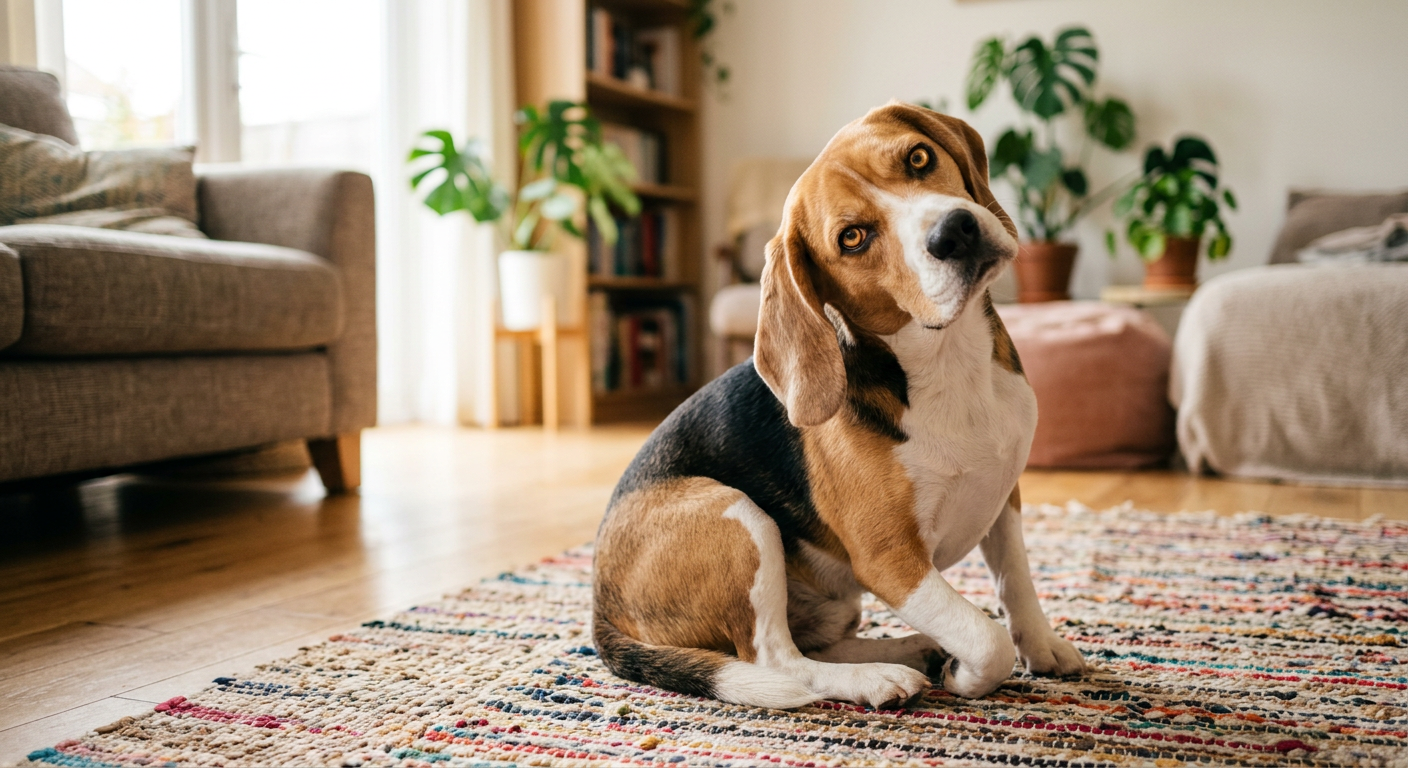
Common Environmental Triggers for Head Shaking
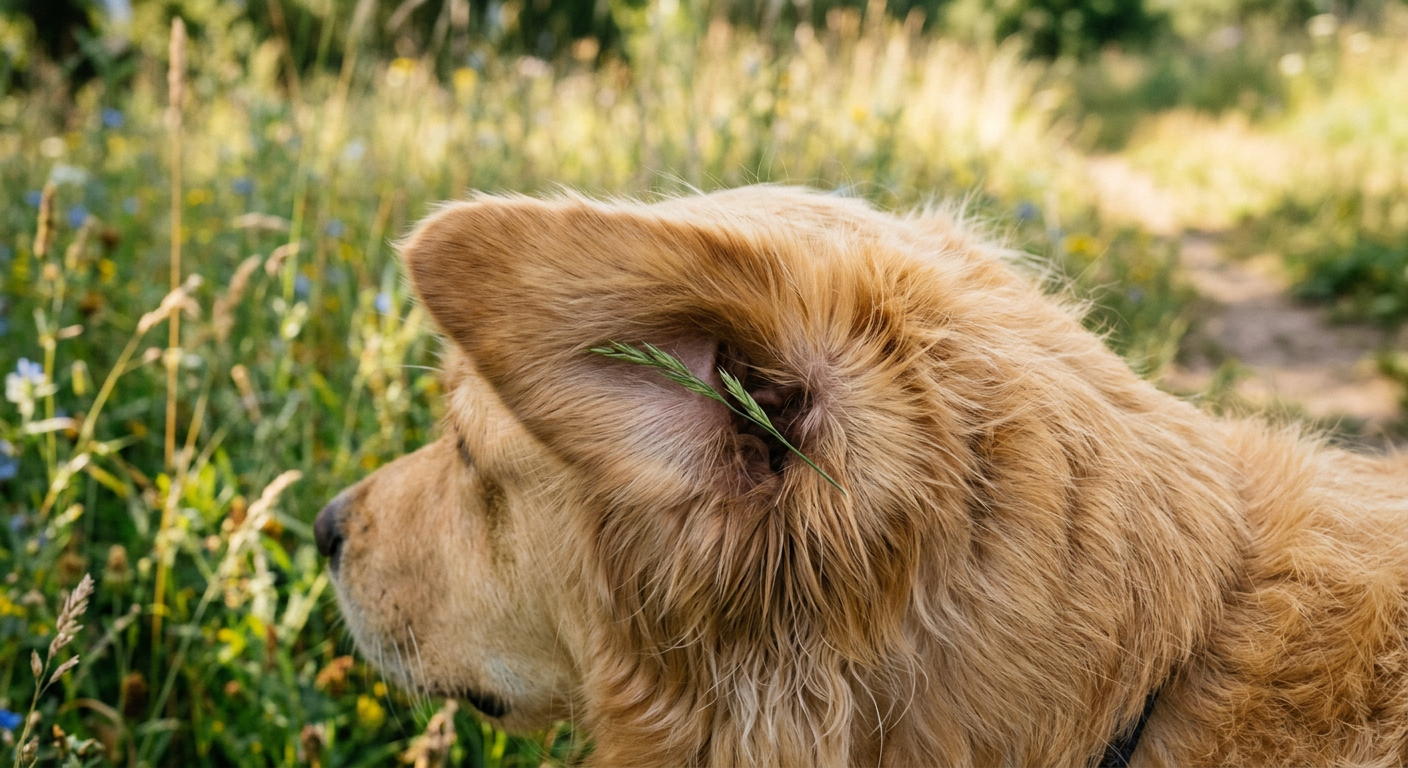
One of the most frequent reasons for a dog to shake their head without an active infection is the presence of a foreign object. During a walk in the park or a run through tall grass, small debris like seeds, blades of grass, or "foxtails" can easily find their way into the ear canal. Because these objects are physical irritants, the dog shakes instinctively to dislodge them.
Water in the ears is another common non-infectious cause. Whether it is from a recent bath, a swim in the pond, or even a rainy walk, moisture trapped deep in the canal creates a heavy sensation. Dogs will continue to shake until the ear feels dry. Ensuring you dry their ears gently after water activities can help minimize this behavior.
Allergies also play a massive role in canine comfort. Environmental allergens like pollen, dust mites, or mold can cause inflammation in the skin of the ear flap and the beginning of the canal. This itching, known as pruritus, often occurs before a secondary infection ever starts. In these cases, the ears might look clean, but the dog still feels a significant amount of discomfort.
Neurological and Structural Considerations
Sometimes the root of the problem isn't in the ear canal at all. Neurological issues, though less common, can manifest as repetitive head movements. Conditions affecting the vestibular system—which controls balance—can make a dog feel dizzy or off-kilter, leading them to tilt or shake their head to "reset" their internal compass.
Oral health is another surprising factor. Because the nerves in the jaw and teeth are located so close to the ear structure, a dog with a cracked tooth or gum inflammation may shake their head to alleviate referred pain. This is why a full physical examination by a vet is so important; they look beyond just the ears to find the source of the irritation.
When to Suspect Foreign Bodies
If your dog suddenly starts shaking their head violently after being outdoors, it is highly likely something became lodged in the ear. Unlike an infection which typically develops over a few days, foreign body irritation is usually immediate and intense. You might also notice them pawing at the ear or rubbing their head against the furniture.
- Check for small bits of vegetation around the ear flap.
- Look for signs of localized redness or scratches.
- Observe if the shaking is isolated to one specific side.
- Note if the behavior started immediately after a specific activity.
If you notice other unusual signs along with head shaking, such as a dog keeping one eye closed but not squinting, it could indicate a more generalized irritation or a neurological flare-up that needs professional attention.
Inflammation Without Active Infection
A dog can experience "otitis externa" (inflammation of the outer ear) without having a bacterial or yeast overgrowth. This sterile inflammation is often the precursor to an infection. When the lining of the ear becomes swollen due to heat or minor irritation, it changes the way air flows through the canal, making the dog feel like their ear is "plugged."
Vasculitis, or inflammation of the blood vessels in the ear flaps, can also cause discomfort. This is often seen in certain breeds or as a reaction to extreme cold. The tips of the ears may feel slightly thickened or have small crusts, prompting the dog to shake their head to seek relief from the tingling or itching sensation.
To understand if your breed is more prone to these types of structural or inflammatory issues, comparing them with similar breeds can be helpful. For example, looking at a Beagle vs Poodle comparison can highlight how ear shape and hair growth within the canal impact their susceptibility to non-infectious head shaking.
How to Safely Inspect Your Dogs Ears
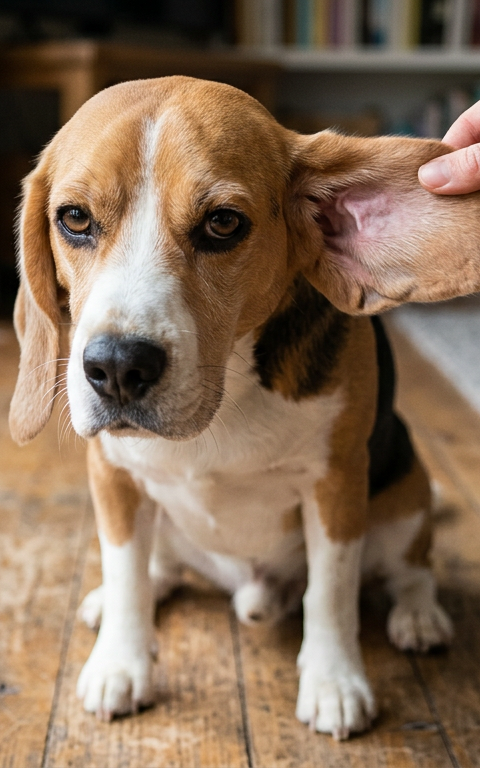
If you see your dog shaking head but no ear infection symptoms like "smelly" ears or discharge appear, you should perform a calm home inspection. Start by gently lifting the ear flap and looking at the skin. It should be a healthy pale pink. If it looks bright red or feels hot, inflammation is present even if there is no "gunk" yet.
Avoid sticking cotton swabs into the ear canal, as this can push debris deeper or damage the delicate eardrum. Instead, use a flashlight to look for any visible obstructions. If you see something lodged deep, do not attempt to remove it yourself with tweezers; this is a job for a professional who can sedate the dog if necessary to prevent injury.
Maintaining a regular cleaning schedule with a vet-approved cleanser can help prevent the buildup of wax that might cause mild irritation. However, over-cleaning can also lead to problems by stripping away the ear's natural protective oils, which ironically causes more itching and head shaking.
Indicators of Hidden Issues
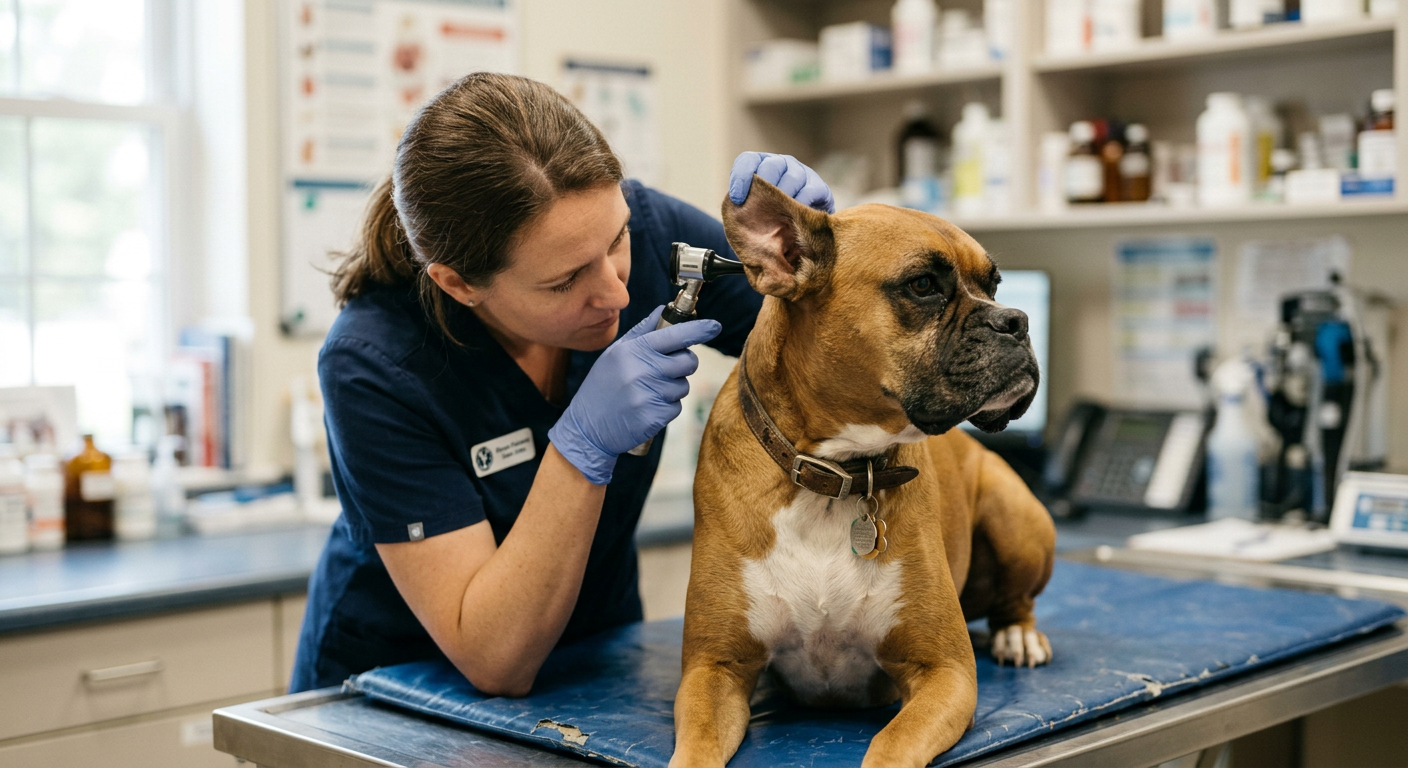
Sometimes the issue is deeper than the external canal. Middle ear issues can cause head shaking without any visible signs in the outer ear. A veterinarian will use an otoscope to look at the eardrum. If the eardrum is bulging or retracted, it indicates pressure changes that the dog is trying to "pop" by shaking their head, much like how humans try to clear their ears during a flight.
- Persistent shaking that lasts more than 24 hours.
- A noticeable head tilt to one side.
- Loss of balance or stumbling while walking.
- Sensitivity when the base of the ear is touched.
Managing Head Shaking at Home
While you wait for your veterinary appointment, focus on keeping your dog calm and preventing secondary injuries. Vigorous shaking can lead to an "aural hematoma," where a blood vessel in the ear flap bursts from the force of the flapping, causing the ear to swell like a pillow. This is a common complication of untreated head shaking.
If your dog is rubbing their face on the carpet, they might also be dealing with nasal or eye issues. Signs like a dog nose dry and cracked on one side only can sometimes accompany head shaking if the dog is experiencing localized facial nerve sensitivity or allergies.
In many cases, simply switching to a hypoallergenic shampoo or being more diligent about drying their ears after outdoor play can resolve the issue. If the shaking is linked to anxiety, creating a quiet space during stressful events like thunderstorms can reduce the frequency of the behavior.
Summary of Wellness Considerations
In conclusion, seeing a dog shaking head but no ear infection can be confusing, but it is usually a clear sign of minor irritation, allergies, or an invisible physical obstruction. By paying close attention to when the shaking occurs and what other symptoms might be present, you can help your vet narrow down the cause quickly. Whether it is a simple blade of grass or a seasonal allergy, early intervention ensures your dog stays comfortable and happy.
Always prioritize a professional consultation if the behavior persists. Most non-infectious causes are easily managed once identified, allowing your pup to get back to their normal, shake-free self. Keeping an eye on their overall wellness—from their ears to any potential yellow discharge from one eye—is the hallmark of a proactive and loving pet owner.