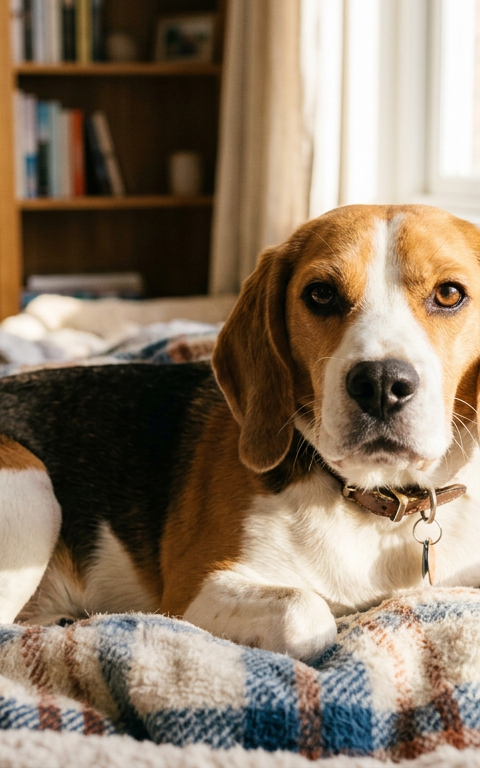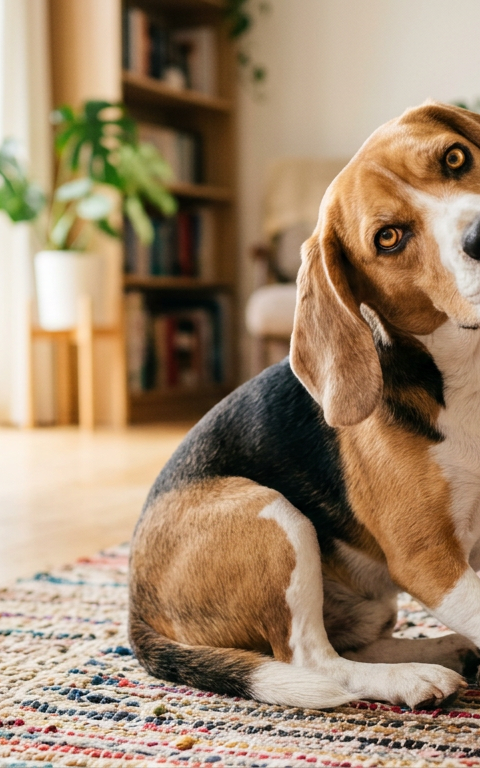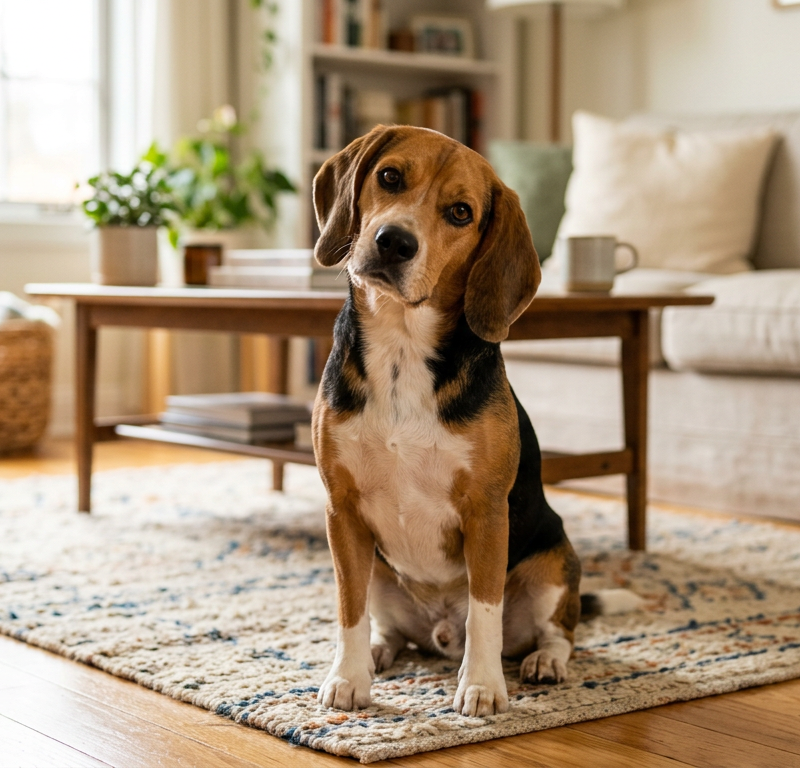
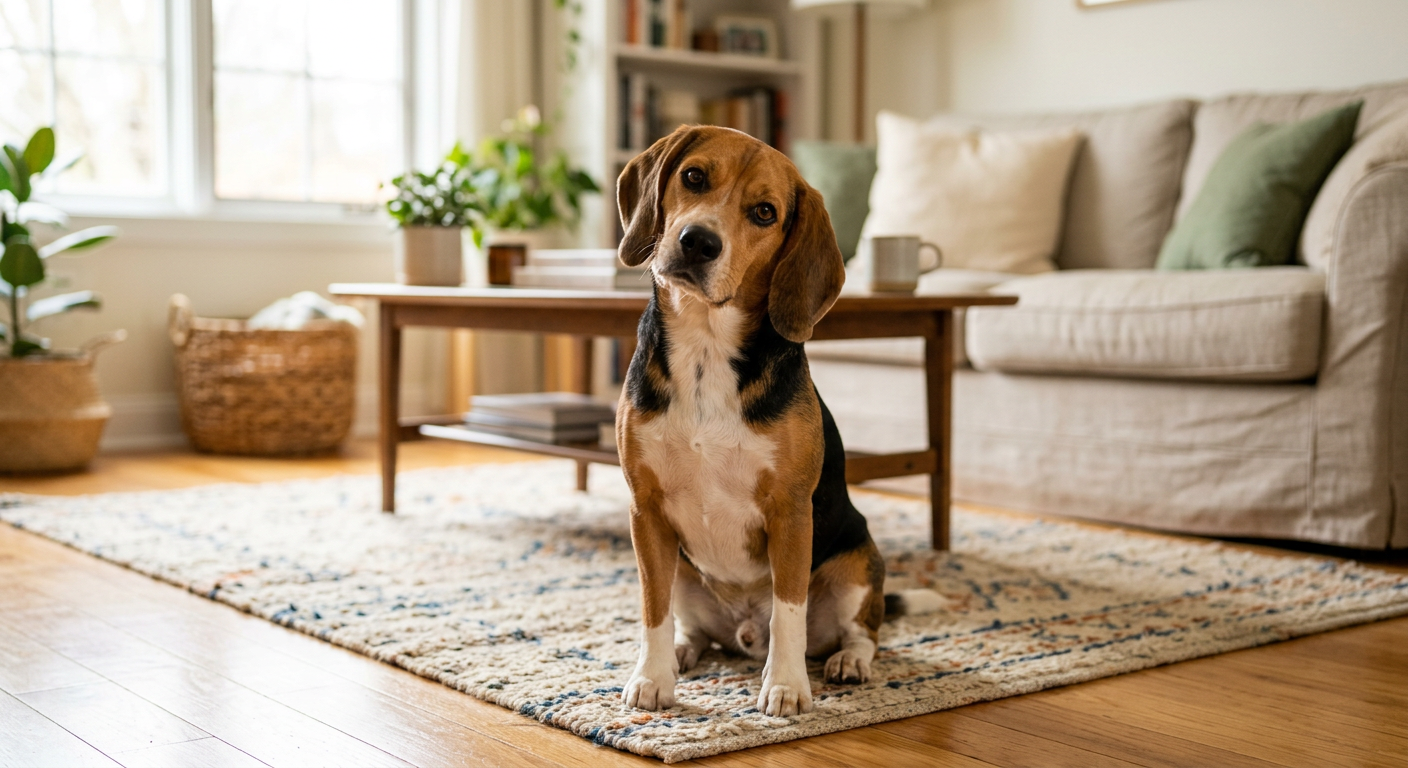
Seeing your furry companion offer a curious tilt is often one of the most endearing behaviors a pet parent can witness. However, when you notice your dog tilting head to one side constantly, it transitions from a cute quirk to a sign that your dog may be experiencing discomfort or a balance issue. Understanding why this happens is the first step in ensuring your pup stays happy and healthy.
A persistent tilt usually indicates that the dog's sensory system—specifically the part responsible for balance—is receiving uneven signals. While an occasional tilt during a conversation is just your dog trying to hear you better, a constant lean suggests a physical cause. In this guide, we will explore the common reasons for this behavior and how you can support your dog's wellness.
Understanding the Vestibular System in Dogs
To understand why a dog might keep their head at an angle, we first need to look at the vestibular system. This complex network is located in the inner ear and the brain. It acts like a biological gyroscope, telling your dog which way is up and helping them maintain their balance while moving.
When something interferes with this system, the dog may feel like the world is spinning or tilted. To compensate for this dizzy sensation, they instinctively lean or tilt their head toward the side that feels "off." This is often a proactive way for their body to try and find a new center of gravity.
Central vs. Peripheral Vestibular Issues
Veterinarians generally categorize these balance concerns into two groups: peripheral and central. Peripheral issues are more common and involve the inner or middle ear. These are often easier to manage with the right care and professional guidance.
Central issues involve the brain itself. While these sound more serious, many dogs live long, full lives with proper management. If your dog is a senior, you might be curious about how their age plays into these changes. You can check their life stage using our German Shepherd age calculator or similar tools for your specific breed to see if they have entered their senior years.
Common Causes for a Persistent Head Tilt
There are several reasons why your dog might be struggling to keep their head straight. Identifying the underlying cause requires a close look at their environment and physical condition. Here are the most frequent wellness considerations:
- Ear Canal Issues: Deep-seated debris or wax buildup can cause pressure that affects balance.
- Environmental Irritants: Small seeds, grass awns, or hair trapped deep in the ear can cause constant tilting.
- Inner Ear Inflammation: Often following a standard ear surface issue, inflammation can migrate deeper into the sensitive structures of the head.
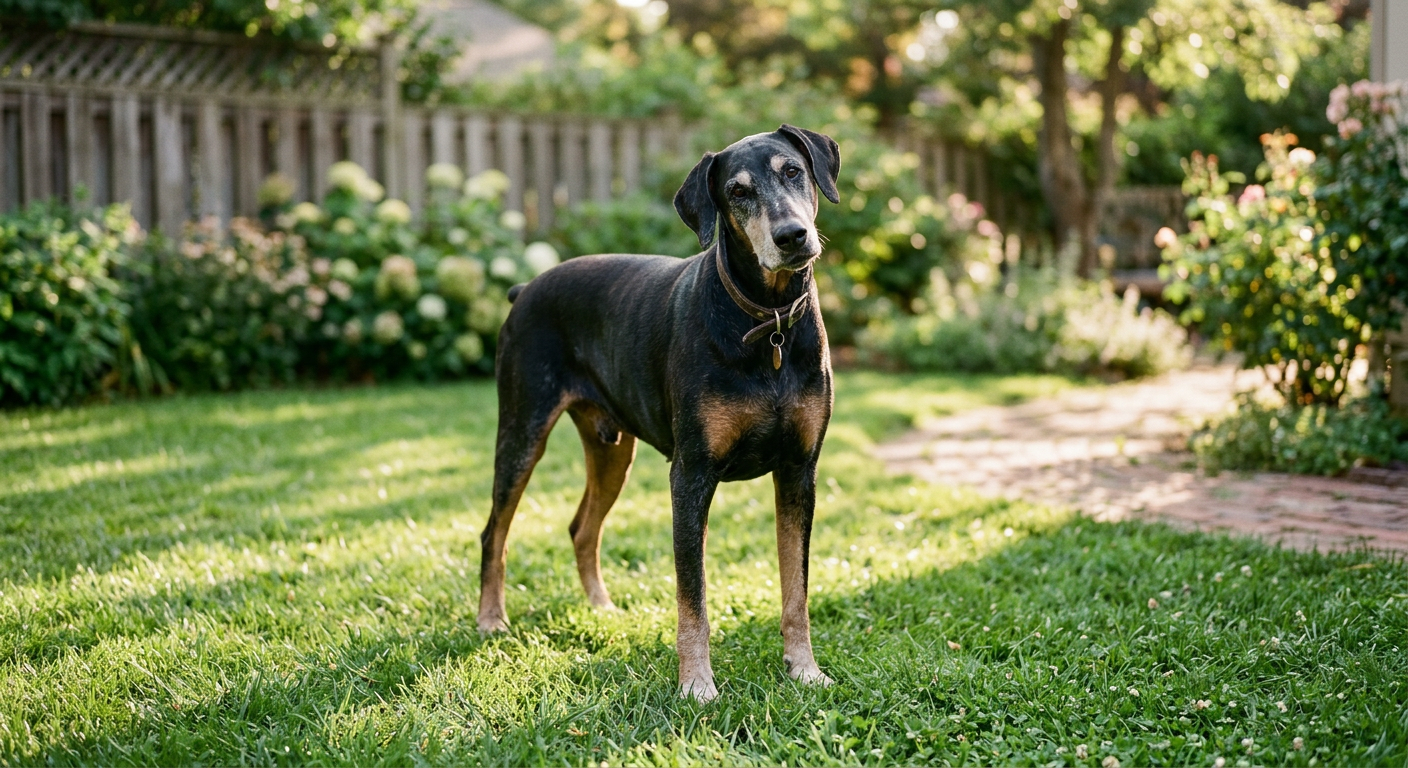
- Old Dog Vestibular Syndrome: Also known as "idiopathic vestibular disease," this is a common condition in seniors that often resolves on its own with supportive care.
- Polyps or Growths: Occasionally, small benign growths in the ear canal can create a feeling of fullness or pressure.
If you notice other symptoms, like a dog shaking head but no ear infection, it may point toward a nerve or sensory issue rather than a simple blockage. Always observe if the tilt is accompanied by scratching or rubbing the ear against furniture.
Signs That Accompany a Head Tilt
When a dog tilting head to one side constantly is observed, it is rarely the only sign present. By looking for secondary cues, you can provide your veterinarian with a clearer picture of what is happening. Pay attention to how your dog moves and reacts to their surroundings.
Eyes and Movement
One common sign associated with balance issues is nystagmus, which is a rapid, involuntary movement of the eyes. The eyes might flick side to side or up and down. Additionally, you might notice your dog stumbling, leaning against walls, or walking in circles toward the side of the tilt.
Changes in Behavior
Because the world feels unstable, your dog might become hesitant to jump onto the couch or climb stairs. They may also experience a bit of motion sickness, leading to a decreased appetite or slight drooling. These are all natural reactions to feeling off-balance and usually improve as the underlying cause is addressed.
How Veterinarians Diagnose the Tilt
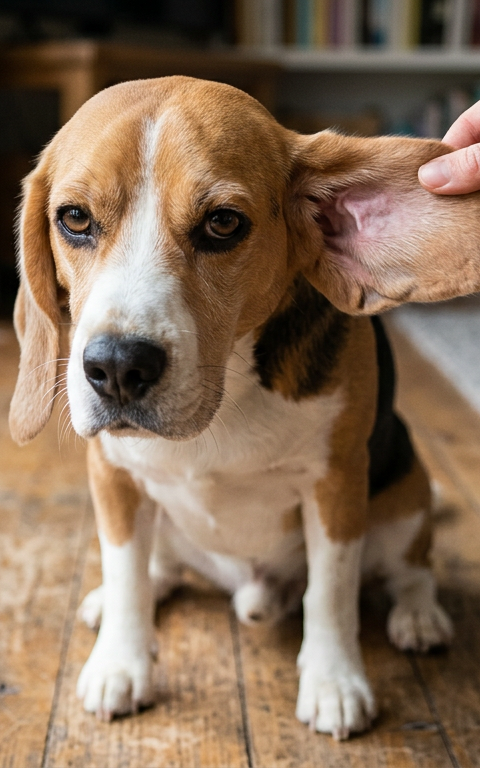
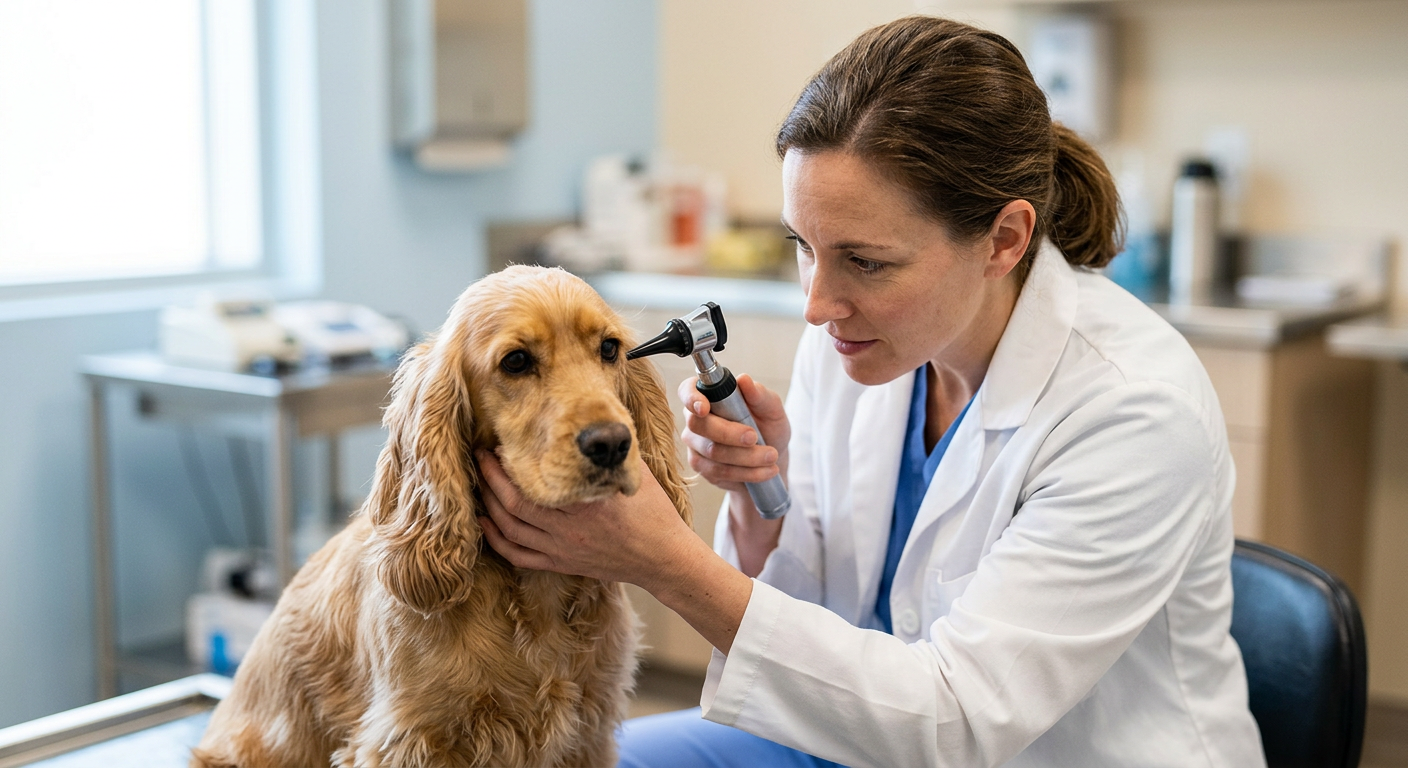
When you visit the clinic, your vet will likely start with a thorough physical examination. They will use an otoscope to look deep into the ear canal to check for any physical obstructions or signs of inflammation. This is a gentle process designed to find the source of the tilt without causing stress.
In some cases, your vet may recommend diagnostic imaging or a neurological assessment. This helps them determine if the issue is strictly within the ear or if it involves the nerves connecting to the brain. Knowing the exact location of the sensitivity allows for a much more targeted wellness plan.
Supporting Your Dog at Home
While your veterinarian works on a treatment plan, there are several things you can do to keep your dog comfortable. Since their balance is compromised, your home environment plays a big role in their safety. Avoid making major furniture changes during this time.
Consider using a harness instead of a collar for walks to provide better stability. If your dog is stumbling, you might want to block off stairs with baby gates to prevent any accidental slips. Soft bedding and easy access to water bowls will also make their recovery much smoother.
If you have multiple dogs, you might notice the healthy dog reacting differently to the one with the head tilt. For example, a Boxer vs Poodle dynamic might change as one dog becomes more protective or confused. Monitoring these social interactions ensures a peaceful household during the healing process.
When to Seek Professional Advice
If the head tilt appears suddenly and is accompanied by an inability to stand or severe vomiting, it is best to contact a veterinary professional immediately. While most causes of a persistent tilt are manageable, early intervention often leads to a faster and more comfortable recovery for your pet.
It is also important to watch for other facial changes. Sometimes a head tilt is accompanied by a droopy eyelid or a dry nose. If you notice localized dryness, you might want to read about a dog nose dry and cracked on one side only to see if the symptoms are related to a specific nerve pathway.
Long-Term Wellness and Outlook
The good news is that many dogs who experience a dog tilting head to one side constantly go on to live perfectly normal lives. In cases like Old Dog Vestibular Syndrome, the most dramatic symptoms often improve within a few days, and the dog returns to their usual self within a few weeks.
In some instances, a slight residual tilt may remain forever. This doesn't mean the dog is in pain; it just means their body has adapted to a new "normal." As long as they are eating, playing, and interacting happily with you, a lingering tilt is simply a unique part of their personality.
Focusing on proactive ear care, regular check-ups, and a safe home environment will help your dog navigate any balance challenges they face. Your observant care is the best tool your dog has for a healthy, happy life.