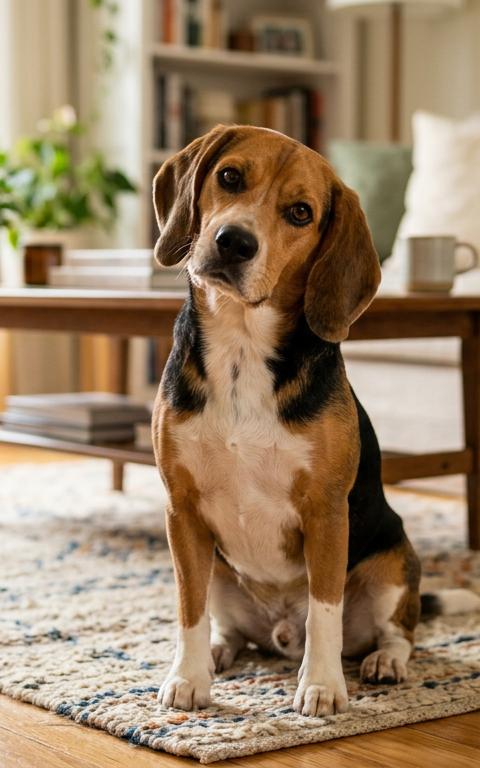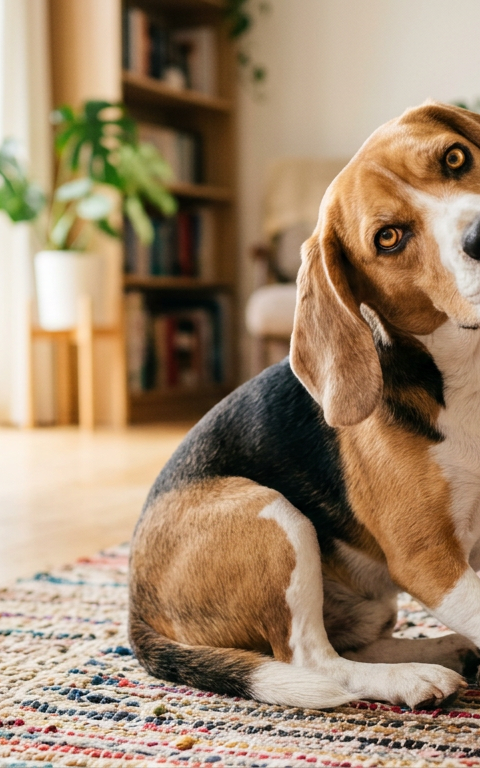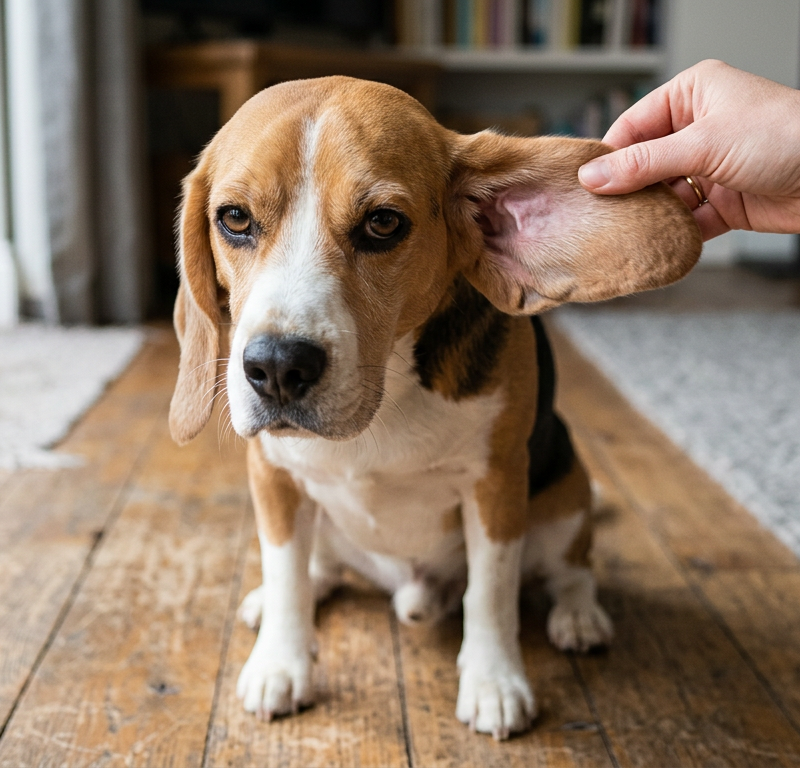
As a devoted pet parent, you likely spend a lot of time snuggling with your furry friend. During one of these close moments, you might notice something unexpected: a lingering odor coming from their head. It can be quite a puzzle when your dog ears smell but look clean, especially if the skin inside the flap appears pink and healthy without any obvious gunk or wax.
While we often associate smelly ears with dark discharge or heavy buildup, many underlying wellness considerations can cause an aroma without visible debris. Understanding why this happens is the first step toward ensuring your dog stays comfortable and happy. If you are curious about how your dog's age might play a role in their overall health, you can check their maturity level using our Labrador Retriever age calculator.
In this guide, we will explore the common reasons for these "invisible" smells and how you can support your dog's ear health through proactive care and regular monitoring.
The Anatomy of Why Dog Ears Smell but Look Clean
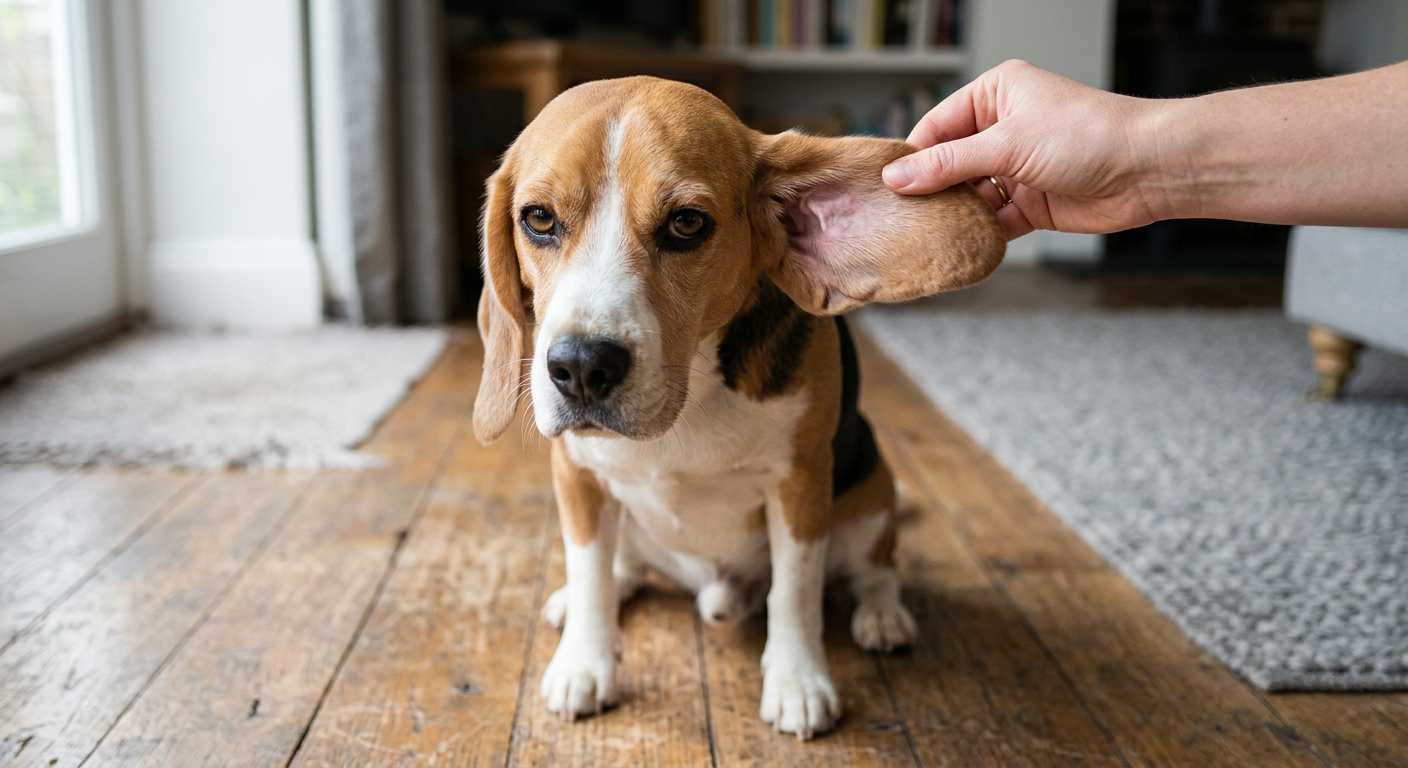
To understand why an odor might persist despite a clean appearance, we have to look at the unique shape of a dog's ear canal. Unlike human ear canals, which are relatively horizontal, a dog’s canal is L-shaped. It drops vertically before turning inward toward the eardrum.
This "L" shape is excellent for catching sound, but it is also very effective at trapping moisture, heat, and microscopic organisms. Even if the outer portion of the ear looks spotless, the deeper vertical canal could be harboring issues that produce a scent. When your dog's ears have a scent but no visible wax, the source is often tucked away where a standard visual inspection cannot reach.
Microscopic Overgrowth
The most common reason for a smell in a seemingly clean ear is a subtle overgrowth of yeast or bacteria. These organisms live naturally on the skin in small numbers. However, if the pH balance of the ear shifts, they can multiply rapidly.
Yeast, specifically Malassezia, often produces a "corn chip" or "musty" smell. Because these organisms are microscopic, they may not produce a heavy discharge until the colony is significantly large. At the early stages, the only sign of their presence is that distinct, sweet, or fermented odor.
Allergies and Ear Health
Environmental or food sensitivities are a primary driver for ear-related concerns. When a dog has an allergic reaction, the skin lining the ear canal becomes inflamed. This inflammation increases the production of oils and heat within the canal.
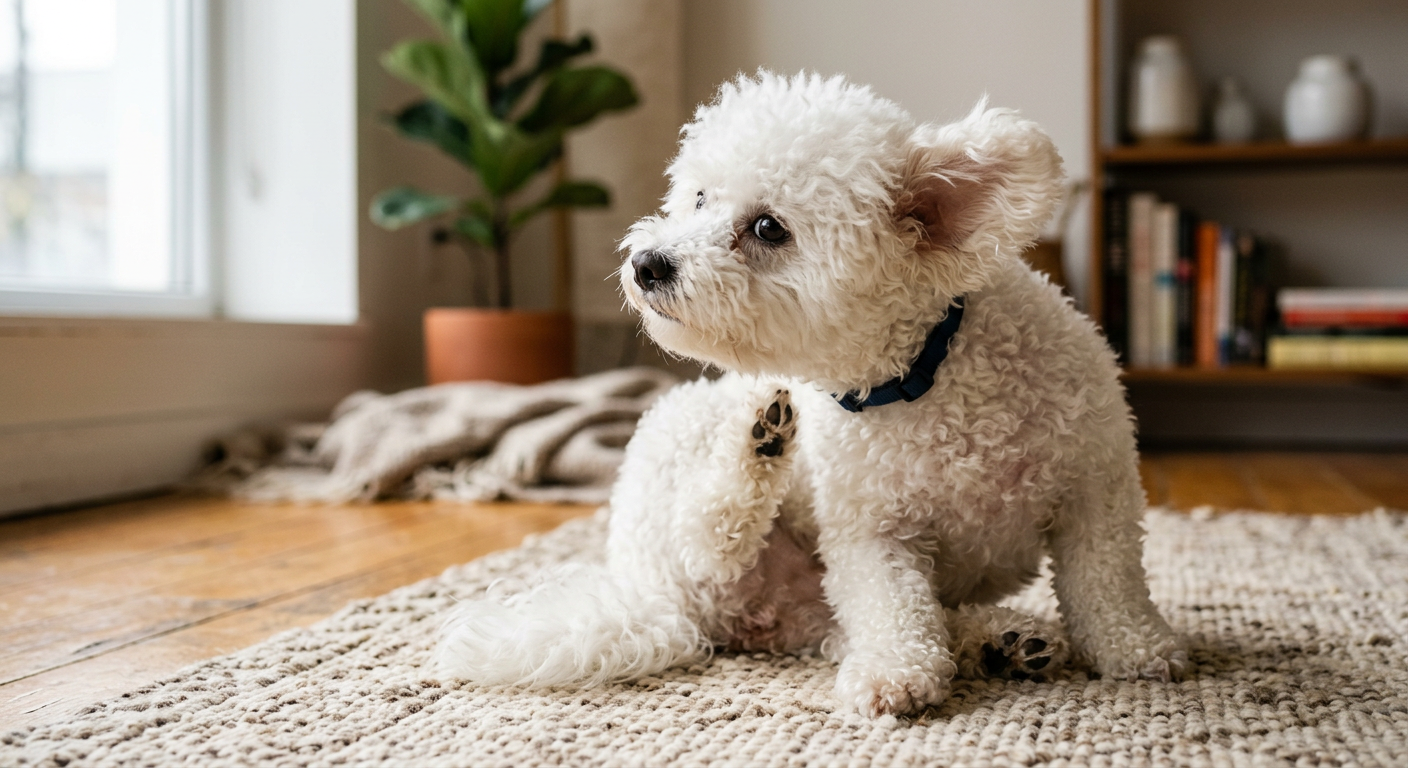
Even if you don't see thick brown wax, the change in skin chemistry caused by allergies can create a "stale" or "sour" smell. You might notice your dog scratching occasionally or rubbing their head on the carpet. This is often the first sign of a systemic issue that manifests in the ears.
If your dog is showing other facial signs of allergies, such as watering eyes, it is helpful to monitor those too. You can read more about ocular symptoms in our article on discharge from one eye to see if there is a broader pattern of sensitivity.
Common Causes for Odors in Clean Ears
There are several specific scenarios where a dog's ears smell but look clean. Identifying which one fits your dog can help you have a more productive conversation with your veterinarian. Here are the most frequent culprits:
- Deep-Seated Infections: An infection located deep near the eardrum may produce a smell that wafts up the canal, while the visible outer tissues remain clear.
- Trapped Moisture: Following a bath or a swim, water can get trapped in the horizontal part of the canal. This stagnant water creates a "wet dog" or mildly swampy smell as it interacts with natural ear oils.
- Foreign Bodies: A small piece of grass or a seed tucked deep in the canal can cause irritation and a localized scent without being visible to the naked eye.
- Ear Mites: While mites usually cause a "coffee ground" discharge, a very early or mild infestation might cause an odor and scratching before the debris becomes noticeable.
- Hormonal Imbalances: Conditions like hypothyroidism can change the quality of a dog's skin and sebum, leading to a different scent profile in the ears.
The Role of Breed and Ear Shape
Breed anatomy plays a huge role in how ears manage airflow. Dogs with long, heavy flaps, like Bassets or Spaniels, have very little air circulation. This lack of oxygen encourages the growth of anaerobic bacteria, which are known for producing strong odors even in small quantities.
Small decorative breeds or those with lots of hair inside the canal (like Poodles or Doodles) can also trap scents within the hair follicles themselves. If you are debating between breeds with different ear types, our Poodle vs Beagle comparison highlights some of these physical differences.
Proactive Care and Monitoring
Maintaining a healthy environment in your dog's ears is about consistency. Since many smells start before visible signs appear, a regular wellness routine is your best defense. Start by gently sniffing your dog's ears once a week when you know they are healthy. This helps you establish a "baseline" so you can recognize changes early.
Focus on keeping the ears dry. After every bath or swim, use a veterinarian-recommended drying solution or a soft cotton ball to gently wipe the entrance of the canal. Avoid using cotton swabs (Q-tips) deep inside the ear, as this can push debris and bacteria further down the "L" shape and potentially damage the eardrum.
When to See the Vet
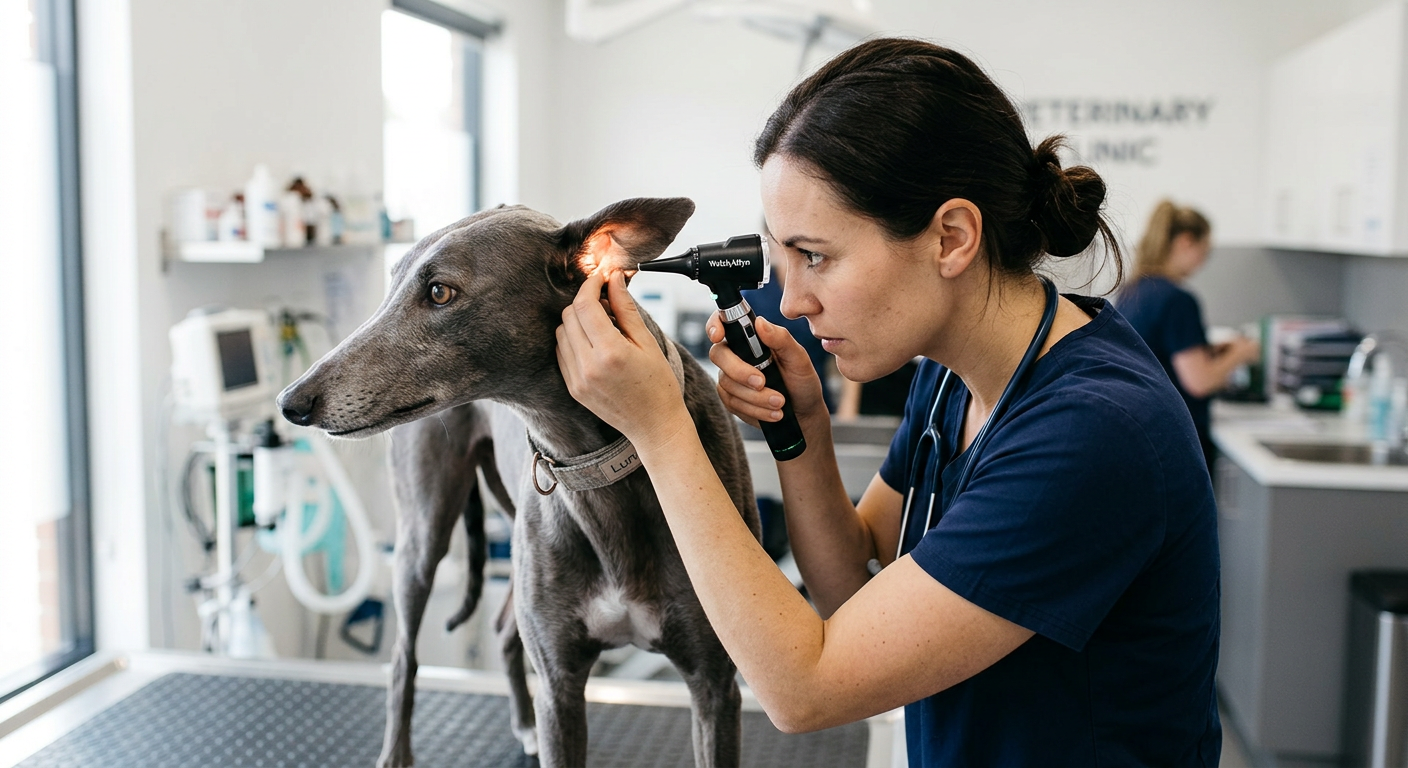
If your canine's ears smell clean but have an odor, it is always best to consult your veterinarian. They use an otoscope to look deep into the horizontal canal and can take a swab to look for microscopic pathogens. You should seek professional advice if you notice:
- Persistent head shaking or tilting.
- Whining when the ears are touched.
- Excessive scratching that causes redness on the flap.
- Sudden changes in hearing or balance.
Conclusion
It can be confusing when your dog ears smell but look clean, but it is a common experience for many pet owners. Whether the cause is a hidden yeast overgrowth, trapped moisture, or underlying allergies, the scent is your dog’s way of telling you that their ear environment is slightly out of balance.
By staying proactive—keeping ears dry, monitoring for behavioral changes, and maintaining regular vet checkups—you can keep those "invisible" ear issues at bay. For more tips on facial and head health, check out our post on head shaking without infections to keep your companion feeling their best.